Support

Santa Maria House Museum

About

Casa de Santa Maria is an exquisite historical manor from the early 20th century that has become one of the most striking architectural symbols that the city of Cascais is proud of. Built in 1902 based on a design by the famous Raul Lino, this building represents a unique blend of Moorish motifs and the traditional style that Portugal was developing during those years.
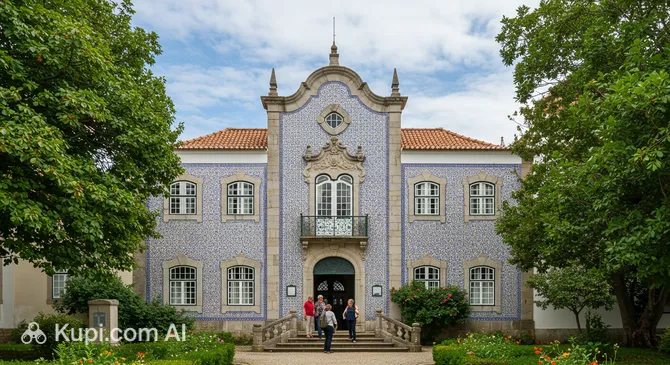
Santa Maria House Museum
Santa Maria House Museum. Иллюстрация. Источник: Kupi.com AI

The house is situated in the picturesque Santa Marta Bay and is an integral part of the coastal landscape. Originally conceived as a luxurious private mansion for an aristocratic family, it is now open to the public as a museum. The interiors' main highlights are the magnificent 17th-century azulejo panels and masterfully painted wooden ceilings, which turn every room into a work of art.

Currently, the Casa de Santa Maria is part of the "Museum Quarter" (Bairro dos Museus). This place attracts visitors not only for its history and artistic value but also for the harmonious combination of architecture with the surrounding nature — the house's terraces literally hang over the calm waters of the bay, creating an atmosphere of tranquility and aesthetic delight.

Contacts

To plan your visit to the Casa de Santa Maria, you can use the contact details provided below. The museum's official website provides information not only about current exhibitions but also about cultural events held within the "Museum Quarter" (Bairro dos Museus).

How to contactContact
AddressPraceta Farol, 2750-642 Cascais, Portugal
Phone+351 21 481 5383
Websitebairrodosmuseus.cascais.pt

What to Do

When visiting the Casa de Santa Maria, the first thing to catch your eye will be the incredible collection of azulejos. Walking through the halls, you can examine detailed panels from 1698–1699 depicting bucolic landscapes, hunting scenes, and religious motifs such as the "Circumcision" or the "Flight into Egypt." These ceramic masterpieces, combined with oil-painted ceilings, create a unique visual experience characteristic of the golden age of Portuguese decorative art.

In addition to exploring the permanent exhibition, visitors can step out onto the open terraces and arched halls, which offer some of the best views of the Santa Marta Lighthouse and the ocean. The building also preserves a chapel with rare 16th-century Talavera tiles, and the basement levels showcase examples of avant-garde ceramics from the 1920s, allowing visitors to trace the development of artistic styles over the centuries.

The house often serves as a venue for interesting temporary exhibitions, conferences, and book presentations. For those who want to dive deeper into the history of the site, thematic courses and lectures are held here. A visit should conclude with a leisurely stroll through the adjacent garden, which blends the museum building with the natural coastal landscape, creating perfect conditions for inspiration and beautiful photographs.

Getting There

This architectural monument is located in one of the most picturesque corners of the city of Cascais, in the Santa Marta Bay area. If you are already in the center, a walk to the museum will take only about 15–20 minutes. The path runs along the coast past the marina, offering travelers a chance to enjoy the fresh sea breeze and views of the Atlantic.

For those traveling from Lisbon, the most convenient option is the suburban train departing from Cais do Sodré station. The journey to the final Cascais station takes approximately 40 minutes. From the station, you can reach the Casa de Santa Maria on foot (about 2 km) or by using local bus routes 405, 415, and 416, which stop in the immediate vicinity.

If you prefer to drive, the museum is accessible via the scenic N6 (Marginal) road or the A5 highway. Parking areas are available near the Santa Marta Lighthouse and the city marina, where you can leave your vehicle before starting your tour. Taxi services and popular ride-sharing apps are also readily available from anywhere in the city.

Ближайший город: Cascais

History & Facts

The Casa de Santa Maria was built in 1902 based on a design by the prominent architect Raul Lino. It was commissioned by Jorge O'Neill, an aristocrat with Irish roots, who wanted to present his daughter Maria Teresa with a special wedding gift. While many of Lino's contemporaries were fascinated by European eclecticism, he deliberately turned to the Moorish style and Portuguese building traditions, making the building unique in the whole of Portugal.

In 1914, the estate changed owners — it was acquired by José Lino Júnior, the architect's brother and a passionate collector. It is thanks to him that the house's interiors were adorned with priceless azulejo panels from 1698–1699, which were moved from an old chapel in Frielas. Later, for nearly 70 years, the house was owned by the influential Espírito Santo family. During this period, the villa hosted distinguished guests, including members of the royal families of Luxembourg and Italy, as well as the Dukes of Windsor.

In October 2004, the building was purchased by the municipality, and some time later, it opened its doors as a public museum. In 2012, the site was officially classified as a Monument of Public Interest. Today, top restorers are responsible for preserving its unique painted ceilings and fragile ceramics, maintaining its status as an important part of the national heritage.

Time Needed

Typically, it takes 1 to 2 hours to explore the main exhibitions and interiors of the Casa de Santa Maria. This is sufficient time to leisurely study the rich collection of tiles, admire the ceiling paintings, and enjoy the Atlantic Ocean views from the building's terraces.

If you are passionate about architectural history and plan to examine every decorative element in detail, or if you wish to visit temporary exhibitions, allow a bit more time for your visit. Given the proximity of other cultural sites, many tourists prefer to dedicate half a day to a comprehensive visit of the entire Museum Quarter and a stroll through the adjacent gardens.

Working Hours

The museum is open to visitors from Tuesday to Sunday. Opening hours include a mandatory lunch break: from 10:00 AM to 1:00 PM and from 2:00 PM to 6:00 PM. Monday is a day off when the exhibitions are closed to the public.

It is important to note that scheduled restoration work may currently be taking place in the building to preserve the unique ceilings and azulejo tiles. It is recommended to check the official portal for the latest information before your visit to ensure that all museum halls are accessible.

DayWorking hours
ПонедельникЗакрыто
Вторник10:00 – 13:00, 2:00 – 18:00
Среда10:00 – 13:00, 2:00 – 18:00
Четверг10:00 – 13:00, 2:00 – 18:00
Пятница10:00 – 13:00, 2:00 – 18:00
Суббота10:00 – 13:00, 2:00 – 18:00
Воскресенье10:00 – 13:00, 2:00 – 18:00

Nearby

The city of Cascais offers travelers many interesting locations, and a visit to the Casa de Santa Maria can easily be combined with exploring other attractions. Exploring the surroundings in this area will allow you to delve deeper into the maritime history and cultural richness of the region, as many iconic sites are within walking distance of each other.

Just a couple of hundred meters away lies a green oasis — Marechal Carmona Park, and directly across the road is the striking lighthouse museum. The special atmosphere of the coastal zone makes walking here incredibly pleasant. Below are the nearest sites worth including in your itinerary:

NameDistance
Condes de Castro Guimarães Museum0.1 km
Santa Marta Beach0.1 km
Marechal Carmona Park0.2 km
Dom Luís I Foundation0.3 km
Parish Church of Our Lady of the Assumption0.4 km
Paula Rego House of Stories0.5 km
Cascais Bay0.6 km

Reached the end of the page?

That means the route is fully explored