Support

Paseo de la Ría

About

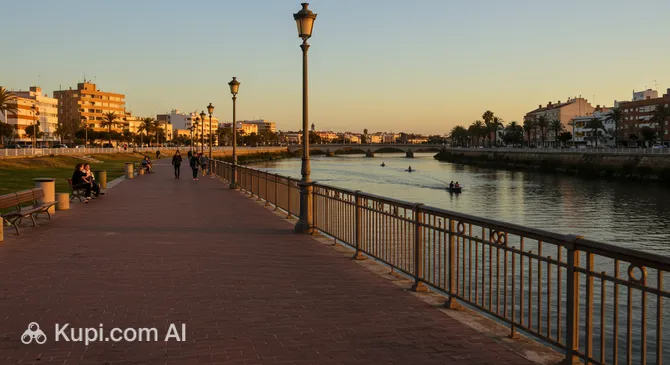
Imagine an endless horizon where the river meets the sky, and a light sea breeze carries the scent of salt and freedom. Paseo de la Ría is a modern and strikingly scenic promenade in the city of Huelva, which has become a symbol of the transformation of this port region in Spain. Stretching for 6 kilometers along the Odiel River estuary, it connects the rhythm of a modern port with the historic spirit of Andalusia.
Paseo de la Ría
Paseo de la Ría. Иллюстрация. Источник: Kupi.com AI

This public space is more than just a walking path; it is a true open-air architectural park. Here, pedestrian and cycling lanes sit alongside cozy rest areas, shaded spots, and modern lighting that turns an evening stroll into a magical experience. The promenade runs through a historic district, offering views of monumental port structures and tranquil natural landscapes.

The main highlight of the Paseo de la Ría is its proximity to industrial monuments of the past, such as the old Rio Tinto company pier. This combination makes a walk here a unique experience: you are literally walking through time, observing modern vessels alongside century-old docks. The high rating of this attraction confirms that it is equally loved by romantics and outdoor enthusiasts.

Contacts

To inquire about port operations or official events on the promenade, you can use the following contact details for the port administration:

How to contactContact
AddressAv. Francisco Montenegro, 21001 Huelva, Spain
Phone+34 959 49 31 00
Websitewww.puertohuelva.com

What to Do

At Paseo de la Ría, everyone will find something to enjoy. Fitness enthusiasts will appreciate the dedicated bike lanes and outdoor fitness stations. You can rent a bike nearby or simply go for a morning run, watching the port wake up as seagulls cry over the Odiel River.

For those seeking aesthetic pleasure, the promenade offers the best spots for photoshoots. Be sure to reach the old pier, Muelle de Riotinto—its lattice-work metal structures against the sunset create incredible shots. Attentive observers may notice the rich fauna of the estuary: from a variety of seabirds to dolphins that occasionally swim into these waters.

The evening is perfect for a slow promenade. After your walk, it’s worth stopping by the waterfront cafes to try the famous Andalusian tapas and the freshest seafood. During the summer season, the promenade comes alive: street concerts, festivals, and fairs are often held here, turning the walking area into the heart of the city's cultural life.

Getting There

Finding the Paseo de la Ría is easy: it stretches along Av. Francisco Montenegro. If you are staying in the center of Huelva, a leisurely walk to the start of the promenade will take only 10–15 minutes. For those arriving by car, there are free parking areas located directly along the promenade and near the port.

If you prefer public transport, EMTUSA bus routes No. 1, No. 9, and No. 17 are your best options. You should get off at the "Puerto" or "Francisco Montenegro" stops; a ticket costs approximately 1.40 euros. Taxis are also a convenient choice—a ride from the train station will cost around 5 euros.

For those traveling from neighboring regions, the most convenient way is to take a Renfe train from Seville (the journey takes about an hour and a half) to the Huelva-La Rabida station. From the station, you can reach the promenade on foot in about 20 minutes or take a short taxi ride, enjoying your first glimpses of this Andalusian city.

Ближайший город: Huelva

History & Facts

The history of the area where the Paseo de la Ría now stands is inextricably linked to the Age of Discovery. It was from these very waters in 1492 that Christopher Columbus set off on his legendary voyage to the shores of the Americas. The Odiel River witnessed the caravels leaving the harbor, making this region a true cradle of modern world history.

In the 19th century, the shoreline was transformed by the industrial boom. Between 1874 and 1876, the famous Rio Tinto Company Pier was built here. This massive metal structure was used for loading copper ore mined at the renowned Rio Tinto mines and remained operational until 1975. Today, the old dock is a monument to industrial architecture and an integral part of the promenade’s landscape.

Interestingly, the modern appearance of the coast is also a result of natural cataclysms. The devastating Lisbon earthquake of 1755 significantly altered the shape of the estuary, shifting the old port zones further inland. The current promenade is the result of a large-scale urban development project that harmoniously combined the rugged industrial heritage with a modern recreation area for locals and tourists alike.

Time Needed

To walk the Paseo de la Ría one way at a leisurely pace, enjoying the sea breeze and the views, you will need about 1.5 to 2 hours. The route is 6 kilometers long, so comfortable shoes will be your best ally.

If you plan to take many photos at the historic pier, stop for a rest on the benches, or visit the local cafes, it is better to set aside half a day. For those who prefer exploring by bicycle, the ride will take between 45 and 60 minutes, leaving plenty of time to see other sights in the city center.

Working Hours

Paseo de la Ría is an open public space and is available to visit 24/7. You can come here at dawn to catch the first rays of sun over the river, or late at night when the port lights reflect in the water.

The schedule is the same for every day of the week:

  • Monday — Sunday: Open 24 hours

Круглосуточно

Nearby

A walk along the promenade is just the beginning of your acquaintance with the city. Exploring the nearby surroundings will allow you to dive deeper into the atmosphere of port life and witness the architectural contrasts of Andalusia.

NameDistance
Riotinto Pier0.5 km
Parque de Atracciones (Huelva)0.9 km
Azabache Restaurant1 km
Bar 19001.1 km
La Mafia Sits at the Table1.2 km
Theatre Social Club1.2 km
Monument to Christopher Columbus1.2 km

Reached the end of the page?

That means the route is fully explored