Support

Monumento a la Virgen del Rocío

About

In the heart of Huelva, on the lively Plaza del Punto, stands one of the most impressive monuments in southern Spain — the Monument to the Virgin of El Rocío (Monumento a la Virgen del Rocío). This massive bronze sculptural composition, weighing approximately 6,000 kg, is dedicated to the famous pilgrimage to the Virgin of El Rocío, known as the "Lily of the Marshes" (Lirio de las Marismas). Standing over 4 meters tall, the group depicts a solemn procession where sixty pilgrims carry the image of the Mother of God on their shoulders.
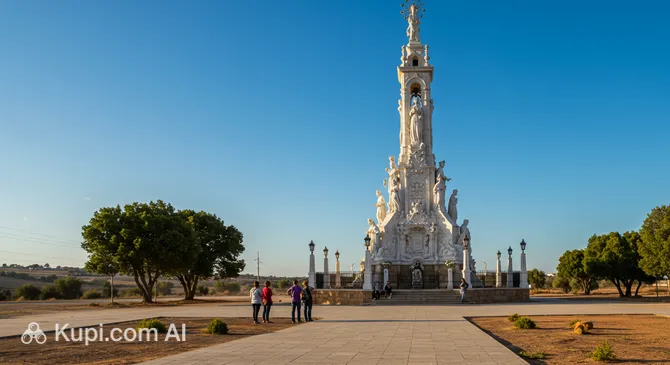
Monument to the Virgin of El Rocío
Monument to the Virgin of El Rocío. Иллюстрация. Источник: Kupi.com AI

The sculpture is executed in a unique style: it lacks a pedestal, which makes the bronze figures appear to be an organic part of the square. This architectural choice creates a wonderful immersive effect, allowing passersby to feel like part of the solemn procession. Each of the sixty figures is endowed with individual features, and in the details, one can see the medals of the famous Huelva and Emigrantes brotherhoods, giving the work special ethnographic value.

The Monument to the Virgin of El Rocío is more than just a landmark; it is a living embodiment of Andalusian traditions and religious fervor. It serves as an emotional reminder of the annual gatherings of pilgrims and is considered one of the most important artistic works to grace the city as part of its monumentalization program.

Contacts

The monument is located in a public space, so there is no separate office or phone number specifically for the site. However, you can find detailed information on the city's official tourism resources.

How to contactContact
AddressAv. Martín Alonso Pinzón, 24, 21003 Huelva, Spain
Websitewww.esculturaurbanaaragon.com.es

What to Do

The primary activity at the monument is thoughtful contemplation. Since there is no pedestal, you can walk right up to the sculptures and examine the finest details: the pilgrims' facial expressions, the folds of their clothing, and symbolic elements like the medals of various brotherhoods. Visitors often feel a sense of involvement in this grand procession, which seems to emerge directly from the square's pavement.

This spot is perfect for photography. During the day, sunlight beautifully highlights the bronze patina and the intricate details, while in the evening, professional lighting adds a touch of mystery and drama. Many travelers recommend visiting at dusk when the sculptural group looks most impressive.

A visit to the monument is often combined with a walk through the historic center. You can start your route from the famous Columbus House (Casa Colón) and pass through Plaza del Punto into the old quarters. It is a great place to pause, reflect on Andalusian traditions, and experience the local spirit of hospitality and devotion.

Getting There

The Monument to the Virgin of El Rocío is located at Av. Martín Alonso Pinzón, 24, right on Plaza del Punto. This is the very heart of the historic center, so it is easy to find. If you are arriving by train, the monument is within walking distance of the Huelva (Renfe) railway station. Many tourists note that the statue looks particularly striking when entering the city center from the station in the evening.

For those who prefer public transport, the EMTUSA city buses stop near the central pedestrian areas. You can also easily reach the square by taxi from anywhere in the city; simply tell the driver the name of the attraction or Plaza del Punto.

The monument is often a key point on walking tours of Huelva. For example, popular tours of the historic center starting from Casa Colón (Columbus House) always include a stop at this sculptural group, as it is located just a few dozen meters away.

Ближайший город: Huelva

History & Facts

The story of the monument's creation began on April 15, 2005, when a special commission was formed under the leadership of Aurelia Cazenave, an attendant (camarista) of the Huelva Brotherhood. The initiative was part of a large-scale plan by the city council to monumentalize the city, aiming to decorate Plaza del Punto and immortalize the deep connection of the residents with the pilgrimage traditions of Almonte.

Renowned sculptor Elías Rodríguez Picón worked on this masterpiece for six years. As a master "rociero," he poured both his professional skill and a personal connection to the subject into the work. The painstaking process was completed in 2011, and on March 20, the sculpture was officially handed over to the city. Mayor Pedro Rodríguez and the President of the Brotherhood, Juan Ferrer, participated in the solemn signing ceremony.

One of the most fascinating features of the monument is that the sculptor used the likenesses of real people to create the faces of the 60 pilgrims. This gives the composition incredible authenticity and emotional depth. Although some sources mention different dates or authors, official history confirms Picón's authorship and the construction period between 2005 and 2011.

Time Needed

To simply view the monument and take a few photos, you will need very little time—about 15–30 minutes. This is enough to walk around the sculptural group from all sides and appreciate the craftsmanship of the details.

However, if you want to closely examine the faces of the pilgrims, find the symbolic brotherhood medals on their clothing, or simply soak in the atmosphere of the square, plan to spend up to 1 hour. This can be combined with a rest on the benches of Plaza del Punto or a visit to nearby historical sites as part of a larger walking tour of the center.

Working Hours

The Monument to the Virgin of El Rocío is located in an open city square, making it accessible 24 hours a day. You can admire it at any time that suits you, whether it is an early morning walk or a late evening stroll.

The site's schedule remains the same throughout the week:

  • Monday — Sunday: 24/7.

Круглосуточно

Nearby

Plaza del Punto, where the monument stands, is an excellent starting point for further exploring the city's rich cultural heritage. A walk through the surrounding streets will allow you to see architectural landmarks from different eras—from British influence to traditional Spanish styles.

NameDistance
Casa de Colón0 km
Theatre Social Club0.1 km
Bar 19000.2 km
Huelva Museum0.3 km
Costa Luz Shopping Center0.4 km
Azabache Restaurant0.5 km
Monument to Christopher Columbus0.5 km

Reached the end of the page?

That means the route is fully explored