Support

Caballerizas Reales

About

Imagine a place where history comes alive with every clatter of hooves and every graceful movement of noble animals. The Royal Stables of Córdoba (Caballerizas Reales de Córdoba) are a majestic architectural monument and the spiritual heart of Andalusian equestrian culture, located in the center of the ancient city of Córdoba.
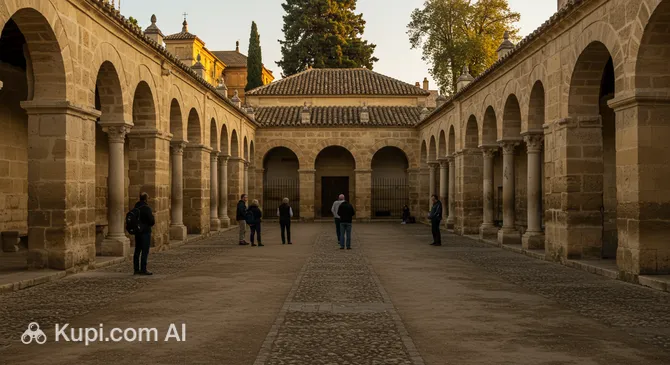
Royal Stables of Córdoba
Royal Stables of Córdoba. Иллюстрация. Источник: Kupi.com AI

This complex was founded in the 16th century by a personal decree from King Philip II. It was right here that the famous Andalusian horse breed was born, becoming a source of pride that Spain shared with the world. The stables neighbor the famous Alcázar of the Christian Monarchs, complementing the monumental ensemble of the old city with their unique atmosphere and austere Renaissance beauty.

Today, the Royal Stables are not just a museum but a working venue for breathtaking equestrian shows. Visitors can see magnificent arenas with vaulted ceilings, ancient stalls, and get acquainted with the centuries-old traditions of Spanish horse breeding, which are carefully preserved here to this day.

Contacts

If you are planning a visit or want to check the details of an upcoming horse show, you can use the official contact information below.

How to contactContact
AddressC. Caballerizas Reales, 1, Centro, 14004 Córdoba, Spain
Phone+34 957 49 78 43
Websitewww.cordobaecuestre.com

What to Do

The highlight of any visit to the Royal Stables is undoubtedly attending the horse show "Pasión y Duende del Caballo Andaluz". This spectacular performance combines elements of classical dressage, traditional flamenco, and the incredible skill of the riders. You will see Andalusian stallions literally dancing to the music, demonstrating grace and a profound connection with their human partners.

During the day, it is worth strolling through the inner courtyards and inspecting the main pillared hall where the horses are kept. Here, you can observe the daily work of the trainers and the preparation of the animals. Don't forget to notice the interior details: the massive vaults and stonework create a feeling as if time stood still several centuries ago.

For history enthusiasts, there are small exhibitions detailing the development of the breed and the history of the building itself. The display of carriages and tack leaves a special impression. If you're lucky, you might catch open training sessions or masterclasses that offer a glimpse behind the scenes of Andalusia's great equestrian art.

Getting There

The Royal Stables are located in the heart of the historical quarter, in immediate proximity to the famous Alcázar and the banks of the Guadalquivir River. Thanks to this central location, they are very easy to reach on foot from anywhere in the old city.

If you are coming from a more distant area, it is most convenient to take a taxi or public transport. Look for bus routes heading to the "Alcázar de los Reyes Cristianos" stop. A taxi ride from the Córdoba railway station will take no more than 10–15 minutes.

For those traveling by car, keep in mind that the historical center is a limited traffic zone. It is recommended to leave your car at one of the nearby paid city parking lots (such as Parking Centro Histórico) and walk for a few minutes while enjoying the views of the ancient city.

Ближайший город: Cordoba

History & Facts

The history of this majestic complex began in 1570. It was then that King Philip II, a passionate horse lover, issued a decree to establish stables in the city of Córdoba. His goal was to breed the ideal horse — the Purebred Andalusian, which would combine grace, strength, and docility, becoming a living symbol of the Spanish monarchy.

The site for construction was chosen intentionally: the stables were built on a portion of the old Alcázar's grounds, emphasizing their royal status. The architecture of the complex is executed in a strict and harmonious Renaissance style. The main arena, with its impressive cross vaults resting on sturdy sandstone columns, is considered an engineering masterpiece of its time.

For centuries, the Royal Stables remained the cradle of Europe's finest horse breeding. In 1929, the architectural ensemble was officially designated a National Historical Monument of Spain. Today, it is not just a museum but a living testimony to how deeply equestrian traditions are woven into the cultural fabric of Andalusia.

Time Needed

To leisurely explore the architecture of the complex, peek into the stalls, and browse the exhibitions dedicated to the history of the breed, about 45–60 minutes is sufficient for most travelers.

However, we highly recommend planning your visit to coincide with the evening equestrian show. In this case, your total stay will increase to 1.5–2 hours. This will allow you to get the full experience: from exploring historical walls to witnessing the living art of the high school of equitation.

Working Hours

Please note the complex's operating schedule to plan your visit correctly. The main visiting hours are as follows:

  • Tuesday: 10:00 AM – 1:30 PM, 4:30 PM – 7:30 PM
  • Wednesday – Saturday: 10:00 AM – 1:30 PM, 5:30 PM – 10:30 PM
  • Monday and Sunday: Closed

Evening hours on weekdays and Saturdays are often reserved for equestrian shows, so it is recommended to check the performance schedule in advance on the official website.

DayWorking hours
ПонедельникЗакрыто
Вторник10:00 – 13:30, 4:30 – 19:30
Среда10:00 – 13:30, 5:30 – 22:30
Четверг10:00 – 13:30, 5:30 – 22:30
Пятница10:00 – 13:30, 5:30 – 22:30
Суббота10:00 – 13:30, 5:30 – 22:30
ВоскресеньеЗакрыто

Nearby

The location of the Royal Stables allows tourists to easily combine their visit with other iconic landmarks of the city. A walk through the surrounding area will help you dive deeper into the centuries-old history of this unique region.

NameDistance
Caliphal Baths0.1 km
Patios of Córdoba0.2 km
Taberna La Viuda0.2 km
Alcázar of the Christian Monarchs0.2 km
Córdoba Synagogue0.3 km
Jewish Quarter of Córdoba0.3 km
Mosque–Cathedral of Córdoba0.4 km

Reached the end of the page?

That means the route is fully explored