Support

Baños Árabes de Santa María

About

The Santa María Arab Baths are a unique historical monument located in the heart of Córdoba, Spain. This site represents one of the rare surviving examples of Caliphate architecture that flourished during the period of medieval Muslim Andalusia. Since 1994, the baths have been part of the historic center listed as a UNESCO World Heritage site.
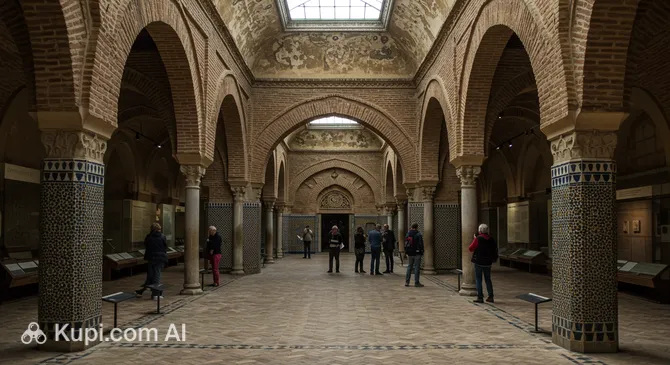
Santa María Arab Baths
Santa María Arab Baths. Иллюстрация. Источник: Kupi.com AI

Today, the building is a striking example of the synthesis of the city's three cultures—Muslim, Christian, and Jewish. The site is recognized as a Heritage of Cultural Interest, highlighting its exceptional historical and artistic value. Visitors can do more than just view the ancient walls; they can experience the atmosphere of the past in one of the most significant locations in the old city.

Currently, the Santa María Arab Baths function as a cultural space and museum. Thanks to the magnificent acoustics of the ancient vaults, the building is frequently used as a concert hall for live performances. This makes the baths a must-visit for those seeking a harmonious blend of history and contemporary art.

Contacts

To plan your visit to the Santa María Arab Baths, you can use the contact details provided below. It is recommended to check in advance for information regarding events and concerts that may be taking place within these historic walls. You can also find up-to-date information on special offers and visiting details on the official website.

How to contactContact
AddressC. Velázquez Bosco, 10, Centro, 14003 Córdoba, Spain
Phone+34 677 74 74 72
Websitedobledecepa.es

What to Do

Visitors have the rare opportunity to explore well-preserved architectural halls from the Caliphate era, including three traditional rooms: the cold, warm, and hot rooms. Of particular interest are the lucarnes—special openings in the vaults through which soft natural light enters the baths. Inside, you can see original column capitals decorated with delicate "atauriques" floral patterns, characteristic of the 10th century.

Galleries with horseshoe arches run along the northern and southern sides of the complex. Ancient niches remain here, which in the past may have served as pools or relaxation areas. It is also worth noting the remains of the sophisticated plumbing system and massive cisterns (aljibes) that ensured a continuous water supply to the hammam over a thousand years ago.

In addition to the architectural tour, you can enjoy live music at the Santa María Arab Baths. Today, these walls serve as a venue for chamber concerts, where the acoustics of the ancient vaults give the sounds of flamenco or classical instruments a special depth. This is an excellent way to end a day in Córdoba, immersing yourself in the aesthetics of medieval architecture and modern performance.

Getting There

The attraction is located in the heart of the historic center at C. Velázquez Bosco, 10. Finding it is easy, as it is situated in close proximity to the famous Alcázar and other key monuments of the city. The main entrance to the baths is on Velázquez Bosco Street, though the complex can also be accessed from Céspedes Street.

The most pleasant way to reach the site is a stroll through the narrow, picturesque streets of the old town. If you are arriving from the airport or the railway station, it is most convenient to use taxi services or city buses traveling to the central districts. Keep in mind that many streets in this area are pedestrian-only, so it is best to leave your car in one of the parking lots outside the historic core.

Ближайший город: Cordoba

History & Facts

The Santa María Arab Baths date back to 961, when they were built during the reign of Caliph Al-Hakam II. In Islamic Córdoba, establishments like these, known as hammams, were not merely places for hygiene but also essential social hubs. Here, political matters were discussed, deals were struck, and the city's rulers could hold informal meetings.

After the conquest of the city by Ferdinand III in 1236, the baths became the property of a noble house in Córdoba. Centuries later, in 1380, the property was transferred to the church council in exchange for restoration work. It was then that the church gave them their new name—"Baths of Saint Mary"—by which they are still known today. Mudéjar craftsmen made significant contributions to the building's appearance in the 14th century, modernizing the complex's engineering systems.

In the 18th century, the site underwent major reconstruction: some of the vaults were destroyed, and one of the rooms was converted into an open inner courtyard (patio). The archaeological discovery of the baths in the modern era occurred in 1903, but only systematic excavations at the end of the 20th century allowed scholars to fully reveal the scale and uniqueness of this architectural ensemble. Today, this monument stands as an important witness to the former greatness of the Caliphate.

Time Needed

To leisurely tour all the halls and examine the architectural elements of the ancient hammam in detail, a typical visitor will need between 1 and 1.5 hours. This is plenty of time to study the ancient column capitals, the vaults, and the remains of the water system that have survived to this day.

If you plan to attend one of the concerts or live performances regularly held within the bath walls, you should allow more time for your visit. In this case, your stay in this cultural space may last about two to three hours, including the time for the event itself.

Working Hours

The Santa María Arab Baths are open to visitors daily, making them accessible to tourists any day of the week. The complex's operating schedule is fixed from 12:00 to 23:00, including Mondays and weekends. This wide time range makes it easy to fit a visit to the baths into either a daytime sightseeing route or an evening stroll through the old town.

12:00 – 23:00

Nearby

Exploring the surroundings of the Santa María Arab Baths will allow you to dive deeper into the rich history of Andalusia. Thanks to its location in the historic center, many iconic monuments recognized as world heritage sites are within walking distance of the baths.

NameDistance
Calleja de las Flores0 km
Bodegas Mezquita (Céspedes)0 km
Gate of Forgiveness of the Mosque–Cathedral of Córdoba0.1 km
Calleja del Pañuelo0.1 km
Patio de la Judería Restaurant0.1 km
Mosque–Cathedral of Córdoba0.2 km
Jewish Quarter of Córdoba0.2 km

Reached the end of the page?

That means the route is fully explored