Support

Cordoba Patios

About

The Patios of Córdoba are a living legend and the soul of the ancient city of Córdoba. These unique inner courtyards of private homes are true floral oases where walls, completely covered in pots of geraniums, stand alongside elegant fountains and antique ceramics. The tradition of decorating these spaces began as a response to the hot climate for which Spain is famous.
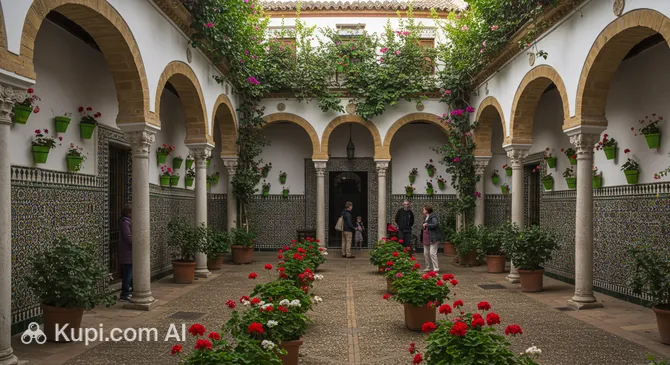
Patios of Córdoba
Patios of Córdoba. Иллюстрация. Источник: Kupi.com AI

This place is not just a landmark, but a UNESCO Intangible Cultural Heritage of Humanity. Each patio reflects the owner's individual taste and centuries-old traditions of Andalusian life. Walking through these courtyards, you enter an atmosphere of tranquility filled with the scent of flowers and the whisper of water.

A visit here allows a glimpse behind the closed doors of ordinary Spanish homes to see beauty hidden from the public eye. The patios have become a true signature feature of the region, attracting aesthetes and landscape design enthusiasts from all over the world.

Contacts

To plan your visit and obtain up-to-date information on access to private properties, it is recommended to contact the Association of Friends of the Córdoba Patios. The organization's staff will help you navigate the variety of routes and suggest which courtyards are open to tourists on your selected dates.

Below are the official contact details for the organization overseeing the preservation of this unique tradition:

How to contactContact
AddressC. San Basilio, 44, Centro, 14004 Córdoba, Spain
Websitewww.amigosdelospatioscordobeses.es

What to Do

Visiting the patios is, above all, a sensory experience. The main activity here is contemplation. Tourists can spend hours wandering through the labyrinths of the old city, peeking through open doors that reveal cascades of flowers. It looks especially magical in May, when the city is filled with the scent of jasmine and orange blossom.

Interacting with local residents adds a special charm to the trip. The owners of the courtyards are often present and proudly share secrets of caring for their plants or tell family stories associated with the house. This is a rare opportunity to see the traditional way of life from the inside and feel the hospitality of the people of Andalusia.

For a deeper immersion, you can join a themed guided tour. Guides talk about the architectural features of arches and wells, as well as how the fashion for decorating patios has changed over the decades. Don't forget to bring a camera — every angle here is worthy of being on a magazine cover.

Getting There

The amazing Patios of Córdoba are concentrated in the historic center, making a visit to them an ideal addition to a walking tour. The main concentration of courtyards is in the San Basilio district and the old Jewish Quarter, literally a few minutes' walk from the city's main landmarks.

If you arrive at the train or bus station, it is most convenient to take a taxi or city bus to the edge of the old city. From there, vehicle traffic is restricted, so be prepared to enjoy the colorful streets on foot.

For those who prefer ready-made solutions, special tourist routes like "La Ruta de los Patios" are organized in the city. Signs and information boards will help you stay on track and find even the most hidden floral oases.

Ближайший город: Cordoba

History & Facts

The history of the patios dates back to the era of the Roman Empire. At that time, Córdoba was an important center of the province of Hispania Baetica, and residents built houses with inner courtyards to create a natural cooling system. Shade and water in the center of the house provided a refuge from the scorching Andalusian sun.

Later, during the period of Arab rule, the tradition gained a new aesthetic dimension. It was then that the patios began to transform into true gardens: fountains, decorative pools, and an abundance of vibrant plants appeared. The Arabs brought to the courtyard culture the philosophy of paradise on earth, hidden behind modest house facades.

The modern form of the tradition took shape in 1921, when the city held its first official contest for the most beautiful courtyard. This event grew into the famous Córdoba Patios Festival, which is now the pride of all of Spain. Thanks to this contest, residents have carefully preserved and perfected the art of decorating their homes for decades.

Time Needed

To leisurely explore the main courtyards and experience their unique coziness, travelers usually need 2 to 4 hours. This is enough time to visit several locations in the historic district and take commemorative photos.

During the festival period, visit times may increase due to the site's popularity with tourists. If you plan a deep immersion into Andalusian culture with themed tours, it is worth setting aside half a day to combine your walk with a break in one of the local cafes in the shade of orange trees.

Working Hours

The opening hours of the courtyards depend directly on the season. During the famous Patios Festival (the first half of May), most private properties are open to the public daily: usually from 11:00 to 14:00 and from 18:00 to 22:00. At other times of the year, many courtyards remain private property; however, some are accessible as part of organized tours.

Since schedules can change depending on holidays or private events, we strongly recommend checking the official website of the association before planning your walk to ensure your visit is as comfortable as possible.

Nearby

The historic center of Córdoba is a world-class treasure trove where monuments from different eras stand side by side. Exploring the surrounding area after visiting the courtyards will allow you to fully experience the atmosphere of the ancient capital and see architectural masterpieces within walking distance.

NameDistance
Taberna La Viuda0 km
Royal Stables of Córdoba0.2 km
Caliphal Baths0.3 km
Alcázar of the Christian Monarchs0.4 km
Córdoba Synagogue0.5 km
Jewish Quarter of Córdoba0.5 km
Mosque–Cathedral of Córdoba0.6 km

Reached the end of the page?

That means the route is fully explored