Support

Almonte

About

Almonte is a charming town, a true gem of southern Spain, nestled in the province of Huelva, in the heart of sunny Andalusia. The town lies on a picturesque plain where the scent of eucalyptus groves mingles with the salty Atlantic breeze, and endless fields gradually transition into the sand dunes and dense forests of the famous Doñana National Park. This excellent location makes Almonte a perfect starting point for exploring the region's rich natural and cultural heritage.

With a population of about 25,000, Almonte carefully preserves an atmosphere of provincial tranquility and Andalusian comfort. Its characteristic features include whitewashed houses, spacious pedestrian streets, ancient churches, and tidy squares that invite a leisurely stroll to immerse oneself in authentic local life. Despite its administrative importance for the region, the town has managed to maintain its authentic appearance and unique character.
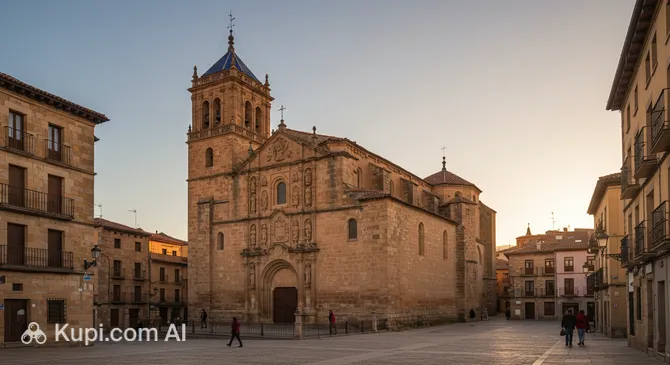
Almonte. Illustration.
Source: Kupi.com AI

The main highlight of Almonte is its unique atmosphere, where deeply rooted traditions are felt in every corner and local holidays turn into a kaleidoscope of bright emotions. The town attracts travelers from all over the world, primarily due to the famous El Rocío pilgrimage—one of the largest and most colorful religious events in Europe. Furthermore, Almonte serves as the gateway to Doñana National Park, a UNESCO World Heritage site offering stunning natural landscapes and the chance to see rare animals. Not far from the town are the beautiful sandy beaches of Matalascañas, ideal for a seaside holiday on the Atlantic coast.

If you want to feel the spirit of real Andalusia and enjoy its nature and culture, Almonte undoubtedly deserves your attention. It is a place where time seems to flow slower, allowing you to savor every moment of your journey.

You can find more interesting facts on the history of Almonte page.

Weather Overview

A typical Mediterranean climate prevails in Almonte. Summers here are hot and very dry, especially in July and August, when average temperatures hover around +27-28°C, and precipitation is practically non-existent. Winters in Almonte, by contrast, are mild and wetter compared to summer, with an average temperature of about +11-13°C and a small number of rainy days.

Overall, Almonte is characterized by warm, dry summers and mild winters with moderate rainfall. To get a more detailed idea of the weather conditions in different seasons and to better plan your trip, you can check out the detailed information about the climate of Almonte.

Average monthly temperature

Average monthly precipitation

Interesting Facts

In addition to its widely known attractions, Almonte holds many fascinating secrets and unique traits that make it a truly special place in Spain. Here are just a few of them:

  • Few people know that Almonte becomes the epicenter of one of the largest religious pilgrimages in Europe — El Rocío. Imagine: hundreds of thousands of people, colorful processions, songs by the bonfires, and a climactic parade with the statue of the Virgin, filled with almost mystical energy.

  • Almonte has a unique neighbor – it is located next to Doñana National Park, which is not just a reserve, but one of the largest in Europe and a UNESCO World Heritage site. It is a true paradise for birdwatchers, where you can find the rarest species of birds among marshes, pine forests, and sand dunes.

  • One of the most amazing features associated with Almonte is the living legend of the El Rocío pilgrimage. Local residents and pilgrims sincerely believe that participating in this event not only brings luck for the whole year but is also capable of granting healing from illnesses.

  • In Almonte, the charming tradition of spontaneous street concerts is still alive. During town festivals, it is common to see locals and guests gathering together, creating improvised musical ensembles where everyone can become part of the general fun, reflecting the region's deep cultural roots.

How to Get There

When planning a trip to this picturesque corner of Andalusia, it's important to think through your route in advance. Since the town itself does not have its own airport or a major railway hub, tourists usually arrive in neighboring provincial centers and then continue their journey by road. You can find out more details on how to get to Almonte by studying all available route options and schedules.

The most convenient way for international travelers to reach Almonte is to fly into Seville Airport (IATA: SVQ). It is located in the city of Seville, approximately 58 km from Almonte. This is a major transport hub receiving many flights from various European countries. A trip from here by taxi or rental car takes about 1 hour. There is also a regular bus service from Seville to the province of Huelva.

Another good option is Jerez Airport (IATA: XRY), located in the city of Jerez de la Frontera, about 70 km from Almonte. This is a less busy airport, but it may be convenient for those planning a trip along the southern coast. The travel time by car will be just over an hour.

For clarity, here is summary information on the main airports located relatively close to the town:

AirportPassenger trafficDistance
Seville Airport8.1 mln58 km
Jerez Airport948 93670 km
Faro Airport9.8 mln132 km
North Front Airport474 000161 km
Tangier Ibn Battouta Airport2.4 mln178 km

If you prefer rail transport, it's worth noting that there is no train station in Almonte itself. The nearest convenient arrival point is Huelva Station, located in the city of Huelva, just 38.5 km from your destination. From here, you can quickly reach Almonte by regional bus or taxi in about 40-50 minutes.

Also, many tourists choose Santa Justa station in Seville. This is the region's largest station, receiving high-speed AVE trains from Madrid and other Spanish cities. It is located about 50 km from Almonte. Upon arrival at this station, you can easily rent a car or transfer to a bus heading towards Doñana National Park and Almonte.

Below is a table with the nearest railway stations that can be used as transit points:

StationPassenger trafficDistance
Huelva Station295 00038 km
Santa Justa Railway Station10.1 mln50 km
Jerez Railway Station1.9 mln73 km
Cádiz Station1.6 mln84 km
Puente Genil Railway Station225 243151 km

Main Attractions

Almonte, snugly located in the Spanish province of Huelva, attracts travelers with its unique combination of deep spirituality, pristine nature, and magnificent beaches. This Andalusian town and its surroundings hold many interesting places worth visiting for everyone who finds themselves in this region.

One of the main gems and symbols of Almonte is undoubtedly the Chapel of El Rocío (Ermita de El Rocío). Located in the colorful village of El Rocío with its unique sandy streets, this chapel serves as the center of one of the largest pilgrimages in the world – the Romería de El Rocío. Every year, hundreds of thousands of believers flock here to honor the Virgin of El Rocío. A visit to this holy place and a walk through the village itself, where horses are still the primary mode of transport, will provide unforgettable impressions and allow you to touch ancient traditions.

For nature lovers, a visit to Doñana National Park (Parque Nacional de Doñana), a significant part of which is located within the municipality of Almonte, is a must. This biosphere reserve, included in the UNESCO World Heritage list, impresses with its variety of landscapes: from endless marshes and mobile dunes to pine forests and lagoons. The park is home to many rare animal and bird species, including the Iberian lynx and the Spanish imperial eagle, making it a true paradise for ecotourists and wildlife photographers.

If your goal is a beach holiday, Almonte offers the magnificent Matalascañas Beach (Playa de Matalascañas). This is a multi-kilometer stretch of golden sand on the Atlantic coast, perfectly suited for family vacations, sunbathing, and water sports. One of the beach's landmarks is the picturesque ruins of the old watchtower Torre la Higuera, which is partially submerged in water. The well-developed beach infrastructure ensures a comfortable stay on the coast.

In the town of Almonte itself, the Parish Church of the Assumption of the Blessed Virgin Mary (Iglesia Parroquial de Nuestra Señora de la Asunción) is worth seeing. This 17th-18th-century building, combining Baroque and Mudejar elements, is an important architectural and historical monument. The church plays a significant role in the town's religious life, closely linked to the cult of the Virgin of El Rocío.

Local Cuisine

The cuisine of Almonte is a true gastronomic journey into the heart of Andalusia, where fresh products and rich flavors are highly valued. Local dishes, based on the gifts of the sea and the fertile land, win you over with their apparent simplicity and incredible aroma. If you want to get to know the true taste of the region, Almonte offers many culinary discoveries.

Be sure to try dishes made from the freshest fish and seafood – for example, fried anchovies or squid. Special attention should be paid to "gaspachuelo" – a light and hearty soup with fish and potatoes that will warm you up and give you strength. Meat delicacies cannot be ignored either: the famous Spanish jamón and various local sausages are served here with crusty bread and fragrant olive oil. It is also worth noting the fresh vegetables, aromatic cheeses, and juicy oranges grown on the nearby plantations.

The food culture in Almonte revolves around socializing and enjoying the moment. Locals and tourists love to gather in tapas bars, where you can try a variety of miniature appetizers – from traditional olives to spicy meatballs. This is a great way to explore the diversity of local cuisine in one evening. Farmers' markets, where you can buy the freshest products, and gastronomic festivals showcasing seasonal delicacies and the secrets of Andalusian recipes are also popular. Street food, especially during festivals, will delight you with fresh churros with chocolate and roasted chestnuts.

Among drinks in Almonte, local wines are popular, which perfectly complement the regional cuisine. On a hot day, a "rebujito" – a popular cocktail based on sherry and lemonade – will refresh you. For dessert, you should definitely try "pestiños" – fried dough drizzled with honey, which is especially common for holidays, or traditional homemade sweets.

Travel Tips

Welcome to Almonte! To make your journey to this picturesque corner of Spain as comfortable and fulfilling as possible, we have prepared some practical tips. They will help you navigate better on the spot and avoid possible difficulties.

  1. Clothing and Essentials: The climate in Almonte is Mediterranean, with hot summers and mild winters.
    • In summer (June-August), take light, breathable clothing, a hat, sunglasses, and sunscreen.
    • In spring and autumn, the weather is changeable, so layered clothing is useful: T-shirts, light sweaters, a jacket.
    • In winter (December-February), a warm jacket, sweater, and trousers are enough. Rain occurs, but not often.
    • Be sure to take comfortable shoes, as you will be walking a lot, especially if you plan to visit Doñana National Park or the village of El Rocío.
    • When visiting churches and the El Rocío Chapel (Ermita del Rocío), modest clothing covering shoulders and knees is recommended.
    • Don't forget an adapter for electrical appliances if your plugs differ from the European standard (Type F).
  2. Transport:
    • In Almonte itself, it's convenient to move around on foot as the town is small.
    • For trips to Doñana National Park or El Rocío, you can use local buses (check the schedule in advance) or taxis.
    • Renting a car can be a good option if you plan to actively explore the province of Huelva and its surroundings. Finding parking in the town center can be difficult, especially during peak season.
    • Taxi apps might not be as common as in large cities, but traditional taxi services are available.
  3. Finances:
    • The local currency is the Euro (€).
    • You can exchange currency at banks or exchange offices, but the rate at banks is usually better.
    • Bank cards (Visa, Mastercard) are accepted in most shops, restaurants, and hotels. However, it's always useful to have some cash on hand for small purchases, markets, or in smaller establishments.
    • ATMs (cajeros automáticos) are widely available.
    • An approximate daily budget (excluding accommodation) can be 50-100€, depending on your plans for food and entertainment.
    • Tipping in Spain is not strictly mandatory but is welcomed if you enjoyed the service. Usually, it's 5-10% of the bill in a restaurant or rounding up the amount in a taxi.
  4. Health and Safety:
    • Pharmacies (farmacias) are marked with a green cross. Generally, there are duty pharmacies open 24/7 (farmacia de guardia) – information about them can be found on the doors of other pharmacies or online.
    • If medical assistance is needed, tourists with a European Health Insurance Card (EHIC) will receive care in public medical institutions. For citizens of other countries, it is recommended to have travel insurance. The emergency number is 112.
    • Almonte is generally a safe town. However, as everywhere, take basic precautions: keep an eye on your belongings in crowded places, especially during major events like the El Rocío pilgrimage.
    • Avoid walking in poorly lit and deserted places alone at night.
  5. Communication:
    • The official language is Spanish. In tourist areas and hotels, staff may speak English, but knowing a few basic phrases in Spanish (e.g., "Hola" – hello, "Gracias" – thank you, "Por favor" – please, "¿Cuánto cuesta?" – how much does it cost?) will be very helpful and appreciated by locals.
    • You can buy a local SIM card at mobile shops or some supermarkets.
    • Wi-Fi is available in most hotels, cafes, and restaurants. Sometimes a password may be required.
  6. Local Etiquette:
    • Greeting: when meeting, it's customary to say "Hola" (hello). More formally – "Buenos días" (good morning/day), "Buenas tardes" (good afternoon/evening), "Buenas noches" (good evening/night).
    • Spaniards are quite open and sociable. Don't be surprised by loud conversations and active gesturing – it's part of the local culture.
    • When visiting churches and religious sites, behave respectfully, do not speak loudly, and do not take photos with a flash if it is prohibited.
    • Siesta (afternoon rest) is still observed in some smaller shops and establishments, especially during the hot season. This is usually from 2:00 PM to 5:00 PM.
  7. What to Avoid:
    • Try not to criticize local traditions, especially those related to the El Rocío pilgrimage, as this is a deeply revered event for the region's inhabitants.
    • Don't compare Spanish cuisine or customs with other countries in a negative way – it may be perceived as disrespectful.
  8. Additional Tip:
    • If your trip coincides with the Romería de El Rocío celebration (usually in late May or early June), be prepared for a huge influx of pilgrims and tourists. Book accommodation and transport in advance. This is a unique and colorful event, but it requires careful planning.
    • When visiting Doñana National Park, be sure to follow the park rules, do not leave trash, and respect the wildlife. Find out in advance about visiting possibilities and available routes, as some zones may be closed or require special permission.

We hope these tips help you better prepare for your trip and get the most out of your stay in Almonte. We wish you unforgettable impressions and bright discoveries in this amazing corner of Andalusia!

Entertainment & Nightlife

Almonte, a charming Andalusian town, offers its guests a peaceful and authentic atmosphere for evening relaxation. Here, nightlife is not so much about loud discos as it is about the opportunity to enjoy conversation, delicious food, and local drinks in a cozy setting characteristic of southern Spain.

Evening entertainment in Almonte centers around traditional tapas bars and restaurants, where you can sample local cuisine. For example, you can visit the "El Rincón Andaluz" tapas bar for authentic appetizers or enjoy dinner at "Mesón La Abuela," a restaurant serving Andalusian cuisine. Many establishments offer outdoor seating, especially during the warmer months, creating perfect conditions for a leisurely dinner or a glass of wine. While there may be few large nightclubs, it is quite possible to find bars with pleasant music where both locals and tourists gather.

Main evening activity usually concentrates on the central streets and town squares, for example, near the main church or the town hall. This is where many popular bars and restaurants are located, where life hums until late in the evening, especially on weekends.

The atmosphere in Almonte's establishments is generally relaxed and friendly. The crowd is mixed—from families dining in restaurants to groups of friends enjoying drinks in bars. Most places start to fill up closer to 9:00 PM or 10:00 PM, as dinner in Spain is traditionally late. There is usually no specific dress code; a comfortable casual style is welcome.

For an evening out, it is best to aim for a time after 8:00 PM. Prices in Almonte's bars and restaurants are generally affordable, especially compared to large tourist centers. Getting around the town center is most convenient on foot. If your accommodation is on the outskirts, you can use a local taxi service; it is recommended to book a car in advance or through your hotel.

Almonte is considered a safe town for evening and night walks, especially in the central areas. Nevertheless, it's always worth taking usual precautions: keep an eye on your personal belongings and avoid poorly lit, deserted areas late at night. You can call a taxi by phone through local services or ask the staff at the establishment where you are relaxing to do it for you.

In Almonte, you will find a variety of places for evening relaxation, even if the town is not famous for the huge nightclubs typical of megacities. Pay attention to local bars serving famous Andalusian tapas—you might enjoy the atmosphere at "Taberna Rociera"—or cozy restaurants with traditional cuisine. Often, it is in these small, authentic places that you can best feel the town's atmosphere. For example, you could spend the evening in a traditional bodega or a café in the central square, enjoying the local color.

During the day, Almonte also offers interesting leisure options. You can visit local churches, such as the Church of Nuestra Señora de la Asunción, stroll through its picturesque streets, or go on an excursion to the famous Doñana National Park, located nearby. Cultural events or festivals may take place in the town, especially those related to local traditions like the El Rocío pilgrimage, so it's worth checking the program during your trip.

Parks & Museums

Almonte and its surroundings offer tourists more than just sightseeing; it's a true immersion into the world of nature and culture. Here, you can explore the unique ecosystems of a world-famous park and touch living history in original settlements and temples, viewing them through the lens of museum and park value.

For nature lovers, Almonte serves as a convenient starting point for visiting several information and tourist centers of Doñana National Park. For example, the "El Acebuche" visitor center offers not only maps and general information but also equipped walking trails passing through various park ecosystems, as well as the chance to visit enclosures where Iberian lynxes are kept as part of a recovery program. Another significant center, "La Rocina", located by the stream of the same name, is a wonderful place for observing waterfowl and forest birds; trails are laid out here, and observation points are installed. Visiting these centers allows for a deeper understanding of Doñana's biodiversity and conservation efforts, as well as choosing a suitable route for independent exploration or joining an organized tour.

The village of El Rocío, administratively belonging to the municipality of Almonte, is itself a unique ethnographic complex that can be compared to an open-air museum. In addition to the famous Ermita de Nuestra Señora del Rocío, the houses of various brotherhoods (hermandades) with their characteristic architecture designed to receive pilgrims, as well as the sandy streets traditionally traveled on horseback, are of great interest. Small exhibition spaces or interpretation centers dedicated to the history of the Romería de El Rocío pilgrimage, local traditions, and the nature of the surrounding marshes may operate in the village. Even a simple walk through El Rocío allows you to feel the unique spirit of this place and learn a lot about Andalusian culture.

In the town of Almonte itself, a key site representing historical and museum value is the Parish Church of Nuestra Señora de la Asunción. This building, an important architectural monument, preserves elements from various eras, ancient altarpieces (retablos), and works of religious art. Exploring the church's interior allows you to trace the stages of its development and better understand the town's history. Although Almonte may not boast a large number of classical museums, such significant structures fulfill the role of cultural heritage guardians.

If you are looking for smaller but cozy green spots for relaxation directly in Almonte, look for small squares or plazas where you can rest in the shade of trees. The town's surroundings also offer opportunities for hiking or cycling along trails running through pine groves and agricultural lands, allowing for a closer look at the landscapes and daily life of the region. Visiting the local market can also be an interesting experience, providing an idea of the products and crafts of this part of Spain.

Getting Around

Getting around Almonte and its surroundings can be done in several ways, although given the town's size, many of its corners are easily accessible on foot. Public transport here is primarily focused on bus services, both intra-city and inter-city.

The main form of public transport in Almonte is buses. They connect different areas of the town and also provide links to nearby settlements, including important tourist destinations like the village of El Rocío and Doñana National Park. There are also routes to larger cities, such as Huelva or Seville. It is recommended to check schedules in advance as they can change, especially depending on the season or day of the week.

The fare payment system on buses is quite simple. Generally, tickets for local routes can be purchased directly from the driver when boarding, usually with cash. For inter-city trips, tickets may be sold at the bus station (if one exists and serves that route) or online on the websites of the respective transport companies. Fares vary depending on the distance but remain generally affordable.

Tourists should note that bus stops in Almonte are marked, but schedule information may not always be complete. It's best to check the current schedule at a local tourist information center or with the drivers. Public transport operating hours, especially in the evening and on weekends, may be limited, so plan your trips in advance.

Among the alternative ways to travel around Almonte and its surroundings, taxis are popular. They can be found at special stands or called by phone. For more independent exploration of the region, including the vast territories of Doñana National Park, many tourists prefer to rent a car. This provides freedom of movement and allows you to reach remote areas. In the town itself, due to its compactness, walking is a pleasant and convenient way to see local attractions. Bicycle rental may be limited and is more likely offered by private initiatives or hotels rather than a centralized city system.

Accommodation

When planning a trip to Almonte, you can choose from a variety of accommodation options to suit different preferences and budgets. The town and its surroundings offer both traditional hotels and more authentic options, such as cozy guest houses (casas rurales) and self-catering apartments. This allows tourists to find the perfect place to stay, whether for a short stopover or a longer stay to explore the region.

When choosing a place to stay in Almonte, you should pay attention to several key areas. The central part of town is convenient for those who want to be close to local shops, restaurants, and historical streets. If your trip involves visiting the famous village of El Rocío or Doñana National Park, consider accommodation options in the immediate vicinity of these iconic locations. Many guest houses and hotels in the surrounding area offer a special atmosphere that immerses you in the culture and nature of Andalusia.

To ensure you have the best choice, especially if your trip coincides with popular dates such as the Romería de El Rocío pilgrimage or the peak tourist season, it is recommended to book your accommodation in advance. The price range varies from budget options to mid-range and higher-end offerings. Most hotels and apartments can be easily booked through popular online platforms or by contacting the management of your chosen accommodation directly.

Nearby Cities

For those who want to explore the surrounding area, Almonte serves as an excellent starting point for day trips to several interesting nearby locations:

CityPopulationDistance
Bollullos par del Condado14 3929 km
La Palma del Condado10 78714 km
Pilas13 96420 km
Moguer22 64328 km
San Juan del Puerto9 53230 km

Each of these cities offers something unique for the curious traveler:

Huelva, the capital of the province of the same name, attracts visitors with its rich history related to seafaring and the discoveries of Christopher Columbus. The city offers interesting museums, such as the Museum of Huelva, and the picturesque Odiel riverfront, and it also serves as a gateway to the beautiful beaches of the Costa de la Luz.

The small but historically significant town of Moguer is closely linked to Columbus's first voyage to America; here you can visit the Santa Clara Monastery and the house-museum of Nobel laureate Juan Ramón Jiménez. Its narrow streets and Andalusian architecture create a charming atmosphere for leisurely strolls.

Located on the banks of the Guadalquivir River, Coria del Río is known for its unique connection to Japan, as descendants of the first Japanese diplomatic mission to Spain in the 17th century settled here. This gives the town a special flavor that can be felt while walking through its streets or visiting local restaurants.

These nearby destinations provide an insight into the diverse culture and landscapes of the region of Spain. Each of these cities possesses its own unique charm and offers interesting opportunities for short trips from Almonte.

Shopping & Souvenirs

Shopping in Almonte is more of an immersion into local flavor than a chase after global brands. The town is not famous for huge shopping centers, but here you can find authentic goods and souvenirs reflecting the spirit of Andalusia and the province of Huelva. The main focus should be on small family-owned shops and boutiques selling local crafts and traditional products.

The main shopping spots are concentrated in the central part of Almonte, especially on the streets adjacent to the main squares and the church. Here you will find clothing, footwear, and accessory stores, as well as grocery shops. A stroll through these streets is a pleasure in itself, allowing you to feel the unhurried rhythm of local life.

There are no large shopping malls in Almonte itself. For a wider selection of famous brand stores and large shopping complexes, you should head to the provincial capital, Huelva, or larger Andalusian cities like Seville.

In Almonte, a municipal market (Mercado de Abastos) may be in operation, where locals buy fresh fruit, vegetables, meat, fish, and seafood. Such markets are a great place to experience auténtico (authentic) Spanish life and perhaps purchase some local delicacies. Sometimes weekly street markets are also held in the town, offering clothes, shoes, and various small items.

As souvenirs from Almonte and its surroundings, it is worth bringing back:

  • Items related to the El Rocío pilgrimage: religious paraphernalia, traditional pilgrim clothing, equestrian accessories.
  • Local gastronomic products: olive oil, wines from the Condado de Huelva region, Iberian jamón, cheeses.
  • Handmade ceramics with Andalusian patterns.
  • Leather goods.

Pay special attention to goods related to the unique Doñana Nature Reserve, if you find any.

Shops in Almonte, as in many cities in Spain, usually operate from the morning (around 9:00-10:00) until lunch (1:30-2:00 PM), followed by a siesta – a long break. In the evening, shops reopen around 5:00-5:30 PM and stay open until 8:00-9:00 PM. On Saturdays, many shops only work in the morning, and on Sundays, most are closed, except for some souvenir shops or stores in tourist areas during peak season. Bank cards are accepted in most places, but for small purchases, especially at markets, it's better to have cash with you.

Tourists from non-European Union countries can use the Tax Free system when making purchases over a certain amount in participating stores. This allows for a partial VAT refund. Don't forget to ask the shop for a special Tax Free check and present it along with your purchases at customs when leaving the EU.

Nearby cities

Reached the end of the page?

That means the route is fully explored