Support

Nuwara Eliya

About

Nuwara Eliya is a true emerald in the heart of Sri Lanka, a charming city nestled at an altitude of almost 1,900 meters above sea level at the foot of Mount Pidurutalagala, the highest point on the island. Surrounded by emerald tea plantations, misty hills, and picturesque waterfalls, this city is often called "Little England" due to its cool, refreshing climate reminiscent of a British spring and the morning mists that envelop its streets.
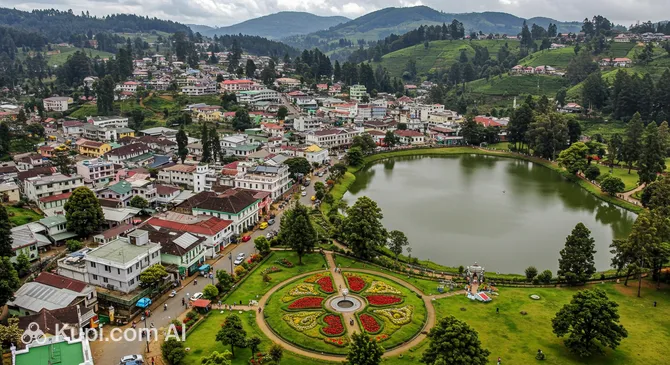
Nuwara Eliya. Illustration.
Source: Kupi.com AI

With a population of about 27,500 people, Nuwara Eliya maintains the atmosphere of an intimate and incredibly cozy place where every corner breathes its colonial past. Old Victorian-style mansions, well-kept gardens, and even a historic golf club founded by the British back in the 19th century are perfectly preserved here. The city serves as the administrative center of the district of the same name and is famous for its unique mountain climate, which becomes a real salvation for travelers seeking coolness after the hot coast.

Nuwara Eliya is worth visiting for its mesmerizing landscapes, world-famous tea plantations where you can taste the best Ceylon tea, and its unique, almost fairytale-like atmosphere. Strolling through neat alleys, enjoying mountain views, and getting to know the colonial heritage will make you feel as if you have stepped onto the pages of an English novel. Furthermore, Nuwara Eliya serves as an excellent starting point for exploring the Central Highlands of Sri Lanka and its national parks. This city will undoubtedly leave the warmest and brightest impressions in your memory.

You can find more interesting facts on the history of Nuwara Eliya page.
Weather Overview

The weather in Nuwara Eliya is characterized by moderate coolness and high humidity year-round, which sets it apart from most other regions of Sri Lanka. Average annual temperatures fluctuate in a comfortable range: from minimum night values of about 16-18°C (for example, 16.4°C in January) to maximum daytime values reaching 23-26°C (for example, 25.9°C in April). Precipitation is a frequent occurrence here, with peaks in May (10 mm, 29 rainy days), October (14 mm, 29 rainy days), and November (15 mm, 26 rainy days). Even in relatively "drier" months like February or March (4 mm of precipitation each), rain is not uncommon, and the number of days with precipitation remains significant (16-17 days). To better plan your trip, we recommend checking out the detailed information: Climate of Nuwara Eliya.

Average monthly temperature

Average monthly precipitation

Interesting Facts

Nuwara Eliya, the charming "Little England" of Sri Lanka, is known for its emerald tea plantations and refreshing coolness. But behind this facade lies many amazing stories and little-known facts. Let's lift the veil of mystery of this high-mountain town!

Seetha Amman Temple. Illustration.
Source: Kupi.com AI

Traveler photos:

  • Not Just "Little England": Although Nuwara Eliya was founded by the British in the 19th century as a mountain resort to escape the coastal heat, the city preserved more than just architecture. You can still find classic red telephone booths here, and the Nuwara Eliya Golf Club, founded in 1889, is one of the oldest in Asia and still attracts fans of this aristocratic sport.

  • Sacred Traces of an Ancient Epic: It is believed that in the vicinity of Nuwara Eliya, where the Seetha Amman Temple is now located, the goddess Seetha was hidden by King Ravana according to the Hindu epic "Ramayana." This pilgrimage site, according to legends, preserves the footprints of legendary events.

  • April Floral Splendor: Every April, Nuwara Eliya transforms into the capital of a grand Flower Festival. During this time, the famous Victoria Park and other parts of the city are bursting with the vibrant colors and scents of thousands of flowers, creating a truly magical atmosphere for residents and guests.

  • A Message from the Past: The Nuwara Eliya Post Office building, built in 1894 in a characteristic Tudor style, is not just a beautiful historical structure but also one of the oldest functioning post offices in Sri Lanka. Sending a postcard from here is like receiving a message from the colonial era.

How to Get There

When planning a trip to the "Little England" of Sri Lanka, it is important to think about your route in advance, as the city is located in the highlands. You can find out more about how to get to Nuwara Eliya on a dedicated page, and below we will look at the main options.

Most tourists start their journey by arriving at the country's main aviation hub. There is no airport in the city of Nuwara Eliya itself, but you can fly into Bandaranaike International Airport (CMB) in Colombo, which is located about 103 km from the resort. This is the island's largest airport, handling international flights. It is important to consider that due to the mountain terrain and winding roads, the journey by taxi or transfer from here will take about 5–6 hours, despite the relatively short distance.

If you prefer to save time and enjoy the views from above, you can use sea plane services (air taxi). The nearest landing point is the Castlereigh Water Aerodrome (NUF), located in the town of Hatton, just 25 km from Nuwara Eliya. This is an excellent alternative to a long overland journey: the car trip from the landing site to the city center takes about 1 hour.

For convenience, here is a summary of the main airports:

AirportPassenger trafficDistance
Castlereigh Reservoir Waterdrome4 00025 km
Polgolla Reservoir Airport3 00045 km
Mattala Rajapaksa International Airport91 74782 km
Kotte (Diyawanna Oya SPB)2 00097 km
Bandaranaike International Airport8.8 mln103 km

In addition to flights, the railway is an incredibly popular way to reach the resort. Although there is no station in Nuwara Eliya itself, the nearest station, Nanu Oya, is just a few kilometers from the city. The train ride from Colombo or Kandy is considered one of the most scenic in the world: the train slowly makes its way through misty tea plantations and past waterfalls. From Nanu Oya station to the city center, you can easily get there by tuk-tuk or taxi in 15–20 minutes.

Main Attractions

Nuwara Eliya, often called the "Little England" of Sri Lanka, attracts travelers with its unique atmosphere, cool climate, and many interesting places. Here, everyone will find something for themselves, from picturesque parks to ancient temples and breathtaking viewpoints.

One of the city's most iconic spots is Gregory Park. This large lake, created at the end of the 19th century by order of the British Governor Sir William Gregory, serves today as a popular recreation area. Visitors can enjoy boat or catamaran rides, have a picnic on the well-kept lawns, go horseback riding, or simply relax while admiring the scenic views and breathing in the fresh mountain air.

Gregory Park. Illustration.
Source: Kupi.com AI

Traveler photos:

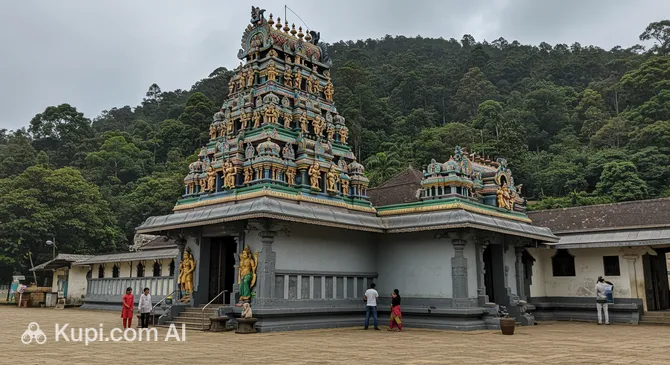
For those interested in culture and history, a visit to the Seetha Amman Temple is a must. This colorful Hindu temple is inextricably linked to the ancient epic "Ramayana." According to legend, this is where the goddess Seetha was held captive by King Ravana. The temple is an important pilgrimage site and attracts visitors with its unique architecture, bright statues of deities, and calm, spiritual atmosphere.

Seetha Amman Temple. Illustration.
Source: Kupi.com AI

Traveler photos:

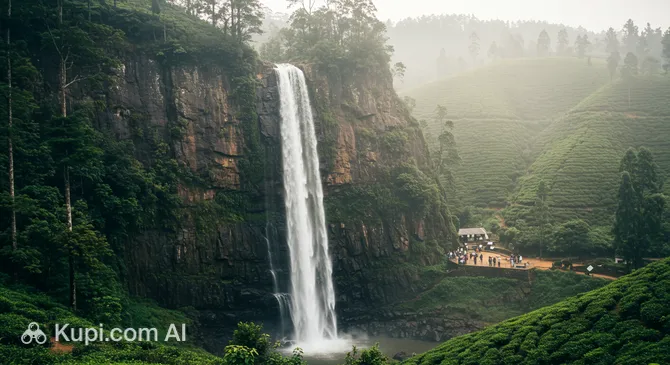
Nature lovers should head to the Lover's Leap Waterfall. This picturesque waterfall, about 30 meters high, got its name from a local legend about a tragic love story. It is situated among lush tea plantations and offers beautiful views, as well as an opportunity for a secluded walk and taking stunning photos.

Lover's Leap Waterfall. Illustration.
Source: Kupi.com AI

Traveler photos:

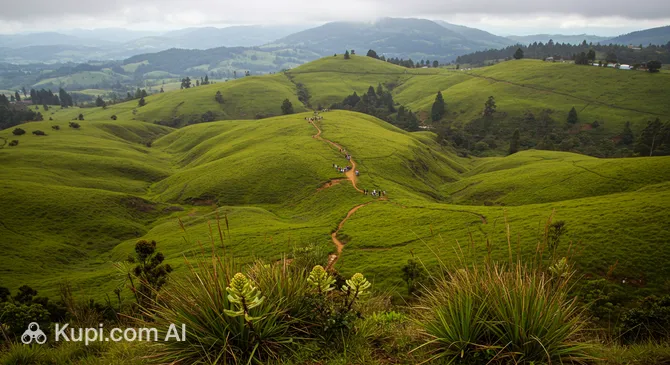
To enjoy panoramic views of the surrounding mountains and valleys, visit the Moon Plains. This vast plateau, previously used for agriculture, has been transformed into a popular viewpoint. From here, a breathtaking 360-degree view opens up, and on a clear day, you can see several of Sri Lanka's highest peaks. This spot is especially popular for watching sunrises and sunsets.

Moon Plains. Illustration.
Source: Kupi.com AI

Traveler photos:

Local Cuisine

The gastronomy of Nuwara Eliya is an amazing blend of British colonial traditions and vibrant Sinhalese flavors. The city's calling card is certainly the famous Ceylon tea. It is customary here to drink it with homemade pastries: fluffy buns, fragrant tropical fruit jams, and fresh butter, immersing yourself in the atmosphere of cozy English tea rooms. This is a true ritual that should not be missed while in the "Little England" of Sri Lanka.

Thanks to its cool mountain climate, Nuwara Eliya is famous for its fresh vegetables and herbs, which are grown right on the terraces. Be sure to try the local strawberries, often served with cream and sold right on the streets – they are a real treat! The region is also known for trout farming in mountain rivers, so fresh fish dishes are often found on the menus of local establishments. Among drinks, in addition to tea, fresh-pressed local fruit juices are popular, and among alcoholic beverages – local beer and arrack (coconut spirit).

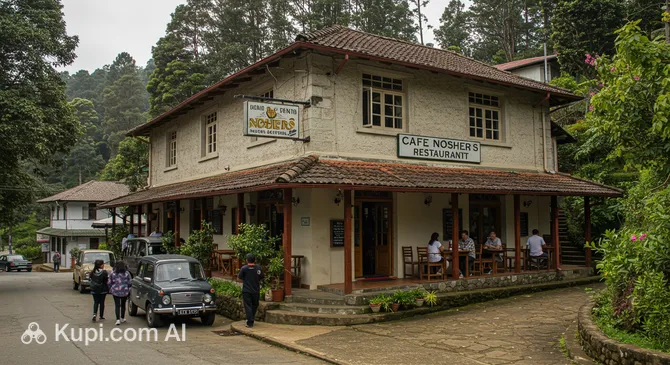
Beyond the European influence, traditional Sinhalese cuisine is also widely represented. Tourists and locals alike enjoy eating rice and curry in various forms – this is the staple dish, which can include several types of curry (meat, fish, vegetable) and is served with rice. Also popular are crispy samosas (stuffed pastries), roti flatbreads, and aromatic savory soups. You can find these dishes in restaurants, such as Cafe Noshers, as well as in numerous street cafes and busy markets, where fresh fruits and spices are also sold. Locals often prefer small family establishments or street food for its authenticity and affordability.

Cafe Noshers. Illustration.
Source: Kupi.com AI

Traveler photos:

The gastronomic scene of Nuwara Eliya is a unique mix where English tea culture harmoniously coexists with authentic local dishes, offering tourists both familiar European treats and the exotic flavors of Sri Lanka. A special atmosphere can be found in April during the Sinhalese New Year celebrations, when the city is filled with fairs offering festive treats and traditional delicacies.

Travel Tips

Welcome to Nuwara Eliya, a charming corner of Sri Lanka known as "Little England"! To make your trip to this picturesque mountain city as comfortable and memorable as possible, we have prepared some practical tips.

  1. Clothing and Essentials:

    Nuwara Eliya is located in the mountains, so it is cooler here than on the coast of Sri Lanka. During the day it can be sunny and warm, but evenings and nights are quite cold. Bring layered clothing: t-shirts, a fleece, a light jacket or windbreaker, and definitely a raincoat, as rain is common here. Don't forget comfortable closed-toed shoes for walking through tea plantations and the city, sunscreen (the mountain sun is strong!), a hat, and a universal power adapter (Sri Lanka uses types D, G, and M). When visiting temples, clothing covering the shoulders and knees is required.

  2. Transport in the City and Surroundings:

    The center of Nuwara Eliya is quite compact and can be explored on foot. For longer distances, such as to tea plantations or waterfalls, the most popular transport is tuk-tuks. Always agree on the fare in advance. You can also use local buses – they are the most budget-friendly, though not always the most comfortable option. Renting a car with a driver can be a good solution for exploring the region, as driving yourself on mountain roads with left-hand traffic requires experience. Taxi apps like PickMe may have limited coverage in this area.

  3. Finances: Currency, Cards, and Tipping:

    The local currency is the Sri Lankan Rupee (LKR). You can exchange money at banks or official exchange offices in the city; the rate at the airport may be less favorable. Credit and debit cards are accepted in most hotels, large restaurants, and some shops, but cash will definitely be needed for paying for tuk-tuks and making purchases at markets and small stalls. There are ATMs in the city. Tipping is not strictly mandatory but is welcomed: about 10% in restaurants if service is not included in the bill, and small amounts for drivers and guides as a token of appreciation.

  4. Health and Safety:

    Nuwara Eliya is considered a fairly safe city for tourists. Nevertheless, follow standard precautions: keep an eye on your belongings, especially in crowded places, and avoid walking alone on unlit streets late at night. It is recommended to drink only bottled water. There are pharmacies in the city, but it's better to carry a basic first-aid kit. Be sure to get travel medical insurance before your trip. If necessary, you can visit local government or private clinics.

  5. Communication and Internet:

    The official languages in Sri Lanka are Sinhalese and Tamil. In the tourism sector, especially in hotels and restaurants in Nuwara Eliya, many people speak English. Learning a few simple phrases in Sinhalese, such as "Ayubowan" (traditional greeting) or "Stutiyi" (thank you), will be a pleasant gesture. A local SIM card with internet access can be purchased at the airport or at mobile shops in the city. Wi-Fi is available in most hotels and some cafes, but speeds can vary.

  6. Local Etiquette and Customs:

    Sri Lankans are very friendly and hospitable. Show respect for local traditions and culture. It is customary to remove shoes and hats when entering temples and private homes. If you want to take photos of local residents, always ask for permission. When communicating, try to be polite and smiling. The traditional greeting "Ayubowan" is accompanied by a slight bow with palms folded at chest level.

  7. What to Avoid:

    Try not to publicly criticize local customs, religion, or political situations. It is also not recommended to drink tap water. Avoid feeding wild monkeys that may be encountered in the surroundings, as this can make them aggressive and dependent on handouts.

  8. Special Tip for Nuwara Eliya:

    To fully enjoy the famous tea plantation landscapes, such as Horton Plains or the tea estates around the city, try to go on excursions early in the morning. Usually, the weather is clear at this time, whereas in the afternoon, mist often rolls in, which can hide all the beauty. And of course, don't miss the opportunity to visit one of the many tea factories to learn about the tea-making process and taste the freshest Ceylon brew.

We hope these tips help you better prepare for your trip and get the most out of your stay in amazing Nuwara Eliya. We wish you an unforgettable journey!

Entertainment & Nightlife

Nuwara Eliya, known as the "Little England" of Sri Lanka, charms visitors with its colonial architecture and cool climate. While the city is not famous for a boisterous nightlife like major metropolises, you can still find pleasant places for evening relaxation.

Most evening activity in Nuwara Eliya is concentrated around hotel restaurants and bars. The city goes to sleep quite early, so do not expect noisy clubs operating until dawn. Instead, you will find cozy establishments where you can enjoy dinner, a cup of famous Ceylon tea, or something stronger in a quiet setting. Many restaurants offer both local and international cuisine. The atmosphere is usually relaxed and conducive to conversation. The dress code is generally casual, though a more elegant style might be appropriate in some high-end hotel restaurants. As for prices, they vary: you can find budget options in local cafes as well as moderately to highly priced restaurants at hotels, comparable to average tourist prices in Sri Lanka.

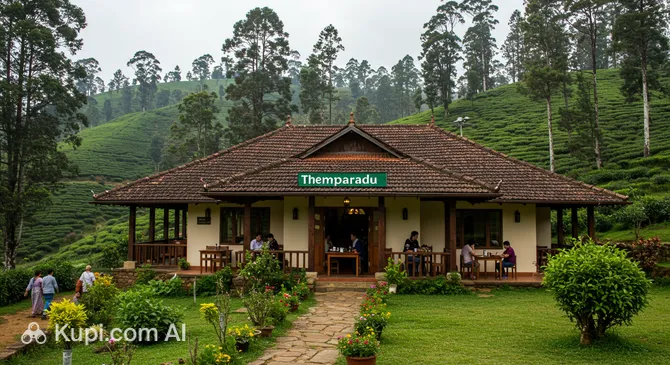
Among the places where you can spend an evening, several restaurants offer a pleasant atmosphere. For example, you might consider Themparadu for dinner or stop by Cafe Noshers. Some hotels, such as the Queenswood Restaurant, may also have their own bars or lounge areas open to visitors. The best time to visit is early evening, as many establishments close around 10:00 PM - 11:00 PM.

Themparadu. Illustration.
Source: Kupi.com AI

Traveler photos:

Regarding practical tips, it is best to get around the city in the evening and at night by taxi or tuk-tuk. It is recommended to agree on the fare in advance. Nuwara Eliya is generally considered a safe city; however, as with anywhere, standard precautions should be taken, especially after dark. Avoid poorly lit and deserted streets.

During the day, Nuwara Eliya offers plenty of entertainment. You can stroll through the picturesque Gregory Park, enjoy the beauty of Victoria Park, or visit famous tea plantations. Nature enthusiasts will appreciate the Lover's Leap Waterfall or Galway's Land National Park. Although the city lacks large theaters or world-class museums, its charm lies in its natural beauty and colonial heritage.

Parks & Museums

Nuwara Eliya, known as the "Little England" of Sri Lanka, charms not only with its tea plantations and cool climate but also with an abundance of picturesque parks and cultural attractions. The city offers guests the chance to immerse themselves in the atmosphere of colonial heritage and enjoy the beauty of well-kept green areas.

One of the most famous places for a stroll is Victoria Park. Established in honor of Queen Victoria's Diamond Jubilee, this beautifully maintained park is famous for its flower beds, rare species of trees, and birds. It is an ideal place for a leisurely walk, a picnic, or simply relaxing in the fresh air. The park is especially beautiful during the flowering period, usually from March to May and from August to September.

Another popular spot is Gregory Park, located around the lake of the same name. Here you can go boating or use water bikes, take a horse ride, or simply enjoy the scenic views of the surrounding hills. The park often becomes a venue for various events and festivals, attracting both tourists and locals.

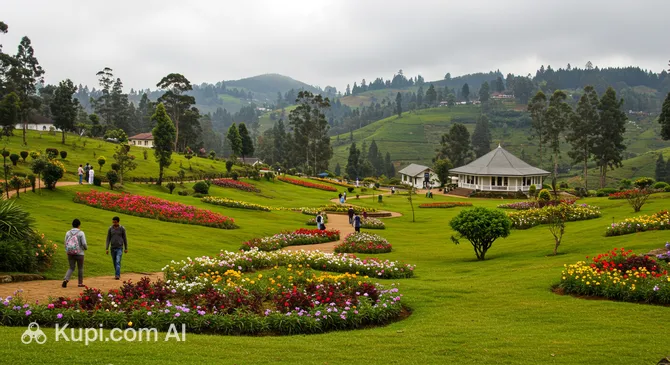
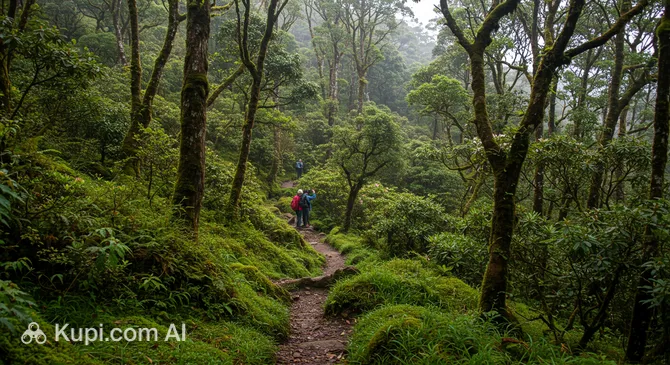
For wildlife lovers, a visit to Galway's Land National Park is a must. This small but very picturesque forest area is home to many endemic species of birds and plants. A walk along its trails will allow you to enjoy the silence and observe the feathered inhabitants in their natural environment.

Galway's Land National Park. Illustration.
Source: Kupi.com AI

Traveler photos:

While Nuwara Eliya may not have large museum complexes in the traditional sense, its cultural heritage is vividly represented in its architecture and religious sites. One such significant place is the Seetha Amman Temple, dedicated to Seetha, the heroine of the Hindu epic "Ramayana." It is believed that this is where Seetha was held captive. The temple attracts pilgrims and tourists with its colorful architecture and associated legends.

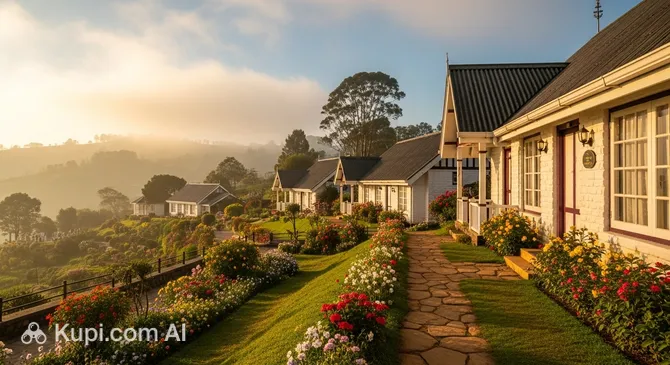
The city's architectural heritage is an open-air museum in itself. Walking through Nuwara Eliya, you will see many colonial-style buildings, such as old hotels, a red-roofed post office, and the charming Little England Cottages. Many of these buildings have retained their original appearance and convey the atmosphere of a bygone era.

Little England Cottages. Illustration.
Source: Kupi.com AI

Traveler photos:

Nuwara Eliya's natural beauty is not limited to its parks. Not far from the city is the picturesque Lover's Leap Waterfall, steeped in romantic legends. It is also worth visiting the Moon Plains, which offer breathtaking panoramic views of the surrounding mountains and valleys, especially at sunrise.

Moon Plains. Illustration.
Source: Kupi.com AI

Traveler photos:

For an authentic experience, take a walk through one of the many tea plantations surrounding the city to learn more about the production process of the famous Ceylon tea and enjoy its aroma. Also, stop by the local market, where you can buy fresh fruits, vegetables, and souvenirs, experiencing the flavor of local life.

Getting Around

Nuwara Eliya is a charming town located in a mountainous area, and the public transport system here matches its size and terrain. You can move around the city and its picturesque surroundings in several ways, each with its own characteristics.

The main form of public transport in Nuwara Eliya is the bus. This is the most economical way to get around. Both state-owned (usually red) and private buses exist. They run on major routes within the city and also connect Nuwara Eliya with neighboring towns and tea plantations. Fares are paid in cash directly to the conductor on the bus. Ticket prices are low, but it is recommended to carry small bills. Buses run quite frequently during the day, though there may not be a fixed schedule and they can be crowded, especially during peak hours.

For shorter trips around the city or to reach a specific attraction, tuk-tuks (three-wheeled motorized rickshaws) are very popular. They offer more flexibility and speed compared to buses. It is extremely important to agree on the fare with the driver before starting the journey, as most tuk-tuks are not equipped with meters. The price can depend on the distance, the time of day, and your bargaining skills.

Alternatively, you can use taxi services, which are standard passenger cars. Taxis are convenient for longer trips, transfers, or if you are traveling with luggage. As with tuk-tuks, the price should be negotiated in advance. Scooter rentals are also possible but require confident driving skills given the mountain roads and local traffic style.

It is important to know that there is no railway station directly in Nuwara Eliya. The nearest station, Nanu Oya, is located about 8-10 kilometers from the city. This is a key transport hub for those arriving in the region on the famous highland train. From Nanu Oya station to Nuwara Eliya, you can easily get there by bus (the cheapest option) or by tuk-tuk.

The central part of Nuwara Eliya is quite compact, and many popular places, such as Victoria Park, Lake Gregory, or the colonial-style post office, can be explored on foot. This will allow you to enjoy the fresh mountain air and the unique atmosphere of "Little England."

Public transport mostly functions actively during daylight hours. In the evening, the number of bus trips decreases, and the cost of tuk-tuk services may increase. Cash will be required for fares almost everywhere, so it is worth making sure you have small bills in advance.

Accommodation

Nuwara Eliya, known as the "Little England" of Sri Lanka, offers tourists a wide variety of accommodation options for every taste and budget. Here you can find cozy guesthouses and budget hotels as well as mid-range hotels, colonial bungalows, and more luxurious resort complexes. Many options offer breathtaking views of the tea plantations and mountains.

For the convenience of tourists, popular areas to stay include the vicinity of Lake Gregory, where many hotels are concentrated and scenic views open up, as well as the city center, which provides easy access to major shops, restaurants, and Victoria Park. Some prefer to stay in more secluded locations on the hillsides to enjoy the silence and nature.

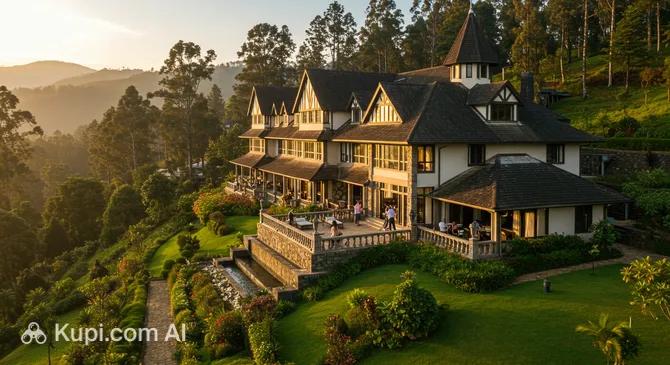
Araliya Green City. Illustration.
Source: Kupi.com AI

Traveler photos:

Among the well-known hotels, one can note, for example, Araliya Green City, which offers modern amenities, or the Queenswood Restaurant, which also provides accommodation and is known for its atmosphere. The choice of a specific place depends on your preferences and budget.

The price range varies from budget options to luxury offers. It is recommended to book accommodation in Nuwara Eliya in advance, especially if your trip coincides with the peak tourist season (usually from December to April) or local holidays. The most common booking methods are popular online platforms and, in some cases, direct booking through hotel websites.

Nearby Cities

For those who want to explore the surrounding area, Nuwara Eliya serves as an excellent starting point for day trips to several interesting nearby places:

CityPopulationDistance
Hatton15 07322 km
Kotmale107 52323 km
Badulla42 92330 km
Gampola37 87134 km
Kandy161 00041 km

These nearby destinations provide a glimpse into the diverse culture and landscapes of the region.

Shopping & Souvenirs

Nuwara Eliya, known as the "Little England" of Sri Lanka, offers a rather specific shopping experience, focused primarily on its main pride – tea. Here you will find numerous tea shops offering the best varieties of Ceylon tea straight from the plantations. Additionally, due to the cool climate, you can find shops in the city with warm clothing, which is atypical for the rest of the island. Overall, shopping in Nuwara Eliya is more about searching for authentic local products and souvenirs than hunting for brands.

Main commercial life in Nuwara Eliya is concentrated in the city center, along the main New Bazaar Street and its adjacent side streets. Numerous small shops, souvenir stalls, clothing stores, and, of course, tea boutiques are located here. Strolling through these streets will allow you to immerse yourself in the local atmosphere and find interesting goods.

There are no large modern shopping malls in the usual sense in Nuwara Eliya. Instead, you will find several department stores and larger shops offering a variety of goods – from clothing and footwear to food and household items. One such place where you can find diverse products is the area around the central market.

The Nuwara Eliya Central Market is a colorful place where you can feel the true spirit of the city. They sell fresh fruits and vegetables grown in the highlands, fragrant spices, flowers, as well as inexpensive clothing and souvenirs. It is a great place to buy fresh products and observe the daily life of local residents. The market is usually busy, especially in the mornings.

The main souvenir from Nuwara Eliya is, without a doubt, Ceylon tea. Choose tea in specialized shops at tea factories or in city shops; the selection is huge – from black and green to white and flavored. Also popular are wooden items, batik, masks, spices, and Ayurvedic products. Due to the cool climate, you can purchase high-quality woolen items, shawls, and locally produced sweaters here.

Most shops in Nuwara Eliya are open from approximately 9:00-10:00 AM to 6:00-7:00 PM. Some smaller stalls may close earlier or work on a flexible schedule. Markets usually start operating early in the morning. As for payment, cash (Sri Lankan rupees) is preferred in small shops and at markets. In larger stores, hotels, and some tea boutiques, bank cards are accepted.

The possibility of a tax refund (Tax Free) in Sri Lanka exists for tourists when leaving the country for certain goods purchased in participating stores. However, in small towns like Nuwara Eliya, finding stores that offer Tax Free paperwork can be difficult. Usually, this service is more common in large shopping centers in Colombo and in airport shops. If you are planning major purchases, check the possibility of Tax Free directly with the seller.

Reached the end of the page?

That means the route is fully explored