Support

Tissamaharama

About

Tissamaharama is a city where antiquity intertwines with picturesque nature, creating a unique atmosphere of peace and harmony. Located in the south of the island, this cozy corner often becomes a starting point for travelers wishing to explore the real Sri Lanka. Here, among green rice fields, dense forests, and calm lakes, time seems to slow down, allowing you to enjoy every moment.

With a population of about 80,000, Tissamaharama is the administrative center of the Hambantota district, yet it retains the charm of provincial comfort. The city is located in close proximity to one of the country's most famous sanctuaries — Yala National Park. This makes it an ideal place for wildlife lovers dreaming of seeing elephants and leopards in their natural habitat.
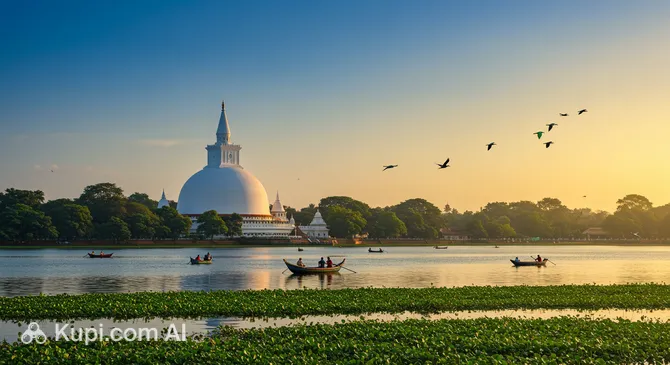
Tissamaharama. Illustration.
Source: Kupi.com AI

The rich past of this place deserves special attention. The ancient history of Tissamaharama is reflected in majestic Buddhist stupas and ancient temples that harmoniously coexist with lush tropical landscapes. A walk along the embankments of historical man-made lakes, such as Tissa Wewa, will provide unforgettable impressions, especially in the rays of the setting sun.

This city is ideal for those looking for inspiration in simple joys and wanting to combine cultural tourism with an exciting safari. Come to Tissamaharama to experience the hospitality of the locals, try fragrant Sri Lankan cuisine, and discover new, amazing facets of the island.

Weather Overview

The climate in this region is characterized by stable warmth typical of the tropics, making the city accessible for visiting year-round. Expect hot days with average temperatures ranging from 25.8°C in January to 29.4°C in July, while peak values in mid-year can reach 33.5°C.

Precipitation is distributed unevenly: November is considered the wettest month with about 25 rainy days, while the period from June to August is the driest, when the number of days with precipitation drops to a minimum (only 6–9 days per month). To choose the best dates for your trip and safari, we recommend studying the detailed weather in Tissamaharama by month.

Average monthly temperature

Average monthly precipitation

Interesting Facts

Beyond the popular tourist routes, Tissamaharama holds many fascinating secrets that reveal its rich heritage and natural uniqueness. This city is a true treasure trove for those who want to learn more about the culture and legends of southern Sri Lanka.
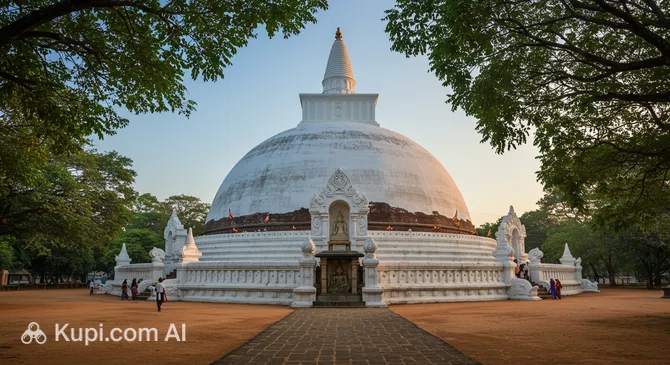
Tissamaharama Raja Maha Vihara. Illustration.
Source: Kupi.com AI

Traveler photos:

  • According to ancient chronicles and legends, the city was the capital of the powerful Ruhuna kingdom. A witness to that grandeur remains the Tissamaharama Raja Maha Vihara — a sacred stupa built over two thousand years ago that still attracts pilgrims from all over the island.

  • The local water bodies, which look like natural lakes, are actually masterpieces of ancient hydraulic engineering. Tissa Wewa Lake was created by people many centuries ago to irrigate fields, and today its mirror-like surface serves as home to many rare birds.

  • The city is shrouded in legends about wildlife. Setting off from here on a Tissa Safari to Yala National Park, travelers hope to see not only elephants but also the mythical white leopard, sightings of which are considered incredibly lucky.

  • In the dense jungle nearby hide the ruins of the Sithulpawwa monastery. This site, carved into the rocks, was once inhabited by thousands of hermit monks and still retains an amazing atmosphere of peace and mystery.

How to Get There

When planning a trip to the south of Sri Lanka, it's worth thinking through your route in advance and finding out how to get to Tissamaharama. This city is located away from the main tourist highways, so the journey here may take some time, but it will give you the opportunity to enjoy the island's picturesque landscapes.

There is no airport in the city of Tissamaharama itself. Most tourists arrive in the country through the main aviation hub — Bandaranaike International Airport (CMB). It is located in the city of Colombo, approximately 184 km from Tissamaharama. This is the country's largest airport, receiving flights from all over the world. The journey from here by taxi or private transfer usually takes about 4–5 hours, depending on traffic.

An alternative option located closer is Koggala Airport (KCT), situated in the town of Koggala (approximately 112 km from Tissamaharama). This is a small airport serving domestic flights and air taxis. You can reach your destination from there by car in roughly 2.5 hours. It's also worth mentioning Batticaloa Airport (BTC), located in the city of the same name 164 km away, which serves regional flights.

For clarity, here is a summary of the main airports:

AirportPassenger trafficDistance
Mattala Rajapaksa International Airport91 74718 km
Castlereigh Reservoir Waterdrome4 000100 km
Koggala Airport5 000112 km
Polgolla Reservoir Airport3 000136 km
Batticaloa120 000164 km

As for rail connections, it's important to note that there is no railway station in the city of Tissamaharama itself. The nearest major stations are in other cities, such as Matara or in the highlands (Ella, Haputale). Travelers often choose a combined route: a train from Colombo to Matara, followed by a transfer to a bus or taxi to Tissamaharama. This route allows you to see the beauty of the coast, but can be tiring due to the transfers.

Main Attractions

Despite its compact size, Tissamaharama offers travelers a rich itinerary. The city serves not just as a transit point, but as a destination in its own right, where you can touch Buddhist shrines and head out to meet wildlife. Spiritual heritage and the spirit of adventure blend harmoniously here.

The main architectural and spiritual landmark of the city is the majestic Tissamaharama Raja Maha Vihara. This snow-white stupa, rising above the rice fields, is among the sixteen sacred sites of Sri Lanka. Built in the 2nd century BC, it impresses with its dimensions: over 55 meters in height and about 165 meters in circumference. Tourists come here not only for the history but also for the special atmosphere of tranquility, strolling through the well-kept temple grounds surrounded by centuries-old trees.

Safari Tissa. Illustration.
Source: Kupi.com AI

Traveler photos:

For outdoor enthusiasts, the Tissa Safari has become the hallmark of the region. This is a thrilling jeep adventure that usually starts early in the morning or closer to sunset. Organized tours allow you to explore the surroundings and nearby national parks. This is a unique chance to see elephants, crocodiles, buffaloes, and many exotic birds in their natural habitat without traveling far from civilization.

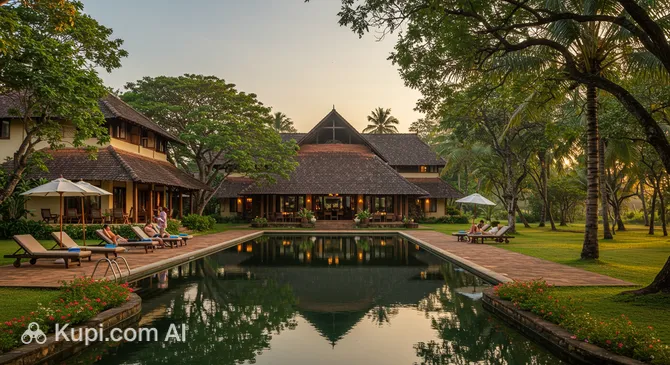
After a busy day spent in the jungle or on excursions, the city offers excellent opportunities for recovery. A prime example of quality relaxation is the Chaarya Resort & Spa complex. Such places attract tourists with landscaped grounds featuring swimming pools and tropical gardens, where you can relax and discuss your impressions of meeting the island's wildlife.

Local Cuisine

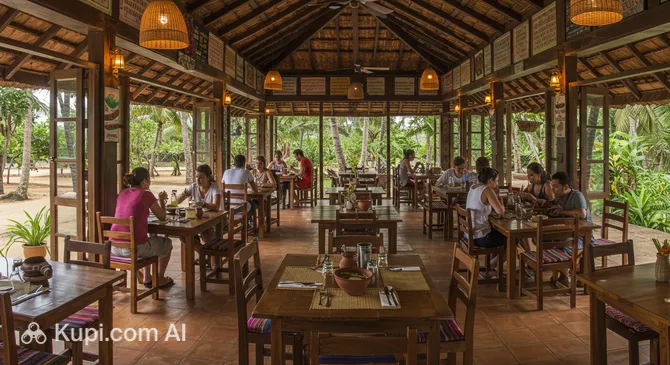
The gastronomy of Tissamaharama is a true feast for lovers of spices and authentic Sri Lankan flavors. Here, food is not just about satisfying hunger but is part of the cultural code of the southern province. The main dish on the table remains rice and curry, which in this region is prepared with a generous addition of coconut milk, aromatic spices, and fresh vegetables. Due to the proximity to ancient reservoirs, fish caught in local lakes occupies a special place on the menu: it is often served grilled, generously seasoned with lime and hot pepper.

If you want a snack on the go, look out for the street stalls where life bustles from morning to evening. Be sure to try the crispy samosas with vegetable filling and traditional coconut roti flatbreads. However, the king of street food is considered to be the spicy kottu — a hearty mix of chopped bread, vegetables, eggs, and meat, prepared on a hot iron sheet with a characteristic rhythmic clatter. This dish is a real gastronomic show performed right before your eyes.

The Flavors Restaurant. Illustration.
Source: Kupi.com AI

Traveler photos:

This region is famous for its unique buffalo milk products. The hallmark of local cuisine is "curd" — a thick yogurt traditionally served in clay pots and drizzled with sweet palm syrup. You should also try the delicate creamy dessert watalappam. You can complement your sweet meal with fresh tropical fruits from farmer's markets: juicy mangoes, papayas, pineapples, and sweet bananas are always in abundance here.

In the heat of the afternoon, locals and tourists escape the sun with natural drinks. The most popular choice is refreshing water from the orange king coconut, sold on literally every corner. Fans of warming flavors will enjoy spicy ginger tea. To enjoy a variety of local and international cuisine in a comfortable setting, you can visit Flavors Restaurant, where chefs masterfully combine traditional Sri Lankan recipes with modern service.

Travel Tips

Tissamaharama is a welcoming city that serves as the main gateway to the southern wilderness, so preparing for a trip here requires special attention to details related to the climate and local traditions. These practical recommendations will help you plan a comfortable journey and avoid common mistakes so that you can fully focus on the experience.

  1. Clothing and Gear: Given the tropical heat, prioritize light clothing made of natural fabrics such as cotton or linen. Be sure to bring a hat and sunglasses. For visiting sacred sites like stupas, a dress code is strictly observed: shoulders and knees must be covered, so keep a sarong or scarf handy. Comfortable shoes that are easy to remove before entering temples will also be useful.

  2. Getting Around Town: The most popular and accessible way to get around is the three-wheeled tuk-tuk. Unlike the capital, meters are rarely used here, so be sure to agree on the fare in advance, before getting in. For trips to national parks, you will need to rent a special jeep with a driver; it's best to book it through your hotel or verified agencies to avoid overpaying.

  3. Financial Matters: The official currency is the Sri Lankan Rupee (LKR). Although large hotels and restaurants accept cards, you will need cash in small shops, fruit stalls, and for paying tuk-tuks. There are ATMs in the city center, but it's better to have a supply of small bills. Tipping is welcomed here: 10% in a cafe or a small amount for the driver and guide on safari is considered good manners.

  4. Health and Safety: Tissamaharama is surrounded by nature, so having a quality mosquito repellent is vital, especially in the evening. Drink only bottled water and avoid ice in drinks at street cafes. There are pharmacies in town, but 24-hour ones are hard to find, so pack a basic first-aid kit. Be careful with wild animals, even monkeys at temples — they can be aggressive.

  5. Communication and Internet: English is well understood in hotels and tourist spots, but communicating with locals at the market might be difficult — learn a few words, such as "Stut-i" (thank you). Wi-Fi is available in almost all guesthouses, but for stable connection on excursions, it's better to buy a local SIM card (Dialog or Mobitel) immediately upon arrival in Sri Lanka, as mobile internet here is inexpensive and fast.

  6. Local Etiquette: Sri Lankans are very friendly and value respect for their culture. When meeting people, you can use the traditional greeting "Ayubowan" (palms joined at the chest). Never take photos while standing with your back to Buddha statues — this is considered a serious sign of disrespect. Food and money should only be passed with the right hand.

  7. What to Avoid: Do not walk alone in the unlit outskirts of the city after dark. This is not so much due to crime as the risk of encountering wild elephants or other animals that may come out of the jungle to the roads at night.

  8. Gastronomic Tip: While in this region, don't miss the chance to try real "Curd" — thick buffalo yogurt. Tissamaharama is famous for this product. The best curd is sold in clay pots along the roads and served with palm honey — it's an incredibly tasty and safe local dessert.

By following these simple tips, you will be able to feel confident and safe in Tissamaharama, enjoying every moment of your tropical adventure. May your journey be filled with bright discoveries and the warm hospitality of the locals!

Entertainment & Nightlife

It is important to set the right pace from the start: Tissamaharama is not the kind of city where life bustles until dawn to the beat of electronic music. There are no noisy nightclubs, discos, or specialized bar streets typical of the island's west coast. Tissa's nightlife is inextricably linked to the rhythm of the safari: tourists wake up very early, so evenings here are spent in a relaxed, intimate setting, perfect for recovering after jungle adventures.

The center of evening leisure is the restaurants at major hotels and guesthouses, located mainly along the main Tissa-Kataragama Road and around Tissa Wewa Lake. This is where travelers gather to exchange impressions of the leopards and elephants they've seen. The atmosphere in the establishments is calm and friendly, and there is no dress code — casual clothes worn on your excursion are perfectly appropriate. Most places close quite early, around 10:00 PM – 11:00 PM, so it's best to plan dinner immediately after sunset.

If you're looking for a place with a pleasant bar and quality service, you should consider Chaarya Resort & Spa. Such hotel complexes often have cozy poolside lounge areas where you can order a cocktail or local Lion Lager and enjoy the cool tropical evening. This is an excellent option for those who value comfort and want to spend time in a safe, well-maintained environment.

Chaarya Resort & Spa. Illustration.
Source: Kupi.com AI

Traveler photos:

For a more authentic experience, you can visit the Tissamaharama Resort, located in a picturesque spot. In the evening, quiet music often plays here, creating a romantic atmosphere. If you just want a delicious dinner at a place popular with tourists, check out Flavors Restaurant. Although it is primarily an eatery, a lively crowd gathers here in the evenings, making it one of the few spots in town where you can feel some social activity.

Safety and Transport: Walking the streets of Tissamaharama at night, especially on the outskirts, is not recommended. The main reason is the wildlife. After dark, wild elephants may come out to roads and water bodies, posing a real danger. Always use a tuk-tuk to travel between your hotel and restaurants. You can call one through your hotel reception or by arranging with a driver in advance, as catching transport on the street late at night can be difficult. The average price for a ride around town in the evening is 300–500 rupees.

As for daytime entertainment, besides the famous safari and temples, the city offers quiet outdoor recreation. You can walk along the Tissa Wewa dam, observing birds and flying foxes, or visit the small Yatala Museum (Archaeological Museum), which houses artifacts from the ancient Ruhuna kingdom. During the day, life flows slowly here, allowing for full immersion in the contemplation of history and nature.

Parks & Museums

Tissamaharama offers travelers a harmonious blend of natural riches and deep historical heritage. Although the city is known primarily as the gateway to national parks, its own green zones and cultural sites deserve the attention of those who want to get to know this region beyond the window of a jeep.

The city's main "green artery" is the banks of the ancient man-made Tissa Wewa Lake. This is not just a reservoir, but a picturesque walking area where huge Kumbuk trees provide much-needed shade. A walk along the dam at sunset allows you to observe hundreds of white egrets and pelicans returning to roost. Another important natural spot is Debaravewa Lake, which is famous for its blooming lotuses and is considered a paradise for birdwatchers.

Safari Tissa. Illustration.
Source: Kupi.com AI

Traveler photos:

Of course, speaking of the region's nature, one cannot fail to mention the proximity to the wild jungle. An organized Tissa Safari allows tourists to head to the Yala or Bundala National Parks, which border the city. This is a unique opportunity to see elephants, leopards, and crocodiles in their natural habitat, making the surroundings of Tissamaharama one of the most biologically diverse places on the island.

History buffs should visit the Yatala Archaeological Museum. It is located next to the stupa of the same name and houses a rich collection of artifacts found during excavations of the ancient Ruhuna kingdom. Here you can see skillful stone statues, reliefs, and everyday objects dating back to the first centuries AD, which tell of the former greatness of this region as the capital of the south.

A key open-air monument is the Tissamaharama Raja Maha Vihara. This is not just an active temple, but a real museum of Buddhist architecture and art. The huge stupa, surrounded by a well-kept garden, and ancient frescoes inside the temple buildings immerse visitors in the atmosphere of spirituality and peace characteristic of Sri Lankan culture.

For those looking for hidden gems, we suggest checking out "Flying Fox Island" in the middle of Tissa Wewa Lake. In the evening, you can witness an amazing sight as thousands of giant fruit bats take to the sky to hunt — an impressive and slightly mystical natural show available right from the embankment.

Getting Around

The transport system in Tissamaharama is significantly different from the hustle and bustle of megacities. You won't find a metro, trams, or trolleybuses here. The city lives at a calm pace, and its compact size makes it easy to navigate even for first-time visitors. The main focus is on road transport and small mobility options.

The most common and budget-friendly form of public transport is buses. Both state-owned red buses (CTB) and private ones, which are often decorated with bright stickers and lights, run through the city. They connect the center with neighboring towns and popular spots like Kataragama. Schedules at stops are usually absent, and the stops themselves may not be marked with signs — to catch a bus, simply raise your hand by the side of the road.

To get around the city, tourists most often choose tuk-tuks (three-wheeled scooters). This is the most maneuverable and accessible transport, which will take you directly to the door of your hotel or attraction. It's important to remember: drivers in Tissamaharama almost never use meters. Be sure to agree on the price of the trip in advance, before getting in, and don't be afraid to haggle — it's part of the local culture.

The fare payment system here is conservative: only cash is accepted. Transport cards, passes, or mobile apps for payment do not work on buses. A ticket is bought from the conductor inside the cabin. We strongly recommend always having small bills with you, as finding change for a large banknote can be problematic.

As an alternative, many travelers choose to rent a scooter or bicycle. This gives complete freedom of movement to explore the picturesque lakes and ancient stupas. Rental points are often found at guesthouses. Taxi apps popular in the capital (Uber, PickMe) work inconsistently in this region: there are few cars, and wait times can be long. For long-distance trips or transfers, it is more reliable to book a car through your hotel reception.

A unique feature of Tissamaharama's traffic flow is safari jeeps. These powerful open-top off-roaders with high seating can be seen on the streets everywhere, especially early in the morning and at sunset. Although they are intended for trips to national parks, their abundance creates a unique local flavor, reminding you of the proximity to wildlife.

Accommodation

Tissamaharama, being the main starting point for safari tours, possesses a developed and diverse hotel infrastructure. The choice of accommodation here varies from simple budget guesthouses and hostels, where backpackers often stay for one night, to comfortable mid-range hotels and eco-resorts. Many properties are specifically adapted to the needs of tourists planning an early departure to the jungle, offering wake-up calls and packed breakfasts.

In terms of location, the most attractive area is considered to be the vicinity of the picturesque Tissa Wewa Lake. Staying here allows you to enjoy beautiful sunsets and relative coolness from the water. Another popular zone is along the main road leading towards Kataragama. This is a strategically convenient spot: from here, it's easiest for jeeps to pick up tourists for trips to Yala National Park, minimizing travel time.

Tissamaharama Resort. Illustration.
Source: Kupi.com AI

Traveler photos:

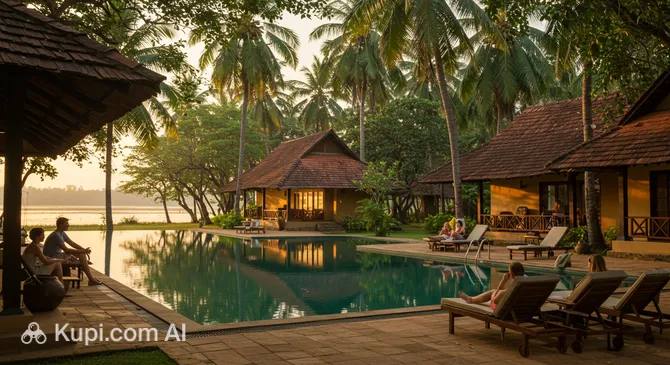
Among the accommodation options offering a high level of comfort, the Tissamaharama Resort stands out. Such resort-type hotels usually have their own green grounds and a swimming pool, which becomes a real lifesaver after a hot and dusty day on safari. Having an on-site restaurant is also a big plus, as looking for a place to dine in town in the evening can be tiring.

The pricing policy in Tissamaharama is generally more affordable than in the popular beach resorts of the south coast. Accommodation can be found for any budget: from economy options to luxury lodges. It is recommended to book rooms in advance, especially during the high season for animal migration and holidays, using major online platforms. While many small guesthouses accept guests without prior booking, having a reservation guarantees you a comfortable rest after a long journey.

Nearby Cities

For those who want to explore the surrounding area, Tissamaharama serves as an excellent starting point for day trips to several interesting nearby places:

Galle is a true gem of the southern coast, located about 2.5–3 hours away. The city is famous for its superbly preserved 17th-century Dutch Fort, which is a UNESCO World Heritage site. Tourists come here to wander the narrow cobbled streets, admire the colonial architecture, visit the lighthouse, and enjoy the atmosphere of European coziness in the tropics.

Weligama is located closer and is ideal for fans of beach holidays and water sports. This place is famous for its picturesque bays and excellent waves for beginner surfers. Additionally, it is here that you can see the famous Sri Lankan fishermen who catch fish while sitting on high stilts right in the ocean — a unique sight that has become one of the symbols of the island.

Ratnapura, known as the "City of Gems," offers a completely different experience. Located at the foot of the mountains, it is the center of gemstone mining in Sri Lanka. Travelers can visit mines and gemology museums, as well as enjoy views of waterfalls and lush greenery in the surroundings, including the path to the sacred Adam's Peak.

CityPopulationDistance
Wirawila7 km
Hambantota11 21324 km
Sevanagala42 89443 km
Tangalle72 50061 km
Monaragala10 12368 km

These nearby destinations provide an insight into the diverse culture and landscapes of the region.

Shopping & Souvenirs

General Overview: Shopping in Tissamaharama is not a hunt for global brands, but an opportunity to touch the authentic life of the Sri Lankan hinterland. The city cannot boast of glamorous boutiques, but it offers travelers something more — color and naturalness. Trade here is primarily utilitarian: locals buy essentials for daily life, and tourists stock up on supplies for upcoming safaris and unique regional products.

Main Shopping Areas: All of the city's commercial life is concentrated along Main Street and the busy highway leading towards Kataragama. Here, amidst the chaotic movement of tuk-tuks, is a scattered array of small private shops. In these shops, you can find everything from simple cotton T-shirts and sarongs to household knick-knacks. A stroll through these blocks allows you to see the city without embellishment and perhaps find interesting textile products at very low prices.

Shopping Centers: There are no large malls or entertainment shopping complexes in Tissamaharama. The role of civilized trade centers is filled by supermarket chains such as "Cargills Food City" or "Keells." For tourists, these are the most reliable places to shop: prices are fixed, air conditioning is on, and you can replenish supplies of water, sunscreen, and snacks before a trip to the jungle. Supermarkets also offer a good selection of Ceylon tea in gift packaging.

Markets: The true heart of local trade beats at the food markets and roadside fruit stalls. The morning market is a riot of colors and aromas. This is the place to buy the freshest tropical fruits: mangoes, papayas, bananas, and pineapples brought directly from nearby plantations. Bargaining at the market is not only appropriate but recommended — it's part of the local social culture, often accompanied by the smiles and friendliness of the sellers.

Souvenirs: The main "trophy" worth bringing from Tissamaharama is the famous buffalo yogurt (Curd). It is sold in colorful clay pots along the roads. Even after the treat has been eaten, the pot itself remains an excellent authentic rustic-style souvenir. Local spices and palm honey are also popular. Near the grounds of the Tissamaharama Raja Maha Vihara temple, you can often find stalls with religious attributes, incense, and handmade wooden crafts.

Opening Hours and Payment: Most private shops open early in the morning, around 8:00 AM – 9:00 AM, and stay open until sunset or slightly later (until 8:00 PM – 9:00 PM). Supermarket chains may be open until 10:00 PM. It is important to remember that cash (Sri Lankan rupees) reigns supreme in Tissamaharama. Bank cards are accepted only in supermarkets and some large hotels. To buy fruit, street souvenirs, or water from kiosks, be sure to have a supply of small bills.

Tax Free: The Tax Free system is not applied in the shops of Tissamaharama. VAT refunds can only be processed for purchases made in specialized stores in Colombo or at the international airport before departure.

Reached the end of the page?

That means the route is fully explored