Support

Pottuvil

Attractions

About

Pottuvil is a charming coastal town located in the Eastern Province of Sri Lanka. For many travelers, this destination serves as the gateway to the region's famous beaches, but the town itself boasts a unique, relaxed atmosphere where local traditions are harmoniously interwoven with a vibrant resort lifestyle.
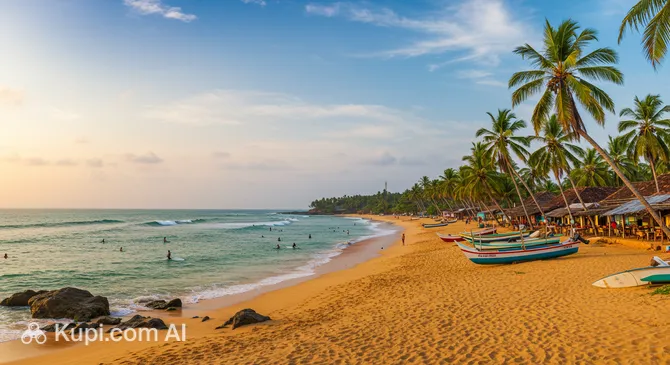
Pottuvil. Illustration.
Source: Kupi.com AI

Geographically, the town is situated in a picturesque location surrounded by the ocean and vast lagoons. With a population of about 25,000, Pottuvil maintains a cozy pace of life, far from the hustle and bustle of major metropolises. The climate here is hot and tropical, making the coastline attractive for visitors, especially during the dry season when conditions for relaxing by the water are ideal.

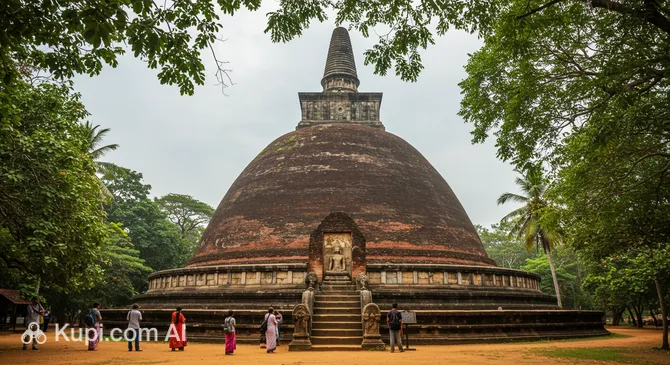
While the region is primarily known today for surfing and beach holidays, the history of Pottuvil is rooted in antiquity. Cultural heritage enthusiasts can visit the ruins of Muhudu Maha Vihara—an ancient Buddhist temple located right among the sand dunes by the ocean, which, according to legend, is associated with the landing of Queen Vihara Maha Devi.

The main point of attraction in the immediate vicinity of the town is the world-famous Arugam Bay—a true mecca for surfers from all over the world. Those who prefer wildlife watching should go on an eco-safari through the Pottuvil Lagoon. This is a unique opportunity to see elephants, crocodiles, and many exotic birds in their natural habitat among the mangroves.

Pottuvil is an excellent choice for those seeking a balance between active water sports, immersion in untouched nature, and an introduction to the authentic life of the East Coast.
Weather Overview

The climate in this part of the Eastern Province is characterized by the stable warmth typical of the tropics. Temperature fluctuations throughout the year are insignificant: average figures range from a comfortable 25.7°C in January to a hot 29.8°C in June. Daytime highs often exceed the 30°C mark, especially in the summer months, making the region a magnet for lovers of sun and the ocean.

However, when planning your trip, you should pay close attention to the distribution of rainfall. The detailed weather in Pottuvil shows a clear seasonality. The wettest period falls at the end of the year: the peak of rain is observed in November (26 days with precipitation), as well as in October and December. In contrast, the summer months, especially June and July, delight travelers with drier conditions, when the number of rainy days drops to 11–12 per month.

Expect consistently hot weather throughout the year, with a period of frequent rain from October to December and predominantly dry, sunny days during the summer season.

Average monthly temperature

Average monthly precipitation

Interesting Facts

Beyond the popular beaches and surfing, this corner of Sri Lanka holds amazing stories and natural phenomena that not all travelers know about. Here are a few facts that reveal Pottuvil from an unexpected side:

  • The ancient complex of Muhudu Maha Vihara is in a constant battle with nature: many of its stupas and artifacts are partially buried under massive sand dunes. Local legends say that it was here, rather than in Kirinda, that Princess Vihara Maha Devi landed—the woman who later became a great queen—and the preserved stone statues depict the royal family and bodhisattvas.

  • Pottuvil Lagoon is one of the rare places in the world where you can observe "swimming elephants." Wild elephants often enter the lagoon's water to cross over to islands with lush vegetation or simply to cool off, and they can be seen during a quiet canoe safari among the mangroves.

  • Although Arugam Bay Beach is considered the center of attraction, professional surfers know the secret of the "Pottuvil Point" spot. On good days, incredibly long waves form here, allowing for rides up to 800 meters long, making this place unique for experienced athletes seeking solitude from the main crowds.

Muhudu Maha Viharaya. Illustration.
Source: Kupi.com AI

Traveler photos:

How to Get There

When planning a trip to the East Coast of Sri Lanka, it is important to consider the region's distance from the country's main transport hubs. You can find out more about how to get to Pottuvil to choose the most convenient route. Most often, tourists arrive at Colombo International Airport and then transfer to domestic flights, trains, or taxis.

If you are considering a domestic flight, the most convenient option is Batticaloa Airport (BTC). Please note that there is no airport in the town of Pottuvil itself, and this hub is located in the city of Batticaloa, about 93 km from your destination. The journey from there by taxi will take approximately 2 hours and 40 minutes. This is one of the fastest ways to reach the coast, avoiding long overland journeys.

An alternative could be flying via Sigiriya SLAF Base Airport (GIU), located in the town of Sigiriya. The distance to Pottuvil is about 170 km, which will require approximately 4.5 hours by car. This option might be interesting for those planning to combine a beach holiday with a visit to the famous Lion Rock in the center of the island.

For clarity, here is a summary of the nearest regional airports:

AirportPassenger trafficDistance
Batticaloa120 00093 km
Mattala Rajapaksa International Airport91 747102 km
Castlereigh Reservoir Waterdrome4 000138 km
Polgolla Reservoir Airport3 000141 km
Sigiriya Slaf Base15 000171 km

As for rail travel, there is no station in Pottuvil itself. The railway in Sri Lanka does not reach this specific stretch of the coast directly. Travelers usually take the train to major cities like Batticaloa or Ella and cover the remaining part of the journey by bus or tuk-tuk. The bus service is well-developed: regular flights connect Pottuvil with the capital and other major cities, although the journey can take quite a long time.

Main Attractions

Pottuvil and its surroundings offer travelers an amazing combination of outdoor activities, ancient history, and untouched nature. Here you can catch the perfect wave, touch thousand-year-old shrines, and see wild animals in their natural environment. Here are the places you should definitely include in your itinerary.

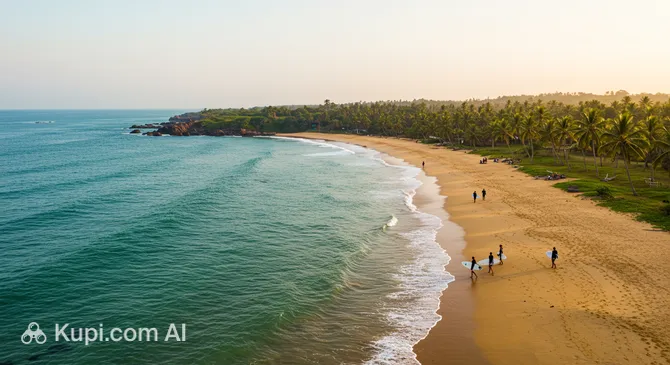
The absolute center of attraction for tourists is Arugam Bay Beach. This place is rightfully considered one of the best surf spots in the world. A wide strip of golden sand and consistent waves attract both professional athletes and beginners. Even if you don't plan to get on a board, it's pleasant just to enjoy the relaxed atmosphere, sit in coastal cafes, and watch the sunset to the sound of the ocean. During the high season, life here is buzzing around the clock.

Arugam Bay Beach. Illustration.
Source: Kupi.com AI

Traveler photos:

For an immersion into the region's cultural past, visit Muhudu Maha Vihara. This ancient Buddhist temple, which is over 2,000 years old, is located among picturesque sand dunes near the ocean. The ruins of the complex, including stone statues and the remains of stupas, create a mystical atmosphere. According to legend, this very spot is connected to important events in the island's history and the arrival of royalty.

Nature lovers should head out on a safari through Pottuvil Lagoon. This is a unique ecosystem where mangrove forests serve as home to many birds, monitor lizards, and monkeys. A canoe trip through the quiet waters of the lagoon at sunrise or sunset offers a chance to see wild elephants that often come to the water, and to enjoy absolute silence away from the tourist crowds.

Another iconic location is Elephant Rock. This picturesque rock formation, located at the edge of the beach, is popular for its stunning panoramic views. After climbing to the top, you can see the endless ocean on one side and the green expanses of the lagoon on the other. It is the perfect spot for romantic evenings and the best sunset photos in the Pottuvil area.

Local Cuisine

Pottuvil's cuisine is a vibrant blend of traditional Sri Lankan flavors, an abundance of fresh seafood, and noticeable influences from the Muslim and Tamil culinary traditions of the Eastern Province. Thanks to its proximity to popular surf spots, the gastronomic scene here is diverse: from authentic spicy eateries for locals to trendy cafes with European menus and vegan bowls.

The main reason for a foodie to come here is the bounty of the ocean. Fishermen supply the local market and restaurants daily with tuna, barracuda, and prawns. Be sure to try the crab curry or prawns caught in the local lagoon. These dishes are prepared here with a generous addition of coconut milk and aromatic spices, making the taste rich yet mellow. Another signature dish is Fish Ambul Thiyal—a sour, dry fish curry that pairs perfectly with rice.

Among street foods, the absolute leader is Kottu Roti. This is a chopped flatbread fried on a hot iron sheet with vegetables, eggs, meat, or cheese. The characteristic rhythmic clatter of metal blades used to prepare Kottu can be heard on the town's streets every evening. For breakfast, locals prefer Hoppers (Appa)—bowl-shaped pancakes made from rice flour and coconut milk, often with an egg cracked into the center.

To stay cool in the tropical heat, tourists and locals alike drink the juice of the King Coconut (Thambili). These bright orange nuts are sold on literally every corner; it is the best natural isotonic drink. Freshly squeezed juices from papaya, mango, and passion fruit are also popular. For alcoholic beverages, the local Lion Lager beer and Arrack—a strong spirit made from coconut flowers, often mixed with ginger ale (EGB)—are worth noting.

The atmosphere of dining establishments depends heavily on the location. In the center of Pottuvil town, simple cafes and "hotels" (as inexpensive canteens are called here) with spicy and cheap food predominate. However, tourist life buzzes a couple of kilometers from the center, where Arugam Bay Beach is located. Along the main coastal road, there are many restaurants with a relaxed atmosphere where you can find not only Sri Lankan classics but also excellent pizza, burgers, and quality coffee.

Travel Tips

Preparing for a trip to Pottuvil requires attention to detail, as this region combines the relaxed atmosphere of a surf resort with the conservative traditions of the Eastern Province. To make your holiday as comfortable and surprise-free as possible, we've gathered the most important recommendations to help you feel confident from the first moments of your stay.

  1. Clothing and Essentials: Given the hot tropical climate, choose light clothing made of natural fabrics (cotton, linen). However, remember that the town of Pottuvil itself is a place with a traditional way of life (predominantly a Muslim population). For walks through the town center, markets, and visiting temples, be sure to wear clothes that cover your shoulders and knees. Save swimsuits and shorts exclusively for the beach area and the Arugam Bay tourist enclave. Don't forget sunglasses, a hat, and strong sunscreen—the sun here is very intense.
  2. Transport: The most popular way to get around is by three-wheeled tuk-tuks. Important: they usually don't have meters, so agree on the price in advance, before boarding. For greater freedom of movement, many tourists rent scooters. If you decide to rent, make sure you have a helmet and a valid international license of the appropriate category, as police often check foreigners' documents.
  3. Finances: The national currency is the Sri Lankan Rupee (LKR). While large hotels and restaurants in the tourist zone may accept cards, in small shops, fruit stalls, and tuk-tuks you will need cash only. ATMs are concentrated in the center of Pottuvil (e.g., Hatton National Bank or People's Bank). It's best to withdraw plenty of cash at once, as ATMs can run out of money during the peak season.
  4. Health and Safety: Be sure to bring mosquito repellent and use it in the evenings to avoid the risk of Dengue fever. There are pharmacies in town, but the assortment may differ from what you're used to, so bring any specific medications with you. If you plan to surf, be careful with reefs and the seabed—keep supplies to treat minor cuts and scrapes, which take longer to heal in the tropics.
  5. Communication: In the tourist zone (Arugam Bay), staff speak English well. In Pottuvil itself, locals speak Tamil and Sinhalese, but many understand basic English. For reliable connection and internet, it's best to buy a local SIM card (Dialog or Mobitel) immediately upon arrival at the airport, as Wi-Fi in guesthouses isn't always fast.
  6. Local Etiquette: Sri Lanka is a country of smiles, so politeness and friendliness open any door. When entering any Buddhist or Hindu temple, be sure to remove your shoes and hats. It's important to remember the "right hand rule": money, food, or gifts should only be given and received with the right hand, as the left is considered "unclean."
  7. What to Avoid: Categorically avoid appearing in swimsuits or shirtless outside the beach, especially in the center of Pottuvil—this can be seen as disrespectful to locals. Also, do not take photos with your back to Buddha statues (this is considered an insult) and avoid consuming alcohol in public places outside of restaurants and bars.
  8. Wildlife Caution: Be careful on the roads, especially at dawn and dusk. In the vicinity of Pottuvil, wild elephants and peacocks often come out onto the road. If you are riding a scooter or tuk-tuk through forested areas, keep your distance and do not try to feed the animals.

Following these simple rules will help you easily blend into the rhythm of the East Coast and enjoy the unique flavor of Pottuvil without unnecessary worries. May your journey be filled with vivid impressions, great waves, and warm encounters!

Entertainment & Nightlife

Entertainment in Pottuvil is inextricably linked with the ocean and wildlife. You won't find massive shopping malls or noisy European-style nightclubs here; instead, the region offers unique opportunities for active recreation, water sports, and immersion in local culture.

Surfing remains the main magnet for active travelers. The legendary Arugam Bay Beach, located very close by, sets the rhythm for the entire coast. From May to October, a special atmosphere reigns here: numerous surf schools, board rentals, and sports camps are in operation. Even if you have never stood on a board, local instructors will help you catch your first wave. In the evening, the sporting excitement gives way to relaxed fun: beach parties, reggae music, and fire shows are common.

Arugam Bay Beach. Illustration.
Source: Kupi.com AI

Traveler photos:

For those seeking communion with nature, eco-safaris through the lagoon are an excellent leisure option. Locals organize tours on small boats or canoes through the mangroves. This meditative entertainment allows you to see Sri Lanka from a different perspective: in the silence of the water, you can watch exotic birds, crocodiles, and monitor lizards, and at sunset, you can often spot elephants coming for a drink.

The cultural component of a holiday is represented by visits to historical sites. A walk to the ancient temple of Muhudu Maha Vihara will provide not only aesthetic pleasure from the view of the ruins against the backdrop of the ocean but also allow you to touch Buddhist traditions. Additionally, yoga retreats and Ayurvedic centers are gaining popularity in the region, where you can dedicate time to meditation and health restoration using natural oils and herbs.

Parks & Museums

In Pottuvil and its surroundings, the concepts of "park" and "museum" take on a completely different meaning: you won't find the usual city squares with benches or glass-fronted galleries here. The role of green zones is played by wild national reserves, and the museums are ancient open-air archaeological complexes where history comes alive among sand dunes and jungles.

The main natural treasure of the region is Kumana National Park, located south of the town. This place is often called a birdwatcher's paradise: thousands of migratory and waterfowl birds, including pelicans, storks, and rare spoonbills, nest here in the mangrove lagoons and lakes. Besides birds, the park offers a chance to see leopards, sloth bears, and elephants in their natural habitat, making a trip here an exciting adventure for wildlife lovers.

Another important green zone is Lahugala Kitulana National Park. It is located inland, near the coast, and is famous for having one of the largest populations of wild elephants in Sri Lanka. The animals are attracted here by the Beru grass that grows around the local lakes. This place is ideal for those who want to observe the giants in peace and solitude, away from the tourist crowds typical of the island's more famous parks.

Speaking of cultural heritage, one cannot fail to mention Muhudu Maha Vihara. This archaeological site is effectively an open-air museum. Ancient stupas and stone statues, partially covered by sand, create a unique atmosphere of a lost world. The complex is of great historical significance as it is considered the landing site of Queen Vihara Maha Devi, and it allows tourists to touch the island's thousand-year history of Buddhism without entry tickets or museum fences.

History buffs should also visit the ruins of Magul Maha Vihara, located on the road to Lahugala. This is a large-scale monastic complex built by King Kavantissa. Here you can see an amazingly preserved "moonstone"—a semi-circular carved slab at the entrance, which is unique for its depiction of mahouts on elephants, atypical for classic Sri Lankan architecture. A walk through these ruins replaces hours spent in a traditional history museum.

If you are looking for untouched nature right at the city limits, pay attention to the Pottuvil Lagoon ecosystem itself. This is a living natural "park" where mangrove forests create natural green corridors. A boat trip here replaces a walk through a botanical garden, allowing you to see rare species of plants and animals at arm's length.

Getting Around

The public transport system in Pottuvil differs significantly from the typical urban infrastructure of major metropolises. You won't find a metro, trams, or trolleybuses here. The transport network of this small town and its surroundings is simple and focused on the practical needs of local residents and tourists heading to the beaches.

The main and only form of mass public transport is buses. They are divided into two categories: state-owned (usually red, belonging to the CTB) and private (often brightly decorated with loud music and lights). Buses run both along the main road connecting the town with neighboring regions (such as Akkaraipattu or Batticaloa) and over long distances. Stops are often not marked with signs, so you can simply "flag down" a bus with a wave of your hand on the road or board at the bus station in the town center.

The payment system on buses is very conservative: they only accept cash. There are no transport cards, validators, or mobile apps for fare payment. After boarding, a conductor will approach you; you need to name your destination and hand over the money. A ticket is not always issued, but the fare is very low and fixed for certain zones. It is recommended to always carry small bills, as the conductor may not have change for large banknotes.

The most popular alternative to buses and the practical equivalent of a taxi are tuk-tuks (three-wheeled scooters). They can be found on literally every corner, near hotels, and by beaches. In Pottuvil, tuk-tuks rarely use meters, so it is critically important to agree on a price before starting the journey. Bargaining is appropriate and even expected. Taxi apps (like Uber or PickMe), popular in the capital, work unreliably or not at all in this region, so it's best to rely on street drivers or order transport through your hotel.

For tourists, the most preferred way to get around is renting a scooter. This gives complete freedom of movement to explore lagoons, beaches, and remote attractions. Rental points are located everywhere, especially in the tourist zone towards Arugam Bay. To rent one, you will need a passport (sometimes requested as a deposit) and an international driver's license of the appropriate category. Petrol is paid for separately at gas stations.

An important tip for travelers: public transport runs quite regularly during daylight hours, but after sunset (roughly after 7:00–8:00 PM), the frequency of buses drops sharply. If you are planning a late dinner or party, arrange a return transfer with a tuk-tuk driver in advance or ensure you can find transport on the spot.

Accommodation

The choice of accommodation in Pottuvil and its surroundings perfectly reflects the atmosphere of this corner of Sri Lanka: a spirit of freedom, closeness to nature, and surf romance reigns here. Instead of high-rise chain hotels and giant concrete complexes, travelers are greeted by cozy guesthouses, eco-lodges, thatched-roof bungalows, and small boutique hotels. The range of offers varies from very budget-friendly options for backpackers to comfortable villas for those seeking privacy and high-level service.

Geographically, it is important to distinguish between the town of Pottuvil itself and the tourist zone. The administrative center of the town, with its shops and banks, is located a bit away from the ocean, and accommodation there is cheaper but less popular with vacationers. The overwhelming majority of tourists seek to stay along the main road that runs along the coast, in close proximity to the region's main attraction—Arugam Bay Beach. This is where all the resort life, restaurants, and parties are concentrated.

The most common format of accommodation is "cabanas." These are detached houses, often made of wood or clay, located in a garden or right on the sand. In the budget segment, this might be a simple hut with a fan and a mosquito net. In the mid-to-high price range, such houses are equipped with air conditioning, stylish furniture, and private terraces. Surf camps are also popular, where accommodation is included in a package with surf lessons and yoga.

Booking Tip: Seasonality plays a critical role. During the peak surf season (from May to September-October), the best value-for-money accommodation options are booked up several months in advance. If you plan to travel during this period, it is strongly recommended to book your stay early. Conversely, in the low season, you can find excellent options right on the spot with significant discounts.

Pricing policy in the region remains quite democratic compared to the southern coast of the island.

  • Budget segment: Simple rooms and hostels are available at very attractive prices, making the resort a magnet for young people.
  • Mid-range: Comfortable rooms with air conditioning and breakfast form the core of the accommodation stock.
  • Luxury: Here, the concept of "luxury" is specific—it is more about eco-chic and privacy than marble and gilding.
Popular international online platforms are convenient for booking, but many small guesthouses also actively take orders through direct messages in messengers or social media.

Nearby Cities

For those looking to explore the surrounding areas, Pottuvil serves as an excellent starting point for day trips to several interesting nearby locations. The town's location makes it easy to reach both bustling trade centers and historical monuments of ancient kingdoms.

One of the most accessible options is a trip to Kalmunai. This is a major commercial and cultural center of the Eastern Province, where you can immerse yourself in the authentic atmosphere of local life, visit colorful markets, and see majestic mosques and Hindu temples. The city is famous for its long beaches and unique architectural style.

A little further north is the city of Batticaloa, famous for its lagoons and historical heritage. Here, travelers can visit an old Dutch Fort built in the 17th century and try to hear the legendary "singing fish" on a full moon. This place is ideal for those interested in colonial history and a peaceful holiday by the water.

Heading southwest, you can reach the city of Tissamaharama. This is the ancient capital of the Ruhuna kingdom, known for its giant Buddhist stupas and picturesque lakes. Additionally, the city serves as the main gateway to the famous Yala National Park, making it attractive for safari and wildlife enthusiasts.

CityPopulationDistance
Ampara48 00050 km
Monaragala10 12354 km
Kalmunai106 78060 km
Badulla42 92387 km
Tissamaharama79 61889 km

These nearby destinations provide a full picture of the region's diverse culture, rich history, and unique landscapes, complementing a beach holiday with new experiences.

Shopping & Souvenirs

Shopping in Pottuvil has a relaxed, resort-like character and differs significantly from the scale of the capital. You won't find multi-story malls with luxury brands here; however, the town and its surroundings offer an excellent selection of goods needed for a comfortable holiday on the coast. The main assortment of local shops is geared towards surfers and beach tourists, offering everything from sunscreen to professional sports equipment.

Commercial activity in the region is clearly divided into two zones. The first is the center of Pottuvil town itself (Main Street), where the local population's life is concentrated: here you will find banks, pharmacies, and shops selling fabrics and household electronics. The second zone, most attractive to travelers, stretches along the main Panama Road, running parallel to the famous Arugam Bay Beach. This street is a series of small boutiques with beachwear, souvenir kiosks, and surf shops where you can buy or rent everything you need for riding.

There are no large shopping centers or department stores in the town. The largest and most modern stores are chain supermarkets (for example, Cargills Food City). These are the only places where you can shop in a familiar self-service format, find imported products and cosmetics, and see fixed prices marked on the packaging.

For true local color, head to the Pottuvil town market. This is not a souvenir fair but a lively food bazaar where farmers and fishermen sell their catch and harvest. It's worth coming here for the freshest tropical fruits—mangoes, papayas, pineapples, and bananas—which cost very little here. You can also find fresh fish and seafood at the market if you plan to cook for yourself.

As souvenirs from Pottuvil, people most often bring home items that reflect the spirit of the island and surf culture. Look for quality Ceylon tea and sets of aromatic spices (cinnamon, pepper, cardamom). In tourist shops, bright sarongs, cotton and linen clothing, coconut shell items, and wooden masks are popular. Surfers often buy T-shirts and caps with logos of local clubs and spots as a keepsake.

Shops usually open around 9:00–10:00 AM. In the town center, trade quiets down by 8:00 PM, whereas in the Arugam Bay tourist zone during the high season, shops may stay open until late evening. The primary payment method is cash (Sri Lankan rupees). Card terminals are available in supermarkets and some larger tourist shops, but small shops, the market, and fruit stalls only accept cash. ATMs for withdrawing cash are available in the center of Pottuvil.

The Tax-Free system (tax refund) is not applied in Pottuvil shops. This option is available in Sri Lanka only for purchases in specialized large stores in Colombo and requires processing at the departure airport, so you should not count on a VAT refund when shopping on the East Coast.

Reached the end of the page?

That means the route is fully explored