Support

Kelaniya

About

Kelaniya is more than just a suburb of Colombo; it is the spiritual heart of the island, where ancient traditions harmoniously coexist with modernity. Located just 9 kilometers northeast of the bustling capital, this cozy town stretches along the picturesque banks of the sacred Kelani River. Here, the hustle and bustle of the metropolis give way to tranquility, making a journey to Sri Lanka especially memorable for those seeking harmony and peace.
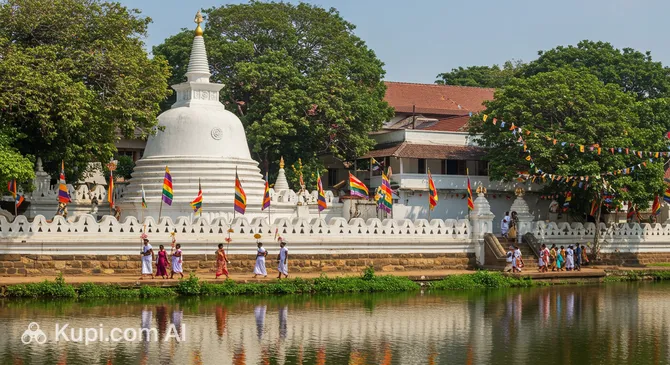
Kelaniya. Illustration.
Source: Kupi.com AI

Despite its modest size and population of about 35,000 people, the town carries immense cultural weight. It retains an authentic atmosphere that is hard to find in major tourist centers. The rich history of Kelaniya is closely intertwined with Buddhist legends, as it is home to one of the country's most revered temples, attracting pilgrims and travelers from all over the world.

The main feature of the town is its rare combination of spirituality and a slow pace of life. Travelers are drawn here not only by the famous Kelaniya Raja Maha Vihara temple, known for its magnificent murals, but also by the opportunity to walk along the river or witness colorful local festivals. This place is ideal for getting to know the real Sri Lankan way of life and architecture away from the crowds.

A visit to Kelaniya is worth it for meditative relaxation and a deep immersion in the culture. Here, every guest will find something special: from the grandeur of ancient shrines to the warm hospitality of the locals, who are always ready to share the beauty of their town.
Weather Overview

The climate in Kelaniya can be described as hot and tropical, with minor temperature fluctuations throughout the year. The thermometer confidently stays in the 29–31°C range during the day, while nights bring only relative coolness with temperatures around 23–25°C. This stability makes the city accessible for visiting at any time, though the comfort of your walks largely depends on the rainy season.

Precipitation is distributed unevenly: the driest months are January and February, when the fewest wet days are recorded (about 9–10). In contrast, May, June, and October are considered the rainiest periods, when rain can fall almost daily (up to 30 days a month). The current weather in Kelaniya is an important factor when planning your route, especially if you intend to spend a lot of time outdoors exploring the temples.

In general, expect consistently warm weather year-round with frequent tropical showers in the spring and autumn months, giving way to clearer and drier days at the beginning of the year.

Average monthly temperature

Average monthly precipitation

Interesting Facts

Beyond its main attractions, Kelaniya holds many fascinating secrets and legends that give the place a special mystical atmosphere. Here are a few facts to help you get to know this amazing city better.

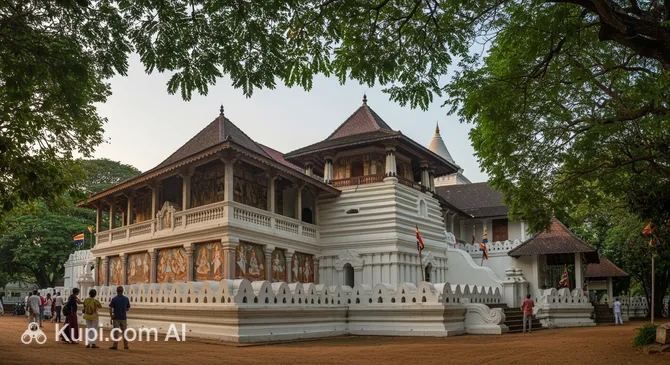
Kelaniya Raja Maha Vihara. Illustration.
Source: Kupi.com AI

Traveler photos:

  • The Sacred Throne of Buddha. According to ancient legend, Buddha visited this city in the eighth year after his enlightenment. It is believed that the stupa of the famous Kelaniya Raja Maha Vihara temple was built on the exact spot where he sat on a golden throne adorned with precious stones and preached.

  • The Grand Duruthu Perahera Festival. Every January since 1927, one of the most vibrant processions in the lowlands of Sri Lanka takes place here. It is a true feast for the eyes, featuring dozens of elephants, traditional dancers, drummers, acrobats, and fire-eaters.

  • Mythical Guardians and Murals. The entrance to the main shrine is decorated with an arch depicting a mythical dragon, and the walls are painted with unique, bright frescoes illustrating stories from the Buddha's many lives. An eight-meter statue of a reclining Buddha, hidden deep within the temple, makes a special impression.

  • Legends of the Supernatural. Local folklore is full of stories about the Buddha's miraculous abilities; residents believe he could travel through the air. These legends are still passed down by word of mouth by the elders, adding an aura of mystery to the town.

How to Get There

When planning your route, it is useful to find out in advance how to get to Kelaniya to choose the most convenient and fastest method. Since the city is a close suburb of the economic capital, transport accessibility is at a high level.

The main air gateway for foreign tourists is Bandaranaike International Airport (CMB). It is important to note that Kelaniya itself does not have an airport. You will arrive at the country's main aviation hub, which is often listed under Colombo but is actually located in Katunayake, about 25.5 km from the center of Kelaniya. This is the island's largest international airport, receiving flights from all over the world. A taxi or transfer will take about 45–60 minutes, depending on traffic density.

For convenience, here is a summary of the main airports:

AirportPassenger trafficDistance
Kotte (Diyawanna Oya SPB)2 0005 km
Bandaranaike International Airport8.8 mln26 km
Castlereigh Reservoir Waterdrome4 00075 km
Polgolla Reservoir Airport3 00091 km
Koggala Airport5 000115 km

In addition to air travel, Kelaniya can be reached by rail. The town has its own Kelaniya Railway Station, located on the Main Line. This is a very convenient option for those already in the country: a train ride from Colombo Fort central station takes only 15–20 minutes. The town is also connected to neighboring regions by a dense network of bus routes, making it easily accessible for budget travelers.

Main Attractions

Kelaniya is a city with deep historical roots, and its must-visit list is topped by spiritual shrines and natural beauty rather than modern entertainment centers. Despite its proximity to busy Colombo, a special atmosphere of peace reigns here, created by ancient places of worship and picturesque landscapes.

The heart of the city and its main pride is the Kelaniya Raja Maha Vihara temple. This place is sacred to Buddhists worldwide, as it is believed that Buddha himself preached the Dharma here during his third visit to the island. The temple complex impresses with its architecture and the serenity that fills its vast grounds.

Kelaniya Raja Maha Vihara. Illustration.
Source: Kupi.com AI

Traveler photos:

The interior of this shrine deserves special attention. The walls and ceilings are decorated with unique frescoes by the famous Sri Lankan artist Solias Mendis. These paintings, executed with incredible skill, tell stories from the life of Buddha and legendary events from the island's history. This is not just a religious site, but a true art gallery where every detail breathes eternity.

For nature lovers and families, Water World Lanka is an excellent destination. Located on the banks of the Kelani River, this complex combines an impressive aquarium with an underwater tunnel and a bird park. It is a unique facility for the region, where you can see many species of exotic fish, sharks, and tropical birds without traveling far from the capital.

A great way to end your tour of the city is on the banks of the Kelani River. As one of the country's major waterways, a walk along its course offers a cool breeze and a chance to observe the leisurely local life. The river plays a vital role in the city, and the view of the water at sunset becomes a beautiful, meditative conclusion to a busy day in this sacred place.

Local Cuisine

A gastronomic journey to Kelaniya is an immersion into a world of vibrant spices, coconut milk, and the freshest seafood. This town can safely be called a paradise for foodies wanting to experience authentic Sri Lankan cuisine. The staple of the local diet is traditional rice and curry. This is not just one dish but a whole palette of flavors: rice is served with many small bowls of vegetables, fish, or chicken stewed in a spicy sauce.

Among the must-try dishes, a special place belongs to dhal — a thick and hearty lentil soup prepared in almost every home. For breakfast, locals often choose kiribath — rice cooked in rich coconut milk, served with a spicy onion sauce called lunu miris. Street food lovers will enjoy hoppers — crispy bowl-shaped pancakes made from rice flour, often with an egg cracked into the center.

Local markets are overflowing with tropical fruits that make for a great dessert or light snack. Here you can find juicy mangoes, papaya, rambutan, and the famous king pineapple. During religious holidays and festivals, stalls with traditional sweets appear on the streets: coconut cakes and rice flour treats.

As for drinks, the main salvation from the tropical heat is King Coconut juice (thambili), sold right by the roadside. Exotic drinks based on sugarcane juice are also popular. For alcohol, tourists often try local arrack (coconut spirit) or local beers, which can be found in specialized establishments or hotel restaurants.

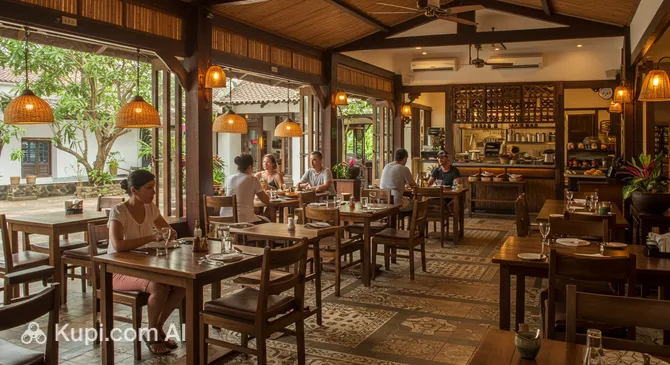
Maze Grill. Illustration.
Source: Kupi.com AI

Traveler photos:

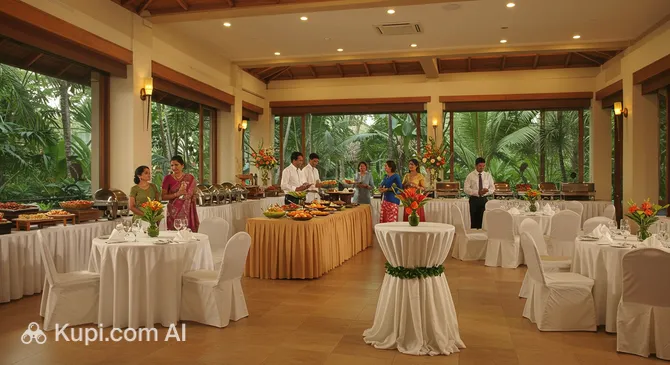
The food culture in Kelaniya is diverse: from simple street stalls to cozy restaurants. If you want to relax in a comfortable setting, you can visit Maze Grill, which serves a variety of grilled dishes. For a more formal dinner or to sample a banquet menu, Clover Banquets & Resorts is a good choice. Nonetheless, the true soul of the city is revealed in the small cafes and bustling markets where food is prepared right in front of you.

Travel Tips

Preparing for a trip to Kelaniya is the key to ensuring your journey is smooth and filled only with positive emotions. We have gathered the most important recommendations to help you feel comfortable in this spiritual center of Sri Lanka and avoid common beginner mistakes.

  1. Clothing and Dress Code. Given the hot tropical climate, choose loose clothing made of natural fabrics (cotton, linen). However, strict rules apply for visiting the main Kelaniya Raja Maha Vihara temple: shoulders and knees must be covered. The ideal option is white clothing, which symbolizes purity and respect. Remember that shoes must be removed before entering shrines, so bring a pair of socks to avoid burning your feet on the sun-heated stone.

  2. Transport and Movement. The most popular and affordable transport in the city is the three-wheeled tuk-tuk. To avoid haggling and inflated prices for tourists, we strongly recommend installing the PickMe or Uber apps. This will allow you to call transport at a fixed price. You can get to central Colombo cheaply by bus, but be prepared for them to be overcrowded during peak hours.

  3. Finances and Cash. The official currency is the Sri Lankan Rupee. While major hotels accept cards, you will definitely need cash in Kelaniya. It is needed for tickets, temple donations, paying for tuk-tuks, and buying fruit on the street. It is best to exchange money at the airport upon arrival or at official banks; avoid street money changers.

  4. Health and Hygiene. Never drink tap water — only buy bottled water with a factory seal. Mosquitoes are active in the tropical climate and can carry dengue fever, so be sure to use repellents, especially at dawn and sunset. Sunscreen with a high protection factor (SPF 50) is necessary even on cloudy days.

  5. Communication and Connection. English is widely spoken, and you will be understood in most tourist spots. For mobile internet, it is best to buy a local SIM card (Dialog or Mobitel) right at the airport — coverage in the Western Province is excellent. Learn the universal greeting "Ayubowan" (a wish for a long life) — it will instantly win over the locals.

  6. Temple Etiquette. This is the most important aspect of visiting Kelaniya. Be quiet and restrained inside the temples. It is strictly forbidden to take photos while standing with your back to Buddha statues — this is considered deeply disrespectful. If you want to take a photo, stand sideways or photograph only the statue itself.

  7. What to Avoid. Do not touch the heads of locals, even children. In Buddhist culture, the head is considered the most sacred part of the body, and touching it can be seen as an insult. Also, refrain from showing strong affection (kissing and hugging) in public places, and especially on the temple grounds.

  8. Best Time to Visit. Kelaniya transforms on Full Moon (Poya) days, when the temple fills with thousands of pilgrims in white clothing. It is an incredibly atmospheric sight, but if you prefer silence and want to examine the famous frescoes in detail without the crowd, plan your visit for an early weekday morning (around 7–8 AM).

Kelaniya is a hospitable and safe city where respect for traditions opens any door. By following these simple tips, you can fully immerse yourself in the unique atmosphere of this place without being distracted by small details.

Entertainment & Nightlife

Entertainment and nightlife in Kelaniya have their own special, quiet rhythm that differs significantly from the buzzing Colombo. This city is not famous for noisy discos or nightlife strips. Evening leisure here is primarily about leisurely dinners in good company, walks along the river at sunset, and visiting temples that take on a mystical atmosphere after dark.

Most activity after sunset is concentrated along the main transport artery — Kandy Road. This is where the main restaurants and cafes are located, staying open until late evening. The atmosphere in Kelaniya's establishments is relaxed and family-oriented; there is no strict dress code, though casual style is recommended for dinner in a nice place. The crowd mostly consists of locals and pilgrims, allowing tourists to experience the authentic way of life without the tourist gloss.

Clover Banquets & Resorts. Illustration.
Source: Kupi.com AI

Traveler photos:

For a pleasant evening, look into local restaurants that offer not just food but a cozy setting. For example, Maze Grill is an excellent choice for those who want to dine in a modern atmosphere and try grilled dishes. If you are looking for a place to spend time in a more formal setting or perhaps catch a local event, visit Clover Banquets & Resorts. This venue is popular among locals for celebrations but is also suitable for a quiet retreat.

For those seeking classic club life, cocktail bars, and dancing until dawn, remember: Kelaniya is a quiet suburb. For active nightlife, it is better to head to neighboring Colombo. A taxi or tuk-tuk ride takes only 20–30 minutes, and you will find yourself in the center of the capital's party scene with rooftop bars and nightclubs in the Fort or Kollupitiya districts. It is common practice to stay in quiet Kelaniya and go to the capital for entertainment.

In terms of safety, Kelaniya is a peaceful city. Evening walks along the well-lit main streets are quite safe. However, as elsewhere, it is best to avoid dark alleys and deserted riverside areas late at night. For moving around after dark, it is highly recommended to use the Uber or PickMe apps — these are the most reliable and safe ways to get to your hotel or restaurant, eliminating the need to haggle with drivers on the street.

Daytime entertainment in the city is also contemplative in nature. In addition to the mentioned temples and parks, you can diversify your cultural leisure by visiting small local markets that stay open until sunset. There are no theaters or large entertainment malls in the city itself, but its proximity to the capital fully compensates for this, allowing easy access to Colombo's cinemas and shopping centers in a short time.

Parks & Museums

While Kelaniya is primarily known as a spiritual center, the town and its surroundings offer travelers the chance to escape the bustle in a natural setting and touch a rich artistic heritage. There are no massive state museums or classic European-style city parks here, but green riverside areas and temple art treasures more than make up for it, creating a unique atmosphere for contemplation.

Parks and Natural Areas

The main natural ornament of the city is the Kelani River. Its banks serve as a natural recreation zone for locals and tourists. While there are no paved embankments with tiles, there are picturesque grassy slopes where you can have a picnic and watch the boats pass by. This place is especially beautiful at sunset, when the water turns golden and a light breeze brings coolness after a hot day.

Nature enthusiasts should visit Water World Lanka. This unique complex on the riverbank combines South Asia's first underwater tunnel aquarium with an extensive bird park. A walk here is an immersion into the world of tropical fauna: from bright parrots and flamingos in the garden to sharks and rays swimming overhead in the aquarium. It is a great alternative to traditional parks, especially for families with children.

Museums and Art

The role of the city's main art gallery is filled by the famous Kelaniya Raja Maha Vihara temple. Its inner halls are a true museum of Sri Lankan painting. The walls and ceilings are decorated with magnificent frescoes by Solias Mendis, which are compared to the paintings of Sigiriya for their artistic value. The images depict not only religious themes but also historical events, serving as a visual chronicle of the island. A visit to the temple replaces a trip to a history museum, allowing one to understand the soul of the Sri Lankan people through art.

It is also worth mentioning that Kelaniya is home to one of the country's leading universities — the University of Kelaniya. Although it is an educational institution, its grounds and architecture are steeped in the spirit of enlightenment, and the university library and cultural centers occasionally host exhibitions related to history and art that may interest dedicated cultural researchers.

Historical Heritage and Insider Tips

In the shadow of the main temple's fame lies a less known but historically significant shrine — Kitsirimewan Kelani Viharaya. Located on the opposite bank of the river, this ancient temple is said to be the resting place of the queen mother of King Dutugemunu. It is a quiet, authentic spot where you will find almost no tourists, perfect for those seeking solitude and wanting to see ancient architecture without the crowds.

Getting Around

The public transport system in Kelaniya is closely integrated with the transport network of neighboring Colombo. For a tourist, this means a wide range of travel options, though there are no metros or trams familiar to Europeans. The main burden falls on buses, rail connections, and maneuverable tuk-tuks, which are ideal for short distances.

Buses are the most affordable and common mode of transport. Since the busy Colombo–Kandy highway passes through the city, bus service is very frequent. You will encounter two types of buses: state-owned (usually red, SLTB) and private (multi-colored, often with loud music and lights). Stops are marked with signs, but drivers will often slow down if you wave your hand, provided it's safe.

Rail transport is a great alternative to traffic jams, especially if you need to reach the capital's center. Kelaniya Railway Station is located on the Main Line. Trains run on schedule, though delays are possible. This is the fastest way to get to Colombo Fort station (about 15–20 minutes) or to head inland toward Gampaha and Kandy.

The payment system in public transport is conservative and cash-based:

  • On buses, tickets are bought directly from the conductor inside. You need to name your destination, and they will tell you the fare. Always carry small bills (50, 100, 500 Rupees), as change for large banknotes may not be available.
  • On trains, tickets are purchased at the station ticket office before departure. It is important to keep your ticket until the end of the journey: it is often checked when exiting the destination platform.
  • Universal travel cards or contactless payments via validators on buses and trains generally do not exist.

For more comfortable travel around the city, it is recommended to use tuk-tuks (three-wheeled scooters) or taxis. The most reliable and safe way for a tourist is to book them through the PickMe or Uber mobile apps. This guarantees a fixed price and eliminates the need to haggle or explain directions, as the destination is set on the map. If you catch a tuk-tuk on the street, be sure to agree on the price before boarding or demand that they use a meter (meter taxi).

Practical Tips:

  • Avoid traveling by bus or train during peak hours (7:00 to 9:00 and 17:00 to 19:00), when transport is overcrowded.
  • Buses start running very early, around 5 AM, and operate until late evening (about 10:00–11:00 PM), but intervals increase at night.
  • Trains have different classes of carriages. For a short trip to Colombo, 2nd or 3rd class is perfectly fine, but be prepared for the lack of air conditioning (only open windows and fans).

Car sharing in the conventional sense is not developed in Kelaniya, but renting a car with a driver for the whole day is popular and convenient for long excursions. Bicycle rentals are rare and not recommended for beginners due to the chaotic and dense road traffic.

Accommodation

Choosing accommodation in Kelaniya has its own specifics, given the town's status as an important pilgrimage center and a close suburb of Colombo. You are unlikely to find massive chain resorts or ultra-luxury hotels from global brands here. The hospitality sector mainly consists of small guest houses, budget hotels for local travelers, and so-called "Rest Houses" that offer basic comfort at very affordable prices.

Many tourists prefer to stay in Colombo, where the choice of accommodation is much wider — from youth hostels to five-star hotels — and visit Kelaniya for a half-day trip. However, if your goal is full immersion in the spiritual atmosphere or the chance to visit the temple at dawn without the crowds, it makes sense to book a stay directly in town. The most convenient locations for staying are along the main Kandy Road (guaranteeing easy access to transport) or in quiet side streets near the Kelani River.

Booking Tips:

It is crucial to consider the calendar of Buddhist holidays when planning your trip. On Full Moon (Poya) days and especially during the massive annual Duruthu Perahera festival in January, demand for accommodation skyrockets. Thousands of pilgrims from all over the country flock to the town, making it almost impossible to find a free room upon arrival. During such periods, it is necessary to book accommodation several months in advance.

The price range in Kelaniya is generally lower than in the capital. The budget and mid-range segments predominate here. Most accommodation options are available on popular international online platforms, simplifying the planning process. However, for the smallest private guest houses, cash payment on-site may sometimes be required. If you are looking for high service levels and modern luxury amenities, it is wiser to choose a hotel in northern Colombo, from where Kelaniya's attractions can be reached by taxi in just 20–30 minutes.

Nearby Cities

For those looking to explore the surroundings, Kelaniya serves as an excellent starting point for day trips to several interesting nearby locations:

Colombo — the dynamic commercial capital of Sri Lanka, located literally next door. It is the center of the island's modern life, where skyscrapers stand alongside colonial architecture. It’s worth heading here for great shopping in malls, visiting the National Museum, or an evening stroll along the famous Galle Face Green, where you can try street food and fly a kite.

Mount Lavinia — a popular resort suburb south of the capital, known for its "Golden Beach" and relaxed atmosphere. It is an ideal destination for those who want to escape the city bustle for the ocean without traveling far. Here you can dine at seafood restaurants right on the sand and see the famous Mount Lavinia Hotel, which preserves a history of colonial romance.

Moratuwa — a city surrounded by water on three sides (Bolgoda Lake and the Indian Ocean), known for its woodworking traditions and musical culture. Travelers might enjoy boat trips on Bolgoda Lake, the largest natural body of water in the area, where you can watch birds and enjoy nature.

CityPopulationDistance
Kolonnawa64 8873 km
Colombo2 323 8266 km
Sri Jayawardenepura Kotte115 8267 km
Mabole29 8807 km
Maharagama195 35511 km

These nearby destinations provide a glimpse into the diverse culture and landscapes of the region, from bustling city streets to serene beaches and lake vistas.

Shopping & Souvenirs

Kelaniya is a place for spiritual enrichment rather than large-scale shopping. You won't find the massive malls with global brands that neighboring Colombo is famous for, but you can immerse yourself in the atmosphere of authentic Sri Lankan trade. The town offers an authentic shopping experience where prices are geared towards locals, and the assortment reflects the island's cultural traditions and everyday life.

The main commercial life bustles along the primary transport artery — Kandy Road. Here you will find clothing stores, electronics shops, pharmacies, and jewelry stalls. Another important point of interest is the area around the Kelaniya Raja Maha Vihara temple. On the approach to the shrine, rows of small kiosks and stalls form a colorful trading corridor catering to pilgrims and tourists.

In Kelaniya itself, there are no large Western-style shopping centers. For branded clothing, premium electronics, and major entertainment, tourists usually head to central Colombo, which is only a 15–20 minute drive away. In town, modern supermarket chains (such as Keells, Cargills, or Arpico) are popular, along with small local shopping complexes where you can buy quality textiles, saris, and household goods at very affordable prices.

The markets in Kelaniya are a riot of colors and scents, offering a glimpse into the daily lives of Sri Lankans. Food stalls and street markets are particularly interesting for travelers, where you can find fresh tropical fruits: mangoes, papayas, rambutans, and the famous king coconuts. During religious holidays, the streets fill with temporary bazaars selling sweets, toys, and handmade crafts.

As souvenirs from Kelaniya, consider items related to Buddhist culture: carved wooden figurines, traditional masks, or incense sets, which are sold in abundance near the temples. The region is also historically famous for its pottery — local clay vessels (curry cooking pots, jugs) are known for their excellent quality and authentic look. Don’t forget about Ceylon tea and spices (real cinnamon, cardamom, pepper), which are best purchased in sealed packaging at supermarkets.

Most private shops open around 9:00–10:00 AM and work until 8:00–9:00 PM. Supermarkets are usually open until 10:00 PM. It is important to remember that on Full Moon days (Poya Days), many shops may be closed or operate on a shortened schedule, and the sale of alcohol and meat is prohibited everywhere on these days. The main method of payment is cash in Rupees. Credit cards are accepted in supermarkets and large stores, but they will be useless in small souvenir stalls and fruit markets.

Since Kelaniya is not a duty-free zone and lacks large luxury department stores, the Tax-Free refund system is practically non-existent in local shops. VAT refunds can only be claimed for purchases made at certified large retail outlets (usually located in Colombo), provided the documents are correctly filled out and presented at the airport before departure.

Reached the end of the page?

That means the route is fully explored