Support

Kalutara

About

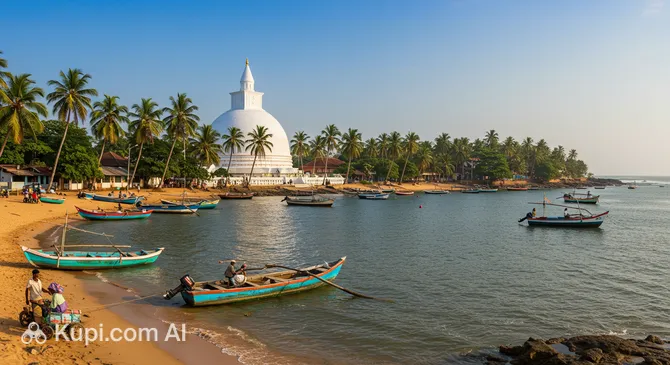
Kalutara is a picturesque and atmospheric town on the west coast, nestled where the sacred Kalu Ganga River meets the Indian Ocean. Located just 40 kilometers south of Colombo, this resort serves as an excellent starting point for a journey across Sri Lanka. Here, turquoise sea waters harmoniously blend with dense tropical greenery, creating a unique landscape.

Kalutara. Illustration.
Source: Kupi.com AI

Despite its status as the regional administrative center, Kalutara remains intimate and cozy: with a population of about 37,000, the city is free from the hustle and bustle of noisy metropolises. This place is steeped in the spirit of the past, as for centuries it was an important hub for the spice trade. Learning more about how the resort's unique character and cultural heritage were shaped can be found in the rich history of Kalutara.

The city's architecture is a whimsical blend of colonial mansions, modern buildings, and ancient temples. Key attractions include the famous bridge over the river, which has become a symbol of the city, and majestic Buddhist dagobas. Kalutara is ideal for those seeking balance: here you can enjoy a slow-paced beach holiday, go rafting on the river, or immerse yourself in the study of the island's authentic culture.

Weather Overview

The climate of the resort is typical for the tropical coast of Sri Lanka: an eternal summer reigns here with high humidity and consistent warmth. The average air temperature throughout the year fluctuates in a comfortable range from 26.5°C to 28.0°C. During the day, the air usually warms up to 29–31°C, while nights bring only a slight freshness with temperatures around 24–26°C. Detailed weather in Kalutara will help you better prepare for your trip and choose the right wardrobe.

Rainfall patterns change significantly depending on the season. The most favorable time for a visit is considered to be January and February, when the number of rainy days is minimal (about 12–13 per month). In contrast, May, June, and October are the wettest months, when it can rain almost daily (up to 30 days of precipitation), so an umbrella or raincoat will be your indispensable companion during this time.

Average monthly temperature

Average monthly precipitation

Interesting Facts

Kalutara holds many fascinating secrets that reveal themselves only to the most inquisitive travelers. This city wonderfully combines ancient Buddhist traditions with a rich colonial heritage.
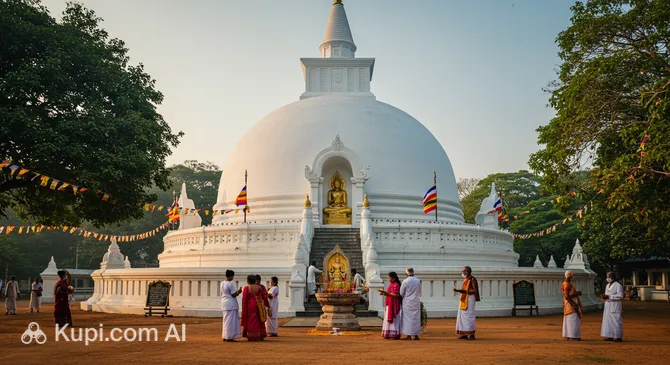
  • The sacred Kalutara Bodhiya complex is famous for being home to one of the 32 saplings of the legendary Bodhi tree. According to tradition, it was under such a tree that Buddha attained enlightenment, making the city one of the island's most important pilgrimage centers.

  • The local stupa, Gangatilaka Vihara, is a unique architectural phenomenon. Unlike most Buddhist dagobas, which are monolithic structures, this stupa is hollow inside. Visitors can enter beneath its massive snow-white dome and view colorful frescoes depicting scenes from the life of Buddha.

  • The bridge spanning the Kalu Ganga River is more than just a crossing; it is a historical record-holder. Built in the 1890s, it was the first reinforced concrete bridge in Sri Lanka. Its unusual engineering design, which utilizes a natural island in the middle of the river, continues to inspire admiration today.

  • The city's appearance captures the history of three European powers: Portugal, the Netherlands, and Great Britain. Kalutara is rich with colonial mansions and the ruins of old forts, where Western architectural traditions are whimsically intertwined with local flavor.

Kalutara Bodhiya. Illustration.
Source: Kupi.com AI

Traveler photos:

How to Get There

When planning a journey to this picturesque resort on the island of Sri Lanka, it is worth thinking through the logistics in advance. You can find more details on how to get to Kalutara to choose the best route and mode of transport for your trip.

The city does not have its own airport, so the main arrival point for most international tourists is the country's primary aviation hub. The closest and most convenient option is Bandaranaike International Airport (IATA: CMB), located in Colombo. It is approximately 66 km from the resort. The journey by taxi or tourist transfer usually takes about 1.5–2 hours, allowing you to immerse yourself in the island's atmosphere on the way to your hotel.

An alternative for domestic flights is Koggala Airport (IATA: KCT), located in the town of Koggala, about 77 km from Kalutara. However, keep in mind that this airport is much smaller and focuses primarily on domestic flights and air taxis, so it is more often used for quick travel within the country than for arriving from abroad.

For convenience, here is a summary of the main airports used to reach the region:

AirportPassenger trafficDistance
Kotte (Diyawanna Oya SPB)2 00036 km
Bandaranaike International Airport8.8 mln66 km
Castlereigh Reservoir Waterdrome4 00075 km
Koggala Airport5 00077 km
Polgolla Reservoir Airport3 000111 km

Main Attractions

Kalutara offers travelers more than just a beach holiday; it provides an opportunity to touch the island's rich cultural and natural heritage. The city's main attractions are centered around its spiritual life and colonial history, creating a unique route for exploration.

The undisputed architectural landmark and center of spiritual power is Kalutara Bodhiya. This sacred Buddhist complex is located at the southern end of the bridge over the Kalu Ganga River. Tourists are drawn here not only by the site's religious significance but also by the chance to see one of the few hollow stupas in the world. You can step inside the massive white dome, which features amazing acoustics and a coolness perfect for meditation. It is an ideal spot to observe local rituals and find a sense of peace.

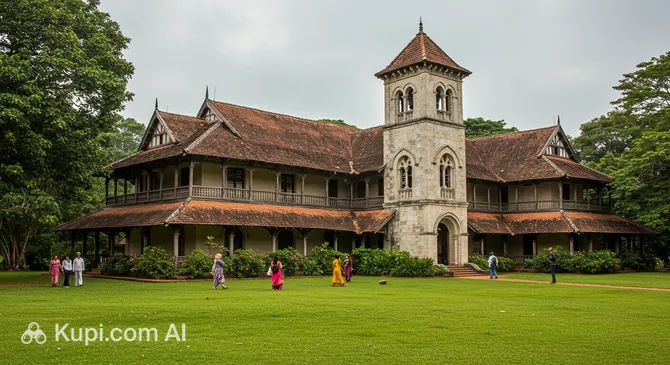
For lovers of history and exquisite architecture, Richmond Castle is a must-visit. This majestic two-story mansion, built in the early 20th century by a wealthy philanthropist, is set in a picturesque area surrounded by fruit orchards. The building is a curious fusion of Indian and British architecture: it is said that the construction materials were brought from all over the world. Tourists come here to admire the intricate wood carvings, the 99 doorways, and to hear the tragic and romantic story of its owner.

Richmond Castle. Illustration.
Source: Kupi.com AI

Traveler photos:

One cannot overlook the city's natural landmark—Calido Beach. This narrow strip of land, wedged between the river and the ocean, has unfortunately suffered from erosion but remains a popular spot. It is here that you can witness a unique natural phenomenon: the dark waters of the Kalu Ganga merging with the salt waves of the Indian Ocean. The location is especially beautiful at sunset when the sun sinks directly into the water, painting the sky in incredible shades.

Local Cuisine

Kalutara's local cuisine is a vibrant reflection of the city's history as a trading port, where the culinary traditions of different nations have blended over centuries. The gastronomy here is built on the generous use of aromatic spices, fresh seafood, and tropical fruits. For tourists, it is a true paradise: from simple street snacks to exquisite dishes in hotel restaurants like Kalutara Resort, which often serves adapted versions of local delicacies for international guests.

One of the most popular street foods is kottu roti. This hearty dish is prepared on large flat griddles right in front of customers: the cook rhythmically chops thin flatbreads with metal blades, mixing them with vegetables, egg, chicken, and spices. The sound of kottu being prepared can be heard from afar and serves as a unique invitation to dine. Another gastronomic hit is lamprais. This legacy of Dutch colonizers consists of rice boiled in meat stock, which is then baked in a banana leaf along with meatballs, curry, and sambal, giving the food a special aroma.

Seafood lovers should look out for dishes featuring prawns, calamari, and fresh fish. Here, they are prepared in two main ways: grilled with minimal additions or simmered in a thick sauce of coconut milk and curry. The spiciness of the dishes can be high, so it is worth specifying your preferred heat level when ordering.

Among drinks, the absolute leader is king coconut (thambili) water. These orange nuts are sold everywhere along the roads and on beaches; their juice is excellent for quenching thirst and restoring energy. For dessert or a light snack, local fruits are perfect: juicy mangoes, sweet papaya, rambutans, and pineapples, which can be bought at the city markets.

The dining culture in Kalutara is casual. In the evenings, mobile street food stalls open on the embankments, where you can have an inexpensive snack of spicy samosas or sweets made with palm sugar. Occasionally, the city hosts gastronomic festivals, allowing tourists to dive deeper into the region's culinary traditions and watch local chefs at work.

Travel Tips

Welcome to Kalutara! To ensure your trip is as comfortable as possible and leaves only pleasant memories, we have prepared a list of practical recommendations. These tips will help you easily navigate local customs and feel confident in this colorful corner of Sri Lanka.

  1. Clothing and Gear. Given the tropical climate, opt for loose clothing made from natural fabrics like cotton or linen. Be sure to bring sunscreen with a high SPF, sunglasses, and a hat. A strict dress code is required for visiting temples (e.g., Kalutara Bodhiya): shoulders and knees must be covered, and shoes must be removed before entering, so bring socks to avoid walking on hot stone barefoot.
  2. Transport. The most popular way to get around town is by three-wheeled tuk-tuks. Always agree on a price before the trip begins or ask the driver to use the meter. For longer or more comfortable trips, we recommend installing the **PickMe** or Uber apps—this is often cheaper and more reliable than hailing a taxi on the street. Renting a car without a driver is not recommended due to the chaotic local traffic.
  3. Finances. The official currency is the Sri Lankan Rupee. It is best to exchange money at official exchange offices or banks and keep your receipts. Major hotels accept cards, but for markets, small cafes, and transport, you will definitely need cash, and it is better to have a supply of small bills. Tipping is not mandatory but appreciated: about 10% of the bill in a restaurant is good etiquette.
  4. Health and Safety. Drink only bottled water and avoid iced drinks in street cafes, as the ice may be made from tap water. The ocean in Kalutara can be treacherous due to strong undercurrents, so only swim in safe zones marked by flags or in hotel pools. Also, don't forget insect repellent—mosquitoes are active here, especially in the evening.
  5. Communication. English is widely spoken in tourist areas, so communication should not be an issue. For mobile internet, it is most cost-effective to buy a local SIM card (e.g., Dialog or Mobitel) immediately upon arrival at the airport. Learn a simple greeting, "Ayubowan" (wishing you a long life)—it will instantly endear you to the locals.
  6. Local Etiquette. Sri Lanka is a country of traditions. Accept and pass items, money, or food only with your right hand, as the left is considered "unclean." When visiting religious sites, behave quietly and respectfully.
  7. What to Avoid. Never take photos while standing with your back to a statue of Buddha—this is considered a serious insult to the feelings of believers. Also, try not to raise your voice or show aggression in disputes: here, problems are solved with a smile and calm, and shouting will only lead to a loss of respect.
  8. Important Nuance. Take note of full moon days, called Poya Days. These are sacred Buddhist holidays during which the sale of alcohol and meat in public places and shops is prohibited. Plan your leisure and purchases in advance if your holiday falls on these dates.

By following these simple tips, you can avoid minor troubles and focus entirely on your vacation. Kalutara is a welcoming city that joyfully reveals its secrets to those who respect its culture and traditions. We wish you a safe and unforgettable journey!

Entertainment & Nightlife

Entertainment and nightlife in Kalutara have a distinct, leisurely rhythm that differs significantly from the loud parties in Colombo or the southern surfing resorts. Here, you won't find the neon signs of major nightclubs or streets pulsing with music until dawn. The primary format for evening leisure is elegant relaxation within hotel grounds, romantic dinners on the coast, and watching incredible sunsets to the sound of the Indian Ocean.

The center of the resort's evening life is the bars and lounge areas of large hotel complexes. This is where all the tourist infrastructure is concentrated, from high-quality spirits to entertainment programs. For example, at the Kalutara Resort and nearby high-end hotels, there are often themed evenings with live music, performances by local cover bands, or traditional Sri Lankan dances. Entry to hotel bars is usually open even to non-residents, though be prepared for prices higher than the city average (a cocktail may cost between 1,500 and 3,000 rupees).

The atmosphere in Kalutara's venues is relaxed and casual. There is no strict dress code, but for an evening visit to a restaurant or bar, it is better to stick to a smart-casual style: light trousers and a shirt for men, and a dress for women. Beachwear is inappropriate in the evening. The crowd consists mostly of couples and families who prefer quiet conversation over a glass of wine or arrack (local coconut spirit).

If you crave variety outside the hotels, you can stroll along the main Galle Road. Small local cafes and restaurants are located here, where you can have an affordable dinner of fresh seafood. However, keep in mind that "street" life in the city winds down quite early—by 10:00 PM, most establishments close, and the streets become empty.

Regarding safety and logistics, Kalutara at night requires attention. Walking within the well-lit areas of hotels is perfectly safe, but it is better to avoid nighttime walks on deserted beaches due to the lack of lighting. Transport late at night can be difficult: catching a tuk-tuk on the street after 11:00 PM is problematic. We recommend arranging a return trip with your driver in advance or ordering a transfer through your hotel reception.

The daytime entertainment program in the city is more filled with cultural events. While the nightlife waits for sunset, during the day you can visit the majestic Richmond Castle to enjoy the architecture and peaceful gardens, or go on a river safari along the Kalu Ganga. This contrast between an active, educational day and a peaceful evening makes a holiday in Kalutara both harmonious and restorative.

Parks & Museums

Kalutara offers travelers not only a relaxed beach holiday but also the chance to experience its rich natural and cultural heritage through its park areas and historical monuments. The city and its surroundings harmoniously combine lush tropical greenery with architectural masterpieces that preserve the memory of its colonial past and spiritual traditions.

Speaking of natural areas, it is impossible not to mention the picturesque banks of the Kalu Ganga River. Although there are no large classical parks with alleys in the city center, the river compensates with its mangroves and quiet backwaters. It is an ideal spot for eco-tourism: during a boat trip, you can see monitors, kingfishers, and other tropical inhabitants in their natural habitat. Calido Beach is also popular—a narrow strip of land between the river and the ocean that serves as a natural walking area with stunning sunset views.

For fans of landscape art, a trip to "Brief Garden," located in the immediate vicinity of Kalutara, will be a true discovery. This famous garden, created by Bevis Bawa, is a labyrinth of tropical plants, cozy patios, and sculptures. Here, nature intertwines with art, creating an atmosphere of seclusion and inspiration that draws tourists from all over the world.

In the category of museums and historical buildings, Richmond Castle is the undisputed highlight. This majestic early 20th-century mansion now functions as a museum, opening its doors to the era of British colonialism. Tourists are attracted by the opportunity to see the preserved interiors: a massive ballroom with a unique natural ventilation system, teak staircases, and old photographs telling the dramatic story of the owner's family.

Richmond Castle. Illustration.
Source: Kupi.com AI

Traveler photos:

Another important cultural site with an educational function is the Kalutara Bodhiya complex. The interior of its unique hollow stupa is a true gallery of Buddhist painting. The walls are decorated with dozens of frescoes that sequentially narrate the life of Prince Siddhartha and his journey to enlightenment. This place allows you not only to see religious relics but also to deeply understand the country's cultural code through visual art.

Insider Tip: If you want to see something truly ancient and hidden from the mass tourist, head to the Fa-Hien Cave (Pahiyangala), located an hour's drive from the city. This is one of the largest caves in Asia, where traces of prehistoric humans were found, and the path to it lies through picturesque jungles, which is an adventure in itself.

Getting Around

The public transport system in Kalutara, as in many small coastal towns in the region, is characterized by its simplicity and local flavor. There are no subways or trams, and the main burden of passenger transport falls on buses, trains, and the ubiquitous three-wheeled motor taxis. The transport network is developed enough for tourists to move freely between beaches, attractions, and neighboring resorts without needing to rent a car.

The most popular and budget-friendly way to get around is by bus. The busy Galle Road runs through the city, served by two types of buses: state-owned (usually red, CTB) and private (white or brightly decorated). State buses are often more spacious and drive more calmly, while private ones are famous for loud music and high speeds. Tickets are purchased directly on board from the conductor for cash. Prices are very affordable: a trip across town costs pennies, and a ride to neighboring towns is also very inexpensive.

The railway connection deserves special attention. The railway runs right along the ocean coast, turning an ordinary trip into a scenic tour. There are two stations within the city limits: "Kalutara North" and "Kalutara South." Trains are an excellent option for reaching Colombo or Galle while avoiding road traffic. Tickets are sold at the station counters just before departure; there is no need to book 2nd and 3rd class seats in advance, though carriages can be crowded during peak hours.

For short distances within the resort, tuk-tuks are indispensable. These nimble three-wheeled vehicles can navigate narrow streets and take you right to the entrance of your hotel or restaurant. In Kalutara, not all drivers use meters, so it is critical to agree on the price before getting in. Bargaining here is not just appropriate, but necessary. As a guide, you can use rates from online apps or ask hotel staff for an approximate price.

Modern technology is also available to tourists: popular taxi aggregators such as PickMe and Uber operate in the city. Through the app, you can order a tuk-tuk (which eliminates the need to bargain) or a comfortable air-conditioned car. This is the most reliable way to pay, as the price is fixed by the app, and you can link a bank card, though drivers often still prefer cash.

Tourists should keep a few practical nuances in mind. Public transport starts early in the morning, around 5:00 AM, and slows down after 8:00–9:00 PM. At night, the only options are taxis or tuk-tuks. The payment system is predominantly cash everywhere, so always keep small bills and coins with you—conductors and drivers often do not have change for large banknotes. There are no validators or electronic travel cards for the city's public transport.

Accommodation

Kalutara's hotel sector is diverse and accessible, offering options for travelers with any budget. The range of accommodation extends from affordable family guesthouses and small boutique hotels to large all-inclusive resort complexes. Here you can find both a modest room for the night and luxury suites with ocean views, where the sound of the surf will accompany you around the clock.

The most popular and convenient areas for tourists to stay are concentrated along the coastline, especially in the northern part of the city known as Waskaduwa. Staying here allows you to combine a beach holiday with easy access to the main transport artery—Galle Road—making it simple to travel around the surrounding area. Hotels located closer to the mouth of the Kalu Ganga River offer unique views of the confluence of the river and the ocean, creating a particularly romantic atmosphere.

Among the many options, several large hotels have become landmarks of the coast. An example of such a place is Kalutara Resort. Such complexes often feature their own expansive grounds, swimming pools, and direct beach access, providing guests with a high level of comfort and privacy, which is especially valued by those seeking a peaceful escape.

The price range in Kalutara can be described as moderate. Budget accommodation is available at very attractive prices, while the cost of staying in luxury hotels remains competitive compared to more famous resorts in the south. For booking, it is most convenient to use popular international online platforms, though small guesthouses often accept reservations directly via messengers or social media.

Booking Tip: If your trip falls during the peak season (December to March) or during the Sri Lankan New Year in April, you should search for and book accommodation in advance. The best options with the optimal price-quality ratio during these times are often booked several months before arrival.

Nearby Cities

For those who want to explore the surrounding area, Kalutara serves as an excellent starting point for day trips to several interesting nearby locations. Its convenient position on the main coastal highway makes it easy to reach the country's major cultural and tourist centers.

The undisputed leader for an excursion is Colombo—the dynamic commercial capital of Sri Lanka. Here, travelers can immerse themselves in an atmosphere of contrasts: visit the colorful Pettah Market, stroll along the Galle Face Green promenade, and admire the colonial architecture of the Fort district. It is the perfect place for shopping and experiencing the island's urban life.

Another attractive destination is Mount Lavinia, a famous resort suburb steeped in the spirit of colonial romance. The town is known for its legendary hotel, a former governor's residence, and wide golden beaches where parties are often held. It is an excellent choice for those who want to combine a beach holiday with a historical tour and a delicious sunset dinner.

CityPopulationDistance
Katukurunda5 km
Bentota37 00019 km
Kesbewa243 84221 km
Moratuwa200 00024 km
Mount Lavinia245 97428 km

These nearby destinations provide a glimpse into the diverse culture and landscapes of the region, making your holiday even more rich and memorable.

Shopping & Souvenirs

Shopping in Kalutara is a fascinating immersion into the authentic atmosphere of Sri Lanka. Here, you won't find the massive shopping malls with luxury brands that larger cities are famous for. Instead, the town offers cozy shops, bustling bazaars, and unique artisanal crafts. It is the perfect place for those who want to bring home something real, made by the hands of local masters, rather than factory-made items.

The main commercial life pulses along the city's primary transport artery—Galle Road. Strolling along this busy street, you will find numerous clothing stores, jewelry showrooms, and shops with household goods. This is where most commercial activity is concentrated: from the sale of bright saris and beach accessories to small souvenir kiosks where you can find interesting trinkets.

While there are no classical shopping centers in the Western sense, tourists should look out for large supermarket chains like Arpico Supercentre. For travelers, these are perhaps the most convenient places to buy factory-packaged Ceylon tea, spice sets, and local alcohol at fixed prices. Here you can shop in a comfortable, air-conditioned environment without the need to bargain.

True local flavor can be felt at the city market. This is where the locals shop, so prices are quite reasonable. The stalls are overflowing with piles of exotic fruits, the freshest fish, and vegetables. The market is not just a place for buying and selling but a center of social life. Bargaining is expected here, and the price negotiation process often turns into an emotional but friendly conversation.

The main pride and hallmark of shopping in this region is wickerwork. Kalutara is historically famous for its artisans who create amazing items from dried and dyed palm leaves. Be sure to buy colorful baskets, boxes, hats, wallets, or lampshades as souvenirs. Additionally, traditional Sri Lankan goods are popular: natural cosmetics based on Ayurvedic herbs, coconut oil, batik products, and, of course, gemstones, which should only be purchased from certified stores.

Most private shops are open from 9:00–10:00 AM until 8:00–9:00 PM. Markets start much earlier, often at dawn, and by lunch, the selection of fresh products has already diminished. As for payment, cash rupees remain king. Bank cards are accepted in supermarkets and large stores on Galle Road, but in souvenir shops, the market, and small kiosks, you won't be able to manage without cash.

The Tax Free system is practically nonexistent in standard retail in small resort towns. If you are planning expensive purchases with the intention of claiming a VAT refund, it is better to do so in specialized stores in Colombo or purchase items in the duty-free zone of the international airport before departure.
Reached the end of the page?

That means the route is fully explored