Mount Lavinia is a charming coastal suburb located just a few kilometers south of bustling Colombo, Sri Lanka's largest city. This place is famous for its unique "coastal suburb" atmosphere, where colonial heritage harmoniously intertwines with a relaxed beach rhythm of life. The town's population is about 246,000 people, making it lively yet more tranquil compared to the capital.
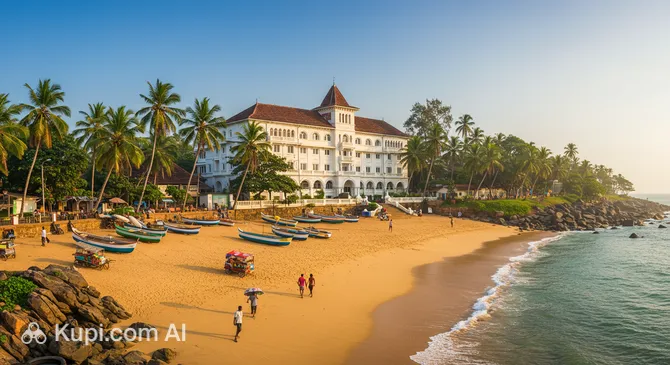
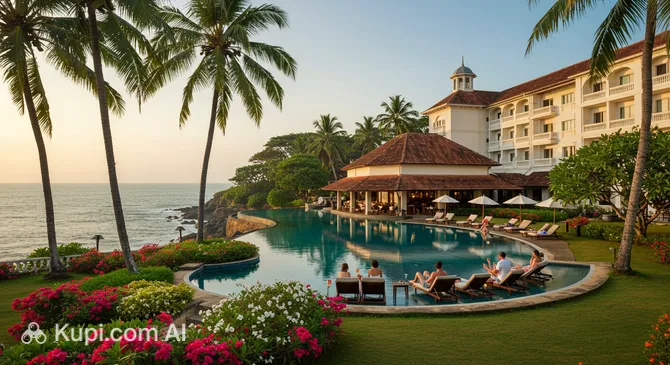
The main pride of the town is the so-called "Golden Mile" — a strip of clean beaches lined with cozy villas and cafes. The resort owes much of its name and popularity to the romantic love story between a British governor and a local dancer, which served as the basis for the creation of the famous Mount Lavinia Hotel. This majestic white mansion on the cliff remains the main visual landmark of the coast.
Mount Lavinia. Illustration.
Source: Kupi.com AI
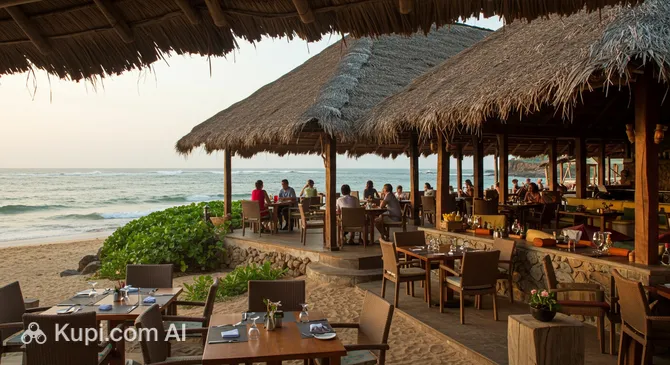
Tourists are attracted here not only by the opportunity to relax by the ocean but also by the convenient location: from here, it is easy to reach the key attractions of the Western Province. In Mount Lavinia, you will find a combination of authentic local markets, colonial architecture, and magnificent sunsets, which are best observed while sitting in one of the coastal restaurants. It is an ideal place for those who want to combine exploring Sri Lankan culture with a comfortable beach retreat.
Weather Overview
The climate in Mount Lavinia is a classic tropical monsoon, which means consistent warmth and high humidity throughout the year. The average daytime temperature ranges between 27–32°C. Thanks to its proximity to the ocean, the heat here is more bearable than deep inland, thanks to refreshing sea breezes. You can find out the current weather forecast for Mount Lavinia on the special page of our guide.
The year is divided into two main seasons. The dry period lasts from December to March — this is an ideal time for a beach holiday when the sky is most often cloudless and the ocean is calm. From May to September, the rainy season arrives, brought by the southwest monsoon. During this time, rainfall can be heavy, but it usually falls as short-lived showers, after which the sun comes out again. May is traditionally considered the wettest month, when rainfall can reach 360 mm.
When planning your trip, it's worth considering that even in "dry" months, humidity remains high, which creates a feeling of stuffiness away from the shore. The most comfortable months to visit are January and February, when the weather is most stable and sunny, and the average ocean temperature is a pleasant 28°C.
Average monthly temperature
Average monthly precipitation
Interesting Facts
Mount Lavinia is not just a beach suburb, but a place steeped in legends and possessing a unique character. Here are some curious facts that will reveal the town from a new side:
A Romantic Name: The town got its name in honor of Lovina Aponsuwa, a local dancer with whom British Governor Thomas Maitland was in love. In 1806, he built his residence (now the famous hotel) and named it after his beloved.
Secret Tunnel: It is said that there was an underground tunnel between the Governor's residence and Lovina's house, through which the lovers met secretly. Part of this tunnel is still preserved today on the grounds of the Mount Lavinia Hotel.
Gull Hill: The original Sinhalese name for the area is Lihiniya Kanda, which translates as "Gull Hill". This name was given to the headland long before the arrival of the British.
Trains by the Sand: One of the most picturesque railway lines in the world passes through here. The rails are laid so close to the ocean that it seems as if the train is traveling right along the beach through palm groves.
Colonial Style: Despite modern development, the area retains the spirit of British Ceylon thanks to the architecture of old villas and traditions such as the Baila musical genre, which emerged from a mix of Portuguese and Sri Lankan motifs.
How to Get There
Transport accessibility is one of Mount Lavinia's main advantages. Located just 10–12 kilometers south of central Colombo, it serves as a convenient gateway for travelers arriving on the island. The main artery connecting the town with the capital and the south coast is the A2 highway (Colombo–Galle), which is constantly served by buses and taxis. More detailed information about logistics can be found on the how to get to Mount Lavinia page.
For international travelers, the main hub remains the country's main airport, located about 40 kilometers away. A taxi ride will take from one to one and a half hours depending on the traffic situation, which can be quite heavy during peak hours. If you prefer a budget-friendly and colorful option, you can take a bus from the airport to Colombo Fort station and then transfer to a southern train.
The railway is the fastest and most atmospheric way to travel between Mount Lavinia and the central districts of the capital. The trip from Mount Lavinia station to Colombo Fort takes only about 20–30 minutes. Trains run frequently, and the view of the ocean waves from the window makes this short journey unforgettable. It is also convenient to head south from here—towards Galle and Matara.
Station
Passenger traffic
Distance
Maradana Railway Station
7
11 km
Fort Railway Station
9
12 km
Fort Railway Station
9
12 km
Galle Railway Station
4
95 km
Nanu Oya railway station
5
96 km
Main Attractions
A trip to Mount Lavinia is inconceivable without visiting its main jewel — the spacious beach with golden sand. It is one of the favorite holiday spots not only for tourists but also for residents of the capital, who come here for swimming and evening walks. One of the most recognizable features of the local landscape is the railway passing literally a couple of meters from the beach: bright red trains against the blue ocean and palm trees create perfect shots for photographers.
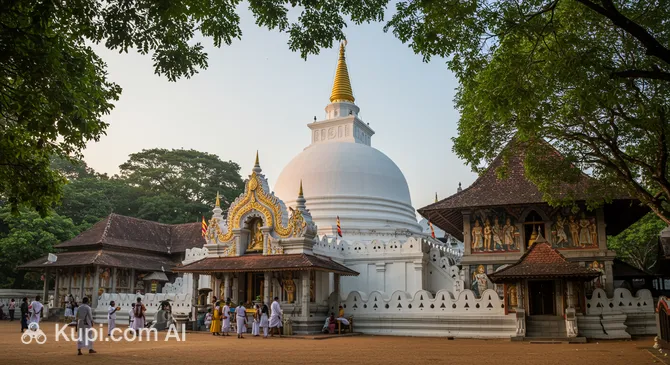
For those interested in spiritual culture, a mandatory stop is the Bellanwila Rajamaha Viharaya Temple. This is one of the most revered places in the region, famous for its sacred grove and majestic Buddha statues. The atmosphere of peace and tranquility here contrasts sharply with the city bustle.
Bellanwila Rajamaha Viharaya. Illustration.
Source: Kupi.com AI
Traveler photos:
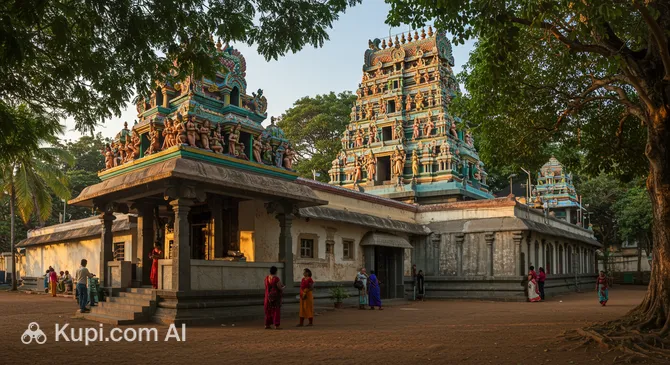
Another important religious site is the Sri Venkateshwarar Maha Vishnu Moorthy Kovil. This is a vivid example of Hindu architecture with intricately crafted gopurams (towers) decorated with many colorful figures of deities. A visit to this temple allows you to touch the centuries-old traditions of the Tamil community.
Sri Venkateswara Maha Vishnu Temple. Illustration.
Source: Kupi.com AI
Traveler photos:
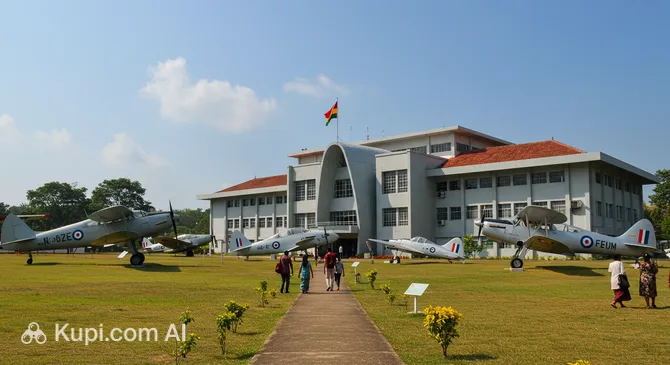
History and technology enthusiasts should head to the Sri Lanka Air Force Museum, located in neighboring Ratmalana. It features an impressive collection of aircraft, helicopters, and aviation equipment used during various periods of the country's history. It is a great place for an educational excursion for the whole family.
Sri Lanka Air Force Museum. Illustration.
Source: Kupi.com AI
Traveler photos:
Local Cuisine
The culinary scene in Mount Lavinia is a true paradise for lovers of fresh seafood and authentic spices. The main hits of the local menu are the gifts of the ocean: here you should definitely try the crab curry, fried prawns in garlic butter, and tender fish grilled right before your eyes in a beach cafe. A traditional Sri Lankan lunch usually consists of aromatic rice and several types of curry, including the famous Ambul Thiyal — a tuna dish made with dried garcinia (goraka), which gives the dish a characteristic sourness.
For a quick snack, "hoppers" (thin bowl-shaped rice flour pancakes) and kottu roti — chopped flatbread with vegetables, meat, and spices, the preparation of which is accompanied by the rhythmic clatter of metal blades — are perfect. You can try modern interpretations of fast food at Street Burger, and for a beach holiday atmosphere and cocktails, head to Soo Beach.
Soul Beach. Illustration.
Source: Kupi.com AI
Traveler photos:
The food culture here is diverse: from casual food shacks on the sand to exquisite colonial-style restaurants. An evening dinner on the beach to the sound of the surf is a mandatory ritual for every tourist. Among drinks, the King Coconut juice holds the top spot, while in the evening, locals and guests prefer a cool Lion beer or a shot of the traditional strong drink — arrack, made from the sap of the coconut palm.
Travel Tips
Preparing for your trip to Mount Lavinia will be easier if you take advantage of these practical tips, proven by many travelers.
Clothing and Protection: Bring light clothing made from natural fabrics, as humidity is high here. Don't forget sunscreen with high SPF and a hat. When visiting temples, be sure to cover your shoulders and knees; comfortable shoes that are easy to take off before entering a sanctuary will be an advantage.
Transport: Use the PickMe or Uber app to move around the city — this will save you from having to haggle with tuk-tuk drivers. Remember that during peak hours, the road to Colombo can take twice as long due to traffic jams.
Finances: Always have cash Sri Lankan rupees with you to pay in small shops and tuk-tuks. Cards are accepted in hotels and large restaurants, but it's better to look for ATMs on the main streets (Galle Road). A 10% tip is welcome but is often already included in the bill.
Communication: Buy a local SIM card (for example, Dialog or Mobitel) right at the airport or at one of the stores in town. This will provide you with inexpensive mobile internet, which works stably in Mount Lavinia.
Safety: The area is generally safe, but you should be vigilant on the beach. Beware of pushy "beach boys" offering dubious services or excursions. In the evening, try to avoid walking alone through unlit residential alleys.
Etiquette: Sri Lankans are very friendly. Greet locals with a smile or a slight nod of the head. Remember that it is better to hand over money or food with your right hand — it is a sign of respect.
What to Avoid: Never turn your back to a Buddha statue for a photo and do not try to climb on religious objects. Also, refrain from swimming in the ocean in places where red flags are installed — the currents here can be very treacherous.
Water: Drink only bottled water. Even for brushing your teeth in budget guesthouses, it is better to use bottled water to avoid stomach problems.
May your acquaintance with this colorful suburb leave only the warmest memories and a desire to return here again!
Entertainment & Nightlife
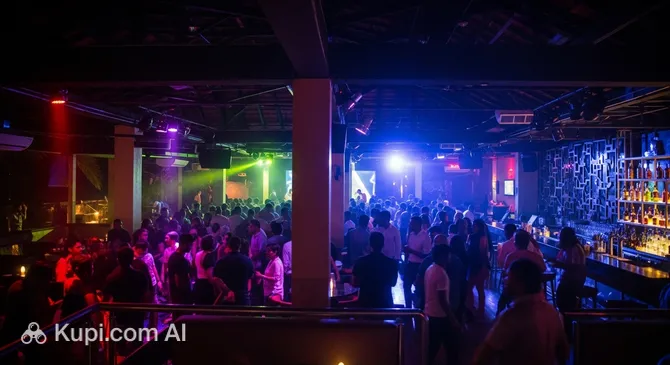
Entertainment in Mount Lavinia is mainly concentrated along its famous shoreline. Unlike the noisy center of Colombo, a more relaxed atmosphere prevails here: most evenings are spent in cozy beach bars and restaurants where you can enjoy the sound of the surf and live Baila music. The main activity begins closer to sunset, when the beach fills with people and venues light up their lamps.
One of the interesting places for evening relaxation is the Tunnel Lounge, where you can spend time in a stylish setting. For those who prefer more traditional formats, Sinhara Restaurant, known for its seafood and friendly service, hospitably opens its doors. If you are looking for a place with a historical flair and the opportunity to cool off in a pool, it's worth checking out the Old Thomians' Swimming Club.
Tunnel Lounge. Illustration.
Source: Kupi.com AI
Traveler photos:
Although there are no giant nightclubs in the area itself, many hotels organize cultural shows with traditional Kandyan dances, which impress with their expression and bright costumes. Peak activity occurs on weekends, when beach parties can last until midnight. For those who want larger dance floors and bars, a taxi or tuk-tuk ride to the center of Colombo will take no more than 20–30 minutes.
Parks & Museums
Although Mount Lavinia is primarily a densely built suburb, you can find interesting corners for walks and cultural enrichment here. The role of the main "park" in the area is traditionally played by the wide coastal strip, where the shade of coconut palms and the sea breeze create a natural relaxation zone. For nature lovers, the Attidiya Bird Sanctuary is located in the vicinity of the city, where you can find rare birds among the mangroves and enjoy the silence.
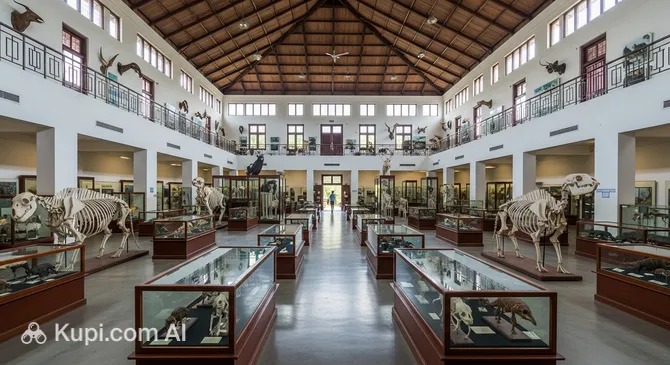
Fauna enthusiasts should check out the Museum at Dehiwala Zoo. This facility is part of the country's largest zoological garden and offers an opportunity to see interesting exhibits telling about the island's biodiversity and the history of the zoo itself. This is a great addition to the main walk through the garden grounds, where you can see elephants, leopards, and exotic birds.
Dehiwala Zoo Museum. Illustration.
Source: Kupi.com AI
Traveler photos:
The town's cultural heritage is also represented by temple complexes, which often function as open-air museums. Places like Bellanwila house ancient manuscripts and artifacts of great historical value. Despite the lack of classic art galleries, the colonial architecture itself, such as the historic hotel on the cliff, is a living testament to the rich history of this region.
Getting Around
The public transport system in Mount Lavinia makes it easy and budget-friendly to move both within the area and beyond. The "king of the road" here is the tuk-tuk — a three-wheeled motorized rickshaw that will take you anywhere in the suburb for a reasonable fee. This is an ideal option for short trips, but be sure to agree on the price before boarding or ensure the tuk-tuk has a working meter.
For trips to Colombo or the south of the island, tourists often choose trains. The Mount Lavinia railway station is located in the heart of the tourist zone. Trains run regularly, and the ticket price is very low. Traveling in a second or third-class carriage is not only a way to reach your destination but also an opportunity to see the daily life of Sri Lankans. Buses running along the A2 highway are also a popular option, though they are often overcrowded, especially during peak hours (from 7:00 to 9:00 AM and from 4:00 to 7:00 PM).
For greater comfort, it is recommended to use mobile taxi-hailing apps such as PickMe or Uber. This guarantees a fixed price and the presence of air conditioning, which is important in a tropical climate. Bicycle rentals are poorly developed in the town due to chaotic traffic, so it is better to choose pedestrian zones along the coast for independent walks.
Accommodation
Mount Lavinia offers a wide range of accommodation options capable of satisfying both demanding tourists and budget travelers. The main symbol of the town and the most prestigious place to stay is the legendary Mount Lavinia Hotel — a historic colonial mansion offering luxurious rooms with ocean views and the highest level of service. In addition to it, many comfortable complexes are located on the coast, such as the Berjaya Hotel Colombo, which offers guests direct access to the beach and modern amenities.
Berjaya Hotel Colombo. Illustration.
Source: Kupi.com AI
Traveler photos:
For those looking for more budget-friendly options, the town offers an abundance of guesthouses and small apartment hotels located on the second and third lines from the sea. Housing deeper in the residential blocks is often cheaper and allows you to better feel the local flavor. The area is also popular among expats, so it is not difficult to find cozy villas or modern apartments for long-term rent.
When planning a trip during the peak season (December to March), it is recommended to book accommodation in advance, as the best offers on the "Golden Mile" get snapped up very quickly. Accommodation prices here are on average lower than in the center of Colombo, making Mount Lavinia an excellent choice for those who want to save on housing without sacrificing proximity to the beach and main amenities.
Nearby Cities
Thanks to its favorable location on the west coast, Mount Lavinia serves as an ideal starting point for exploring the central and southern regions of the country. Proximity to transport hubs makes it easy to plan day trips to neighboring cities, each of which has its own unique character and set of attractions.
Just a few kilometers north is the majestic Colombo — the economic heart of the country, where modern skyscrapers stand alongside the ancient bazaars of the Pettah district. To the east is the official capital, Sri Jayawardenepura Kotte, attracting tourists with its parliament building on the lake and picturesque parks. If you want to see traditional crafts and enjoy the silence by the water, you can head to the towns of Moratuwa or Maharagama.
Don't limit yourself to the coast: the town's surroundings hide many interesting locations, from bird sanctuaries to ancient Buddhist temples. Each of these directions will give you new impressions and allow you to deeply understand the diversity of the island's culture and nature.
Shopping & Souvenirs
Shopping in Mount Lavinia is predominantly local and authentic in nature. You won't find endless rows of global brand boutiques here, but you can immerse yourself in the atmosphere of lively street markets. The main shopping activities are concentrated along Galle Road, where numerous shops selling clothing, textiles, and household goods are located. For more organized shopping, residents and guests of the town often head to the modern K-Zone Moratuwa shopping center, located nearby.
K-Zone Moratuwa. Illustration.
Source: Kupi.com AI
Traveler photos:
If you are looking for souvenirs, pay attention to the small shops near the beach. Here you can buy items made from coconut shells, traditional Sri Lankan masks, bright batik, and, of course, the famous Ceylon tea. Local spices are also popular; they are best bought in specialized shops where the aroma of cinnamon and cardamom can be smelled from several meters away.
Shops in the town usually operate from 9:00 or 10:00 AM until 7:00 or 8:00 PM, while large supermarkets close later. In small shops and markets, it is customary to pay with cash rupees, while international bank cards are accepted without problems in shopping centers and large hotels. If your goal is a large-scale wardrobe update or jewelry with precious stones, it's better to go to neighboring Colombo for them.