Support

Negombo

About

Negombo is a colorful and vibrant city stretching along the western coast of Sri Lanka. Due to its strategic location just a few kilometers from Bandaranaike International Airport and about 35-40 km north of the capital, Colombo, Negombo often serves as the first or last "gateway" to the country for many travelers. It is a place where it is convenient to begin your acquaintance with the island or to relax before flying home.

With a population of about 142,000, the city is one of the largest on the island and the fifth largest in the country, forming part of the Western Province. Historically, Negombo was an important center for trade, especially in spices, and today it is famous for its fishing industry. The atmosphere here is truly relaxed: you will find cozy streets, lively markets, numerous Catholic churches that give the city its nickname "Little Rome," and picturesque canals remaining from the days of Dutch colonial rule.
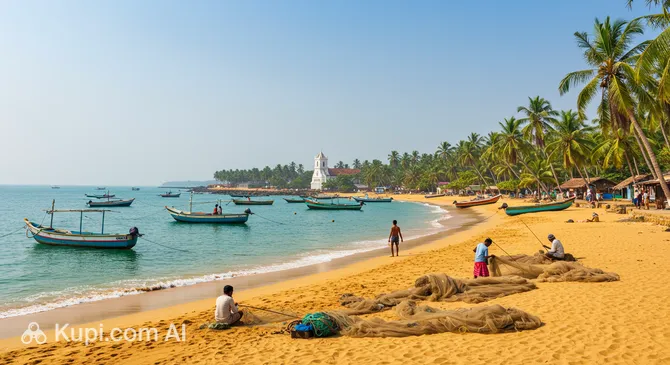
Negombo. Illustration.
Source: Kupi.com AI

Negombo attracts tourists with its famous fish markets, where you can see an incredible variety of sea creatures and watch local fishermen at work. Another gem is the Negombo Lagoon—a vast aquatic ecosystem ideal for boat trips, bird watching, and exploring mangrove forests. It is also worth paying attention to the ancient temples and colonial architecture, which give the city a special charm.

If you are looking for a place to feel the authentic spirit of Sri Lanka, enjoy fresh seafood, and relax on the shores of the Indian Ocean without the hustle and bustle of major metropolises, Negombo will be an excellent choice for your journey.

You can find more interesting facts on the history of Negombo page.
Weather Overview

The weather in Negombo is characterized by a tropical climate with high humidity and stable warm temperatures throughout the year. Average monthly temperatures here fluctuate in the range of 26.7°C to 28.6°C. During the day, the air usually warms up to 28-32°C, while night minimums generally stay within 23.5-26.5°C. Expect a warm and humid climate with distinct rainy seasons, especially from April to June and from October to November, when precipitation and the number of rainy days are at their maximum. The driest months are January and February.

For more detailed information on weather and climatic conditions in different months, you can visit the Negombo Climate page.

Average monthly temperature

Average monthly precipitation

Interesting Facts

In addition to its famous beaches and proximity to the airport, Negombo hides many amazing stories and features that make it a truly unique place in Sri Lanka. Here are just a few of them:

St. Mary's Church. Illustration.
Source: Kupi.com AI

Traveler photos:

  • Few people know that the Sinhalese name for Negombo—Migamuwa—translates as "Village of the Honeycomb." Legend has it that in the 2nd century BC, King Kavan Tissa's warriors discovered a huge beehive here, and the honey was presented to the pregnant queen.

  • Negombo is often called the "Little Rome" of Sri Lanka due to the strong influence of Catholicism. The city is literally dotted with beautiful churches, such as St. Mary's Church or St. Sebastian's Church, and Catholic holidays are celebrated here with special grandeur.

  • The famous Dutch Canal passes through the city, built back in the 17th century by colonizers for transporting cinnamon and other spices. Today, it is a popular spot for boat trips, allowing you to see Negombo from a completely different side.

  • The city's special pride is the fish market, one of the largest and most colorful on the island. It is not just a place for trade, but a true spectacle, where from dawn you can see an incredible variety of freshly caught seafood and watch the daily life of local fishermen.

How to Get There

Negombo boasts one of the most advantageous locations on the island, being, in essence, the main air gateway to the country. Thanks to its proximity to the primary international airport, getting here is easier than to any other resort. You can find out more about how to get to Negombo and plan your route by reviewing the information below.

Undoubtedly, the main transport hub for arrival is Bandaranaike International Airport (CMB). Although it is officially assigned to the city of Colombo, the terminal is actually located just 4.5 km from the center of Negombo. It is the country's largest airport with a huge passenger flow, receiving flights from all over the world. A taxi or tuk-tuk ride from here will take very little time—usually about 25-30 minutes depending on traffic.

Other airports are significantly further away and are used primarily for domestic flights or private aviation. For example, China Bay Airport (TRR) is located in Trincomalee, which is about 208 km from Negombo. The drive from there will take over 5 hours. Another option is Sigiriya SLAF Base (GIU) in the city of Sigiriya (about 127 km). Using these remote airports is only justified if you are undertaking a complex journey around the island.

For convenience, here is a summary of the main airports:

AirportPassenger trafficDistance
Bandaranaike International Airport8.8 mln5 km
Kotte (Diyawanna Oya SPB)2 00034 km
Polgolla Reservoir Airport3 00088 km
Castlereigh Reservoir Waterdrome4 00090 km
Sigiriya Slaf Base15 000128 km

In addition to air travel, Negombo can easily be reached by land transport. The city is connected to Colombo and other regions by a network of roads and railways. Negombo Railway Station receives trains from the capital, which is a budget-friendly and colorful way to travel. Numerous buses also run between cities, departing from central bus stations. If you prefer comfort, you can always use official taxi services or order a transfer via apps.

Main Attractions

Negombo, a charming city on the west coast of Sri Lanka, is famous not only for its beaches and fishing industry but also for its rich cultural heritage. Here, everyone will find something interesting, from ancient churches to colorful temples and picturesque parks.

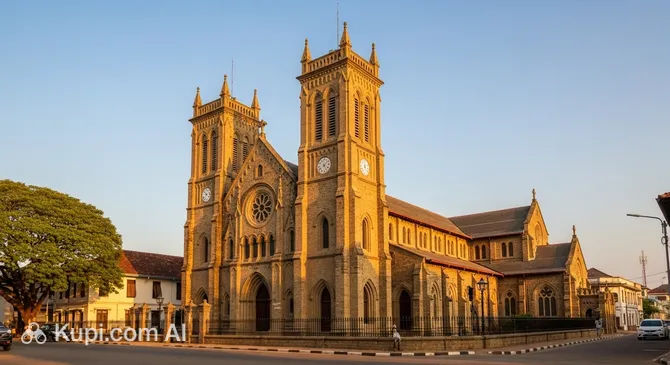
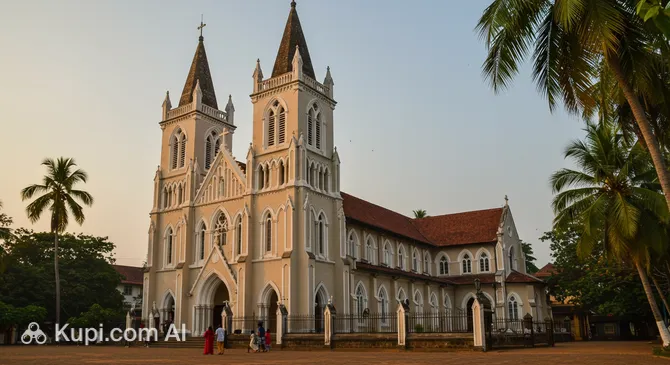
One of the city's main jewels is St. Mary's Church. This majestic structure, also known as Maha Veve Palliya, impresses with its neoclassical architecture and magnificent ceiling paintings depicting scenes from the life of Christ. Built in the late 19th and early 20th centuries, it is one of the largest Catholic churches in the country and an important center of spiritual life in Negombo.

St. Mary's Church. Illustration.
Source: Kupi.com AI

Traveler photos:

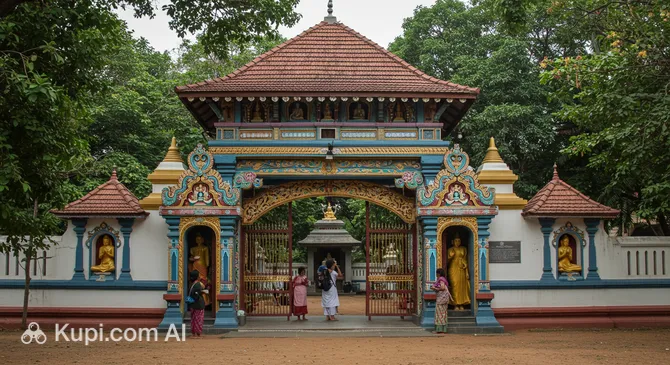
No less remarkable is the Angurukaramulla Temple (Bodhirajarama Maha Viharaya). This ancient Buddhist temple welcomes visitors with an impressive entrance in the form of a mythical creature's mouth. Inside, a six-meter Buddha statue, colorful frescoes telling the story of his life, and a library with ancient manuscripts await you. The temple is an important pilgrimage site and attracts visitors with its unique atmosphere and rich history.

Angurukaramulla Temple. Illustration.
Source: Kupi.com AI

Traveler photos:

For lovers of outdoor walks and family vacations, Negombo Beach Park is ideal. Located along the coast, this park offers beautiful ocean views, well-kept green areas for picnics and games, and children's playgrounds. It is a popular spot for both locals and tourists wishing to relax and enjoy the sea breeze.

Negombo Beach Park. Illustration.
Source: Kupi.com AI

Traveler photos:

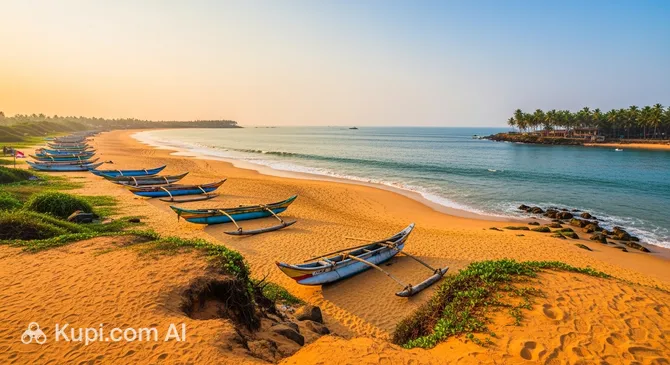
If you are looking for a more secluded place to enjoy nature, take note of Morawala Beach. This picturesque beach, located slightly off the main tourist routes, attracts with its natural beauty and calm atmosphere. Here you can watch local fishermen at work and enjoy the silence, broken only by the sound of the waves.

Morawala Beach. Illustration.
Source: Kupi.com AI

Traveler photos:

Another iconic religious landmark is St. Sebastian's Church (Sea Street). Built in the Gothic style, it is dedicated to Saint Sebastian, the patron saint of Negombo, who is particularly revered by the local fishing community. The church is an important center of religious life, and the annual festival in honor of the saint attracts many pilgrims and tourists.

St. Sebastian's Church (Sea Street). Illustration.
Source: Kupi.com AI

Traveler photos:

Local Cuisine

The gastronomic scene in Negombo is a real feast for everyone who appreciates fresh seafood and the vibrant flavors of Sri Lanka. Located on the coast, the city is famous for its daily catch, which goes straight from the fishing boats to local markets and restaurants. Tuna, prawns, squid, crabs, and even lobsters form the basis of many local dishes, attracting foodies from all over the world.

Be sure to try traditional fish curry, prepared with coconut milk and a bouquet of aromatic spices—it is a hallmark of the local cuisine. Equally popular is whole fish baked with herbs and spices, or the famous "kottu roti"—a hearty and aromatic dish made of chopped flatbread (roti) stir-fried with vegetables, egg, and, of course, seafood or chicken. In almost all dishes, from mains to desserts, the famous Ceylon cinnamon is generously added, giving them a unique aroma.

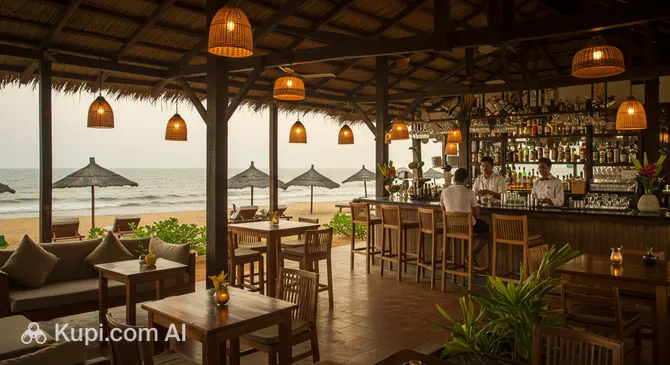
White House Seafood Restaurant. Illustration.
Source: Kupi.com AI

Traveler photos:

Street food in Negombo also deserves attention. At busy stalls, you can find crispy samosas with various fillings, fried bananas, and other local snacks. Those with a sweet tooth should look for desserts made with coconut and cane sugar. To fully enjoy the freshest gifts of the ocean in a restaurant setting, you can visit, for example, the White House Seafood Restaurant.

As for drinks, fresh tropical juices, refreshing coconut water straight from the nut, and, of course, the famous Ceylon tea, served in numerous tea shops, are offered everywhere in Negombo. From alcoholic drinks, you can try local arrack (coconut spirit) or Sri Lankan beer. The food culture here is diverse: from simple street cafes and markets where you can feel the true local flavor, to cozy restaurants offering both traditional and European dishes. Occasionally, gastronomic festivals are held in the city, introducing the richness of Sri Lankan cuisine.

Travel Tips

Planning a trip to Negombo? Wonderful! To ensure your journey through this colorful city in Sri Lanka goes smoothly and leaves only the most pleasant impressions, we have prepared some practical tips for you.

  1. Clothing and Essentials: Negombo will greet you with a warm and humid tropical climate. Pack light, breathable clothing made from natural fabrics (cotton, linen). Be sure to bring swimwear, sunscreen with a high SPF, a hat, and sunglasses. For visiting Buddhist temples and Hindu kovils, clothing that covers shoulders and knees is required for both men and women. Comfortable shoes for walking around the city and beach are your best friend. Don't forget mosquito repellent, especially for evening walks, and a universal adapter for electrical appliances (Sri Lanka uses Type D, M, and G sockets).
  2. Transport: The most popular and authentic way to travel short distances in Negombo is the tuk-tuk. Agree on the price before starting the trip. Local buses also run around the city, but they can be crowded. Taxis can be found at hotels or ordered via apps if available (check upon arrival). Car rental is possible, but consider the left-hand traffic and rather chaotic driving style; many tourists prefer to hire a car with a driver for longer trips.
  3. Finances: The local currency is the Sri Lankan Rupee (LKR). You can exchange currency at the airport upon arrival, at banks, or at official exchange offices in Negombo. Credit and debit cards (Visa, Mastercard) are accepted in most hotels, large restaurants, and supermarkets. However, for payments in small shops, markets, and for tuk-tuk rides, always have enough cash with you. ATMs are widely available. Tipping culture is common: in restaurants, it is customary to leave about 10% of the bill if a service charge is not included; it is also customary to give small tips to guides, drivers, and hotel staff.
  4. Health and Safety: There are pharmacies in Negombo, but not all operate 24/7. It is recommended to bring a basic first-aid kit. For serious medical assistance, it is better to contact private clinics or hospitals. Be sure to take out travel medical insurance before your trip. Negombo is generally a safe city for tourists, but follow standard precautions: watch your belongings, especially in crowded places, do not leave valuables unattended on the beach, and avoid walking in poorly lit areas after dark. Drink only bottled or boiled water.
  5. Communication: The official languages in Sri Lanka are Sinhalese and Tamil. In the tourist zones of Negombo, in hotels and restaurants, many people speak English. Learn a few simple phrases in Sinhalese, such as "Ayubowan" (a greeting wishing long life) and "Istuti" (thank you); locals will appreciate it. A SIM card with internet access can easily be bought at the airport or in the city (popular operators are Dialog and Mobitel). Wi-Fi is available in most hotels and many cafes.
  6. Local Etiquette: Sri Lankans are a friendly and hospitable people. Greet people with a smile and the traditional "Ayubowan" gesture (palms pressed together at chest level). When visiting temples, remove your shoes and hats. It is considered impolite to point at people or sacred objects with a finger—use an open palm instead. When giving or receiving something, use your right hand or both hands. Modesty in dress and behavior, especially outside the beach, is appreciated.
  7. What to Avoid: Never turn your back to Buddha statues for a photograph—this is considered deeply disrespectful. Also, avoid public displays of affection, as this is not customary in the local culture. Be wary of overly persistent offers to buy gemstones or spices "at a very good price" from random acquaintances—it's better to make such purchases in official stores. Do not touch the heads of locals, especially children, as the head is considered a sacred part of the body.
  8. Additional Tip: Negombo is famous for its Fish Market (Lellama). If you are not afraid of early wake-ups and specific smells, be sure to visit it at dawn. This is a unique opportunity to see a huge variety of freshly caught fish and seafood, watch local fishermen at work, and feel the authentic atmosphere of the city. Also, take a walk along the old Dutch canals, which give Negombo its special charm.

We hope these tips help you better prepare for your trip and fully enjoy your vacation in Negombo. This city, with its golden beaches, rich history, and hospitable residents, will give you plenty of unforgettable memories!

Entertainment & Nightlife

Negombo, snugly located on the west coast of Sri Lanka, offers its guests not only beautiful beaches but also a fairly active evening life. Although Negombo does not compare to major metropolises in the number of nightclubs, there are definitely places to spend an evening and dive into a relaxed resort atmosphere after sunset.

The main concentration of evening entertainment is located along Lewis Place and the adjacent beach areas. This is where you will find most bars, restaurants with live music, and small venues where you can dance. The atmosphere here is usually very friendly and laid-back, attracting both tourists and local youth. Many establishments offer open terraces where it is pleasant to enjoy the evening coolness and the sound of the ocean.

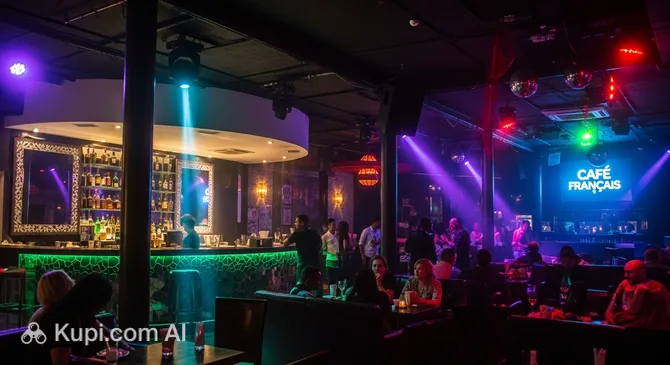
Among the popular spots for evening relaxation, several establishments stand out. For example, the White House Seafood Restaurant is famous for the freshest gifts of the sea and a pleasant setting for a dinner that transitions into a late evening. For a more informal atmosphere and drinks, the Fish & Chips Bar is a good choice. If you are looking for a place with louder music and the chance to dance, it’s worth checking out Café France, which is positioned as a nightclub.

Café Français. Illustration.
Source: Kupi.com AI

Traveler photos:

Most bars and restaurants begin to liven up at dusk and stay open until midnight or slightly later, especially on weekends. A strict dress code is rare in Negombo; casual or beachwear is perfectly fine for most places. Prices for food and drinks are generally moderate, making evening leisure affordable. It is best to arrive at popular spots by 8-9 PM to secure a good table.

Regarding safety, the tourist areas of Negombo where nightlife is concentrated are considered relatively safe for evening walks. However, as elsewhere, it is worth taking basic precautions: do not leave belongings unattended and avoid poorly lit, deserted streets. Tuk-tuks are convenient for getting around the city at night. It is important to agree on the fare in advance or use taxi services through your hotel. There are few classic night markets in Negombo; the focus is more on restaurant and bar leisure.

During the day, there is also plenty to do in Negombo. The city is famous for its beaches, such as Browns Beach or Negombo Beach Park. You can visit the famous fish market, explore historical churches like St. Mary's Church, or the Buddhist Angurukaramulla Temple. There are few specialized theaters or large amusement parks in the city; the primary focus is on beach holidays and getting to know the local culture and nature.

Parks & Museums

Negombo, a charming coastal city in Sri Lanka, offers its guests not only beautiful beaches but also interesting green zones for relaxation, as well as a rich cultural and historical heritage reflected in its temples and churches.

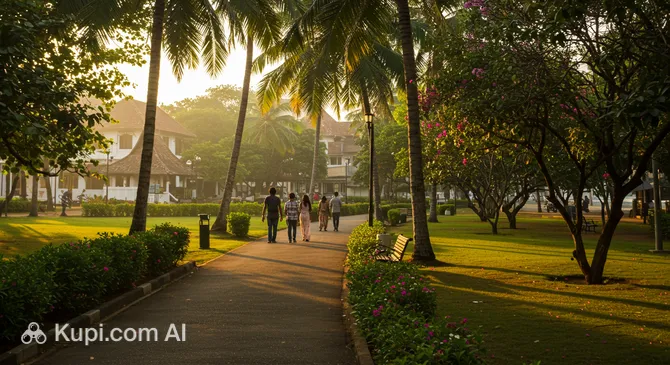
Among the city's green oases, Negombo Beach Park stands out. This is a popular spot for both tourists and locals, where you can enjoy the ocean breeze, have a picnic, or simply stroll along the coast. The park offers basic amenities and is an excellent point for watching the sunset. Another pleasant place for relaxation is Rukmani Devi Park, named after a famous Sri Lankan actress. This park offers a more secluded atmosphere for peaceful walks. Additionally, beaches such as Morawala Beach or Browns Beach are themselves wonderful natural areas for rest and enjoying nature.

Rukmani Devi Park. Illustration.
Source: Kupi.com AI

Traveler photos:

While Negombo may not have large state museums in the traditional sense, its cultural heritage is vividly represented in numerous religious and historical sites. One of the most significant is the Angurukaramulla Temple (also known as Bodhiraja Maha Viharaya). This Buddhist temple is famous for its huge Buddha statue, impressive frescoes, and sculptures depicting scenes from Buddhist legends. The entrance to the temple is shaped like a dragon's mouth, which in itself is a unique architectural feature.

The historical influence of European colonizers has also left its mark. The majestic St. Mary's Church is one of the largest and most beautiful Catholic temples in Sri Lanka. Its ceiling paintings and stained-glass windows attract many visitors. Another iconic religious building is St. Sebastian's Church (Sea Street), built in the Gothic style and dedicated to Saint Sebastian, whom local fishermen consider their patron saint.

St. Sebastian's Church (Sea Street). Illustration.
Source: Kupi.com AI

Traveler photos:

For a more authentic experience of Negombo, take a walk through the old quarters of the city, where you can see the remains of the Dutch Fort, or visit the bustling Lellama Fish Market—one of the largest in the country—to observe the daily life of local fishermen. These places, although not parks or museums in the traditional sense, allow for a deeper immersion into the atmosphere and culture of the city.

Getting Around

Public transport in Negombo is mainly represented by buses and the famous three-wheeled taxis—tuk-tuks. These are the most common and affordable ways to get around the city and its surroundings. There are no metros, trams, or trolleybuses in Negombo, but the existing system allows you to reach necessary points quite comfortably.

Buses are the most budget-friendly option. There is an extensive network of routes connecting various parts of Negombo, as well as linking the city to other locations, including Colombo and the airport. Buses are either state-run (usually red) or private. Fares are paid directly to the conductor in the cabin in cash. The cost depends on the distance. It is recommended to carry small bills. There is often no set schedule; buses run with a certain frequency, which is best checked with locals or at bus stops.

Tuk-tuks are an integral part of the transport system in Negombo and throughout Sri Lanka. They offer a more flexible and faster way to travel, especially over short distances or through narrow streets. Always agree on the fare for a tuk-tuk ride with the driver in advance, before the trip starts, as meters, if they exist, are not always used. Bargaining is appropriate, but try to do it politely. Tuk-tuks can be found almost everywhere; they are easy to flag down right on the street.

In addition to buses and tuk-tuks, in Negombo, you can use taxi services (usually private cars), which can be ordered through a hotel or found at special stands. This is a more expensive but also more comfortable option, especially for long-distance trips or with a lot of luggage. Also, in tourist areas, you can find bicycle or scooter rental points, which can be a great option for independently exploring the city and its picturesque surroundings at your own pace.

Practical tips for tourists: when using buses, be prepared for them to be crowded, especially during peak hours. Confirm the route with the conductor or other passengers if you are unsure. For tuk-tuk rides, always have cash with you and try to find out the approximate cost of the trip to your destination from hotel staff or locals beforehand to navigate the prices. Public transport usually operates from early morning until late evening, but the frequency may decrease in the evening hours.

Accommodation

In Negombo, travelers will find a wide range of accommodation options capable of satisfying various preferences and budgets. There are budget guesthouses and hostels, comfortable mid-range hotels, as well as luxury resorts and apartments for rent. Most tourist accommodation is concentrated along the coast, especially in the beach strip area, ensuring easy access to the ocean and main tourist zones.

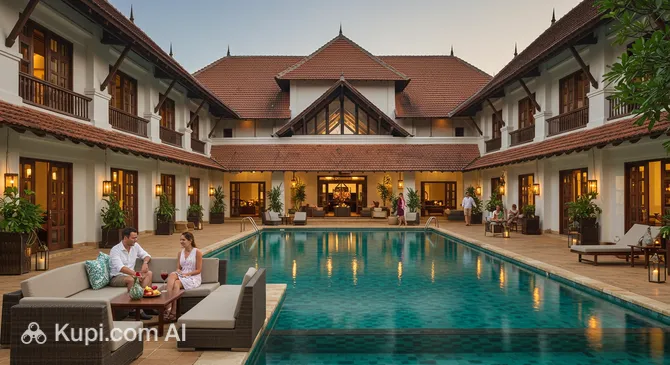
Among the popular options for a comfortable stay, several well-known hotels stand out. For example, the Heritance Negombo resort offers high-class service and beautiful views. Another worthy option is the Heritage Negombo Spa and Boutique, known for its hospitality and spa treatments. The choice of a specific place depends on your preferences—whether it's a secluded getaway or proximity to lively tourist spots.

Heritance Negombo. Illustration.
Source: Kupi.com AI

Traveler photos:

When planning a trip to Negombo, especially during the peak tourist season, it is recommended to book accommodation in advance. This will allow you to choose the best option in terms of price and quality. The price range varies from budget offers to luxury options. You can book your stay through popular international online platforms, travel agencies, or directly on the hotels' websites. Many hotels also offer special deals for early bookings.

Nearby Cities

For those who want to explore the surrounding area, Negombo serves as an excellent starting point for day trips to several interesting nearby locations:

CityPopulationDistance
Gampaha62 79722 km
Mabole29 88022 km
Kelaniya35 00029 km
Kolonnawa64 88731 km
Colombo2 323 82631 km

These nearby destinations provide insight into the diverse culture and landscapes of the Sri Lanka region.

Shopping & Souvenirs

Negombo, a charming coastal city in Sri Lanka, offers tourists an interesting shopping experience that combines local markets, small souvenir shops, and a few modern stores. Although Negombo may not be a major fashion hub, you can find unique local goods reflecting the culture and traditions of the island.

The main shopping areas are concentrated along the city's Main Street and the tourist zone along the beach, known as Lewis Place (or Sea Street). On Main Street, you will find many shops offering clothing, electronics, and daily goods, often at more local prices. Lewis Place is abundant with tourist-oriented shops selling souvenirs, beachwear, batik products, jewelry, and handicrafts.

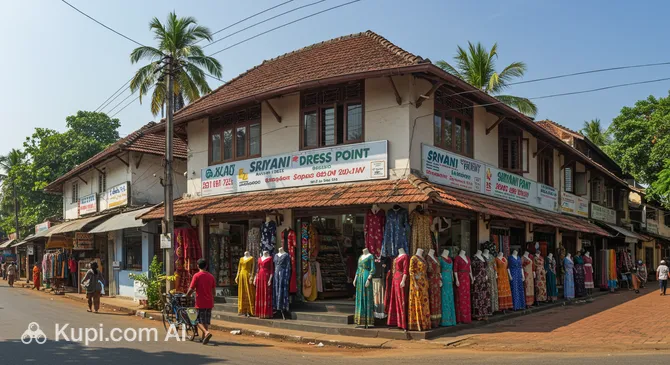
While Negombo is not famous for huge shopping malls, there are several retail outlets where you can find a variety of goods under one roof. One such place is Sriyani Dress Point, a popular store specializing in clothing, including traditional saris and modern outfits, as well as other textile products. It is a good place to find quality clothing at reasonable prices.

Sriyani Dress Point. Illustration.
Source: Kupi.com AI

Traveler photos:

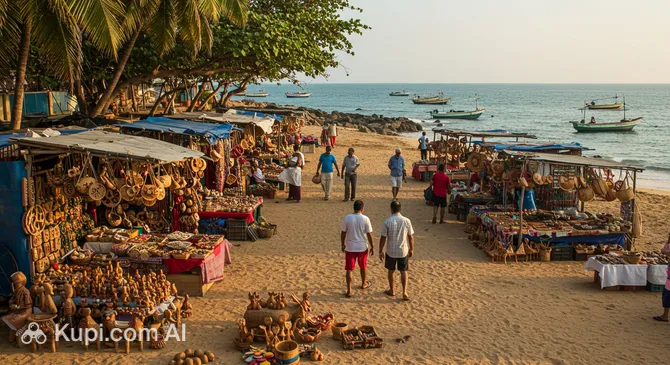
Markets are the heart of local shopping in Negombo. The most famous is undoubtedly the Negombo Fish Market (Lellama), one of the largest and busiest in Sri Lanka. Although buying fresh fish may not be relevant for most tourists, visiting the market early in the morning is an unforgettable cultural experience. Here you can see a huge variety of sea creatures and watch the lively trade. In addition to the main fish market, the city has other local markets selling fresh fruits, vegetables, spices, and flowers. This is a great place to buy fresh tropical fruits or aromatic local spices.

As souvenirs from Negombo and Sri Lanka in general, it is worth bringing back:

  • Ceylon tea: A huge selection of varieties for every taste.
  • Spices: Cinnamon, cardamom, cloves, nutmeg, and curry—fresh and aromatic.
  • Batik products: Bright fabrics, clothing, paintings.
  • Wooden masks and figurines: Traditional carved items.
  • Ayurvedic products: Oils, creams, herbal blends.
  • Precious stones: Sri Lanka is famous for sapphires and other stones, but buy them only in licensed stores with certificates.
  • Coconut shell products: Tableware, jewelry, souvenirs.

Most shops in Negombo are usually open from 9:00-10:00 AM to 6:00-8:00 PM. Small stalls and markets may have their own schedule, and tourist shops often stay open longer, especially during peak season. Markets, especially the fish market, start their work very early in the morning. A common payment method is cash (Sri Lankan Rupees, LKR), especially in markets and small shops. Credit cards (Visa, Mastercard) are accepted in larger stores, supermarkets, and tourist establishments. It is recommended to always have some cash on hand.

Tourists in Sri Lanka may be entitled to a VAT refund (Tax Free) for goods purchased in participating stores. To do this, you must obtain a special receipt or form in the store at the time of purchase and present it along with the goods to customs at the airport before departure. Check the details and conditions of the program with sellers and on official resources, as rules may change.

Reached the end of the page?

That means the route is fully explored