Support

Natural History Museum of Geneva

About

The Geneva Natural History Museum, located in the picturesque Malagnou Park in the heart of Geneva, proudly holds the title of the largest natural history museum in all of Switzerland. It is not just a repository for exhibits, but a true scientific and educational center that attracts both researchers and curious tourists eager to immerse themselves in the wonderful world of nature.
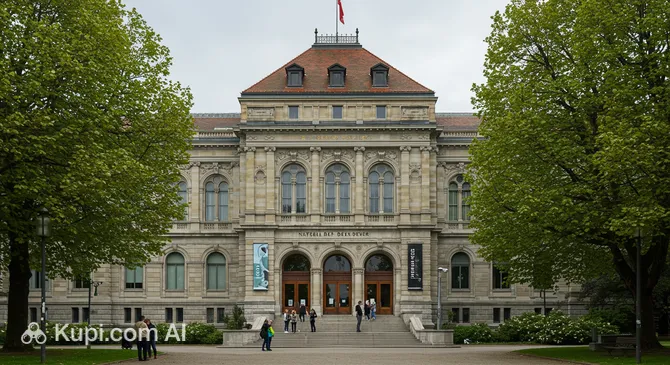
Natural History Museum of Geneva. Illustration.
Source: Kupi.com AI

Traveler photos:

The museum's collection is truly impressive, numbering about 15 million specimens of various organisms, which accounts for nearly half of all the natural history collections in the country. Among them, several tens of thousands of type specimens (holotypes and paratypes) hold a special place, possessing immense scientific value for researchers worldwide. The museum's holdings are not static; they are constantly replenished through the active fieldwork of its scientists, who describe about fifty new species unknown to science every year.

In addition to its rich collections, the Geneva Natural History Museum plays an important role in the scientific community through its publishing activities. Since 1893, in collaboration with the Swiss Zoological Society, it has published the authoritative "Swiss Journal of Zoology" (Revue suisse de Zoologie), and since 1982, the "Journal of Paleobiology" (Revue de Paléobiologie). A visit to this museum is a unique opportunity not only to see rare exhibits but also to touch living science.

Contacts

For up-to-date information on opening hours, ticket prices, and available tours at the Geneva Natural History Museum, it is recommended to visit the museum's official website or contact local tourist information centers in Geneva. There, you can also find contact phone numbers and email addresses to reach the museum administration.

How to contactContact
AddressRte de Malagnou 1, 1208 Genève, Switzerland
Websitewww.museum-geneve.ch

What to Do

Visitors to the Geneva Natural History Museum set off on a fascinating journey through the world of nature, exploring rich collections that cover all aspects of natural history. Here, you can see an impressive diversity of flora and fauna, admire unique minerals, and uncover the secrets of the past through paleontological finds. The museum's exhibitions are designed to be interesting and educational for guests of all ages, from the youngest visitors to seasoned naturalists.

One of the most memorable and lively exhibits in the museum is the giant leaf-cutter ant colony. This unique installation, presented for the museum's 50th anniversary, allows visitors to closely observe the complex and coordinated life of these amazing insects, their behavior, and their tireless work. It is a truly mesmerizing sight that demonstrates the wonders of organization in the natural world.

Beyond the general exhibits, the museum is proud of its specialized collections assembled by famous Genevan and international naturalists. These include the work of zoologist Fatio, myrmecologist Forel, entomologist Jurine, naturalist Necker, paleontologist Pictet, and entomologist Saussure, as well as valuable collections by French scientists Lamarck and Delessert. These collections are of great scientific interest and are a real treasure for specialists and anyone deeply interested in the natural sciences, allowing them to trace the history of scientific discoveries.

Getting There

The Geneva Natural History Museum is conveniently located in the city, making it easily accessible for visitors. You can get there in several ways, depending on your preferences and starting point in Geneva.

The most common and convenient way is to use public transport. Geneva has an extensive network of buses and trams, many of which pass near Malagnou Park, where the museum is located. It is recommended to check current routes and schedules on the Geneva transport company's official website or use mobile trip-planning apps. Stops are usually just a few minutes' walk from the museum entrance.

For those who prefer a more direct and faster route, taxis are always available. A taxi ride from central Geneva or major transport hubs, such as the train station, won't take long. Simply tell the driver the name of the museum – Muséum d'histoire naturelle de Genève – and they will take you straight to your destination.

If you are nearby or just enjoy walking, you can reach the museum on foot while taking in the city views along the way. Given its location in a park area, the walk can be a pleasant addition to the visit itself. Before you head out, check the museum's exact location on a map to choose the most optimal walking route.

Nearest city: Geneva

History & Facts

The history of the Geneva Natural History Museum dates back to the late 18th century, a time when Europe saw a surge of interest in the natural sciences. Although the museum's official founding is dated 1820, its origins can be traced back to initiatives in 1794. Throughout its long history, it changed locations several times before finding its current home in the picturesque Malagnou Park, becoming an integral part of Geneva's cultural and scientific landscape.

In its early days, the museum's collection was quite modest. It was formed primarily from specimens of local flora and fauna, minerals, and some ethnographic artifacts. Private collectors and passionate naturalists made significant contributions, generously sharing their findings. Over time, thanks to their enthusiasm and the dedicated work of the staff, the museum's collection expanded and enriched significantly, establishing itself as one of the leading repositories of natural history exhibits in Switzerland.

From its early years, the Geneva Natural History Museum has established itself not only as an exhibition space but also as an important scientific research center. Its commitment to science is reflected in its long-standing publishing activities, which have played a key role in disseminating knowledge and sharing discoveries in fields such as zoology and paleobiology, thereby strengthening its status and influence within the global scientific community.

Time Needed

When planning a visit to the Geneva Natural History Museum, it's important to understand that it is the largest natural history museum in Switzerland, boasting extensive collections. For a general overview of the main exhibitions and the most striking halls, it is recommended to set aside 2 to 3 hours. This time will be enough to get a first impression and see the museum's main highlights.

If you want to dive deeper into the world of nature and study all the exhibits in detail—including unique paleontological finds, various wildlife dioramas, the famous live ant colony, and specialized scientific collections—you should count on half a day (about 3-4 hours) or even more. This is especially true if you are interested in specific sections like mineralogy or entomology, as time in the museum will fly by.

Ultimately, the duration of your visit will depend on your personal interests and pace. To plan your time optimally, we suggest studying the museum map on its official website in advance and marking the most appealing exhibitions. This way, you can get the most out of your visit to this wonderful place in Geneva.

Working Hours

The Geneva Natural History Museum is generally open to guests year-round; however, its exact opening hours may vary. To ensure your visit goes smoothly, we strongly recommend checking the current schedule immediately before your planned visit date. You will always find the latest information on opening hours, including potential changes due to the season, day of the week, or special events, on the official museum website. This information is also available at Geneva tourist information centers.

When planning your visit, especially during the peak tourist season or if traveling in a group, it's worth checking in advance if pre-booking tickets is necessary. This will help avoid potential queues and guarantee your entry to the museum. Official resources also typically publish information about the museum's operation on public holidays, when hours may be reduced or the museum may be closed. Checking this information in advance will allow you to plan your time as effectively as possible.

Nearby

A visit to the Geneva Natural History Museum will undoubtedly be a highlight of your trip to Geneva. However, to make your experience even more enriching and complete, it is worth paying attention to the attractions located nearby. Exploring the surroundings will allow you to dive deeper into the city's atmosphere, discover new interesting places, and get a more comprehensive view of this amazing corner of Switzerland.

A stroll through the nearby streets and parks after your museum visit can be a pleasant continuation of the day, adding a touch of relaxation or new discoveries to your educational experience. There are several notable sites near the museum that may interest you.

NameDistance
Museum of Far Eastern Art0.4 km
Oh Martine!0.4 km
Museum of Art and History0.5 km
Laser Tag Arena0.6 km
Place du Bourg-de-Four0.7 km
St. Pierre Cathedral0.8 km
Reformation Wall0.9 km

Have you reached the end of the page?

So the route has been studied inside and out