Support

Gstaad

About

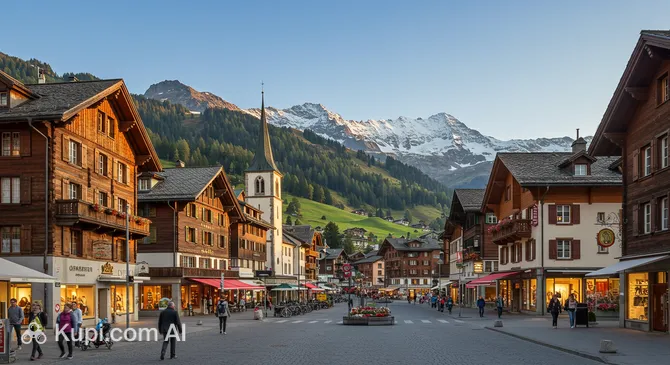
Gstaad is a true gem of the Alps, nestled in a sunny valley of the Canton of Bern at an altitude of 1,050 meters. This small but world-renowned resort attracts travelers with its unique atmosphere, where luxury blends harmoniously with traditional Alpine comfort. If your plans include Switzerland, Gstaad is the perfect place to discover its mountain beauty and high standard of living.

Gstaad. Illustration.
Source: Kupi.com AI

Despite a modest population of about 3,000, the town boasts a well-developed infrastructure and a special charm. The center is completely car-free, making strolls along the promenade—lined with exquisite chalets and boutiques—a pure pleasure. The rich history of Gstaad and its emergence as a prestigious resort have made it a magnet for the global elite and celebrities who value privacy, safety, and first-class service here.

In winter, the region transforms into a paradise for skiing enthusiasts with slopes of varying difficulty, while in summer, the valley is lush with greenery, offering picturesque hiking trails. There is no typical city bustle here: time seems to slow down, allowing you to enjoy every moment, whether it's dinner in a gourmet restaurant or contemplating the mountain peaks.

It is worth visiting this corner of the world for its unique combination of aristocracy and genuine simplicity. Gstaad will grant you unforgettable impressions and the opportunity to relax body and soul surrounded by magnificent nature.

Weather Overview

The resort's climate is shaped by its Alpine location, offering tourists clearly defined seasons. Winters here are truly cold and atmospheric: in January, the average temperature stays at -4.4°C, and at night it can drop to -8.3°C. This time of year is ideal for winter sports enthusiasts, although the number of days with precipitation remains high—up to 18 days in December.

In summer, the valley fills with freshness, avoiding extreme heat. In July and August, the air warms up to comfortable highs of around +19.8°C; however, be prepared for nature's whims. Expect a moderately warm summer with occasional rain and cold winters with frequent snowfall. Spring and early summer can be particularly wet: for example, up to 21 rainy days are recorded in May.

When planning your wardrobe, keep in mind that even in the warm season, evenings can be fresh. To find out what to expect in the near future, check the current weather in Gstaad; this will help you better prepare for your trip and choose the right gear.

Average monthly temperature

Average monthly precipitation

Interesting Facts

Beyond the main attractions and luxury storefronts, Gstaad holds many fascinating stories that reveal its true character. This resort is not just a place for rest, but a real treasure trove of traditions and legends.

  • Star-studded history: The resort began to gain popularity in the 19th century due to its healing air, but its real heyday came in the 20th century. Gstaad became a favorite vacation spot for the global elite: style and art icons like Elizabeth Taylor, Roman Polanski, and Madonna were frequent visitors.

  • Unified architectural style: The town is famous for its visual harmony thanks to strict building regulations. Most buildings are constructed exclusively in the style of traditional Alpine chalets with carved balconies, which helps preserve the authentic atmosphere of an old village.

  • Musical heritage: Gstaad is known for its prestigious Menuhin Festival, founded by the legendary violinist Yehudi Menuhin. This event fills the valley with the sounds of classical music every year and attracts top performers from around the world.

  • Local legends: Folklore in the region is alive with tales of resourceful smugglers who used the difficult mountain terrain to transport cheese and wine. Local farmers also claim that thanks to the unique herbs in the Alpine pastures, the milk from local cows has an especially delicate flavor.

Le Grand Bellevue. Illustration.
Source: Kupi.com AI

Traveler photos:

How to Get There

A trip to the Swiss Alps is the start of an unforgettable adventure, and the road to the resort is a scenic part of the holiday in itself. Since Gstaad is located in the mountains, there are no direct flights to the town, but the country's excellent transport system makes it easy to get here from major international hubs. You can find more details on how to get to Gstaad to plan your route as comfortably as possible.

The nearest major air hub is Geneva Airport (IATA: GVA). It handles many international flights and is considered one of the main gateways to the Alps. There is no airport in the town of Gstaad itself, so you will need to fly into Geneva, which is about 94 km away. The journey from there by car or taxi takes approximately 2 hours and 40 minutes. This is a large airport with excellent infrastructure and many transfer options.

Another option is Sion (IATA: SIR). This airport is much closer, only 28 km from the resort in the city of Sion; however, it serves far fewer flights and is often used for private aviation or seasonal charters. The drive from here takes about 1 hour. You can also consider EuroAirport Basel-Mulhouse-Freiburg (IATA: EAP), located in the city of Basel (about 126 km from Gstaad). The trip from there will take about 3.5 hours.

For clarity, here is a summary of the main airports:

AirportPassenger trafficDistance
Sion35 92928 km
Bern Airport57 00052 km
Geneva Airport17.8 mln94 km
EuroAirport Basel–Mulhouse–Freiburg8.1 mln126 km
EuroAirport Basel Mulhouse Freiburg8 mln126 km

The railway is one of the most picturesque ways to reach the resort, especially considering the famous GoldenPass panoramic trains. However, it's worth noting that major mainline expresses arrive at stations in neighboring cities, from where you need to transfer to regional lines or road transport.

One of the key hub points is Bern Railway Station (IATA: ZDJ). It is located in the city of Bern, about 54 km from Gstaad. This is a very large transport hub with a massive passenger flow. From here, it is convenient to reach the resort by train with a transfer or by car (about 1 hour and 40 minutes). Also close by is Sion Railway Station (IATA: ZUF) in the city of Sion (about 28 km from Gstaad), from where the taxi ride takes about an hour.

Below is information about the nearest major railway stations:

StationPassenger trafficDistance
Sion Railway Station4.5 mln28 km
Oerlikon Railway Station34.4 mln53 km
Bern Railway Station69 mln54 km
Geneva Railway Station42.1 mln92 km
Basel SBB station40 mln122 km

Main Attractions

Gstaad is a place where Alpine traditions meet cosmopolitan chic, and natural beauty rivals architectural refinement. Although many come here for the ski slopes, the town and its surroundings are rich in attractions that are interesting at any time of year. A walk through these places will allow you to feel the true spirit of the Swiss Riviera.

The heart of the resort is the famous Promenade. This completely pedestrian street is the quintessence of Gstaad style: traditional wooden chalets stand alongside boutiques of world brands and cozy cafes. It is an ideal spot for a leisurely stroll, where you can not only go shopping but also simply admire the authentic architecture, which is strictly protected by local laws prohibiting the construction of concrete boxes.

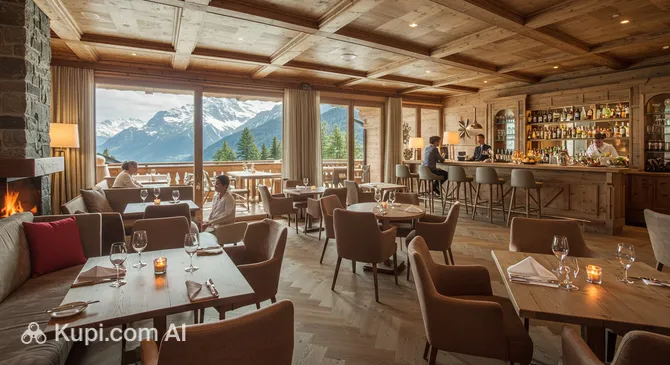
For those seeking gastronomic experiences and an atmosphere of luxury, a visit to Le Grand Bellevue is a must. This establishment is famous not only for its status but also for its outstanding cuisine, which attracts gourmets from all over Europe. Here you can enjoy an exquisite dinner or simply have a cup of coffee in elegant interiors, feeling like a part of the resort's high society life.

For breathtaking views, head to Glacier 3000. This is one of the most impressive natural attractions in the region, accessible year-round. It features the unique Peak Walk suspension bridge, connecting two mountain peaks. Crossing it, you can enjoy a panorama that includes the famous peaks of the Matterhorn, Mont Blanc, and Jungfrau. This place gives the sensation of flying over the Alps.

If you desire peace and seclusion with nature, visit the idyllic Lake Lauenen (Lauenensee). Located in a nature reserve, it is surrounded by dense forests and marshlands, and the view of the waterfalls makes the landscape truly fairytale-like. It is a popular spot for summer picnics and romantic walks, often called a "place of power" for its calm and peaceful energy.

Local Cuisine

The cuisine of Gstaad is a true gastronomic adventure where Alpine traditions meet high culinary art. This region is rightly called a gourmet paradise: naturalness is valued here, and the freshest farm products are used. The king of the local table is undoubtedly cheese fondue. This thick, aromatic dish of melted local cheese is perfect for warming up after a long walk or skiing, creating an atmosphere of comfort and warmth.

No less popular is raclette—another cheese delicacy prepared here with particular skill. Melted cheese is traditionally served with boiled potatoes, crunchy pickled gherkins, and onions. For fans of meat appetizers, local sausages and smoked meats prepared according to old recipes are a must-try. And to finish the meal, try desserts made with forest berries and sweet Alpine honey.

Traditional dishes are usually accompanied by appropriate drinks. With cheese delicacies, you will definitely be offered a glass of Swiss white wine, such as Fendant, which perfectly complements the rich flavor of the dishes. Among non-alcoholic drinks, hot chocolate—warming in the winter cold—and aromatic herbal teas collected from local meadows are popular.

The dining culture in the town is very diverse. You can visit farmers' markets to try street food: hot waffles, spicy sausages, and freshly baked bread. Gstaad is also famous for its gastronomic festivals, where chefs compete in skill. If you are looking for a refined dinner spot, pay attention to the Le Grand Bellevue restaurant, known for its superb cuisine and atmosphere that allows you to fully enjoy the flavors of the region.

Travel Tips

Preparing for a trip to Gstaad is an anticipation of meeting an Alpine fairytale, but to ensure your holiday goes perfectly, there are several important nuances to consider. We have gathered practical recommendations to help you easily blend into the rhythm of life at this prestigious resort and avoid typical tourist mistakes.

  1. Clothing and Dress Code. Gstaad is famous for its "Alpine chic" style. During the day, high-quality sportswear and comfortable flat shoes are appropriate (cobblestones and mountain trails do not forgive heels). In the evening, smart casual is suitable for restaurants. Even in summer, be sure to bring a warm jacket or sweater: as soon as the sun disappears behind the mountains, the temperature drops sharply.
  2. Transport Nuances. The town center, the famous Promenade, is completely closed to cars. It is best to travel around the region by train (the famous MOB line) and yellow PostBuses—they run strictly on schedule and cover all key points. Taxis here are expensive, and apps like Uber may experience interruptions or long wait times.
  3. Finances and Prices. The official currency is the Swiss franc (CHF). Although cards are accepted almost everywhere, cash may be needed in small mountain huts and kiosks. Gstaad is one of the most expensive resorts in the world, so plan your budget with a margin. Service is usually included in the bill, but rounding up the amount or adding an extra 5-10% for excellent service is considered good manners.
  4. Health and Water. You can and should drink the water in Gstaad straight from the tap—it is pure and comes from mountain springs. The main health hazard here is the active mountain sun. Be sure to use a high SPF cream and wear sunglasses even in cloudy weather, especially in winter when snow reflects UV rays.
  5. Communication and Apps. The main language of the region is German, but thanks to the resort's international status, English and French are understood everywhere. For convenience, download the SBB Mobile app—it is the best navigator for all Swiss transport, allowing you to buy tickets online. Wi-Fi is available in almost all hotels and restaurants, but for the mountains, it's better to buy a local prepaid SIM card.
  6. Etiquette and Greetings. In Switzerland, it is customary to greet strangers on walking trails, in elevators, and small shops. Use the universal "Grüezi." Also, peace and quiet are highly valued here: loud phone conversations on public transport or in a restaurant may draw disapproving looks.
  7. What to Avoid. It is strongly discouraged to violate the privacy of other guests. Gstaad is a refuge for many celebrities who come here for peace. Do not stare intrusively at famous people or try to photograph them without permission. Also, avoid being late: Swiss punctuality is not a myth but a way of life.
  8. Guest Card (Gstaad Card). If you stay in a hotel or apartment (paying the tourist tax), be sure to ask about the Gstaad Card. This card entitles you to free public transport during the summer season and significant discounts on lifts and various activities.

By following these simple tips, you can feel confident and comfortable, enjoying every moment in the heart of the Swiss Alps. May your journey to Gstaad be filled with only pleasant discoveries and unforgettable impressions!

Entertainment & Nightlife

Entertainment and nightlife:

The nightlife in Gstaad is the embodiment of Alpine chic and understated luxury. You won't find noisy raves or budget pubs on every corner here. The resort's evening culture centers around the concept of high-end après-ski, elegant lounges, and private clubs where champagne flows freely, and you might encounter world celebrities at the next table.

The epicenter of evening activity is the famous Promenade and the surrounding areas of five-star hotels. This is where, in cozy bars and lobbies, most guests begin their evening. The atmosphere in these establishments is relaxed yet sophisticated. The crowd is respectable, so dress code plays an important role: shirts and trousers (smart casual style) are essential for men, while ladies often choose cocktail dresses complemented by furs or cashmere.

If you are looking for the perfect place for an aperitif or digestif, be sure to visit Le Grand Bellevue. The bar at this establishment is known for its refined setting and excellent drink menu. An atmosphere of comfort and privacy prevails here, making it a wonderful choice for a romantic evening or a quiet rest with friends after a busy day in the mountains.

For dance lovers and more active recreation, the iconic spot is the GreenGo nightclub, located in the Gstaad Palace hotel. This legendary establishment, with its 70s-style interior, has maintained its unique charm for decades and is considered the main meeting point for the "golden youth" and the elite. Another point of attraction is Richi's Pub—a more casual spot in the center where both tourists and locals gather to drink beer and listen to music.

Practical tips for night owls:

  • Opening hours: Bars are usually open until midnight or 1:00 AM, while clubs start filling up closer to 11:00 PM and stay open until early morning.
  • Prices: Be prepared for high prices for cocktails and entry fees, matching the resort's status.
  • Safety and transport: Gstaad is exceptionally safe; nighttime walks pose no risks. However, public transport is rare at night (there is a seasonal night bus called the Moonliner), so if you live far from the center, it's better to pre-book a taxi through your concierge or the venue's staff.

During the day, the resort offers more tranquil leisure options to complement active recreation. You can visit local art galleries, which often exhibit works by contemporary masters, or stop by the cinema. For family leisure, a sports center with a pool and an ice rink is available, as well as leisurely strolls through the boutiques on the Promenade, where shopping turns into a true art form.

Parks & Museums

Gstaad offers its guests a wonderful balance between pristine Alpine nature and a rich cultural heritage. Although you won't find large city parks in the usual sense here, the entire valley is one giant natural reserve, and the resort's cultural life is packed with events and sites worthy of world capitals.

Speaking of green zones, there are places where nature blends harmoniously with opportunities for peaceful strolls:

  • Yehudi Menuhin Philosophers' Trail (Yehudi Menuhin Philosophenweg). This is a picturesque route along the Saane River, which can be considered a linear park. The walk takes about an hour and is accompanied by plaques featuring wise quotes from the great violinist and humanist who lived and worked in Gstaad. In winter and summer, it is an ideal place for meditative relaxation in the fresh air, surrounded by mountain panoramas.

  • Wispile Mountain. Locals call it the "family mountain." In summer, the summit turns into a vast green recreational area with panoramic views. It features a petting zoo where children can interact with Alpine goats, and a large playground. This is a wonderful alternative to a city park, easily reached by cable car directly from the village.

Gstaad's cultural scene is just as impressive as its natural beauty. History is carefully preserved here, while contemporary art is actively promoted:

  • Museum of the Saanen Landscape (Museum der Landschaft Saanen). Located in the neighboring village of Saanen (just a few minutes' drive or walk away), this museum is key to understanding the region. The exhibition is housed in a historical building and tells the story of the life, crafts, and traditions of local residents over the centuries. You can see ancient costumes, tools, and learn how tourism developed in the valley.

  • Promenade Art Galleries. Gstaad is known for its incredible concentration of prestigious art galleries per square meter. Walking through the center, you will encounter branches of world-famous galleries (such as Hauser & Wirth or Gagosian) exhibiting works by Picasso, Warhol, and modern masters. This turns an ordinary promenade into a real open-air museum of contemporary art.

From an architectural standpoint, Gstaad is unique in its unity of style. The most recognizable historical and architectural symbol is the Gstaad Palace. This castle-hotel, towering over the town since 1913, resembles a fairytale fortress and serves as a landmark from any point in the valley. Also noteworthy are the traditional wooden chalets in the center, many of which date back to the 17th-18th centuries and are decorated with intricate carvings and paintings, as well as St. Mauritius Church in Saanen with its medieval frescoes.

Insider tip: If you want to experience "cheese culture" as an art form, visit the Cheese Grotto (Käsegrotte). This unique storage facility, located deep underground, resembles a museum where, instead of paintings, there are thousands of wheels of elite Alpine cheese, beautifully lit in the cool twilight.

Getting Around

The transport system in Gstaad is organized with the precision and comfort characteristic of the region, although the resort itself is quite compact. The town's main street—the Promenade—is a completely pedestrian zone, free of cars, so the primary way to get around the center remains walking. For trips to neighboring villages, to the ski lifts, or to other towns in the region, tourists actively use rail transport and buses.

The main transport artery is the MOB (Montreux Oberland Bernois) railway. The train station is located in the immediate vicinity of the center. The famous GoldenPass Express panoramic trains pass through Gstaad, connecting the resort with Montreux and Interlaken. This is not just a way to get from point A to point B, but a real attraction thanks to the massive windows and scenic views. Trains run regularly, strictly on schedule, and are the most reliable form of transport in any weather.

For trips to side valleys and remote cable car stations (for example, to Glacier 3000 or Lake Lauenen), yellow PostAuto buses are used. They run on a schedule that is usually synchronized with train arrivals. It is important to remember that mountain roads can be winding, but the drivers here are true professionals. Mountain lifts and cable cars are also an integral part of the transport network, operating in winter for skiers and in summer for hikers.

The payment system for public transport is unified. Tickets can be bought at machines at stations (they accept cards and cash), at ticket offices, or, most conveniently, through the SBB Mobile app. This app is an indispensable assistant: it shows schedules in real time, departure platforms, and allows you to buy a ticket in a couple of clicks. The cost of individual trips in Switzerland is quite high, so it is more profitable to use travel passes.

A huge advantage for tourists is the Gstaad Card. This card is issued for free when checking into hotels or apartments (provided the tourist tax is paid). In the summer season, it entitles you to free travel on regional public transport, including trains and buses on certain sections, as well as discounts on ski lifts. Always carry it with you or save it on your smartphone. If you have a country-wide Swiss Travel Pass, it is also valid on Gstaad's trains and buses and gives discounts on mountain railways.

Regarding alternative ways of moving around, taxis in Gstaad are available but expensive. It is better to book cars in advance through your hotel or by phone, as "hailing" them on the street is difficult, and popular apps may work intermittently or with long waits. During the warm season, renting electric bikes (e-bikes) is very popular, with many scenic routes laid out in the region.

Tourists should keep in mind that public transport here is geared toward daytime activities. Night buses (Moonliner) only run during the high season and on weekends, so if you plan a late dinner far from your hotel, think about your return journey in advance. Train and bus tickets do not need to be stamped if they specify a particular time and date, but if you bought an undated ticket at a machine (which is rare for tourists), it must be validated in the orange machine on the platform before boarding.
Accommodation

Gstaad offers tourists accommodation that fully lives up to its reputation as an exclusive Alpine resort. The hotel stock consists mainly of legendary five-star palace hotels and cozy chalets built in the traditional Bernese style. However, despite its image as a destination for the global elite, you can also find quieter, family-oriented options: from high-quality mid-range hotels to apartments, especially if you look beyond the very center to the picturesque surroundings.

When choosing a location, you should focus on your holiday preferences. Gstaad Center (Promenade area) is the heart of high-society life. Staying here puts you within walking distance of the best boutiques, restaurants, and the train station, but prices here will be the highest. For those seeking peace and historical flair, the neighboring village of Saanen is worth considering. It is just a few minutes' drive away but offers a more secluded and authentic atmosphere. For skiing enthusiasts, the sunny terraces of the Schönried and Saanenmöser areas, located closer to major ski zones, are excellent choices.

Renting private chalets and apartments is particularly popular in the region. This is an ideal option for large groups or families wishing to live in a real wooden house with mountain views. The rental market here is very developed, ranging from small studio apartments to massive full-service residences. Budget accommodation (hostels or inexpensive guesthouses) is hard to find in Gstaad itself; such options are more common in the outlying villages of the valley.

Booking tip: Demand for accommodation in Gstaad is extremely high, especially during peak dates—Christmas, New Year, February, and during major summer festivals. It is recommended to plan your trip and book your hotel at least 3–6 months in advance, as the best options are snapped up very quickly.

The price range of the resort varies from high to very high. Booking methods are standard: most hotels and apartments are listed on major online aggregators. However, if you plan to stay in a luxury hotel or rent a unique chalet, it makes sense to contact the property directly—this often allows you to secure better terms or additional services.

Nearby Cities

For those looking to explore the surroundings, Gstaad serves as an excellent starting point for day trips to several interesting nearby locations:

One of the most popular destinations to visit is Montreux. This resort town on the shores of Lake Geneva, reachable by the GoldenPass panoramic train, is famous for its mild climate, a promenade lined with exotic flowers, and its world-famous Jazz Festival. Nearby is Chillon Castle, one of the most visited historical monuments in the country.

Fans of medieval architecture and lakeside scenery should visit Thun. The city is located where the Aare River flows out of Lake Thun and is known for its majestic 12th-century castle overlooking the old town, as well as its unique double-decker shopping streets.

Also interesting is Sion—the capital of the Canton of Valais and the sunniest city in Switzerland. It is easily recognizable by its two hills topped by the Valère and Tourbillon castles. This is a great choice for those wanting to dive into history and taste wines from local vineyards.

CityPopulationDistance
Château-d'Oex3 00012 km
Adelboden3 30021 km
Bulle22 70924 km
Villars-sur-Ollon2 30026 km
Sion34 70827 km

These nearby destinations offer a glimpse into the diverse culture and landscapes of the region.

Shopping & Souvenirs

General Overview: Shopping in Gstaad is a unique combination of Alpine comfort and high fashion. This resort is often called the "shortest shopping street in Switzerland," but the concentration of luxury brands per square meter is one of the highest in the world. A special feature of local shopping is that even the most prestigious boutiques are housed in traditional wooden chalets with carved facades, creating a unique atmosphere. You can find everything here: from exclusive jewelry and designer clothing to authentic farm products of the highest quality.

Main Shopping Areas: The attraction for all shopping enthusiasts is the famous Promenade. This pedestrian street, completely free of cars, is the heart of the resort. This is where the storefronts of global giants like Louis Vuitton, Hermès, Prada, and Cartier stand next to cozy local shops. A walk along the Promenade is not just a shopping trip, but a real social ritual that allows you to enjoy the architecture and atmosphere of a luxury mountain village.

Shopping Centers: You won't find typical huge malls or glass shopping centers in Gstaad. The retail format here is intimate and exclusive. Historical buildings' ground floors and hotels serve as shopping galleries. The absence of large department stores is compensated for by a high level of service and a carefully selected range in small boutiques, where every customer receives maximum attention.

Markets and Gastronomy: Gastronomic shops are an important part of local shopping. Be sure to stop by Molkerei Gstaad—perhaps the most famous dairy shop in the region, where you can see impressive cheese cellars. They sell the best varieties of Alpine cheese and the freshest dairy products. Seasonal farmers' markets are also held in the region, where local producers offer honey, homemade jams, and meat delicacies.

Souvenirs: From Gstaad, it's worth bringing something that reflects the spirit of the region. First and foremost, this is the famous hard cheese Berner Hobelkäse, which is served in thin rolls. Art lovers will appreciate traditional paper cuttings (Scherenschnitt)—delicate lacy pictures depicting scenes of rural life, which are the hallmark of the Saanenland region. Of course, one shouldn't forget about Swiss chocolate and watches, the selection of which is simply enormous here.

Opening Hours and Payment: Shops usually operate from Monday to Friday from 09:00 to 18:30, and close earlier on Saturdays, around 16:00 or 17:00. It is important to remember that many small boutiques close for a lunch break (usually from 12:00 to 14:00). Most shops are closed on Sundays, except for some souvenir shops and bakeries during high season. Credit cards (Visa, MasterCard, AmEx) and cash francs are widely accepted for payment.

Tax Free: Tourists residing permanently outside the country are entitled to a VAT refund on purchases over 300 Swiss francs (CHF) in a single store at one time. Look for the "Tax Free" sign in the window or at the register and remember to ask for a special form (Tax Free Form) when paying. The completed form will need to be presented at customs when leaving the country, along with the receipt and passport.

Reached the end of the page?

That means the route is fully explored