Support

Kandersteg

About

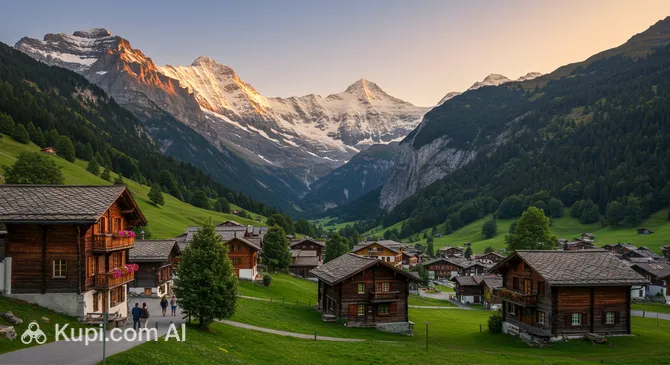
Kandersteg is a true gem of the Bernese Oberland, nestled at an altitude of 1,200 meters above sea level at the foot of the Lötschberg Pass. This picturesque corner, which Switzerland is so famous for, attracts travelers with its authentic atmosphere and incredible landscapes. Here, among the rugged mountain peaks, time seems to slow down, allowing you to enjoy the views of traditional wooden chalets and breathe in the crystal-clear air.

Kandersteg. Illustration.
Source: Kupi.com AI

Despite its modest size and a population of about 1,300 people, the town boasts excellent infrastructure. Guests have access to a wide variety of accommodation options, ranging from cozy campsites and hostels to luxury hotels. A special place is held by the International Scout Centre, which attracts young people from all over the world. The fascinating history of Kandersteg is inextricably linked to its role as an important transport hub, facilitated by the famous Lötschberg Railway Tunnel.

In any season, the resort offers numerous opportunities for active recreation. In summer, tourists can enjoy scenic routes through birch groves to mountain lakes and rivers, perfect for hiking and mountaineering. In winter, the valley becomes a magnet for fans of cross-country skiing, sledding, and peaceful snow walks. Kandersteg is the ideal place to take a break from the hustle and bustle and find harmony with nature.

Weather Overview

The climate of this Alpine resort is determined by its high-altitude location, so the weather in Kandersteg is fresh even in the height of summer. A moderately cold climate prevails here, characterized by fairly high humidity and the absence of exhausting heat.

The winter season is harsh but picturesque, creating ideal conditions for winter sports. In January, the coldest month, the average temperature is -6.4°C, and at night the thermometer often drops to -10°C. Spring arrives in the mountains gradually: even in May, average figures stay at around +5.3°C, a reminder of the proximity of glaciers.

Summer in Kandersteg is mild and comfortable for active walks. In July and August, the air warms up to a maximum of +18°C; however, tourists should remember the whims of nature: June is one of the wettest months with 22 rainy days. Expect a cool summer with frequent precipitation and cold, snowy winters.

Average monthly temperature

Average monthly precipitation

Interesting Facts

Beyond its well-known natural beauty, Kandersteg holds many fascinating details that can surprise even the most seasoned traveler.

  • The town is considered the unofficial "Scout Capital" of which Switzerland is very proud. It is home to the International Scout Centre, which welcomes thousands of young people from all over the world every year for experience sharing and joint adventures.

  • One of the most unusual transport arteries in the region is the Lötschberg Tunnel. This true engineering marvel allows drivers to drive their cars directly onto a railway platform and cross the Alps underground, arriving in the neighboring canton of Valais in just a few minutes.

  • A unique educational route has been laid out in the surrounding area, ideal for family walks. While traveling along it, you can find 46 interactive panels that reveal the secrets of the railway construction and the famous spiral tunnels.

  • Local residents are deeply committed to traditions and folklore. In coffee shops, they will happily tell you legends about mountain spirits and cave treasures, and in summer, colorful festivals are held here with dancing and competitions for the best decoration of wooden chalets.

How to Get There

When planning a trip to the picturesque Alps, it is important to think through your route in advance. Kandersteg, located in the canton of Bern, does not have its own airport, but since Switzerland has one of the most developed transport systems in the world, getting here is easy. You can find all the ways to get to the city on our detailed page, and below we will look at the main air and rail hubs most convenient for planning your journey.

The nearest major international airports are in Geneva and Basel. Geneva Airport (GVA) is one of the most popular choices for tourists. It is located in the city of Geneva, approximately 123.8 km from Kandersteg. This is a major international hub with excellent connections. A trip from there by taxi or transfer will take about 3 hours and 25 minutes.

An alternative option is the EuroAirport Basel-Mulhouse-Freiburg (EAP), located in the city of Basel (distance to Kandersteg is 122.2 km). Travel time by car is approximately 3 hours and 20 minutes. If you are looking for the closest possible option, pay attention to Sion Airport (SIR). It is only 40.6 km away in the city of Sion, and the journey will take about 1 hour and 20 minutes; however, this airport handles fewer flights and is considered a regional one.

For clarity, here is a summary of the main airports:

AirportPassenger trafficDistance
Sion35 92941 km
Bern Airport57 00049 km
Lugano Airport190 698110 km
EuroAirport Basel Mulhouse Freiburg8 mln122 km
EuroAirport Basel-Mulhouse-Freiburg8.1 mln122 km

The railway is the pride of the region and one of the most comfortable ways to travel. There is a station in Kandersteg itself, but major transfer hubs are located in neighboring cities. The key transport hub is Bern Railway Station (IATA: ZDJ), located in the city of Bern, 53.6 km from the resort. It is one of the busiest stations in the country with huge passenger traffic. The journey from Bern to Kandersteg by car or bus takes about 1 hour and 40 minutes, but it is most convenient to use a direct train.

It is also worth mentioning the Sion Railway Station (ZUF), located in the city of Sion, just 38.3 km from Kandersteg. This is the nearest major station to the south of the pass, and a taxi ride from there will take approximately 1 hour and 15 minutes. Traveling by train through these stations will allow you to enjoy breathtaking views of alpine meadows and mountain peaks.

Below is a table with information about the nearest railway stations:

StationPassenger trafficDistance
Sion Railway Station4.5 mln38 km
Oerlikon Railway Station34.4 mln49 km
Bern Railway Station69 mln54 km
Lugano Railway Station11.2 mln112 km
Basel SBB station40 mln117 km

Main Attractions

Kandersteg is the perfect starting point for exploring Alpine nature. The main attractions here were created by the elements themselves: majestic mountains, crystal-clear lakes, and hidden valleys. Here is a list of must-visit places to experience the spirit of this region.

Oeschinen Lake (Oeschinensee) is the undisputed jewel of the region and a UNESCO World Heritage site. Located above the town, this turquoise mountain lake is surrounded by steep cliffs that create a natural amphitheater effect. In summer, people come here for boat trips, swimming (for the most hardened), and picnics on the shore, while in winter, the lake freezes over, turning into a site for ice fishing and winter hiking. For adrenaline junkies, an exciting summer toboggan run—a rail track for high-speed descent—operates near the upper cable car station.

Blausee Nature Park is located very close to Kandersteg and is famous for its incredible deep blue water. The lake is so transparent that you can see tree trunks lying at the bottom for years. This place is steeped in romantic legends, and a walk through the protected forest surrounding the lake offers true serenity. It is also home to the country's oldest organic trout farm, whose dishes can be sampled at the local restaurant.

The Sunnbüel Plateau and the historic Gemmi Pass attract fans of panoramic views and hiking. A cable car takes you up to the sunny plateau, offering views of the neighboring canton of Valais. This spot is particularly popular in winter thanks to its well-maintained winter walking trails, and in summer, it serves as the starting point for routes to Lake Daubensee. For centuries, an important trade route passed through the Gemmi Pass, and today tourists can follow in the footsteps of ancient travelers.

Gasterntal Valley is a "secret" spot for those seeking solitude and wild nature. This narrow high-mountain valley, enclosed by cliffs, is only accessible in summer. It can be reached by a special bus or on foot through a gorge where the Kander River rages. Inside the valley, you'll find powerful waterfalls, blooming alpine meadows, and absolute silence, broken only by the sounds of nature. This is the perfect location to see the real, untouched beauty that Switzerland is proud of.

Local Cuisine

The gastronomic life of Kandersteg is a true ode to Alpine coziness. Here, in the heart of the mountains, food is meant not just to satisfy hunger but to warm the soul and body after long walks in the fresh air. The basis of the local menu, for which Switzerland is famous, is, of course, cheese. It is impossible to imagine a visit here without tasting traditional fondue made from a blend of local varieties or aromatic raclette. These dishes are often served in authentic restaurants styled like wooden chalets, creating a unique atmosphere of home warmth.

Another gastronomic hallmark of the region is Rösti. This crispy dish made of grated potatoes, resembling a large hash brown, is often topped with fried eggs, bacon, mushrooms, or melted cheese with mountain herbs. For lovers of natural products, it's worth paying attention to delicacies from local Alpine farms: smoked sausages, the freshest butter, and thick yogurts. For dessert, be sure to order a homemade forest berry pie or try the local honey collected from blooming high-mountain meadows.

As for drinks, it is customary to accompany a meal with a glass of local wine. Swiss wines are rarely exported, so trying them here is a great find for a gourmet. On cool evenings, locals and tourists prefer to warm up with strong herbal liqueurs or fruit schnapps. Those who prefer non-alcoholic drinks will be offered hot chocolate made with Alpine milk or refreshing lemonades based on mountain herbs.

Food culture in Kandersteg is casual and closely tied to seasonality. Tourists can grab street food at fairs—for example, hot flatbreads with cheese, sweet waffles, or the famous fried sausages. In summer, the culinary scene comes alive with festivals where you can try game dishes and fresh fish caught in cold mountain lakes. For a full immersion into traditions, we recommend visiting a tour of one of the cheese dairies, where the secrets of real Swiss cuisine are revealed.

Travel Tips

A trip to Kandersteg is an immersion into the world of Alpine nature, but mountains require respect and proper preparation. To ensure your holiday is as comfortable as possible and free of organizational hitches, we have compiled a list of the most important practical recommendations for guests of the resort.

  1. Clothing and gear. Mountain weather is changeable even in summer, so dress in "layers." Be sure to bring a waterproof windbreaker and a fleece jacket. For walking around Kandersteg, comfortable trekking shoes with a non-slip sole are critically important—ordinary sneakers can be dangerous on mountain trails. Also, don't forget sunglasses and sunscreen with high SPF: at an altitude of 1,200 meters, the sun is very strong even on cloudy days.
  2. Transport and movement. The village itself is compact and pleasant to explore on foot. Renting a car is not a necessity here: the local system of trains and postal buses works like clockwork. To go up into the mountains, use the cable cars (for example, to Lake Oeschinen). We recommend installing the SBB Mobile app—it is indispensable for planning routes and buying tickets for any transport throughout the region.
  3. Finances and budget. The official currency is the Swiss Franc (CHF). While cards are accepted in most hotels and supermarkets, cash is essential. You will need it in mountain huts, small souvenir shops, or to pay for parking meters. Switzerland is an expensive country, so plan your budget with a margin (lunch in a restaurant will cost from 25-30 francs per person). Service is usually included in the bill, but rounding up the amount is considered good manners.
  4. Health and safety. Kandersteg is a very safe place with a low crime rate. The main risks are nature-related: do not stray from marked trails and keep an eye on the weather forecast. There is a pharmacy (Apotheke) in the village, but it is not open 24/7 and is closed on Sundays, so it is better to bring a basic first-aid kit with you. You can safely drink water from street fountains—it is the purest glacial water.
  5. Communication and connectivity. Locals speak a Swiss dialect of German, but English is understood almost everywhere in the tourism sector. An important detail: Type J sockets (three-pin) are used here. Ordinary flat European plugs (Type C) will fit, but for thick plugs (the "Euro-standard" with grounding) and laptop chargers, you will definitely need an adapter. Wi-Fi is available in most hotels and cafes.
  6. Local etiquette. Locals value politeness and personal space. It is customary to greet fellow hikers on mountain trails by saying "Grüezi" (Grew-tsi) or simply "Hello." In public places, try not to be noisy, especially after 22:00—the observance of silence is strictly monitored here.
  7. What to avoid. Never leave litter in nature—it is perceived as a personal insult and is punishable by high fines. Also, avoid planning active shopping during lunchtime: many shops in Kandersteg close for a break from 12:00 to 14:00, and almost everything is closed on Sundays, except for bakeries and souvenir shops.
  8. Traveler's hack. When checking into your hotel or apartment, be sure to ask for the Gästekarte (Guest Card). In Kandersteg, it is issued free of charge upon payment of the tourist tax and entitles you to free travel on local buses, as well as discounts on cable cars and visits to some attractions.

By following these simple rules, you can avoid unnecessary worries and fully focus on the beauty of the Bernese Alps. Kandersteg is a place where order and nature harmoniously complement each other, creating ideal conditions for your vacation.

Entertainment & Nightlife

Entertainment and nightlife in Kandersteg have a unique, measured rhythm that perfectly matches the atmosphere of a traditional Alpine village. You won't find noisy metropolitan clubs with neon signs or red-light districts here. Evening leisure in this region is primarily about cozy "après-ski" gatherings, conversation by the fireplace, and enjoying local drinks in warm company. Most establishments close fairly early, so the nightlife here ends around midnight, giving way to the silence of the mountains.

The hub of evening activity for both tourists and locals is The Blue Pub. Located at the Hotel Ermitage, this establishment is considered the informal heart of the resort. People come here to play a game of pool, enjoy a pint of local beer or a cocktail, and share impressions of their mountain hikes. The atmosphere is very casual: there is no dress code, and most guests arrive in comfortable hiking gear or ski suits. Music often plays in the evenings, and it can get quite busy during the peak season.

For those seeking a quieter and more elegant setting, the bar at the Victoria Alpine Park hotel is an excellent choice. This venue features a classic interior where you can enjoy a glass of Swiss wine or aged whiskey in a sophisticated atmosphere. The crowd here is more mature, preferring slow conversations set to quiet background music. It’s also worth stopping by Nico's restaurant and bar, which is known for its hospitality and a great selection of drinks, perfect for winding down the day.

When planning your evening, keep a few practical points in mind. The average price for a cocktail or a glass of wine in Kandersteg bars ranges from 8 to 15 francs, while a beer will cost around 7–9 francs. Since the village is small, there is no specific "nightlife district"—all major venues are concentrated along the main street (Hauptstrasse). You can easily walk between them; it is completely safe at any time of day or night, as the crime rate is virtually zero. However, the streets can be dark, so a phone flashlight might come in handy.

If you stay out late, keep in mind that public transport does not run at night. There are taxis in the village, but they are few, and it is better to book them in advance through your hotel reception or the bartender. Most tourists prefer to return to their accommodation on foot, enjoying the fresh mountain air and the incredible starry sky, which feels particularly close in the mountains.

As for daytime entertainment, beyond active sports, Kandersteg offers cultural leisure activities. It is worth visiting the Local History Museum (Ortsmuseum) to learn more about the lives of highlanders in past centuries. For families or in case of bad weather, the indoor ice rink and curling hall are great options—curling is a very popular sport in the region. The village also regularly hosts folklore evenings featuring alpenhorns and yodeling, often organized by local hotels or the tourist office.

Parks & Museums

Kandersteg is that rare case where the town itself and its surroundings resemble a huge open-air museum, where the main exhibits are majestic mountains and alpine meadows. While you won't find the massive museum complexes typical of metropolises here, this cozy corner, which Switzerland is proud of, offers a unique blend of natural parks and cultural sites that carefully preserve the region's history.

Speaking of green spaces, it's worth noting that the concept of a "park" here is inextricably linked with wild nature. One of the most impressive places is Blausee Nature Park (Naturpark Blausee). It is not just a lake, but 20 hectares of protected territory with dense forest, picturesque mossy boulders, and well-maintained walking paths. Here, nature has created the atmosphere of a fairy-tale forest, perfect for leisurely strolls and picnics in specially equipped areas. The park is closed to motor vehicles, ensuring peace and the purest air.

Another natural "gallery" is Allmenalp. This area is often called a natural botanical garden. In spring and summer, the slopes are covered with a carpet of hundreds of species of alpine flowers, including rare gentians and edelweiss. Climbing up here, tourists enter a realm of colors and aromas that surpasses any man-made flowerbeds. This place is especially interesting for macro photography enthusiasts and those who want to see the flora of the Alps in all its diversity.

The city's cultural heritage is concentrated in small but meaningful sites. The primary guardian of history is the Local History Museum (Ortsmuseum Kandersteg). The museum's exhibition, located in an old building, immerses visitors in the life of mountain farmers of past centuries. Here you can see traditional costumes, household items, and tools, as well as learn details about the heroic construction of the Lötschberg Tunnel, which forever changed the fate of the valley. The museum is not open every day, so it is better to check the schedule in advance at the tourist office.

From an architectural point of view, the Reformed Church (Reformierte Kirche) deserves special attention. Built in the early 16th century, it is the village's main landmark. The stone tower of the church and its austere interior with stained glass windows reflect the spirit of Protestant ethics and the resilience of local residents. Classical music concerts are often held near the church, and the acoustics are superb.

For those looking for hidden gems, we suggest paying attention to the Ruedihaus. This is a magnificent example of a traditional Bernese chalet with a richly decorated facade and wood carvings. Although the building now functions as a restaurant and hotel, its exterior is a real textbook on Alpine architecture. Simply walking past and examining the carving details is a separate aesthetic pleasure.

Getting Around

Since Kandersteg is a small Alpine village, there is no metro, trams, or trolleybuses. The public transport system is compact, logical, and perfectly integrated into the tourist infrastructure. The main means of transportation within the resort are local buses, which connect the railway station with the lower stations of the cable cars, campsites, and the start of hiking trails. Distances here are small, so many guests prefer to move on foot, enjoying the views.

A key feature for tourists is the Gästekarte (Guest Card). Every traveler staying in hotels or apartments in Kandersteg and paying the tourist tax receives this card. It entitles you to free travel on local buses. This makes moving around the village as convenient and economical as possible: you don't need to buy a ticket every time, just show the card to the driver when entering.

If you don't have a guest card (for example, if you came for just one day), you can pay for travel in several ways. The most convenient is through the SBB Mobile app, which is a universal tool for the entire transport system that Switzerland is so famous for. In the app, you can plan a route, find the exact schedule, and buy a ticket in a few clicks. Tickets can also be purchased at machines at the railway station or, in some cases, directly from the bus driver (it is better to have small denominations of cash).

An important part of the transport network is the cable cars (Gondelbahn), which serve here as a "vertical metro." They take tourists to the main natural attractions: Lake Oeschinen, the Sunnbüel Plateau, and the Allmenalp mountain. Note that cable car rides are usually not included in the free Guest Card (though it may provide discounts), and tickets must be purchased separately at the ticket offices of the lower stations.

A unique transport "feature" of Kandersteg is the Lötschberg Car Train (Autoverlad Lötschberg). Since there is no direct road through the mountain range to the south into the canton of Valais, cars are loaded onto special railway platforms. The journey through the tunnel takes only 15 minutes, and it is the fastest way to get to the other side of the Alps with a car. The loading terminal is located directly at the railway station.

As for alternative ways of moving around, taxi services exist in Kandersteg, but there are few cars and their services are quite expensive. Catching a car on the street is almost impossible—the trip must be booked in advance by phone. In the summer season, bicycle rentals are very popular, especially e-bikes, which allow you to easily conquer mountain climbs. Rental points are located at the railway station and in the village's sports shops.

Tourists should remember the transport operating hours. Buses run strictly according to the schedule, which is usually synchronized with train arrivals, but services end fairly early in the evening (around 18:00–19:00, depending on the season). Cable cars also have set operating hours, and the last descent is usually around 17:00–17:30. Always check the time of the last trip in advance to avoid having to descend the mountain on foot at dusk.

Accommodation

Where to stay:

The choice of accommodation in Kandersteg perfectly matches the spirit of a traditional Alpine village. You won't find huge glass skyscrapers or faceless chain giants here. The hotel stock primarily consists of cozy family-run hotels and chalets, many of which have been managed by the same family for several generations. This creates a special atmosphere of home warmth and hospitality for which Switzerland is so famous.

The range of accommodation options is quite wide: from budget-friendly campsites and hostels to respectable 3–4 star hotels with their own spa centers. Holiday apartments (Ferienwohnungen) are particularly popular—they are an ideal choice for families or groups who prefer to cook for themselves and live at the rhythm of the locals. For budget travelers and youth, the famous International Scout Centre is a real find, offering affordable dormitory-style accommodation.

In terms of geography, Kandersteg is very compact, but the choice of neighborhood depends on your goals. The central part, located near the railway station, is most convenient for those who plan to actively use public transport or are traveling without a car. This is where the main shops, restaurants, and the tourist office are concentrated. If your main goal is hiking and silence, look for hotels on the outskirts of the village, closer to the lower station of the cable car to Lake Oeschinen or by the Kander River, where the sound of water replaces the urban hum.

Pricing here varies from mid-range to high, which is typical for Swiss resorts. Budget accommodation (camping or a hostel bed) will be the cheapest, a standard room in a mid-range hotel will be moderately priced, and staying in historic chalets with panoramic views will cost top dollar. You can book accommodation through popular online platforms; however, direct booking through the hotel's website often allows you to get better terms or a welcome bonus.

Booking Tip: Kandersteg is a popular destination year-round, so it's worth planning your trip in advance. Peak seasons fall in July-August and the Christmas holidays. During these times, the best options in terms of price and quality are booked up months in advance. Also, remember that when checking into official accommodation, you receive a Guest Card, which entitles you to free local transport, helping you save significantly during your holiday.

Nearby Cities

For those looking to explore the surrounding area, Kandersteg serves as an excellent starting point for day trips to several interesting nearby locations:

One of the most popular destinations is Thun. Located on the shores of the lake of the same name, this city is often called the gateway to the Bernese Oberland. Tourists are drawn here by the magnificent 12th-century castle overlooking the old town and the picturesque promenade, perfect for leisurely strolls. Here you can combine cultural leisure with shopping or go on a lake cruise.

If you want a change of scenery and climate, head to Sion, the capital of the neighboring canton of Valais. Thanks to the Lötschberg Tunnel, you can get there very quickly. Sion is considered the sunniest city in the country and is known for its two castles—Valère and Tourbillon—which stand proudly on neighboring hills. This place is steeped in history and surrounded by vineyards that produce excellent wine.

The city of Sierre, often called the "City of the Sun," also deserves attention. It is located right next to Sion and is famous for its winemaking traditions and wine museum. This is a wonderful place for gourmets and those who want to see a different, more southern side that Switzerland is proud of.

CityPopulationDistance
Adelboden3 3009 km
Spiez12 81022 km
Wengen1 30023 km
Sierre16 86025 km
Interlaken5 50026 km

These nearby destinations provide insight into the diverse culture and landscapes of the region.

Shopping & Souvenirs

Shopping in Kandersteg fully reflects the measured pace of life in an Alpine village: you won't find huge shopping centers, high-fashion boutiques, or noisy outlets here. Instead, Switzerland offers tourists cozy family shops, high-quality sporting gear stores, and gourmet boutiques with local delicacies. Shopping here is more about an opportunity to buy something authentic and necessary for your holiday than a large-scale shopping tour.

The main shopping streets are concentrated along the village's main road—Hauptstrasse. This is where most of the shops, souvenir stalls, and bakeries are located. A walk down this street won't take much time but will allow you to find everything you need: from trekking boots and warm jackets, essential in the mountains, to fresh newspapers and postcards. The compactness of the village allows you to visit all the retail outlets on foot while enjoying views of the surrounding peaks.

Shopping centers in the traditional sense are absent in Kandersteg. The role of general stores is played by the Coop and Volg supermarket chains. Here, tourists can buy groceries, drinks, hygiene items, and basic household goods. These are the main places to restock on food before long walks or to buy Swiss chocolate at regular, "non-tourist" prices.

While there are no large permanent markets in the town, local farm shops and cheese dairies are a real find for gourmets. Farmers often sell their products directly from their homes or in small self-service kiosks. Here you can find the freshest alpine milk, homemade jams, honey, and cured meats. Such purchases allow you not only to taste natural products but also to support local producers.

As souvenirs from Kandersteg, it's worth bringing back things the Bernese Oberland region is famous for. First and foremost, this is the famous Alpine cheese (Alpkäse) and shaved cheese (Hobelkäse), which can be bought directly from the cheesemakers. Wood products, such as carved cow figurines or traditional toys, as well as decorative cowbells, are also popular. Fans of practical gifts will appreciate high-quality Swiss knives and functional clothing from local brands.

When planning your shopping, it is important to consider the opening hours. Shops in Kandersteg are usually open from Monday to Friday from 08:00 to 18:30, but almost all of them close for a lunch break from 12:00 to 14:00. On Saturday, working hours are often reduced to 16:00 or 17:00. On Sunday, most shops are closed, except for small food outlets at the station or bakeries open in the morning.

Regarding payment, supermarkets and sports shops accept credit cards (Visa, MasterCard) without any problems. However, for purchases in small souvenir shops, at farms, or in mountain huts, it is strongly recommended to have cash francs with you. The Tax Free system is available for purchases over 300 francs in one store, but in a small village, not all retail outlets support this service, so it is better to check for the availability of a special form (Global Blue, etc.) with the seller in advance.
Reached the end of the page?

That means the route is fully explored