Support

Wat Nam Hu

About

Tucked away among the picturesque hills of the north, Wat Nam Hu is a charming Buddhist temple located just a few kilometers from the popular town of Pai. This place is unlike the typical bright temples often found in Thailand: it is distinguished by simple white stone buildings with traditional wooden roofs, creating an atmosphere of peace and simplicity.
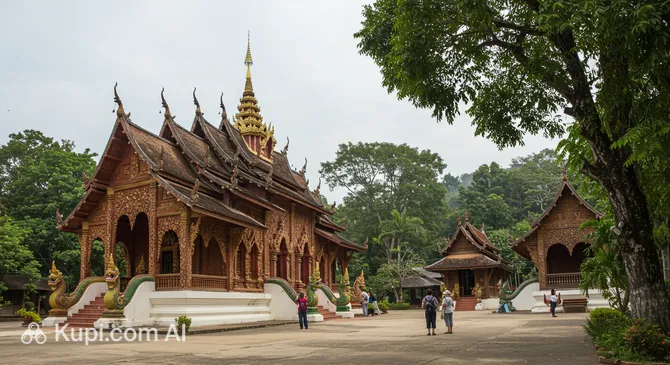
Wat Nam Hu
Wat Nam Hu. Иллюстрация. Источник: Kupi.com AI

The main pride of the temple is the sacred Chiang Saen Buddha statue, which is centuries old. One of the most memorable architectural features of the complex is a small, elegant building erected right in the middle of a lotus pond. Inside, a statue of a legendary commander is installed, giving the place a special historical flavor.

Pilgrims and travelers flock here not only for the architecture but also for the holy water from a local spring, which, according to legend, possesses healing powers. Its proximity to a traditional Chinese village makes visiting the temple an excellent opportunity to experience the multifaceted culture of this region.

Contacts

For those planning a visit to Wat Nam Hu, the following contact information will be useful. The temple is located in close proximity to the town, making it easy to find.

How to contactContact
Address9C77+X77, Wiang Tai, Pai District, Mae Hong Son 58130, Thailand

What to Do

A visit to Wat Nam Hu is primarily an opportunity to slow down and find peace. Be sure to enter the main hall to see the famous Buddha statue, crafted in the ancient Chiang Saen style. It is considered a kind gesture to make a small offering and collect some holy water, which many visitors believe to be blessed.

Pay special attention to walking around the pond. The pavilion in the center of the water is one of the most photogenic spots around town. Here you can take beautiful photos or simply sit in silence, watching the reflections on the water and breathing in the fresh mountain air. Inside the temple, you can also see an interesting collection of monk statues, each with its own unique features.

For those who want a deeper immersion into local life, we recommend combining your visit to the temple with a stroll to the Santichon Chinese Village. This will allow you to see how Thai Buddhist traditions and the cultural heritage of Chinese immigrants intertwine harmoniously against the backdrop of the breathtaking landscapes of Mae Hong Son province.

Getting There

The shrine is located just 3 kilometers from the town center, so getting here is very quick. The most popular and convenient way to get around the area is by renting a scooter or motorbike. The ride through the scenic hills takes about 10 minutes, and the road offers pleasant views along the way.

If you don't ride a bike, you can use local taxi services, such as traditional songthaews or tuk-tuks. Just tell the driver the name "Wat Nam Hu," and they will take you straight to the gates. GPS coordinates: 19.3649006, 98.4131775.

Outdoor enthusiasts can walk to the temple or ride a bike, combining the stroll with a visit to the neighboring Chinese village, which is just a kilometer from the temple complex. This is a great opportunity to see the daily life of local residents and enjoy the nature of the northern region.

Ближайший город: Pai

History & Facts

This small but significant temple embodies the spirit of antiquity and is closely linked to the history of northern Thailand. Wat Nam Hu gained fame thanks to its main relic — a Buddha statue in the Chiang Saen style. This work of art is believed to date back to an era when the region was under the strong influence of Lanna culture.

The temple's name, which translates to "water in a hole," is associated with a remarkable phenomenon. According to legend, water constantly accumulates in the head of the sacred Buddha statue, even if it is ladled out. Locals revere this water as holy and attribute healing properties to it.

The temple's architecture is also noteworthy. Unlike the lavish, golden temples of the central provinces, simple white stone buildings with wooden roofs predominate here. This style emphasizes the simplicity and sincerity of the faith of the northern mountain people, preserving an authentic atmosphere of the past.

Time Needed

To fully experience the grounds of Wat Nam Hu, 1–2 hours is usually sufficient. This is enough time to explore the main temple at a leisurely pace, pay respects to the Buddha statue, and walk around the picturesque pond.

If you plan to meditate or want to enjoy the silence by the water for a while, you may stay longer. The temple is often visited as part of a larger sightseeing route, so it is easy to fit into a morning or afternoon walk schedule.

Working Hours

The exact opening hours of the temple are not officially regulated; however, like most Buddhist shrines, it is open to visitors from sunrise to sunset. It is recommended to plan your visit for the morning hours or the time before sunset, when the lighting makes the area especially beautiful.

Since Wat Nam Hu is an active religious site, you can check with local guides or look for updates on the city's official tourism resources before your trip.

Nearby

A trip to the temple area is a great excuse to explore the surroundings. The town of Pai is famous for its natural beauty and cozy spots, many of which are located very close to the historical complex.

Exploring nearby locations will allow you to better feel the atmosphere of the north: from active recreation in water parks to peaceful evenings in cafes with sunset views.

NameDistance
Nature Life Pai3.3 km
Reverie Siam Resort3.5 km
Sunset Bar3.8 km
Bom Bowls3.8 km
Oia Pai Resort3.8 km
Wat Si Don Chai3.9 km
Two Sisters Restaurant4 km

Reached the end of the page?

That means the route is fully explored