Support

Wat Chiang Rai

About

If you are looking for a place where the history of northern Thailand comes to life, be sure to visit Wat Chiang Rai. Located in the heart of Lampang, this ancient Buddhist monastery is a magnificent example of Lanna-style architecture. The temple, also known as Wat Phra Singh Chiangrai, draws the eye with its multi-tiered roofs and filigree wood carvings, creating an atmosphere of deep reverence and peace.
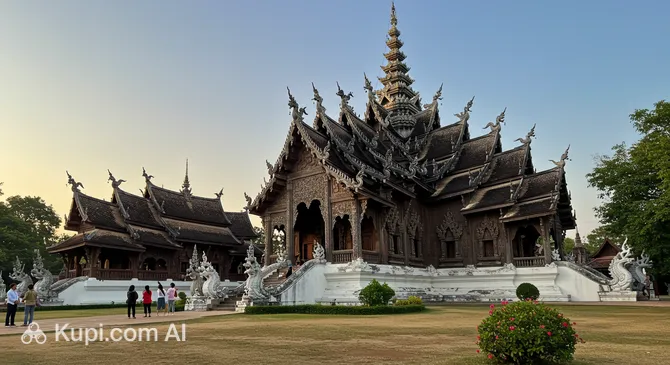
Wat Chiang Rai
Wat Chiang Rai. Иллюстрация. Источник: Kupi.com AI

The main treasure of the complex is a copy of the Phra Singh Buddha statue, which is highly revered by believers. Strolling through the grounds, you can see an exquisite viharn (main prayer hall) decorated with vibrant frescoes, ancient stupas, and a unique manuscript library. This is not just a tourist site, but an important spiritual center where the region's centuries-old traditions are still preserved.

With a 4.5 rating based on hundreds of reviews, Wat Chiang Rai is considered one of the most cozy and significant attractions in the province. The combination of historical value and fine artistic craftsmanship makes it a must-visit on the itinerary of any traveler wishing to feel the true spirit of Northern Thai temple art.

Contacts

To plan your visit to Wat Chiang Rai, it's helpful to have current contact information on hand. The temple is located in the central part of the city, making it easily accessible for travelers.

How to contactContact
Address427 Thanon Tipchang, Tambon Suan Dok, Amphoe Mueang Lampang, Chang Wat Lampang 52100, Таиланд
Phone+66 54 741 238

What to Do

A visit to Wat Chiang Rai offers guests a chance to experience living Buddhist culture. First and foremost, it's worth stepping into the main viharn: its walls are decorated with detailed frescoes depicting religious stories, and the interior is striking with its abundance of gilded decor. Be sure to take some time for quiet contemplation in front of the Phra Singh Buddha statue.

On the monastery grounds, you can inspect ancient stupas and look into the library building, where valuable manuscripts have been stored for centuries. Photography enthusiasts will find many interesting angles here, capturing the play of light on the carved wooden elements of the facades and the traditional multi-tiered roofs.

The temple's atmosphere is ideal for meditation and reflection. You can observe the daily life of the monks or simply relax in the shade of the ancient buildings, soaking up the tranquility of the place. This is a great opportunity to slow down the pace of your journey and experience the spiritual life of northern Thailand.

Getting There

Finding Wat Chiang Rai is easy, as it is located at 427 Thanon Tipchang in the Suan Dok area. If you are already in the city center, it is most convenient to use local transport: a trip on a traditional tuk-tuk or a bright songthaew truck will take only about 10–15 minutes.

For those arriving from other provinces, such as Chiang Mai, the journey usually begins at the Lampang railway station or bus station. From there, you can quickly reach the temple by taxi. For precise navigation in maps, it is convenient to use the coordinates: 18.2903083, 99.4920963.

Ближайший город: Lampang

History & Facts

The history of this sacred site dates back to the 14th century, the heyday of the powerful Lanna Kingdom. The temple was built specifically to house one of the region's most significant relics — the Phra Singh Buddha statue. Although the original statue was eventually moved to Chiang Mai, Wat Chiang Rai retained its high spiritual significance by installing a revered copy within its walls.

Over the centuries, the monastery served not only as a religious center but also as an important cultural hub. The local manuscript library has protected the wisdom of Buddhist teachers for ages, carefully preserving ancient texts for future generations. Each building in the ensemble — from the massive gates to the elegant pagodas — bears the architectural hallmarks of different eras, united by the overall Northern Thai style.

The architectural appearance of the monastery is considered a benchmark of the Lanna style. Skillful wood carving and complex multi-tiered roof structures reflect the craftsmanship of ancient builders, turning an ordinary temple visit into a real journey into the past.

Time Needed

To leisurely explore all the main buildings, study the frescoes, and enjoy the silence of the temple courtyards, most guests will need between 1 and 2 hours. This is quite enough time for a full introduction to the architecture and the main shrines of the complex.

If you plan to do detailed photography or simply want to sit longer in the shade of the ancient pagodas to soak in the atmosphere, it's worth allocating a bit more time. The temple is quite compact, so it can easily be included in a general sightseeing walk around the city center.

Working Hours

Wat Chiang Rai is hospitably open to visitors daily. The temple is open from 06:00 to 18:00, allowing tourists to come here both at dawn, when the morning coolness makes the walk especially pleasant, and during the pre-sunset hours.

Although the gates are open to everyone, official working hours may change on religious holidays or during special ceremonies. Visitors are advised to check information on official tourism resources before their visit.

06:00–18:00

Nearby

Exploring the temple's surroundings can significantly enrich your experience in Lampang. Within walking or driving distance of the shrine, you will find historical monuments preserving the spirit of the old city, as well as modern places for relaxation.

A stroll through the nearby streets will allow you to see the remains of ancient city walls and colorful buildings, as well as visit cozy cafes serving traditional northern cuisine. Below are some interesting sites nearby:

NameDistance
The Riverside Restaurant0.1 km
Lampang Clock Tower0.2 km
Kelang Nakhon Public Park0.6 km
The Space Lampang0.8 km
Kad Kong Ta Night Market0.8 km
Prasertsri Place0.9 km
Robinson Lampang0.9 km

Reached the end of the page?

That means the route is fully explored