Support

Wat Pratu Ton Phueng

About

Located in the cozy and distinctive city of Lampang, the Buddhist temple Wat Pratu Ton Phueng is a classic example of Northern Thai architecture. It is a place where time seems to slow down, allowing guests to immerse themselves in an atmosphere of true tranquility and spirituality. The temple is rightfully considered an important cultural site, visited by those seeking authenticity away from the bustling tourist routes for which Thailand is famous.
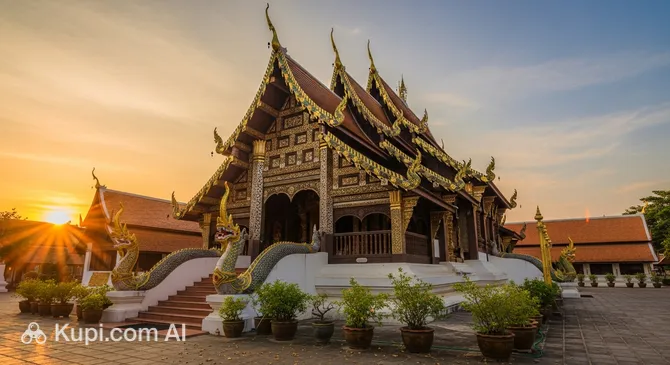
Wat Pratu Ton Phueng
Wat Pratu Ton Phueng. Иллюстрация. Источник: Kupi.com AI

The architectural ensemble of the wat is designed in the traditional Lanna style: here you can see elegant wooden structures and the sand courtyards characteristic of this region. A high rating among visitors confirms that the temple is not just a religious site, but a true oasis of silence, where every decorative element—from the sculptures at the entrance to the exquisite carvings—deserves careful study.

This is an active monastery where life flows in harmony with ancient canons. Visitors are drawn not only by the aesthetics of the buildings but also by the opportunity to observe the daily life of the monks, making a visit to Wat Pratu Ton Phueng a deep and enlightening experience of Northern Thailand's Buddhist culture.

Contacts

To contact the temple representatives or clarify details regarding ceremonies, you can use the provided phone number or visit their official social media page.

How to contactContact
Address1ตรอกวัดประตูต้นผึ้ง ถ.เวียงเหนือ ต.เวียงเหนือ อ.เมือง Tambon Wiang Nuea, Amphoe Mueang Lampang, Chang Wat Lampang 52000, Таиланд
Phone+66 54 320 172
Websitewww.facebook.com

What to Do

The main reason to visit Wat Pratu Ton Phueng is contemplation. Begin your exploration by studying the central vihara, paying attention to the intricate wood carvings and traditional decorative elements characteristic of the northern provinces. A stroll through the grounds, with their sand-covered courtyards, sets a meditative mood and allows you to admire the numerous statues guarding the peace of this place.

Photography enthusiasts will find many interesting angles here: the play of light in the temple halls, the details of ancient stupas (chedis), and the vibrant accents on the building facades. The peaceful environment is perfect for reflection and meditation, so feel free to sit on a bench in the shade of the trees and simply observe the flow of life in the monastery.

To make your visit even more colorful, you can combine it with a ride in one of the famous horse-drawn carriages—the symbol of Lampang—which often pass nearby. This not only provides a comfortable way to reach the temple but also lets you feel the nostalgic charm of this ancient city.

Getting There

Reaching this spiritual center is easy, as it is located right within the city limits of Lampang, in the Tambon Wiang Nuea district. If you are staying in the city center, a ride by taxi or a colorful local tuk-tuk will take only 5–10 minutes. For more modern travelers, using the Grab app to call a car is very convenient.

If you are in the adjacent blocks of the northern part of the city, the temple is well within walking distance through quiet streets. For those who have rented a bike or a car, the address for navigation is: 1ตรอกวัดประตูต้นผึ้ง ถ.เวียงเหนือ. Parking is usually available at the entrance to the complex.

Ближайший город: Lampang

History & Facts

While the exact date of Wat Pratu Ton Phueng's founding is lost in the mists of time, the temple's architectural style is inextricably linked to the cultural heritage of the ancient Lanna Kingdom. This region is famous for its careful preservation of traditions, reflected in the use of teak—a precious wood used to construct the main buildings of the complex.

The sand courtyards deserve special attention, as they are a hallmark of the old temples in this area. According to Buddhist cosmology, clean sand symbolizes the world ocean surrounding the sacred Mount Meru. Visitors can experience the authenticity of a place where every decorative element carries deep religious meaning.

Unlike many tourist sites that have been restored beyond recognition, this temple preserves the spirit of old Lampang. Here, history comes alive in the carved details and the tranquility that local monastic communities have protected for centuries.

Time Needed

For a standard tour of the temple complex, including a walk through the grounds and taking some memorable photos, 1–2 hours is sufficient. This time is enough to leisurely study the architectural details and enjoy the silence in the inner courtyard.

If you plan to combine your visit with meditation or a long walk through the surrounding Wiang Nuea district, which is home to many historical buildings, you should budget up to 3 hours in your schedule. It is best to visit in the morning when the sunlight softly highlights the texture of the wood and stone.

Working Hours

Wat Pratu Ton Phueng is usually open to visitors daily from 6:00 AM to 6:00 PM or 7:00 PM. This is a traditional schedule for most Buddhist monasteries in Thailand, aligned with daylight hours.

However, it is recommended to check the current schedule on the temple's official Facebook page or on-site before your visit, as opening hours may change during major religious holidays or internal community ceremonies.

Nearby

A stroll around the temple's surroundings will allow you to immerse yourself deeper into the atmosphere of provincial Thailand and see historical monuments hidden from the average tourist. The neighboring streets are rich with old buildings and cozy spots to relax.

NameDistance
Lampang Cultural Street Market0.2 km
Wat Phra Kaew Don Tao Suchadaram0.4 km
Baan Sao Nak0.4 km
Lampang Museum1 km
Kad Kong Ta Night Market1.1 km
Wat Si Chum1.7 km
The Riverside Restaurant1.8 km

Reached the end of the page?

That means the route is fully explored