Support

Gulhane Park

About

Gülhane Park (Gülhane Parkı) is the oldest and one of the most beautiful parks in the historical heart of Istanbul, located at the foot of the famous Topkapi Palace. Once, this vast green area was part of the outer gardens of the sultan's palace, accessible only to the ruler and his court. Today, it is a favorite vacation spot for both city residents and tourists visiting Turkey. The park's name translates from Persian as "House of Roses," which is fully justified in spring and summer when thousands of roses and tulips bloom here.

A walk through Gülhane is not just an outdoor escape, but a true immersion into history. The park was opened to the public in 1912 and has since preserved the atmosphere of the Ottoman Empire's former grandeur. Shady alleys sheltered by the canopies of centuries-old plane, oak, and walnut trees provide a pleasant coolness even on a scorching day.
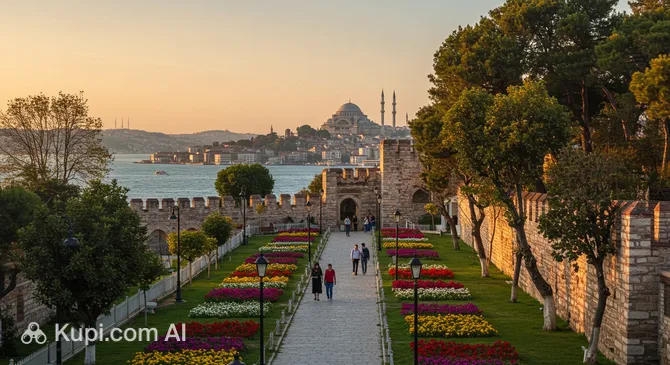
Gulhane Park. Illustration.
Source: Kupi.com AI

Traveler photos:

In addition to the magnificent landscapes, there are other interesting sites within the park. The Museum of the History of Science and Technology in Islam is located here, with its exhibition housed in the former imperial stables. The museum displays copies and models of various inventions and scientific instruments from the Islamic world. You can also see the ancient Goths' Column in the park — the oldest Roman-era monument in the city. Gülhane offers a unique opportunity to combine peaceful relaxation with educational discoveries.

Contacts

Gülhane Park is a public asset of Istanbul, so it does not have a dedicated visitor contact center. To clarify information regarding opening hours or events, it is best to contact the city's tourist information offices or check the official website of the Istanbul Metropolitan Municipality. Getting to the park is very easy: it is located in the historical center, and the T1 tram stop closest to the main entrance is called "Gülhane".

How to contactContact
AddressCankurtaran, Kennedy Cad., 34122 Fatih/İstanbul, Türkiye
Websitewww.istanbul.gov.tr

What to Do

Every visitor will find something to do in Gülhane Park. It is an ideal place for leisurely strolls along shady alleys, where you can rest on numerous benches under the canopies of centuries-old plane trees or simply admire the well-kept flower beds. The park takes on a special charm in spring, during the famous Tulip Festival. In April, the flower beds turn into a single colorful carpet of millions of flowers, creating a truly unforgettable sight.

In addition to contemplating nature, Gülhane has unique features. Right at the main entrance, guests are greeted by the original Book Fountain — a marble composition in the form of an open book, where the movement of water imitates turning pages. A welcoming inscription is carved on its "pages." For those interested in history, the Museum of the History of Science and Technology in Islam, located in the building of the former imperial stables, is open within the park. By visiting it, you can learn about the impressive achievements and inventions of the Islamic world.

Getting There

Located in the heart of the historic Sultanahmet district, Gülhane Park is very easy to find. Thanks to its central location near Istanbul's main attractions, it can be reached in several convenient ways, including a pleasant walk from the Blue Mosque or Hagia Sophia.

The easiest and fastest way to reach the park is by public transport. The T1 tram line (Kabataş-Bağcılar) is the ideal choice. The stops closest to the park are called "Gülhane" and "Sultanahmet". From both stations, the park entrance is just a few minutes' leisurely walk. Additionally, numerous city buses run in the area, and taxis are always available to take you directly to one of the entrances.

The park can be entered from several sides. The main and most well-known entrance is the stone arch on Alemdar Street (Alemdar Caddesi), located right by the Gülhane tram stop. Another popular entrance leads into the park directly from the First Courtyard of Topkapi Palace, which is very convenient for those combining visits to these two landmarks. There is also a less crowded entrance on the waterfront side, perfect for those wishing to start their walk with a view of the Bosphorus.

Nearest city: Istanbul

History & Facts

The history of Gülhane Park is inextricably linked with the history of the Ottoman Empire. Originally, this area was not a public park but part of the luxurious outer gardens of the famous Topkapi Palace. Access here was reserved only for the Sultan and his inner circle. The park's name, which translates as "House of Roses," perfectly reflected its essence — magnificent rose gardens were laid out here, fragrant in spring and summer.

A special place in the history of the park and all of Turkey is occupied by the year 1839. It was here, in the garden in front of the palace, that Grand Vizier Mustafa Reşid Pasha proclaimed the famous Edict of Gülhane. This document marked the beginning of the Tanzimat reform era, aimed at modernizing the Ottoman Empire. The edict declared the equality of all subjects in rights and duties, regardless of their religion or nationality, which was a turning point in the life of the state.

The park acquired its modern status at the beginning of the 20th century. In 1912, city authorities decided to open part of the former sultan's gardens to the public. Since then, Gülhane has become one of the most favorite places for walking and relaxation for both Istanbul residents and numerous tourists. It harmoniously combines the grandeur of history, captured in centuries-old trees and ancient monuments, with the peaceful beauty of nature in the heart of the metropolis.

Time Needed

To fully experience Gülhane Park, it is recommended to set aside 1.5 to 3 hours. This time is quite sufficient to leisurely walk through the entire territory, enjoy the peaceful atmosphere under the shade of centuries-old trees, and rest from the noise of the metropolis. The walk will allow you to fully feel the historical spirit of this place, which was once part of the sultan's gardens.

Within this time, you can not only walk but also see the park's key features, including the famous Book Fountain. If you plan to visit the Museum of the History of Science and Technology in Islam, located in the former imperial stables, it is better to plan for a longer stay — about 3 hours. Also, keep in mind that in the spring, during the colorful Tulip Festival, exploring the park may take more time, as you will certainly want to admire the magnificent floral arrangements for longer.

Working Hours

Gülhane Park is open to visitors year-round, and entry to its territory is free for everyone, so no prior booking or ticket purchase is required. As a rule, the park is open daily from early morning until late evening. Operating hours are usually set from 6:00 to 22:30, providing plenty of time for a leisurely stroll.

It is worth noting that the exact closing time may change slightly depending on the season: in summer, working hours may be extended, and in winter, slightly shortened. Therefore, if you are planning a visit for early morning or late evening, it is recommended to check the current schedule on Istanbul's official tourist portals or at the city's information centers.

Open 24 hours

Nearby

The location of Gülhane Park in the heart of Istanbul's historic district makes it an ideal starting point for exploring other iconic city sites. A walk through its surroundings will allow you to dive deeper into the rich history and culture of Turkey, as many world-famous attractions are literally just a few steps away.

Combining a rest in the park with a visit to nearby historical monuments will enrich your experience and help you form a complete picture of the grandeur of ancient Constantinople. Most key sites are within a short and pleasant walking distance, making it easy to plan a full day of sightseeing.

NameDistance
Topkapi Palace Museum0.3 km
Hagia Sophia Grand Mosque0.5 km
Basilica Cistern0.6 km
GRACE Rooftop Restaurant1 km
Hidden Garden1.1 km
Salt Galata1.4 km
Galata Tower1.5 km

Have you reached the end of the page?

So the route has been studied inside and out