Support

Celtic Park

About

Celtic Park is not just a football stadium; it is the true heart of Glasgow's sporting life and one of the most iconic arenas in the entire United Kingdom. Located in the eastern district of Parkhead, this stadium is the home ground for the famous Celtic Football Club and a magnet for its numerous fans from all over the world.
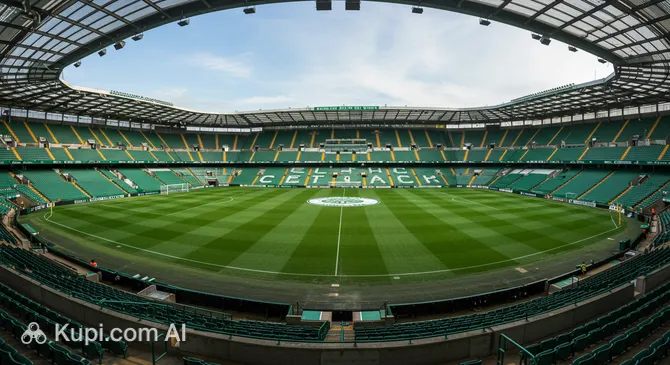
Celtic Park. Illustration.
Source: Kupi.com AI

Traveler photos:

For locals and fans, this place holds immense cultural significance. The stadium, which fans affectionately call "Paradise," is famous for its incredible atmosphere during matches, when the roar of the stands creates an unforgettable spectacle. Visiting the arena allows you to feel that special spirit that makes Scottish football so exciting.

Celtic Park will interest not only die-hard football fans but also those interested in sports history and the architecture of modern sports facilities. Stadium tours offer a behind-the-scenes look, allowing you to see the players' dressing rooms, walk through the tunnel to the pitch, and learn more about the history of Celtic FC. It is one of the city's main sporting attractions, a must-visit for anyone who wants to feel the true pulse of Glasgow.

Contacts

To get the most accurate and up-to-date information about visiting Celtic Park, including tour schedules, ticket prices, and answers to any questions, we recommend consulting official sources. Since direct contact details like phone numbers or email addresses may be unavailable or subject to change, the most reliable way is to visit the official Celtic FC website. This is where all the latest visitor updates are published.

How to contactContact
AddressJanefield St, Glasgow G40 3RE, UK
Phone number+44 871 226 1888
Websitewww.celticfc.com

What to Do

The main reason to visit Celtic Park is, of course, the football matches. Attending a Celtic home game means immersing yourself in an unforgettable atmosphere created by thousands of dedicated fans. The energy of the stands, the fans' songs, and the tension on the field leave a lasting impression even on those who don't consider themselves big football enthusiasts. It’s a unique opportunity to feel the real sporting spirit of Glasgow.

For tourists wanting a behind-the-scenes look at sporting life, special stadium tours are organized. During such a tour, you can walk through the corridors where football legends walk, visit the players' dressing rooms, the referee's room, and even the club's boardroom. The tour always includes walking out to the pitch through the famous tunnel and the chance to sit on the substitutes' bench, soaking in the atmosphere from the touchline.

Beyond football, the arena occasionally hosts other events, such as concerts by international stars or Q&A sessions with Celtic legends. To fully immerse yourself in the local culture, you can drop into one of the themed pubs nearby after visiting the stadium or pick up souvenirs at the club shop. In this way, a visit to Celtic Park turns into a complete cultural adventure.

Getting There

Celtic Park is conveniently located about two miles east of Glasgow city center, in the Parkhead area. As a result, there are several ways to reach the arena. The most popular option is public transport: bus stops and train stations are situated right near the stadium. Regular buses, such as routes 2, 61, and 240, run from central Glasgow. You can also take a train to Dalmarnock station, which is about a 15-minute walk from the stadium.

For those who prefer to walk, the journey from the central streets takes about 40-45 minutes. A taxi is another alternative, taking approximately 15 minutes depending on traffic. If you are traveling by car, the stadium is close to the M8, M74, and M73 motorways. There is parking available near the arena, though spaces can be limited on match days, so it’s worth arriving early.

Nearest city: Glasgow

History & Facts

The history of Celtic Park is inextricably linked to the history of Celtic FC itself, with roots dating back to the late 19th century. The first stadium of this name was built in 1888 by Irish volunteers organized by the club’s founder, Brother Walfrid. It was a modest arena with a stand for a thousand spectators, earthen embankments, and even a cycling track around the pitch. It was on this historic ground that Celtic played their first match on May 28, 1888, against their future arch-rivals, Rangers, which ended in a 5-2 victory for the home side.

However, just a few years later, the club faced a problem: the landowner sharply increased the rent from £50 to £450 per year. Celtic's management refused these terms and decided to build a new arena literally across the road from the old one, on the site of a former brickyard. In 1892, the club moved to its current location, which became the modern Celtic Park. This move gave birth to the stadium’s famous nickname — "Paradise." One journalist attending the opening described the event as "moving from the graveyard to paradise," hinting at the old stadium's proximity to a necropolis.

Since its "rebirth," the stadium has been rebuilt and modernized many times. One of the most significant renovations took place in the 1990s, transforming the arena into the modern complex we know today. Notably, the Main Stand was designed by the famous architect Archibald Leitch, who designed over twenty stadiums across the United Kingdom. In 1938, an attendance record was set during a match against Rangers, with over 92,000 people attending, testifying to the incredible popularity of the club and its home ground throughout history.

Time Needed

When planning a visit to Celtic Park, keep in mind that the time required depends greatly on the purpose of your visit. On average, it’s recommended to set aside 1.5 to 3 hours to get to know this iconic arena. This will be enough time to soak up the atmosphere of the legendary stadium, take photos, and perhaps visit the club shop.

If you want to take an official stadium tour, it usually lasts about an hour or an hour and a half. During this time, a guide will take you through the most interesting areas: you'll see the players' dressing rooms, walk through the tunnel leading to the pitch, and sit on the substitutes' bench. There are also extended tours that include lunch in a restaurant with a view of the pitch, which can extend the visit to 3.5 hours.

Attending a football match is a different story. In this case, be prepared to spend at least 3–4 hours. This includes not only the 90-minute game itself but also stadium entry, pre-match entertainment, and time after the final whistle. Attending a match is the best way to fully experience the world-famous "Paradise" atmosphere, as the fans affectionately call the stadium.

Working Hours

Celtic Park does not have standard daily opening hours, as its schedule depends entirely on match fixtures and tour bookings. On non-match days, the stadium is open to visitors during the daytime for organized tours. On match days, the arena opens to fans several hours before kick-off. Access to dressing rooms may be restricted the day before and on the day of a match.

Since the schedule is very dynamic, visitors are strongly recommended to check the current tour and match schedule on the official Celtic FC website. Due to its high popularity, it is advisable to book tour tickets in advance to guarantee a spot. The stadium is available to visit year-round, but planning ahead is the key to a successful visit.

DayOpening hours
Monday9:00 – 17:00
Tuesday9:00 – 17:00
Wednesday9:00 – 17:00
Thursday9:00 – 17:00
Friday9:00 – 17:00
Saturday10:00 – 19:00
Sunday10:00 – 16:30

Nearby

A visit to Celtic Park is a highlight in itself, but a trip to Glasgow wouldn't be complete without exploring its surroundings. A stroll through the nearby neighborhoods will allow you to dive deeper into the city's history and culture, seeing it from different perspectives and discovering places off the beaten tourist path.

The East End of Glasgow, where the stadium is located, is rich in interesting sites—from picturesque parks to historical monuments. Nearby, you'll find many attractions easily accessible on foot or by public transport. Below is a list of some of them to help diversify your trip.

NameDistance
Doulton Fountain1.9 km
People's Palace2 km
Glasgow Necropolis2.1 km
Paesano Pizza3 km
Gallery of Modern Art3.2 km
Princes Square3.2 km
Miller & Carter3.3 km

Have you reached the end of the page?

So the route has been studied inside and out