Support

Isle of Skye

About

The Isle of Skye, often referred to as the "Isle of Mist," is rightfully considered one of Scotland's most enchanting corners. It is a place where majestic mountains meet the endless ocean, creating landscapes of incredible drama and beauty. If you are planning an extensive journey to the United Kingdom, this island in the Highlands region is a must-include in your itinerary as a prime example of unique northern nature.

Isle of Skye. Illustration.
Source: Kupi.com AI

Geographically, Skye is the largest island in the Inner Hebrides archipelago. Although the permanent population is only about 10,000 people, the island is bustling with life thanks to the flow of travelers. The climate is typically maritime and changeable, which only adds to the atmosphere of mystery. The rich history of the Isle of Skye is inextricably linked with legends of rival clans, ancient castles, and myths that come to life in every glen and on every hillside.

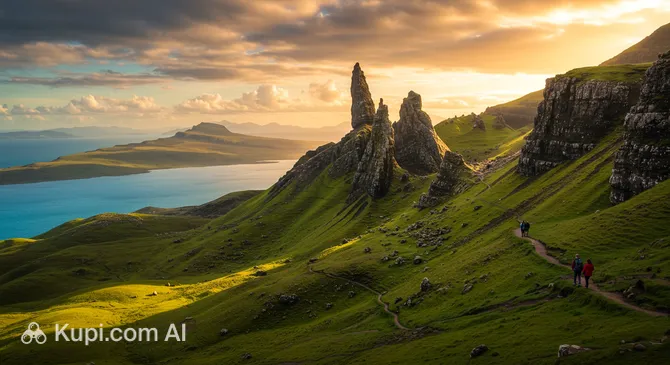
People come here primarily for its natural wonders. The famous Old Man of Storr rock, towering over the landscape like a stone sentinel, and the magical Fairy Pools with their crystal-clear water have become true symbols of the island. No less attractive is the main town, Portree, known for its picturesque harbor with brightly colored houses, where you can relax after long walks.

The Isle of Skye is an ideal destination for those seeking inspiration, solitude, and an encounter with wild, untamed beauty. A trip here will give you unforgettable impressions and the feeling of a real-life fairy tale.

Weather Overview

The climate of the Isle of Skye fully justifies its romantic nickname, "Isle of Mist." The weather here is strongly influenced by the Atlantic Ocean, which ensures mild conditions without extreme temperature fluctuations, but with frequent changes in the sky's mood. Expect cool summers with periodic rain and mild, wet winters, where frosts occur less often than on mainland Scotland.

The summer season here is quite fresh: in July and August, the average temperature is about 13–14°C, rarely rising above 15°C. This is an ideal time for long walks if you are not afraid of precipitation, which falls on average 20 days a month. In winter, in January and February, the air cools to an average of 5.5°C, and the number of rainy days increases to 25. The "driest" and most welcoming period is often the spring months — April and May — when rain is less frequent and nature begins to bloom.

Given the unpredictability of the elements, high-quality waterproof clothing will be necessary in any season. To choose the best days to visit famous natural attractions, we recommend checking the expected weather on the Isle of Skye in advance during your trip.

Average monthly temperature

Average monthly precipitation

Interesting Facts

In addition to breathtaking landscapes, the Isle of Skye holds many fascinating secrets and ancient legends that make a journey here truly mystical. These lands are full of stories where reality is closely intertwined with myth, and geological wonders sit side-by-side with folklore.

  • The island is often called Scotland's "Jurassic Park." On the coast, particularly near An Corran beach, you can find actual fossilized dinosaur footprints at low tide, left here about 170 million years ago.

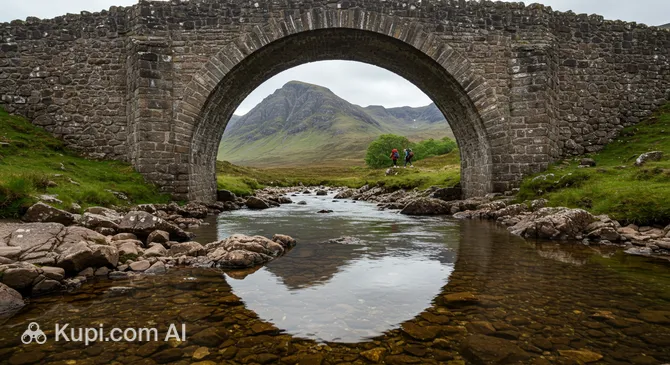
  • There is a local legend about the secret to eternal youth. The legendary Sligachan Old Bridge crosses a river with "magical" properties: they say if you dip your face into the icy water under the bridge for exactly seven seconds and do not wipe it dry, the fairies will grant you eternal beauty.

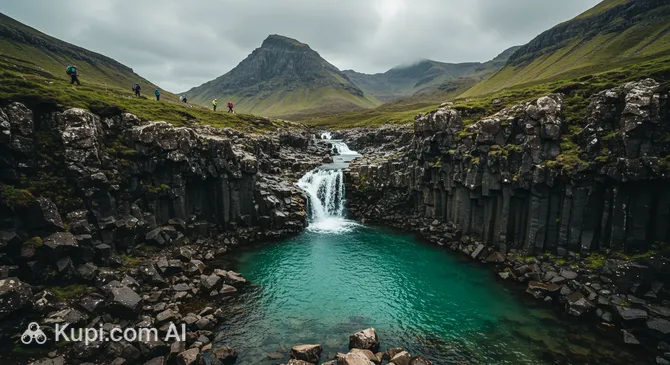
  • Mythology is felt at literally every step here. The famous Fairy Pools at the foot of the Cuillin mountains are considered the bathing place of fairies and the "wee folk," and their unnaturally bright turquoise color only strengthens travelers' belief in the magical origin of these pools.

  • The island has become a favorite filming location for Hollywood directors. Thanks to its almost alien landscapes, Skye "played a role" in films such as Prometheus, Stardust, and Macbeth, often depicting fantasy worlds or the harsh Middle Ages.

Fairy Pools. Illustration.
Source: Kupi.com AI

Traveler photos:

How to Get There

Getting to this picturesque corner of Scotland is an adventure in itself, allowing you to enjoy the views of the Highlands. Since the island is connected to the mainland by a bridge, many tourists choose combined routes. We recommend studying all the ways to get to the city in advance to choose the optimal option considering transfers and travel time.

There is no airport on the Isle of Skye itself, so travelers usually fly into Scotland's major cities and continue their journey by land. The nearest convenient air hub is Inverness Airport (INV), located in the city of Inverness. It is approximately 134 km from the Isle of Skye, and the journey by car or bus takes about 3 hours and 40 minutes. This is a great option for those who want to minimize ground transfer time.

For international flights, Glasgow Airport (GLA) is often chosen. It is located in the city of Glasgow, about 191 km from the Isle of Skye. The journey from here is longer — taking about 5 hours — but the road passes through incredibly beautiful places, including the famous Loch Lomond. This is a major international airport receiving many flights from all over the world.

For clarity, here is a summary of the main airports:

AirportPassenger trafficDistance
Benbecula Airport31 37673 km
Barra Airport14 70680 km
Tiree Airport12 00095 km
Stornoway Airport103 856105 km
Inverness Airport805 946134 km

Rail travel is another popular way to get closer to your destination, though an important detail should be noted: there is no railway station on the Isle of Skye itself. The nearest key point is the ScotRail station in the city of Inverness. It is located about 133 km from the Isle of Skye. From the station, you can rent a car or transfer to a bus, which will take about 3.5 hours.

If you are starting your journey from the south, the starting point is often Glasgow Central in the city of Glasgow (about 198 km from the island). This is one of the country's largest transport hubs. From here, trains go north towards the Highlands, from where you can continue by road. The journey from Glasgow to Skye by car or bus takes about 5 hours.

Below is information about the nearest major railway stations:

StationPassenger trafficDistance
ScotRailway Station1.2 mln133 km
Aberdeen Railway Station2.3 mln197 km
Glasgow Central Station25.0 mln198 km
Dundee Railway Station1.7 mln216 km
Waverley Railway Station23.1 mln237 km

Main Attractions

The Isle of Skye is a true treasure trove for lovers of nature and atmospheric places. Here, every turn of the road reveals a postcard-worthy view, but some locations have become true hallmarks of the island and are essential visits.

One of the most photographed spots is the Fairy Pools. This is a cascade of crystal-clear waterfalls and pools located at the foot of the Black Cuillin mountain range. Tourists are drawn here by the incredible color of the water — ranging from bright turquoise to deep emerald — which is especially vivid in sunny weather. A scenic trail, perfect for easy trekking, leads to the pools, and the bravest travelers even dare to take a dip in the icy water.

Sligachan Old Bridge. Illustration.
Source: Kupi.com AI

Traveler photos:

An equally iconic landmark is the Sligachan Old Bridge. This majestic stone structure, built in the early 19th century, has long ceased to be part of the main transport route and has turned into a pedestrian historical monument. The bridge attracts travelers with its stunning panorama: it offers one of the best views of the jagged peaks of the Cuillin mountains. It is a perfect spot for panoramic photography and the starting point for many hiking routes across the island.

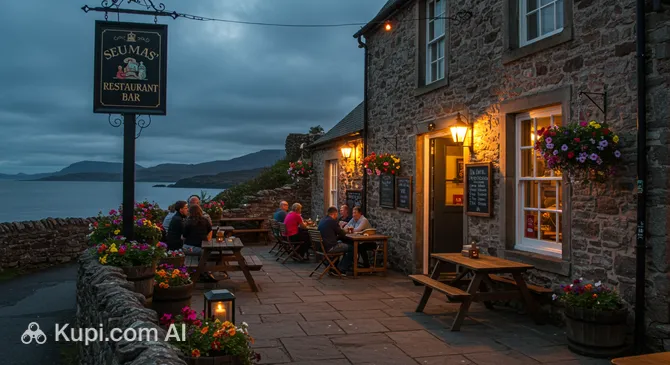
After a walk in the fresh air, it is worth stopping by Seumas' Bar, located near the bridge in the Sligachan Hotel. This place is famous far beyond the island for its impressive collection of whiskies, numbering hundreds of varieties from all over Scotland. Tourists value the bar for its authentic atmosphere, delicious local cuisine, and the chance to warm up by the fireplace with a glass of ale or "the water of life" after exploring the rugged Highland landscapes.

Local Cuisine

The gastronomic scene of the Isle of Skye is a true discovery for foodies, where the rugged northern nature generously shares its gifts. Local cuisine is based on the "sea (or farm) to table" principle, so the freshness of ingredients is held in high regard. The island's main assets are rightfully considered its seafood: some of the world's best langoustines, delicate scallops, oysters, and crabs are caught in local waters. They are often served simply — with lemon and butter — so as not to overpower the natural flavor.

Among the traditional dishes you must try is Cullen Skink. This is a thick, warming soup made of smoked haddock, potatoes, and onions, perfect for lunch after a walk in the Scottish wind. Meat lovers will enjoy the local venison or Highland beef steaks. And, of course, you can't visit Scotland without ordering haggis — a savory dish made of sheep's pluck, which on Skye is often served with "neeps and tatties" (mashed turnips and potatoes) under a whisky sauce.

Seumas' Bar. Illustration.
Source: Kupi.com AI

Traveler photos:

The drinking culture here is inextricably linked to the region's history. The island is famous for its single malt whisky, which has a characteristic smoky and peaty aroma. Visiting a distillery or a tasting in a local pub is an essential part of the program. Additionally, craft brewing is thriving on the island: local ales with hints of heather are very popular. Among non-alcoholic drinks, strong black tea, usually taken with milk, is widespread, as is the famous Scottish soda, Irn-Bru.

The format of establishments on the island varies from award-winning fine dining restaurants to tiny oyster sheds where food is served in disposable containers right on the shore. Locals value coziness and authenticity, so pubs often become the center of social life. A great example of such a place is Seumas' Bar, where you can not only have a delicious dinner in an informal setting but also soak up the spirit of true Scottish hospitality.

Travel Tips

A trip to the Isle of Skye is an encounter with the rugged but incredibly alluring nature of Scotland, which requires a special approach and preparation from a tourist. To ensure your trip is comfortable and leaves only pleasant memories, we have compiled a list of the most important practical recommendations.

  1. Clothing and Gear: The weather here changes rapidly, so the main principle is layering. Even in summer, you will need a waterproof, windproof jacket with a hood, a fleece sweater, and comfortable trekking boots. An umbrella is practically useless on the island due to strong winds; a high-quality raincoat is a better choice.
  2. Transport: Public transport is poorly developed and rarely reaches the main natural attractions. The best way to get around is by rental car. Note that ride-hailing apps (like Uber) do not work here; you must book a car in advance by phone from local services.
  3. Finances: The currency is the Pound Sterling (£). Supermarkets, hotels, and most restaurants accept cards, but you must have some cash on you. You will need it to pay for parking, for purchases in small souvenir shops, or in remote cafes where the terminal might not work due to poor signal.
  4. Health and Comfort: In summer (especially July and August), the main problem is midges. These tiny insects can be very annoying, so be sure to buy a special repellent (Smidge) or a face net. Pharmacies are only found in larger villages like Portree and do not operate 24/7.
  5. Communication and Navigation: The primary language is English. Mobile signal and internet can disappear in mountains and glens, so we strongly recommend downloading offline maps before your trip. This will help you avoid getting lost on the way to remote locations.
  6. Road Etiquette: Most roads on the island are single-track roads with passing places. If an oncoming driver lets you pass, be sure to thank them by raising your hand — this is an important part of local driving culture. It is also customary to pull into a passing place to let faster drivers behind you overtake.
  7. What to Avoid: It is strictly forbidden to park in passing places to take photos or have a snack. These road widenings are intended exclusively for letting oncoming traffic through. By blocking them, you create traffic jams and cause justifiable frustration for locals.
  8. Important Advice: The Isle of Skye is incredibly popular, and tourist infrastructure is limited. Accommodation and even restaurant tables for dinner in high season must be booked several months in advance, otherwise you risk being left without a place to stay or a hot meal.

By following these simple rules and respecting local traditions, you can avoid everyday difficulties and focus entirely on contemplating the majestic landscapes of the Highlands. The Isle of Skye is hospitable to those who come prepared!

Entertainment & Nightlife

Nightlife on the Isle of Skye differs significantly from the usual rhythm of major cities. Here, you won't find noisy nightclubs with neon signs or 24-hour discos. Instead, the island offers a cozy, soulful atmosphere in traditional Scottish pubs, where evenings are spent to the sounds of live folk music, the clinking of glasses, and friendly conversation. Most activity after sunset is concentrated in the main town, Portree, as well as in hotels and inns scattered across the island.

The center of gravity in the evening is Somerled Square in Portree and the streets adjacent to the harbor. Here you will find venues where you can not only drink a pint of local ale but also listen to improvised concerts — ceilidhs. The dress code in local bars is very casual: most patrons arrive straight in their trekking gear and boots after a day of hiking in the mountains. The crowd is very diverse: local fishermen and tourists from all over the world might sit at the same table, discussing routes and the weather.

One of the cult spots for evening relaxation is Seumas' Bar, located in Sligachan. This establishment is famous for its incredible whisky collection and true Scottish flavor. People often travel here specifically to spend an evening in an authentic setting. The location is especially attractive because the famous Sligachan Old Bridge is nearby. Many tourists combine business with pleasure: they take an evening walk by the bridge, enjoying the mystical silhouettes of the Cuillin mountains at sunset, and then head to the bar to warm up with drinks.

If you are looking for entertainment, there are a few practical points to consider. Pub kitchens often close quite early, around 9:00 PM, although the bars themselves may stay open until midnight or 1:00 AM. Alcohol prices are average for the UK: a glass of beer or cider will cost about £5–6. The main nuance of nightlife on Skye is transport. There are no night buses here, and taxis must be booked in advance as there are few cars on the line. If you plan on tasting whisky away from your hotel, be sure to plan how you will get back: drink-driving is strictly punished, and the roads are not lit at night.

In terms of safety, the Isle of Skye is one of the most peaceful places in Europe. You can walk safely at any time of day, as the crime rate is extremely low. However, you should be careful in nature after dark due to the uneven terrain.

As for daytime entertainment, it is mainly related to exploring cultural heritage and nature. Tourists visit museums dedicated to clan history, go on boat trips to see seal colonies, or explore castles. Natural attractions like the Fairy Pools also remain popular places to visit, though it is better to plan your visit during daylight hours to fully appreciate the beauty of the turquoise water.

Parks & Museums

The green spaces and cultural areas of the Isle of Skye are as unique as the landscape itself. Here you won't find typical urban parks with straight paths; instead, you'll discover majestic castle gardens where exotic plants bloom despite northern winds, and museums that feel more like a journey through time than a dry exhibition.

For those seeking harmony between nature and the gardener's art, Armadale Castle Gardens will be a true revelation. This spot on the Sleat peninsula is often called the "Garden of Skye." Thanks to the mild microclimate created by the Gulf Stream, plants from all over the world, from Himalayan blue poppies to Australian eucalyptus, thrive here on 40 acres of land. A walk among the ancient trees and the ruins of the Clan Donald estate leaves a sense of fairy-tale abandonment and grandeur.

Another gem of landscape art is Dunvegan Castle Gardens. This is a true oasis in the middle of rugged heather moorlands. The gardens are divided into several themed zones: from the elegant "Round Garden" to the romantic "Water Garden" with bridges and waterfalls. The contrast between the wild mountains on the horizon and the manicured flowerbeds creates an incredibly photogenic atmosphere.

As for natural parks in their pristine form, the entire island can be considered one large reserve. However, the famous Fairy Pools deserve special attention. This natural area at the foot of the Cuillin range attracts tourists with its cascading waterfalls and pools of crystal-clear water. It is an ideal spot for those who want to enjoy the wild beauty of the Highlands without embarking on difficult mountain treks.

The island's cultural heritage is carefully preserved in its museums. A must-visit is the Skye Museum of Island Life, located in the north of the island. This is an open-air museum consisting of a recreated village of traditional thatched-roof cottages. Here you can step inside the houses, see ancient tools, and understand how crofters (local farmers) lived a hundred years ago, struggling against the harsh elements.

On the grounds of the aforementioned Armadale Castle is the Museum of the Isles. This is a modern exhibition space dedicated to the history of the powerful Clan Donald and the entire region. The exhibition covers the period from the Vikings to the Jacobite risings, offering a deep dive into Scotland's turbulent past through artifacts, documents, and multimedia installations.

For fans of unusual finds, we suggest heading to Staffin on the east coast. Here, right on An Corran beach, you can see actual dinosaur footprints left in the stone millions of years ago. Nearby is the small but fascinating Staffin Dinosaur Museum, where enthusiasts have gathered fossils and information about the island's prehistoric inhabitants.

Getting Around

The transport system of the Isle of Skye differs significantly from typical urban infrastructure. There are no subways, trams, or trolleybuses, and the railway ends on the mainland without entering the island itself. The main and practically only form of public transport is buses. The route network connects the main town of Portree with key settlements and ferry crossings, but getting to remote natural attractions by bus can be problematic.

The main bus operator is Stagecoach. Buses run along the main roads, connecting Portree with Dunvegan, Uig (where the ferry terminal for the Outer Hebrides is located), and the southern part of the island (Broadford, Armadale). There are also Citylink intercity services that connect the island with mainland cities, but they can also be used for travel between major settlements within Skye.

The payment system is modern and convenient for tourists. All Stagecoach buses accept contactless bank cards, as well as Apple Pay and Google Pay. You simply tap your card on the terminal by the driver when entering. Cash payment is also possible, but drivers prefer passengers to have the exact amount, as change is not always available. Fares depend on distance and zones.

For those planning to travel a lot, there are cost-effective travel passes. The most popular option is the DayRider, which allows for unlimited travel within a selected zone for one day. The ticket can be bought directly from the driver or in advance via the operator's mobile app, which is also convenient for tracking schedules in real-time.

It is important to consider seasonality and transport schedules. Buses run more frequently in the summer, but the schedule is significantly reduced in winter. Pay special attention to Sundays: on this day, bus service on the island can be extremely limited or non-existent on some routes. Furthermore, buses here stop on request: if you are standing at a stop, be sure to raise your hand so the driver notices you and brakes.

Given the specific nature of public transport, many tourists prefer alternatives. Renting a car is the most reliable way to see all the beauties of the island without being tied to infrequent services. Taxis exist on Skye, but they do not operate like in big cities: there is no Uber, and cars from local services must be booked in advance by phone — catching them on the street is practically impossible. Bicycle hire is popular among active travelers, but remember the changeable weather, strong winds, and hilly terrain.

Accommodation

Where to stay:

Accommodation on the Isle of Skye ranges from budget options to exclusive retreats, although the overall housing stock is quite limited compared to the massive demand. The most popular and authentic format here is the traditional "Bed and Breakfast" (B&B) guest house, where hosts create a home-like atmosphere. The island also offers classic mid-range hotels, several luxury lodges, backpacker hostels, and equipped campsites for those who don't mind the unpredictable weather.

When choosing an area, consider your travel plans. Most tourists aim to stay in the island's capital, Portree. The main infrastructure, shops, and restaurants are concentrated here, making the town a convenient base for day trips. Another popular option is Broadford, the second-largest village, which is convenient due to its proximity to the Skye Bridge. For trekking enthusiasts and those seeking solitude, the central part of the island is an excellent choice: for example, the area around the Sligachan Old Bridge is considered an ideal starting point for conquering the Cuillin mountains.

A critically important tip for all travelers: book your accommodation well in advance. The Isle of Skye is incredibly popular, and in the high season (May to September), good options are booked 6–9 months before the trip. Finding a free room "on the day" in summer is almost impossible, and tourists without a reservation often have to return to the mainland for the night, wasting hours on the road.

The price range here is generally higher than the Scottish average. A budget holiday is possible in hostels and glamping sites, while prices for comfortable hotels and high-quality B&Bs reflect the high demand. To find accommodation, it is convenient to use large online platforms, but experienced tourists also recommend checking the direct websites of local guest houses or Highland tourism portals, where cancellations sometimes appear that are not available on aggregators.

Nearby Cities

For those looking to explore the surrounding area, the Isle of Skye serves as an excellent starting point for day trips to several interesting nearby locations:

Inverness — often called the capital of the Highlands, this city is the cultural and commercial center of the region. Here you can visit a picturesque castle, stroll along the banks of the River Ness, and feel the rhythm of Scottish city life, all while being just a few hours' drive from the island's solitude.

Elgin attracts travelers with its rich history and architecture. The main attraction is the majestic ruins of Elgin Cathedral, once known as the "Lantern of the North." Additionally, the town is located in a famous whisky-producing region, making it interesting for gastronomic tourism.

Dumbarton is famous for its ancient castle, situated on a volcanic rock, which has one of the longest histories of fortification in the UK. This site offers breathtaking views and an immersion into the country's military history.

CityPopulationDistance
Benbecula1 30067 km
Isle of Coll20075 km
Barra1 40082 km
Fort William10 17584 km
Tiree77097 km

These nearby destinations provide an insight into the diverse culture and landscapes of the region.

Shopping & Souvenirs

Shopping on the Isle of Skye is far from the usual bustle of megacities with their endless rows of brand boutiques. Here, the process of buying turns into a fascinating exploration of local culture and crafts. The island is famous for its artisans who create unique items inspired by the rugged northern nature: from warm knitwear to exquisite ceramics. It is the perfect place to find authentic pieces that hold the warmth of human hands, rather than mass factory production.

The main commercial center of the island is the town of Portree. Most of the action takes place on Wentworth Street and around Somerled Square. This is where most souvenir shops, outdoor clothing stores, cozy bookstores, and art galleries are concentrated. A stroll through these streets allows you to combine gift hunting with enjoying the architecture of the harbor's colorful houses. The second most significant place for shopping is the village of Broadford, which also has a selection of shops for essentials and local products.

You won't find large shopping centers or malls on the Isle of Skye. Instead, the "studio-workshop" format thrives here. Traveling around the island, you will see signs for the isolated homes of potters, weavers, artists, and leathersmiths. Many of these are part of so-called "Craft Trails." Visiting such a workshop means not just buying an item, but seeing the process of its creation, and sometimes chatting with the maker themselves over a cup of tea.

Markets on the island tend to be episodic and seasonal. During the summer, fairs sometimes take place in Portree's central square, where local farmers and artisans offer their products: from fresh pastries and jams to knitted socks and jewelry. This is a great opportunity to try local delicacies that don't always make it to supermarket shelves.

The choice of souvenirs on Skye is rich and varied. First and foremost, look out for sheep's wool and sheepskin products: warm blankets, sweaters, and rugs here are of the highest quality. The island is also famous for its ceramics — local pottery studios create dishes in incredible shades that mimic the colors of the sea and heather. Don't forget gastronomic souvenirs: a bottle of single malt whisky from a local distillery or a set of craft chocolates make excellent gifts. Handmade candles with scents of the Scottish Highlands are also popular.

Shops typically open from 9:00 or 10:00 AM until 5:00 or 6:00 PM. In the summer high season, many souvenir shops in Portree may stay open later, but in smaller villages, the schedule often depends on the owner. Many establishments are closed or have reduced hours on Sundays. Bank cards are accepted almost everywhere, even in small remote studios, but having some cash in pounds sterling for very tiny shops or "honesty boxes" (roadside self-service kiosks) is still recommended.

Regarding Tax Free, tourists should know that the rules in the United Kingdom have changed. Currently, VAT refunds upon departure for foreign tourists visiting Scotland are generally not available for most goods carried in personal luggage. We recommend checking current information before making major purchases, but you should not count on the traditional European tax refund procedure at the airport here.
Reached the end of the page?

That means the route is fully explored