Support

Lahaina

About

Lahaina is a true jewel of the west coast of Maui, one of the most picturesque corners of Hawaii in the USA. The city is nestled comfortably between the turquoise waves of the Pacific Ocean and the green slopes of the mountains, creating a stunning contrast and offering incredible views from almost any point. With a population of about 13,261, Lahaina maintains an intimate yet very welcoming atmosphere that attracts travelers from all over the world.
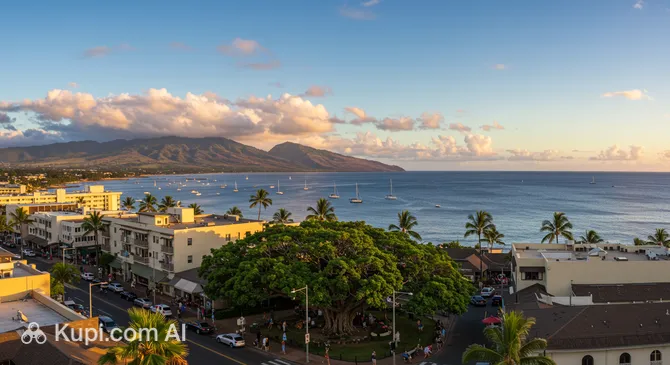
Lahaina. Illustration.
Source: Kupi.com AI

The city is famous for its rich history: Lahaina was once the capital of the Hawaiian Kingdom and an important port for whaling ships. Today, it is a vibrant center of culture, art, and entertainment, where the spirit of adventure and the charm of old Hawaiian comfort are felt at every turn. Narrow streets lined with cozy cafes, art galleries, and souvenir shops sit harmoniously alongside historical buildings and monuments that tell the story of a storied past.

Lahaina is worth visiting for its unique combination of breathtaking nature, rich culture, and the relaxed Hawaiian lifestyle. This city is perfect for romantic walks along the waterfront, family trips, and deep immersion into the true Hawaiian soul. Here, it is easy to lose track of time while enjoying scenic sunsets on the beach, exploring the historic center, or simply soaking up the amazing friendliness of the locals. Lahaina is waiting to give you an unforgettable experience!

You can find more interesting facts on the history of Lahaina page.
Weather Overview

The weather in Lahaina usually delights with warmth and sunshine all year round. Average annual temperatures range in a comfortable bracket from 22°C to 26°C. Expect warm and mostly dry weather, with minimal precipitation, especially in the summer and autumn months, when rainy days are practically non-existent. For example, from June to September, rainfall tends toward zero. Even in the "wetter" winter months like January and February, there is only about 1-2 mm of precipitation.

For a more detailed study of weather conditions by month, including information on water temperature and the number of sunny days, you can check the detailed forecast: Lahaina Climate.

Average monthly temperature

Average monthly precipitation

Interesting Facts

In addition to its famous beaches and sunny weather, Lahaina holds many amazing stories and little-known details that make this Hawaiian town truly special. Here are just a few interesting facts that might surprise you:

  • Lahaina is home to one of the largest banyan trees in the United States. It was planted back in 1873, and today its canopy spans an entire city block, creating a natural green tent under which art fairs and festivals are often held.

  • In the vicinity of the city, you can find the ancient Olowalu petroglyphs—mysterious rock carvings created by the island's first Polynesian settlers. It is believed that these images possess special spiritual power and continue to protect these sites to this day.

  • In the 19th century, Lahaina was one of the primary whaling centers in the Pacific. Today, this industry has been replaced by eco-tourism: during the winter months, humpback whales migrate to the waters off the coast of Lahaina, and you can observe these giants by going on specialized whale watching and snorkeling excursions.

  • Lahaina has long been a magnet for creative individuals. The city has inspired and continues to inspire artists, writers, and musicians with its unique atmosphere. In the numerous galleries of Lahaina, you can see both traditional Hawaiian art and works by contemporary masters from around the world.

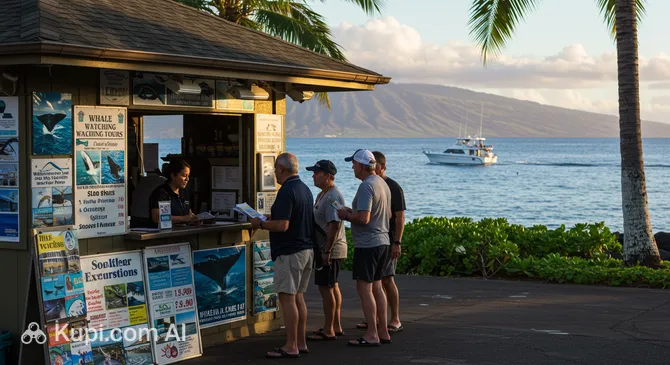
Whale Watching and Snorkeling Tours. Illustration.
Source: Kupi.com AI

Traveler photos:

How to Get There

Since Lahaina is located on the island of Maui, the primary way to get here is by air. You can find out more about how to get to Lahaina and plan your route by studying available flight and transfer options.

Lahaina itself does not have its own airport, so most travelers arrive at Kahului Airport (OGG). It is located in the city of Kahului, about 26 km from Lahaina. This is the island's main air hub, receiving flights from both the mainland and other islands. The trip from here by taxi or rental car takes about 60 minutes.

Another convenient option, especially for inter-island flights, is Kapalua Airport (JHM). It is located in Kapalua, just 9 km from the center of Lahaina. This is a small airport serving commercial propeller planes. The journey to the city from here is very quick and takes about 35 minutes by taxi.

For international flights, Honolulu International Airport (HNL), located in Honolulu on the neighboring island of Oahu, is often used. Many tourists transfer here to fly to Maui on local airlines.

For clarity, here is summary information on the main airports:

AirportPassenger trafficDistance
Kapalua Airport110 0009 km
Kahului Airport7.1 mln26 km
Lanai Airport81 47730 km
Molokai Airport290 58853 km
Honolulu International Airport21.9 mln138 km

After arriving at an airport on the island of Maui, the main way to travel to Lahaina is by road. Tourists often rent cars right at the airport to have freedom of movement around the island. Shuttle buses, regular taxis, and ride-hailing services are also available. Public transport is represented by the Maui Bus network, which connects the airports with major resort areas, though a bus trip will take longer than a car journey.

Main Attractions

Lahaina, a charming town on the island of Maui, offers many exciting activities and places to visit. Here are some of the top attractions that will make your trip unforgettable:

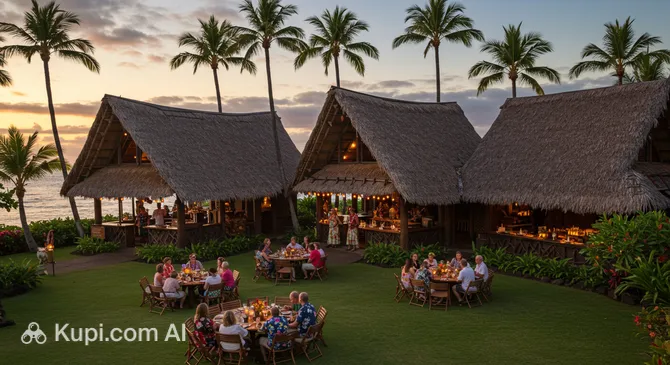
One of the most authentic Hawaiian experiences is the Old Lahaina Luau. This is not just a dinner, but a true immersion into Polynesian culture with traditional music, captivating hula dances, delicious local cuisine, and stories of ancient legends. An evening here will give you bright emotions and introduce you to the hospitality of Hawaii.

Old Lahaina Luau. Illustration.
Source: Kupi.com AI

Traveler photos:

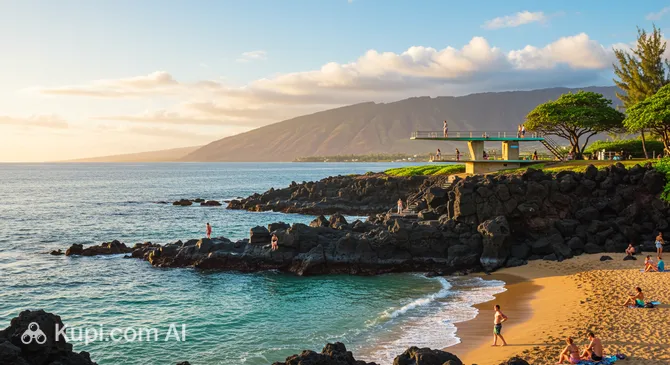
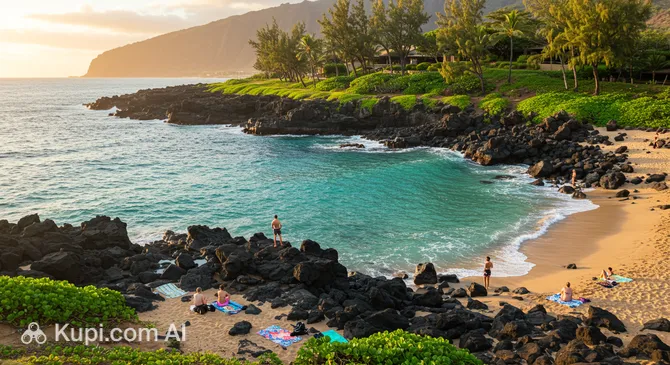
For lovers of beach holidays and the underwater world, Black Rock Beach, located at the northern end of the famous Ka'anapali Beach, is a must-visit. This place is famous for its volcanic cliffs from which, according to legend, ancient Hawaiian warriors jumped into the ocean. Today, you can not only sunbathe and swim here but also go snorkeling to observe colorful fish and sea turtles. In the evening, a torch-lit cliff diving ceremony is often held here.

Black Rock Beach. Illustration.
Source: Kupi.com AI

Traveler photos:

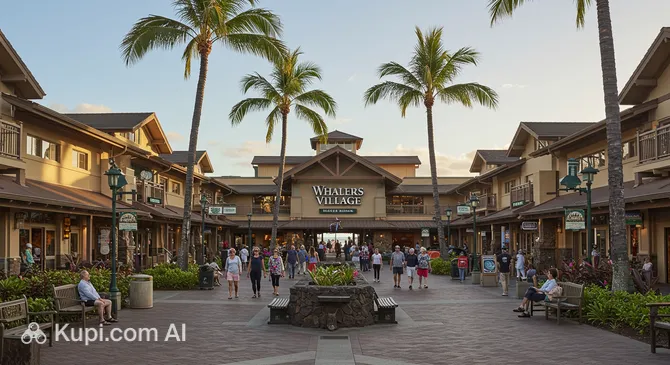
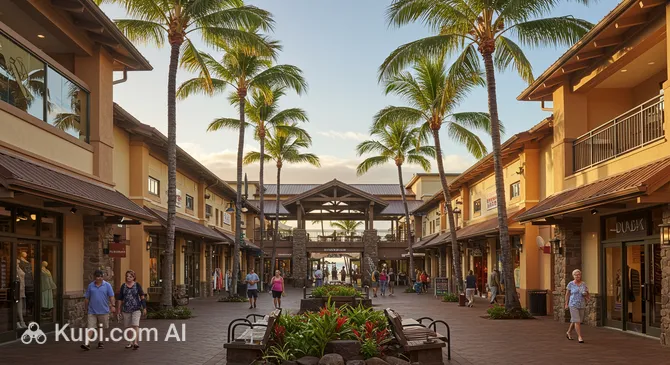
For those who like to combine relaxation with shopping and gastronomic discoveries, Whalers Village is the perfect destination. This popular open-air shopping and entertainment complex is located right on Ka'anapali Beach. Here you will find many famous brand stores, restaurants for every taste, as well as an interesting whaling museum that tells the history of Lahaina.

Whalers Village. Illustration.
Source: Kupi.com AI

Traveler photos:

Maui is famous for its marine life watching opportunities, and Lahaina is an excellent starting point for such adventures. Numerous companies offer whale watching and snorkeling excursions. In the winter months (roughly from December to April), humpback whales can be seen off the coast of Maui, as they come here to breed. During the rest of the year, boat trips with the opportunity to snorkel among coral reefs and see tropical fish also provide a lot of pleasure.

Whale Watching and Snorkeling Tours. Illustration.
Source: Kupi.com AI

Traveler photos:

Local Cuisine

The gastronomic scene in Lahaina is a true adventure for foodies, where centuries-old Hawaiian traditions harmoniously blend with modern culinary trends from around the world. Here, a kaleidoscope of flavors awaits you, based on the freshest local products, especially seafood and tropical fruits. It is a place where you can enjoy both exquisite dishes in restaurants and authentic street food.

Be sure to try kalua pork—tender pork slow-cooked in a traditional underground oven called an "imu," which gives it a unique smoky aroma. Another iconic specialty is poke, a salad of diced fresh raw fish (usually tuna) marinated with soy sauce, sesame oil, seaweed, and other seasonings, often served with rice. For dessert or just to refresh on a hot day, shave ice—finely shaved ice generously drizzled with various fruit syrups—is perfect.

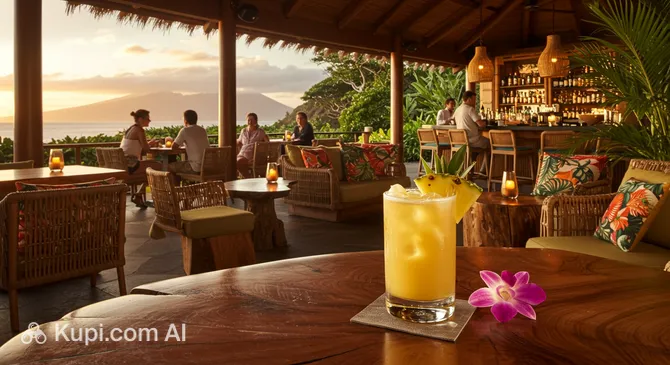
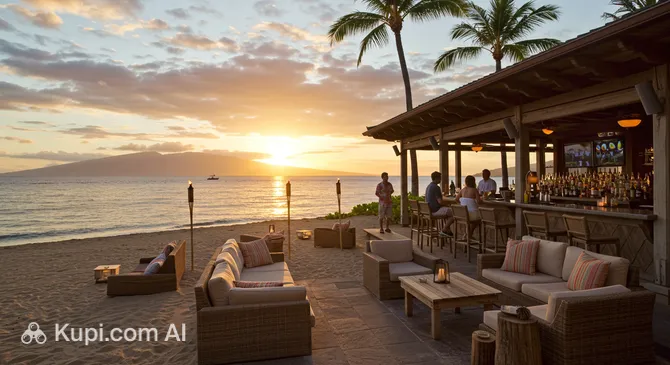
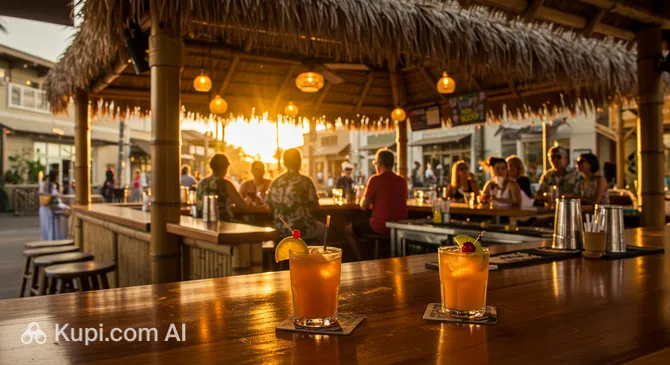
Regarding drinks, in Lahaina you will find an abundance of freshly squeezed juices from local fruits like pineapple, mango, papaya, and guava. Smoothies and cocktails based on them are also popular. For those who prefer something stronger, local bars offer Hawaiian beer and various tropical cocktails, often featuring rum. For instance, you can stop by Honu Oceanside or Moku Roots to enjoy local drinks with an ocean view.

The food culture in Lahaina is diverse. Locals and tourists alike enjoy visiting restaurants that offer fine dining with an emphasis on fresh seafood, as well as numerous food trucks and small cafes where you can have a quick and delicious snack. Don't miss the farmers' markets where you can buy the freshest fruits, vegetables, and local delicacies. One of the popular places to enjoy local cuisine is the Monkeypod Kitchen, known for its farm-to-table approach.

Monkeypod Kitchen. Illustration.
Source: Kupi.com AI

Traveler photos:

A special place in Lahaina's gastronomic culture is occupied by the luau—a traditional Hawaiian feast with a lavish dinner, music, and hula dancing. This is not just a meal, but a true immersion into the culture of the islands. Attending the Old Lahaina Luau will be an unforgettable experience, allowing you to try many authentic dishes in an atmosphere of hospitality and fun.

Travel Tips

Welcome to sunny Lahaina! To make your trip to this charming Hawaiian town as comfortable and memorable as possible, we have prepared some practical tips. They will help you better navigate and enjoy every moment of your holiday.

  1. Clothing and Essentials: Lahaina has a tropical climate, so pack light, breathable clothing made of natural fabrics—shorts, T-shirts, and sundresses. Be sure to bring a swimsuit, a hat, sunglasses, and high-SPF sunscreen. For walking and active recreation, you will need comfortable shoes (sandals, flip-flops, sneakers). It can be a bit cooler in the evening, so a light sweater or wrap won't hurt. Don't forget an adapter for American outlets (Type A and B) if your devices have different plugs.
  2. Transport: The historic center of Lahaina is pleasant to explore on foot. For longer trips around Maui, the best option is renting a car, which will give you freedom of movement. However, note that parking in Lahaina itself, especially on Front Street, can be limited and paid. Public transport is represented by Maui Bus, which connects different parts of the island. Taxis and services like Uber/Lyft are also available.
  3. Finance: The local currency is the US Dollar (USD). Credit and debit cards are accepted almost everywhere in shops, restaurants, and hotels. ATMs are easy to find. It is recommended to have some cash for small purchases or in case cards aren't accepted somewhere. Tipping in the USA is standard practice: 15-20% in restaurants, and it's also customary to tip bartenders, taxi drivers, and guides. A rough daily budget can vary greatly, but plan for expenses from $100-150 per person, excluding accommodation and expensive excursions.
  4. Health and Safety: Pharmacies (e.g., Longs Drugs) are available in town for over-the-counter medications. If medical assistance is needed, tourists should contact local clinics or hospitals; call 911 for emergencies. Lahaina is considered quite a safe place, but standard precautions are still wise: do not leave valuables unattended, especially on beaches and in cars. Be careful when swimming in the ocean and pay attention to warning signs about currents or waves.
  5. Communication: The official language is English. Staff in the tourism sector speak English fluently. Learning a few Hawaiian phrases like "Aloha" (hello, goodbye, love) and "Mahalo" (thank you) is a nice gesture. A local SIM card can be purchased at mobile stores or major retailers. Wi-Fi is available in most hotels, cafes, and public places. Apps with maps, weather forecasts, and local attraction info can be very useful.
  6. Local Etiquette: Hawaii is famous for its "Aloha Spirit"—friendliness, hospitality, and respect. Respond to a smile with a smile, be polite, and be patient. It is customary to say "Aloha" when greeting. Respect local culture and nature: do not touch marine life (turtles, seals), and do not take corals or volcanic rocks.
  7. What to Avoid: Try not to step on coral reefs while swimming or snorkeling—this harms the fragile ecosystem. It is also not recommended to leave trash on beaches and in natural areas; help preserve the island's beauty. Avoid excessive alcohol consumption in the sun so as not to ruin your holiday.
  8. Additional Tip: Lahaina is a popular spot for whale watching (especially from November to May). If your visit falls during this season, be sure to book an excursion in advance. It's also worth attending a traditional Hawaiian show—a luau—to get a closer look at the island's culture.

We hope these tips make your trip to Lahaina even more enjoyable and worry-free. Enjoy the sun, the ocean, and the unique atmosphere of this amazing place!

Entertainment & Nightlife

When the sun sets over the Pacific Ocean, Lahaina transforms, offering its guests a variety of evening and night entertainment. While it is not a metropolis with 24-hour clubs, there is a lively and laid-back atmosphere here, perfect for relaxing after a day at the beach.

The main center of nightlife in Lahaina is the famous Front Street. Along this historic street, there are many bars, restaurants with live music, and galleries that stay open until late in the evening. The atmosphere here is usually very friendly, with a mix of tourists and locals enjoying the warm Hawaiian evenings. The dress code in most establishments is casual—shorts and sandals are perfectly acceptable.

Honu Oceanside. Illustration.
Source: Kupi.com AI

Traveler photos:

Among the popular places for evening leisure, Honu Oceanside is notable for its cocktails and ocean views. Another establishment worth visiting is Moku Roots, which offers a unique atmosphere and local drinks. Many bars offer "happy hour" in the early evening, usually from 3:00 PM to 6:00 PM, which is a great opportunity to try various cocktails at reduced prices. Live music is a frequent companion to evenings in Lahaina, ranging from traditional Hawaiian melodies to modern cover bands.

Moku Roots. Illustration.
Source: Kupi.com AI

Traveler photos:

Most establishments on Front Street operate until about 10:00-11:00 PM, with some bars staying open slightly later, especially on weekends. For later entertainment, the choice may be limited, as Lahaina is more oriented towards relaxed evening rest than noisy nightclubs until dawn. Average prices for drinks in bars are comparable to other tourist areas in Hawaii. You can get to Front Street and back to your hotel at night by taxi or using ridesharing apps, which are quite common.

Lahaina is generally considered a safe city for evening and night walks, especially in busy tourist zones like Front Street. Nevertheless, it is always worth taking standard precautions. If you plan to drink, it is better to use taxi services to return safely to your accommodation.

As for daytime entertainment, Lahaina also offers many options. You can visit historic sites like the Old Lahaina Luau to get acquainted with Hawaiian culture, relax on beautiful beaches such as Black Rock Beach, or go shopping at Whalers Village. Boat trips, including whale watching excursions (in season) and snorkeling, are also popular.

Parks & Museums

Lahaina, a charming town on Maui, offers guests not only magnificent beaches but also the opportunity to touch the rich history and culture of Hawaii through its parks and historic sites. Everyone will find something for themselves here, whether it's relaxing in nature or discovering the heritage of the islands.

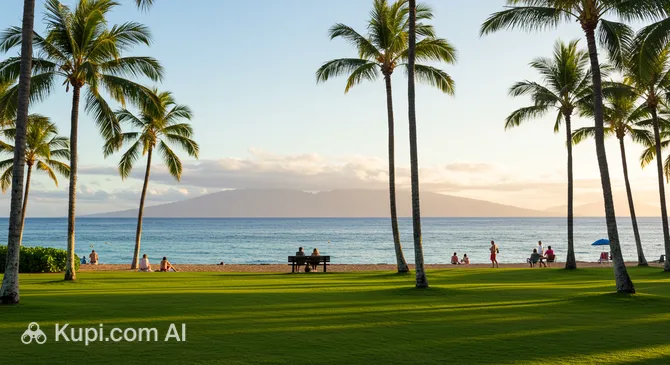
Among the green zones and coastal gems of Lahaina, several places particularly stand out. Black Rock Beach (Puʻu Kekaʻa) is known not only for its golden sand but also as an excellent spot for snorkeling and observing sea turtles. In the evening, a traditional cliff diving ceremony can often be seen here. For a family outing, Kahekili Beach Park is perfect, offering calm waters, picnic facilities, and beautiful views. Another wonderful spot is Hanaka’o’o Park, also known as Canoe Beach, popular with canoe paddling enthusiasts and those seeking peaceful relaxation by the water.

Kahekili Beach Park. Illustration.
Source: Kupi.com AI

Traveler photos:

Hanakaoʻo Park. Illustration.
Source: Kupi.com AI

Traveler photos:

While Lahaina may not have a large number of traditional museums in the classic sense, the town itself is a living historical museum. Its streets and buildings preserve memories of the days when Lahaina was the capital of the Hawaiian Kingdom and a bustling whaling port. To dive deeper into Hawaiian culture, it is worth visiting the Old Lahaina Luau—an authentic performance with traditional music, hula dancing, and a Hawaiian dinner that introduces the customs and hospitality of the islands.

Strolling along the famous Front Street, you will discover many historic buildings, many of which date back to the 19th century. There are old shops, art galleries displaying the work of local masters, and restaurants. Look out for iconic sites such as the old Lahaina Courthouse and the massive banyan tree planted in 1873, under which local events are often held. These landmarks serve as reminders of the town's rich past.

For a more authentic experience, turn off busy Front Street onto the side streets where you can find small galleries and unique little shops. In the early morning, the beaches of Lahaina are particularly beautiful and uncrowded, allowing you to enjoy the silence and the beauty of the ocean before the main mass of tourists arrives.

Getting Around

Lahaina is a charming town where many historic and tourist sites are convenient to explore on foot, especially around the famous Front Street. However, for longer distances or trips to other parts of Maui, there is a public transport system as well as other convenient options.

The main form of public transport in Lahaina and on Maui in general is the Maui Bus system. Buses run on several routes, connecting Lahaina with other popular areas, including Ka'anapali and Napili, as well as the central part of the island and Kahului Airport. This is an economical way to reach many beaches and attractions.

The payment system on the Maui Bus is quite simple. Generally, payment is made in cash directly to the driver upon boarding; it is recommended to have the exact amount, as change may not be given. The fare is usually low. There are also day passes available, which can be beneficial if you plan several trips during the day. It is best to check the official Maui Bus website or information stands at bus stops for up-to-date information on fares, routes, and ticket types.

Tourists planning to use the Maui Bus should check the schedule in advance, as intervals can be significant, especially in the evenings and on weekends. Buses usually operate from early morning until evening, but not 24/7. Route maps and current schedules can be found online or at major bus stops.

In addition to buses, other ways of getting around are available in Lahaina. Taxis and ride-hailing services (such as Uber or Lyft) offer a faster and more private transfer, though at a higher price. For short trips and exploring the scenic surroundings, bicycle rentals are very popular—it's a great way to enjoy the views and fresh air. Some hotels may also offer their own shuttles for their guests.

Accommodation

When planning a trip to Lahaina, you will find a variety of accommodation options to suit any preference and budget. The city offers a wide range of housing: from cozy guesthouses and apartments for independent travelers to mid-range hotels and luxury resort complexes with a full range of services.

Areas located in close proximity to beaches and main attractions are particularly popular with tourists. For example, the Ka'anapali area is known for its magnificent beaches and concentration of resort hotels, making it a convenient choice for those seeking a comfortable stay by the ocean. The central part of Lahaina is also attractive due to its historic atmosphere and walking distance to many shops and restaurants.

Among the well-known accommodation options in Lahaina, resort hotels such as the Ka'anapali Beach Hotel and Ka'anapali Alii Resort stand out, offering high-level service and a wide range of amenities for guests.

Ka’anapali Beach Resort. Illustration.
Source: Kupi.com AI

Traveler photos:

To guarantee the best choice and prices, especially if your trip falls during the peak tourist season, it is recommended to book your accommodation in advance. This will allow you to avoid unnecessary hassle and choose the option that best meets your expectations.

The price range for accommodation in Lahaina varies: you can find both relatively budget options and exclusive luxury offers. It is convenient to book accommodation through popular international online booking platforms or directly on hotel websites. Many apartments and houses are also available for rent through specialized services.

Nearby Cities

For those who want to explore the surrounding area, Lahaina serves as an excellent starting point for day trips to several interesting nearby locations.

For example, a trip to Kailua (about 124 km away) will delight beach lovers with its famous Kailua Beach and Lanikai Beach, ideal for water sports and relaxation. No less attractive is Kaneohe (approximately 130 km away), which offers stunning views of Kaneohe Bay and the majestic Ko'olau Mountains; it is also home to the picturesque Ho'omaluhia Botanical Garden. And, of course, a visit to Honolulu (about 131 km away), the capital of Hawaii, is worth considering. There you can immerse yourself in history by visiting Pearl Harbor, stroll along the world-famous Waikiki Beach, or explore Diamond Head.

CityPopulationDistance
Kapalua35313 km
Wailuku15 67018 km
Waihee-Waiehu11 05920 km
Kahului27 93822 km
Lanai City3 10025 km

These nearby destinations provide a more complete picture of the diverse culture, history, and natural beauty of the Hawaiian Islands, complementing the experience of staying in Lahaina.

Shopping & Souvenirs

Lahaina offers a charming and diverse shopping experience, perfect for tourists wishing to bring home a piece of the Hawaiian spirit. The town is famous for its art galleries, shops with local crafts, jewelry, and, of course, beachwear. Here you can find both unique handmade souvenirs and goods from well-known brands.

The main artery for shopping in Lahaina is undoubtedly Front Street. This lively street, stretching along the ocean, is dotted with numerous shops, boutiques, art galleries, and souvenir stores. You can spend hours strolling here, picking out gifts, works of art by local artists, or just enjoying the atmosphere. On Friday evenings, Front Street hosts "Art Night," when galleries open their doors to visitors, often with live music and artist meet-and-greets.

While Lahaina is better known for its street-side shops, there are also shopping centers where you can find a variety of goods. One popular spot is Whalers Village, located a bit further north in the Ka'anapali resort area, but easily accessible from Lahaina. It offers a mix of famous brand stores, local boutiques, and restaurants.

Another notable shopping complex is the Lahaina Shopping Center, where you can find supermarkets, pharmacies, clothing stores, and other useful retail outlets. This is a good place to buy everyday items and some souvenirs.

Lahaina Center. Illustration.
Source: Kupi.com AI

Traveler photos:

Although there are no large traditional markets in Lahaina in the European sense, craft fairs and farmers' markets are frequently held, where you can purchase fresh local produce, flowers, and handmade items. Keep an eye on local announcements or ask at your hotel for the schedule of such events. Many small galleries and shops on Front Street also offer unique items similar to those found at craft markets.

Worth bringing back from Lahaina are traditional Hawaiian souvenirs: vibrant Aloha shirts, ukuleles, koa wood products, macadamia nuts in various forms, the famous Kona coffee, as well as jewelry made of shells, pearls, or volcanic glass. Artworks by local artists depicting Maui landscapes, the ocean, and marine life are also very popular.

Most shops in Lahaina, especially on Front Street, are open from about 10:00 AM to 9:00 or 10:00 PM, allowing you to combine daytime relaxation with evening shopping. Larger shopping centers may have slightly different hours. Credit cards are accepted everywhere. Cash may be needed at small fairs or for minor purchases.

It is important to know that in the USA, including Hawaii, there is no value-added tax (VAT/GST) refund system for tourists, as is common in many European countries. Sales tax is added to the price of the goods at the checkout and is generally not refundable to foreign tourists.

Reached the end of the page?

That means the route is fully explored