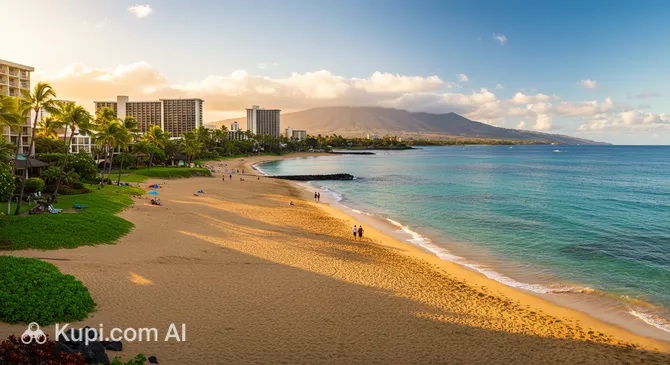
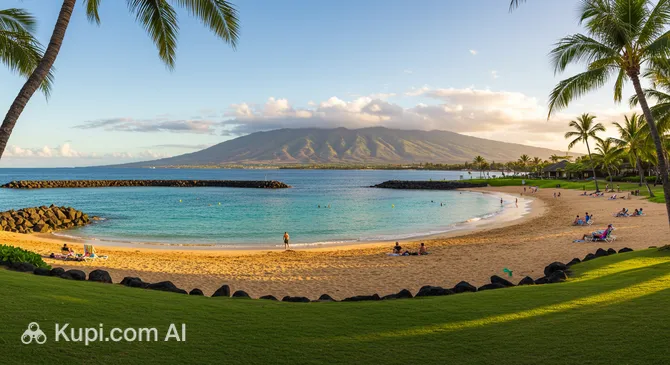
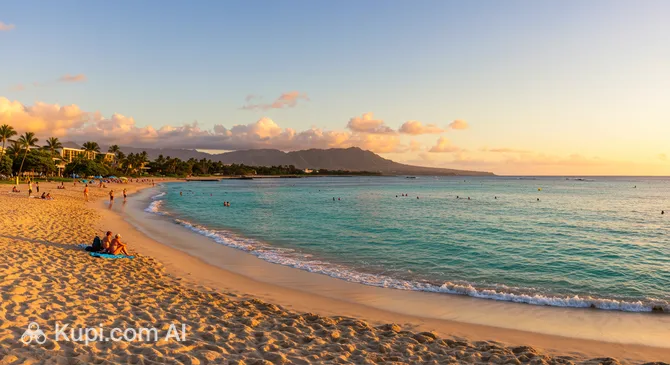
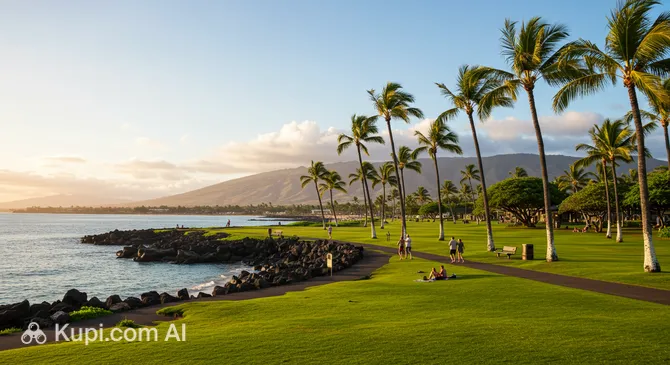
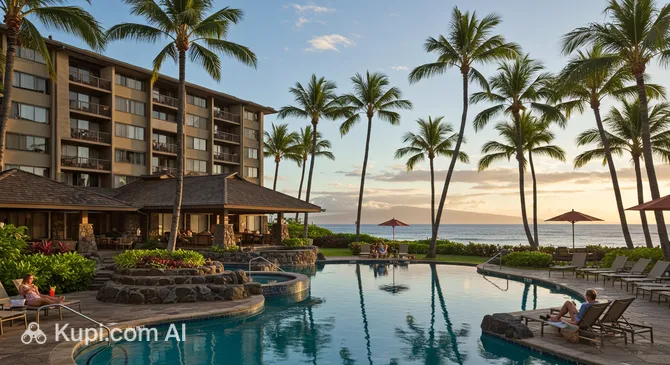
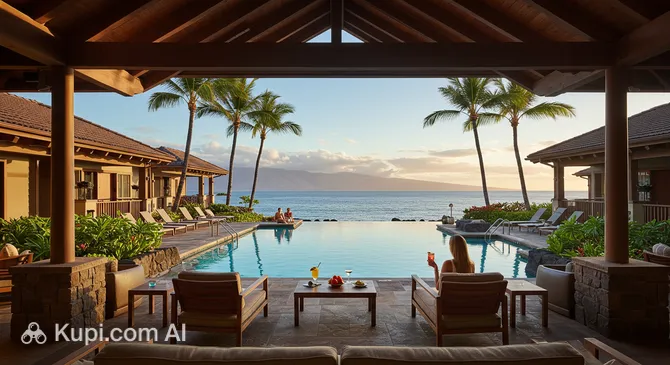
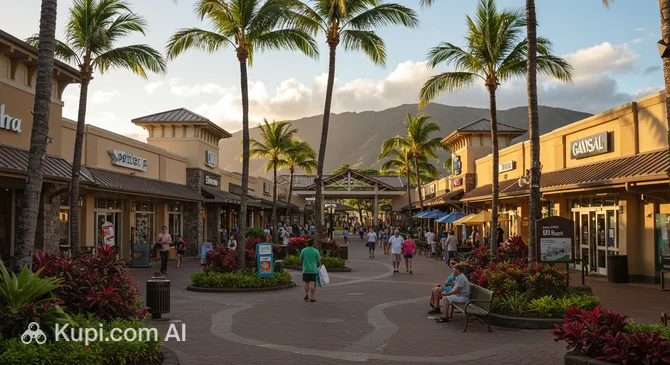
Kihei is a true sunny gem located on the southwestern coast of Maui, one of the most picturesque parts of the USA—specifically, the state of Hawaii. The town is nestled along a long stretch of golden beaches washed by the crystal-clear waters of the Pacific Ocean. Thanks to its unique location, Kihei is famous for its incredibly mild and almost always sunny climate, as well as breathtaking sunsets that paint the sky in vibrant colors every evening.
Kihei. Illustration.
Source: Kupi.com AI
With a population of approximately 22,840 people, Kihei manages to maintain the charming atmosphere of a small resort town where every guest feels at home. There is no hustle and bustle of big metropolises here; instead, the town breathes tranquility, leisure, and peace. Narrow streets, cozy cafes serving local cuisine, colorful farmers' markets, and, of course, endless beaches create a sense of an eternal holiday and serene relaxation.
Kihei serves as an excellent gateway to the natural wonders of Maui. From here, it is incredibly convenient to head out for snorkeling at the famous Molokini Crater, watch majestic whales during their migration season, or explore lush tropical gardens. Every evening, the town fills with the tempting aromas of Hawaiian cuisine and live music, inviting travelers to forget about time and enjoy life the Hawaiian way. If you dream of connecting with nature, water adventures, and experiencing a unique local culture, Kihei is waiting for you!
In Kihei, warm and sunny weather awaits you almost all year round. Average monthly temperatures fluctuate in a comfortable range from 21°C to 25°C. The warmest months are August and September, when the average temperature reaches 25°C, and the maximum can rise to 27-28°C. Even in the coolest months, January and February, the average temperature stays around 21°C. Precipitation in Kihei is minimal throughout the year, usually not exceeding 1-3 mm per month, with the number of rainy days ranging from 11 to 15, indicating brief and light showers. Overall, expect a very pleasant climate with plenty of sunny days and minimal rainfall.
You can learn more about the climate conditions on the Weather in Kihei page.
Average monthly temperature
Average monthly precipitation
Interesting Facts
In addition to its famous sunny beaches and relaxed atmosphere, Kihei hides many interesting details and stories that make it a truly special place on Maui. Here are just a few curious facts about this charming Hawaiian town:
Kamaole Beach Park III. Illustration.
Source: Kupi.com AI
Traveler photos:
A Hidden Gem of the Past: Until the 1970s, Kihei was a little-known and largely undeveloped area whose sandy beaches were considered a secret getaway for locals. The tourism boom came later, allowing the town to maintain a more authentic atmosphere compared to other Maui resorts.
Beaches for Whale Watching: During the winter months (usually December through April), some of Kihei's beaches, including the popular Kamaole Beach Park I and Kamaole Beach Park III, become excellent vantage points for watching humpback whales. These majestic creatures can often be seen frolicking in the ocean right from the shore, which is a truly unforgettable sight.
Gateway to the Underwater Paradise of Molokini: Kihei serves as a convenient starting point for boat excursions to the famous Molokini Crater. This partially submerged volcanic cone, located just off the coast of Maui, is renowned as one of the best spots in the world for snorkeling and diving, offering encounters with over 250 species of tropical fish and vibrant coral gardens in its protected waters.
How to Get There
Since Kihei is located on the island of Maui (Hawaiian Islands), the primary way to get here is by air. There is no airport in the town itself, so travelers fly into nearby locations and then reach their destination via ground transport. You can find all the ways to get to the city on a separate page, and below we will look at the main air gateways.
The main gateway for most tourists is Kahului Airport (IATA: OGG). This is the island's primary international airport, receiving flights from the US mainland as well as from other islands in the archipelago. It is located in the town of Kahului, approximately 18 km from Kihei. It is a major transportation hub with high passenger traffic. A trip from the airport to the center of Kihei by taxi or rental car will take about 45–50 minutes depending on traffic. Buses and shuttles also run between the airport and resort areas.
An alternative option for inter-island domestic flights is Kapalua Airport (IATA: JHM), located on the western part of Maui. This is a small regional airport in the town of Kapalua, about 34 km from Kihei. Small commercial flights and private aviation land here. The drive to Kihei from this airport will take approximately 1 hour and 10 minutes by car.
For convenience, here is a summary of the region's main airports:
Regarding rail service, there are no passenger trains connecting cities on Maui, nor in the state of Hawaii as a whole. It is impossible to reach Kihei by train. The main means of transportation around the island after arrival remain motor vehicles: car rentals, taxis, transfers, or the Maui Bus public transit network.
Main Attractions
Kihei, located on the sunny coast of Maui, attracts tourists with its magnificent beaches, water sports opportunities, and relaxed atmosphere. The town offers a variety of attractions to suit the interests of every traveler, from families with children to adventure seekers and shopping enthusiasts.
One of Kihei's crown jewels is Kamaole Beach Park III. This popular beach is famous for its soft golden sand, a spacious green lawn perfect for picnics, and calm waters safe for swimming. It features all the amenities, including lifeguards, showers, and restrooms, making it an excellent choice for family vacations. In the evening, it is a favorite spot for watching stunning Hawaiian sunsets.
Kamaole Beach Park III. Illustration.
Source: Kupi.com AI
Traveler photos:
Another iconic location is Keawakapu Beach. This long and picturesque beach offers ideal conditions for long strolls along the shore, swimming, and snorkeling near the rocky areas. It is often less crowded than other Kihei beaches, allowing visitors to enjoy the silence and beauty of nature. The soft sand and azure water create an atmosphere of a true tropical paradise.
Keawakapu Beach. Illustration.
Source: Kupi.com AI
Traveler photos:
For those looking for active recreation or just a pleasant place to walk, Kalama Park is a great choice. This large public park offers plenty of entertainment: from sports fields, including tennis courts and a skate park, to a large children's playground. The park also has ocean access, where you can watch surfers or have a picnic with a view of the waves. It is a popular spot among both locals and tourists.
Kalama Park. Illustration.
Source: Kupi.com AI
Traveler photos:
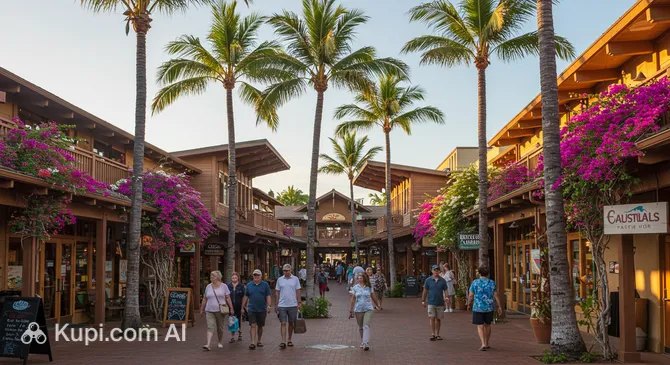
If you want to immerse yourself in the local atmosphere and pick up some souvenirs, be sure to visit Kihei Kalama Village. This lively open-air shopping complex is filled with various shops offering Hawaiian handicrafts, clothing, jewelry, and artwork. You can also find many cafes and restaurants here, perfect for relaxing and grabbing a bite after shopping.
Kihei Kalama Village. Illustration.
Source: Kupi.com AI
Traveler photos:
Local Cuisine
Kihei's gastronomy is a vibrant blend of Hawaiian traditions, Asian influences, and the incredible freshness of local products. Everyone will find a dish to their liking here, from exquisite restaurant offerings to authentic street food, making the town's culinary scene particularly attractive to tourists.
Be sure to try poke—a refreshing salad of the freshest raw tuna, seasoned with various sauces and toppings. Another iconic dish to taste in Kihei is grilled mahi-mahi, often served with a tropical fruit garnish that highlights the delicate flavor of the fish. Don't miss the chance to try traditional kalua pork, which is cooked in an underground oven, giving the meat a unique smoky aroma. Garlic shrimp and various dishes made from freshly caught fish are also popular.
Local drinks help quench your thirst and complement your meal. Start your day with a cup of aromatic Hawaiian coffee grown on local plantations. In hot weather, there's nothing better than shave ice—a popular dessert made of finely shaved ice generously drizzled with sweet fruit syrups. In the evening, you can relax with an exotic rum-based cocktail mixed with pineapple, passion fruit, or guava juice, enjoying the tropical paradise atmosphere.
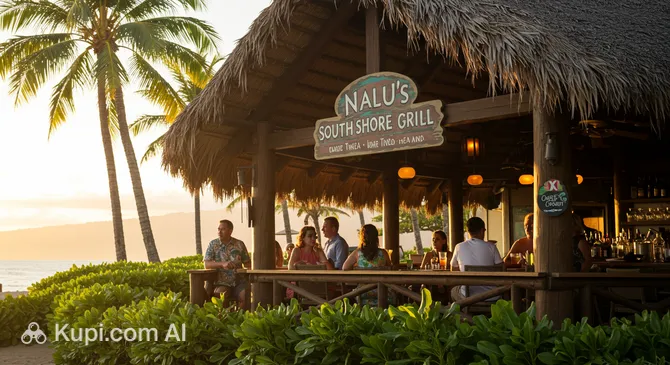
The food culture in Kihei is very diverse and casual. Tourists and locals alike love to dine in the numerous restaurants, each trying to offer its own unique interpretation of Hawaiian cuisine. One such popular spot is Nalu's South Shore Grill, known for its dishes made from fresh local ingredients. Kihei also has a very developed street food culture: food trucks offer everything from fragrant fish tacos to hearty pulled pork sandwiches and pineapple desserts. Don't pass by the farmers' markets, where you can buy the freshest tropical fruits and sample local delicacies. For a full immersion into Hawaiian culture, consider attending a traditional luau—a festive dinner with national dishes, dancing, and music under the open sky.
Nalu's South Shore Grill. Illustration.
Source: Kupi.com AI
Traveler photos:
Travel Tips
Welcome to sunny Kihei! To ensure your trip to this beautiful Hawaiian resort goes smoothly and leaves only the warmest memories, we have prepared some practical tips. They will help you navigate better and enjoy every moment of your vacation.
Clothing and Essentials:
Kihei enjoys a tropical climate, so pack light, breathable clothing made from natural fabrics: shorts, t-shirts, and sundresses. Be sure to bring a swimsuit (or several!), a hat, sunglasses, and high-SPF sunscreen. For walks and active recreation, you'll need comfortable shoes—sandals, flip-flops, and if you plan on hiking, light sneakers. Don't forget a reusable water bottle to stay hydrated. Electrical outlets in the USA are Type A and B, so you may need an adapter.
Local Transportation:
The most convenient way to get around Kihei and the rest of Maui is by renting a car. This will give you the freedom to explore numerous beaches, parks, and attractions at your own pace. The Maui Bus public transit system exists and passes through Kihei, but its routes and schedules may not always be convenient for tourists. Taxis and services like Uber/Lyft are also available but can be more expensive, especially for long distances.
Finances:
The official currency is the US Dollar (USD). Credit and debit cards (Visa, MasterCard, American Express) are accepted almost everywhere. ATMs are easy to find in shopping centers, banks, and some stores. You can exchange currency at banks or at the airport, but the rate may be less favorable. Tipping in the USA is standard practice: 15-20% in restaurants and for services (taxis, guides).
Health and Safety:
Kihei is a fairly safe place, but basic precautions should be followed: do not leave valuables unattended on the beach or in your car. Pharmacies (such as Longs Drugs) are available, but not all are open 24/7. Be sure to get travel medical insurance before your trip. If necessary, medical care can be obtained at clinics or at the Maui Memorial Medical Center in Wailuku. Pay special attention to water safety: watch for wave and current warnings, never swim alone, and always use sunscreen.
Communication:
The primary language is English. You will also often hear Hawaiian words like "Aloha" (hello, goodbye, love) and "Mahalo" (thank you)—using them will be appreciated by locals. Mobile service and internet are of good quality. A local SIM card can be purchased at the airport or at mobile carrier stores. Wi-Fi is available in most hotels, cafes, and public areas. Apps for maps (Google Maps), weather, and ride-sharing will be useful.
Local Etiquette and the "Aloha Spirit":
Hawaii is famous for its "Aloha Spirit"—a spirit of hospitality, friendliness, and respect. Greet people with a smile and the word "Aloha." Be polite and patient; things here don't happen in a rush ("island time"). Respect local culture, traditions, and especially nature. A simple "Mahalo" (thank you) is always appropriate.
What to Avoid:
Do not touch or take corals, lava rocks, or sand from the beaches—this not only harms the fragile ecosystem but, according to local beliefs (especially regarding the lava rocks of the goddess Pele), can also bring bad luck. Also, avoid feeding wild animals and do not ignore warning signs on beaches and in natural areas.
Additional Tip—Respect the Ocean:
The waters around Maui are home to many amazing marine creatures, including green sea turtles (honu). Observe them from a respectful distance; never touch or chase them. Use reef-safe sunscreen to help preserve the underwater world for future generations.
We hope these tips make your stay in Kihei even more comfortable and unforgettable. Enjoy the sun, the ocean, and the unique Aloha atmosphere!
Entertainment & Nightlife
Kihei, known for its casual beach style during the day, offers an equally relaxed yet lively atmosphere after dark. The nightlife here isn't like that of a major metropolis with noisy clubs until dawn, but it charms with its authenticity, live music, and friendly environment.
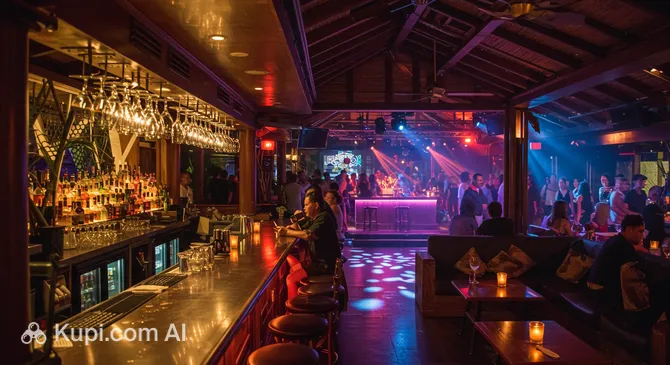
The main concentration of evening entertainment is found on South Kihei Road. Along this main artery of the town are many bars, restaurants with evening programs, and small venues where you can enjoy drinks and good company. Another popular spot is the Kihei Kalama Village area, where various eateries and bars come to life in the evenings. The atmosphere in most places is very democratic: there is usually no dress code, and beach casual is encouraged. Many establishments offer live music—ranging from Hawaiian melodies to rock and reggae. The crowd is a mix of locals and tourists of all ages.
Haui's Life's A Beach. Illustration.
Source: Kupi.com AI
Traveler photos:
Among the specific places to spend an evening, Haui's Life's A Beach is worth noting—it is a popular venue often described as a classic beach bar with dancing and live music, attracting both locals and visitors. Another interesting place for dinner and evening relaxation is Nalu's South Shore Grill, known for its pleasant atmosphere and quality cuisine, where you can also enjoy live music on certain nights.
Practical Tips:
The best time to visit bars is after 8:00–9:00 PM when the venues start to fill up. Prices for drinks and food in Kihei are generally more moderate compared to neighboring luxury resorts. You can get around in the evening via taxi or ride-sharing apps, though wait times may be longer during peak hours. It is recommended to plan your return route in advance, especially if you plan to stay out late.
Safety:
Kihei is generally considered a safe area for evening walks, especially along the busy South Kihei Road. Nevertheless, it is always worth following standard precautions: do not leave valuables unattended and avoid poorly lit or deserted areas. You can call a taxi by phone or through an app; the staff at most establishments can also assist with calling one.
While the main focus of this overview is on nightlife, Kihei also offers plenty of daytime entertainment. You can spend time at famous beaches like Kamaole Beach Park I or Keawakapu Beach, explore Kalama Park, or go shopping at the Piilani Village Shopping Center. However, as the sun sets, the town transforms, offering its own special Hawaiian version of evening leisure.
Parks & Museums
Kihei, located on the sunny coast of Maui in the USA, is famous for its magnificent beaches and natural areas, offering a relaxing getaway in the heart of nature. While the town is not a major museum center, you can find spots here that reflect local Hawaiian culture and history.
Green Areas and Beaches of Kihei
Kihei has many wonderful places for outdoor recreation. Among them, several stand out:
Kalama Park is an extensive 36-acre public park along the coast. It offers a variety of opportunities for active recreation: from large grassy lawns for picnics and games to sports facilities, including tennis courts, a basketball court, a skate park, and even a roller rink. There is a large playground for children. It's a great place to spend time with family, play sports, or simply enjoy the local leisure atmosphere.
Kalama Park. Illustration.
Source: Kupi.com AI
Traveler photos:
Kamaole Beach Park III is one of the three Kamaole beach parks (Kamaole I, II, and III), which are renowned for their beautiful sandy shores. Kamaole III is particularly popular with families due to its wide beach with soft sand, gentle entry into the water, and the presence of lifeguards and amenities like showers and restrooms. There is also a large grassy area ideal for picnics and games. It is a wonderful spot for swimming, snorkeling, and watching sea turtles, which often swim close to the shore. Nearby are also Kamaole Beach Park I and Keawakapu Beach, each with its own unique charm.
Kamaole Beach Park III. Illustration.
Source: Kupi.com AI
Traveler photos:
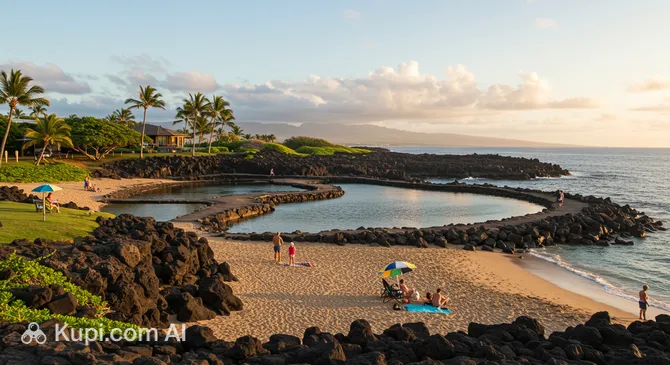
Kalepolepo Beach Park is not only a beautiful beach but also a place rich in history. Its main attraction is the ancient Hawaiian fishpond Koʻieʻie Loko Iʻa, which has been restored and is maintained by volunteers. Visiting this park offers a chance to connect with indigenous Hawaiian culture and learn more about their traditional way of life. The beach here is calmer and more secluded, making it ideal for relaxing and watching the sunset.
Kalepolepo Beach Park. Illustration.
Source: Kupi.com AI
Traveler photos:
Museums and Cultural Heritage
Kihei does not boast large museum complexes, as the main focus here is on natural beauty and beach holidays. However, to get acquainted with local art and culture, it is worth visiting small galleries and craft shops. For example, at the Kihei Kalama Village shopping complex, you can find works by local artists, jewelry, and souvenirs that reflect the spirit of Hawaii. Historical heritage is also represented by sites like the aforementioned fishpond at Kalepolepo Park, which is an important cultural monument.
Tips for Travelers
To dive deeper into the atmosphere of Kihei, don't limit yourself to just the popular beaches. Explore small coves, stroll through local streets, and be sure to try fresh seafood at one of the many cafes. In the early morning or at sunset, Kihei's beaches are particularly beautiful and less crowded, providing the perfect opportunity for peaceful walks and enjoying the silence of the ocean.
Getting Around
Public transport in Kihei consists primarily of a bus system that serves not only the town itself but also connects it with other locations on the island of Maui. This is a convenient and economical way to get around for those who do not plan to rent a car.
The main form of public transportation is the Maui Bus. Buses run on several routes passing through Kihei and connecting it with Kahului (where the main airport is located), Lahaina, Wailea, and other popular areas. Schedules and route maps can be found on the official Maui Bus website or at tourist information centers. For real-time bus tracking, you can use the Maui Bus app, though ticket purchases through the app are usually not available. The cost of a single trip is approximately $2, while a day pass, which is cost-effective for frequent travel, costs around $4. Payment is typically made in cash to the driver upon boarding (exact change is preferred) or using transit passes if offered.
Practical Tips for Tourists:
Check the schedule for your needed route in advance, as intervals between buses can be significant, especially in the evenings and on weekends.
Single-trip tickets are purchased from the driver. If you plan to travel a lot, consider buying a day pass.
Bus stops are marked but not always obvious. Use route maps or the mobile app for orientation.
Bus operating hours are usually limited, so don't count on them for late-night trips.
In addition to buses, other ways of getting around are available in Kihei. Taxis and ride-sharing services (such as Uber or Lyft) are widespread, especially for trips to the airport or locations not served by public transit. However, this is a more expensive option.
Many tourists prefer to rent a car, as this provides maximum freedom to explore the entire island of Maui at their own pace. There are several car rental agencies in Kihei. It is also worth checking for car-sharing services (like Turo or similar peer-to-peer rental platforms), which can offer flexible terms for short-term car rentals, especially if you don't need a vehicle for your entire stay.
For short trips within Kihei itself, especially along the coast, bicycle rentals are popular. The town is fairly flat, and a bike can be a pleasant and healthy alternative. Some hotels also offer bicycles to their guests.
Accommodation
Kihei offers tourists a wide selection of accommodation options for every taste and budget. Here you can find affordable condominiums and apartments for self-catering, as well as mid-range hotels and full-service resort complexes. Many housing options are located along the coast, providing easy access to the town's famous beaches.
The most popular areas to stay are considered to be those in close proximity to the Kamaole beaches (I, II, and III), as well as the southern part of Kihei, closer to Keawakapu Beach. These areas offer a developed infrastructure with restaurants, shops, and entertainment within walking distance. The choice of accommodation here varies from cozy studios to spacious villas suitable for family vacations or large groups.
Mana Kai Maui. Illustration.
Source: Kupi.com AI
Traveler photos:
Among the well-known accommodation options are resort hotels that offer a comfortable stay and various amenities. For example, Mana Kai Maui and Maui Hill Resort are popular choices, known for their hospitality and quality service. Many hotels and condos offer swimming pools, barbecue areas, and direct ocean access.
Maui Hill Resort. Illustration.
Source: Kupi.com AI
Traveler photos:
When planning a trip to Kihei, especially during the peak tourist season (winter months and summer), it is recommended to book accommodation in advance. This will allow you to choose the best option in terms of location and price. Accommodation prices range from budget to luxury, depending on the type of housing, its location, and the set of services provided. Reservations can be made through popular online platforms or directly on the websites of hotels and management companies.
Nearby Cities
For those who want to explore the surroundings, Kihei serves as an excellent starting point for day trips to several interesting nearby locations:
Among the closest options for exploration near Kihei, Kahului stands out, located just 17 km away. It is Maui's main commercial hub, home to the island's primary airport (OGG) and many shops. A trip here allows you to see the more business-oriented side of the island. If you are ready for a trip to another island (Oahu), Honolulu, the capital of Hawaii (about 159 km by air), offers the famous Waikiki Beach, historical Pearl Harbor, and an active city life. Also of interest on Oahu is Kailua (about 152 km), known for its magnificent beaches perfect for quiet relaxation and water sports.
These nearby destinations, both on Maui itself and on neighboring Oahu, provide a glimpse into the diverse culture and landscapes of the Hawaiian Islands. When planning a trip, especially to another island, it is worth checking transportation schedules and potential costs in advance.
Shopping & Souvenirs
Kihei offers a relaxed shopping experience that perfectly fits the resort town atmosphere. There are no massive malls like in major cities, but you will find plenty of small shops, boutiques, and souvenir stalls offering beachwear, Hawaiian souvenirs, and products by local artisans. The town is famous for its casual shopping environment where you can find unique items without any rush.
The main shopping artery of Kihei is South Kihei Road, which stretches along the coast. This is where most of the shops, restaurants, and small shopping areas are concentrated. Walking along this street, you will discover everything from beach clothing and surfing gear to handmade jewelry and artwork. It is also worth checking out the side streets, where interesting little shops might be hidden.
Kihei Kalama Village. Illustration.
Source: Kupi.com AI
Traveler photos:
Among the shopping centers, Kihei Kalama Village and Piilani Village Shopping Center stand out. Kihei Kalama Village is more of a lively open-air complex with many kiosks and small shops where you can find souvenirs, clothing, jewelry, and snacks. Piilani Village Shopping Center offers a more traditional set of stores, including a large supermarket, a pharmacy, clothing stores, and restaurants.
Piilani Village Shopping Center. Illustration.
Source: Kupi.com AI
Traveler photos:
While there are no large traditional markets in Kihei like in some other cities, Kihei Kalama Village resembles a market in many ways due to its atmosphere and variety of small retail outlets. You can find fresh fruit, local delicacies, and unique souvenirs here. Sometimes local farmers and artisans organize small fairs, which you can find out about once you are there.
For souvenirs from Kihei, it's worth bringing back traditional Hawaiian "Aloha" shirts, jewelry made from shells or volcanic stone, koa wood products, local coffee, macadamia nuts in various forms, and cosmetics based on natural Hawaiian ingredients. Artwork depicting local landscapes and marine life is also popular.
Most shops in Kihei are open daily, usually from 10:00 AM to 8:00 or 9:00 PM. Smaller shops may have more flexible hours. Credit cards (Visa, MasterCard, American Express) are widely accepted, and you can also pay in US dollars cash. ATMs are easy to find in shopping centers and on South Kihei Road.
In the USA, there is no single federal Value Added Tax (VAT) refund system for tourists like in some other countries. The state of Hawaii has a General Excise Tax (GET), which is usually included in the price of goods and services. Refund options for this tax for foreign tourists are generally not provided.