Support

Natural History Museum of Utah

About

The Natural History Museum of Utah (NHMU) is more than just a museum; it is a major scientific and educational complex located in Salt Lake City, Utah, USA. Its modern building, situated near the University of Utah campus, is an attraction in its own right. It blends surprisingly well with the surrounding hilly landscape, appearing as a natural extension and architectural transformation of the terrain.
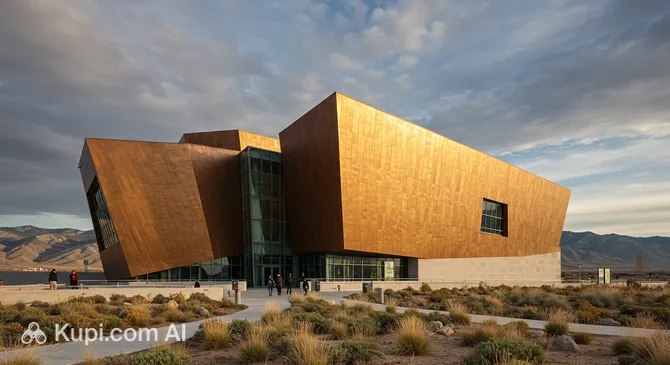
Natural History Museum of Utah. Illustration.
Source: Kupi.com AI

Traveler photos:

The museum's collection is truly impressive—it comprises over 1.6 million items that tell the story of the natural history of the Great Salt Lake region, the Colorado Plateau, and the planet as a whole. Visitors can expect rare artifacts, a breathtaking collection of dinosaur skeletons (many of which were found right in Utah), an impressive mineral collection (around 3,700 specimens), and an extensive botanical collection (123,000 specimens). The exhibits span various eras and ecosystems, offering a fascinating journey through time.

The Natural History Museum of Utah is not only an exhibition space but also an active research center. It works closely with the University of Utah, providing unique opportunities for students and graduates conducting research in paleontology, anthropology, geology, and biology. It is a place where science comes to life, making complex concepts accessible and engaging for visitors of all ages.

Contacts

To find the most up-to-date information on operating hours, ticket prices, and contact details for the Natural History Museum of Utah, we recommend visiting its official website. There, you can typically find details about current exhibitions and upcoming events. Additional information is also available on Salt Lake City tourism portals or at local tourist offices.

How to contactContact
Address301 Wakara Way, Salt Lake City, UT 84108, USA
Phone number+1 801-581-6927
Websitenhmu.utah.edu

What to Do

Immerse yourself in the fascinating world of the past and present at the Natural History Museum of Utah! Here, you will find diverse exhibits that tell the history of life on Earth, reveal the secrets of geology, and introduce you to a wide variety of ecosystems and species. Special attention should be given to the impressive collection of dinosaur skeletons—one of the museum's main highlights, which will transport you back millions of years. Visitors can examine the fossils of ancient giants in detail and learn about the paleontological discoveries made in the region.

Across a massive exhibition space of over 15,000 square meters, you can not only see dinosaur skeletons but also learn about the region's geological history and Utah's rich natural heritage. The displays clearly demonstrate how the local landscape was formed, what minerals are hidden beneath the surface, and which plants and animals inhabit this unique corner of the planet. It is a true journey through the ages, from ancient seas to modern ecosystems.

The Natural History Museum of Utah is more than just a static exhibition. For visitors of all ages, it offers engaging educational programs and interactive activities. This is a wonderful opportunity to not only see rare exhibits but also actively participate in the learning process, discover something new, and perhaps even gain a new perspective on the world around us. The museum strives to make science accessible and interesting for every guest, turning a visit into an educational adventure.

Getting There

The Natural History Museum of Utah is located in the northeastern part of Salt Lake City, on the University of Utah campus, making it relatively accessible for visitors. If you prefer public transportation, the museum can be reached by buses serving the university area. Check current routes and schedules on the Salt Lake City transit authority (UTA - Utah Transit Authority) website, as they are subject to change.

One convenient option is to take the TRAX light rail system to the University Medical Center station, from which you can walk to the museum or use a university shuttle if one is running to the museum building. The walk from the station takes some time but offers a chance to enjoy views of the campus.

For those who prefer comfort and speed, a taxi or rideshare service (such as Uber or Lyft) from downtown Salt Lake City to the museum takes about 10-20 minutes, depending on traffic. This is a convenient option, especially if you are traveling in a group or with children. The museum usually has parking for visitors arriving by private car, but it is worth checking the official website in advance for availability and pricing.

Nearest city: Salt Lake City

History & Facts

The Natural History Museum of Utah has a rich and fascinating history. It was originally founded as part of the University of Utah, and over its half-century of existence, its collection has grown significantly. Today, it houses over 1.6 million objects, vividly demonstrating the continuous development and enrichment of the museum's holdings over the decades. This impressive journey from a university department to a major scientific center highlights the museum's importance to the region.

The museum's modern building deserves special mention, as it is a marvel of engineering and environmental responsibility. It is a prime example of "green" building and was awarded the prestigious LEED Gold certification. This means that its design and construction met the strictest requirements for environmental friendliness and energy efficiency, making the museum not just a storehouse of natural knowledge, but also a model of harmonious coexistence with nature.

The architectural design of the museum building is no accident—it is deeply inspired by the unique natural landscape of the Salt Lake City region. The forms and materials were chosen to ensure the structure blends seamlessly into its surroundings, becoming an integral part of them. Beyond aesthetics, great attention was paid to practicality: the building's energy balance is optimized through highly efficient systems for air conditioning, heating, water supply, and lighting. This underscores the museum's commitment to sustainability and environmental care, setting an example for others to follow.

Time Needed

When planning a visit to the Natural History Museum of Utah, it is worth allowing enough time to fully enjoy its extensive collections. Given the scale of the exhibits, which cover paleontology, geology, anthropology, and biology, as well as interactive elements, a quick tour of the main galleries will take at least 2-3 hours. This is enough time to get a general overview of the primary exhibits, including the famous dinosaur skeletons.

However, if you want to dive deeper into specific sections—for example, studying the mineral collection in detail, exploring the botanical exhibits, or participating in educational programs—your stay may be significantly longer. Natural history buffs, families with children who want to spend more time at interactive stations, or those planning to see special exhibitions should allow for half a day (4-5 hours) or even more.

For the most comprehensive and leisurely exploration of all the wonders at the Natural History Museum of Utah, including temporary exhibits and perhaps a short break at the cafe, we recommend setting aside at least half a day. This will allow you to walk through all the galleries without rushing, examine the exhibits closely, and truly appreciate everything this remarkable museum in Salt Lake City has to offer.

Working Hours

The Natural History Museum of Utah is generally open to visitors year-round, but operating hours may vary depending on the season, holidays, or special events. Typically, the museum is open daily, but it is best to check the exact opening and closing times just before your visit. We recommend visiting the museum's official website or contacting them directly for the most current information regarding hours of operation.

When planning a visit to the Natural History Museum of Utah, especially during peak seasons or for popular programs, it may be advisable to book tickets online in advance. This will help you avoid queues and guarantee your entry at a time that suits you. The official website also provides information on potential discounts, special offers, and whether advance registration is required for tours or events.

DayOpening hours
Monday10:00 – 17:00
Tuesday10:00 – 17:00
Wednesday10:00 – 21:00
Thursday10:00 – 17:00
Friday10:00 – 17:00
Saturday10:00 – 17:00
Sunday10:00 – 17:00

Nearby

A visit to the Natural History Museum of Utah will undoubtedly be a highlight of your trip; however, exploring its surroundings can significantly enrich your experience of Salt Lake City. Often just a few steps or a short drive away, you can find other fascinating spots that reveal new facets of the city and its cultural heritage.

By setting aside a little extra time to explore what is near the Natural History Museum of Utah, you might stumble upon true "hidden gems," enjoy a variety of activities, or simply immerse yourself deeper in the local atmosphere. This will not only make your current trip more rewarding but might also inspire future discoveries.

NameDistance
Red Butte Garden and Arboretum0.3 km
This Is The Place Heritage Park1.4 km
Rocky Shores1.6 km
Hogle Zoo1.7 km
Ruth's Diner3.5 km
Rodizio Grill4.2 km
Liberty Park4.8 km

Have you reached the end of the page?

So the route has been studied inside and out