Support

Santa Barbara Botanic Garden

About

Imagine 65 acres of pristine beauty where California's nature is showcased in all its diversity. The Santa Barbara Botanic Garden is more than just a park; it's a unique open-air living museum located in the picturesque Mission Canyon. Situated in the city of Santa Barbara, this site became the first botanical garden in the world dedicated exclusively to the study and protection of plants native to the California region.
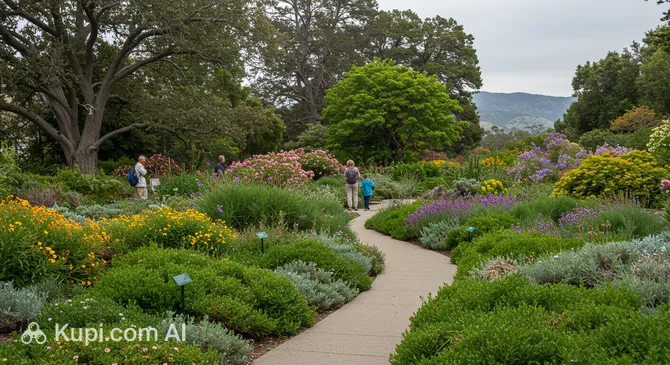
Santa Barbara Botanic Garden. Source: Kupi.com AI

Every year, this destination in the USA attracts over 200,000 visitors, offering them a chance to encounter more than a thousand plant species. The grounds are divided into ten thematic sections, with approximately 9.2 km of well-maintained trails winding through them. Here, you can see rare floral communities in their natural habitats, making the garden a vital research and educational center.

As a private non-profit organization, the Santa Barbara Botanic Garden maintains a wonderful atmosphere of seclusion and tranquility. It is the perfect place for those seeking inspiration in nature and wishing to learn more about the West Coast's botanical heritage.

Contacts

To clarify details of your visit, such as special events or group tours, it is recommended to contact the institution's official representatives. Below is detailed contact information to help you find your way and plan your trip to this green corner of California.

Phone +1 805-682-4726
Official Website sbbotanicgarden.org
Address 1212 Mission Canyon Rd, Santa Barbara, CA 93105, USA
Google Maps Open map

What to Do

Outdoor enthusiasts should definitely walk the Porter Trail. This route winds through an amazing grove of ironwood trees and allows you to see nearly every species of California cypress in one location. Strolling along the numerous marked paths is not just physical activity, but also a great opportunity for birdwatching or landscape photography.

For those interested in science and horticulture, the garden offers a unique collection of fifty species of Ceanothus, more commonly known as California lilac. Many of these varieties were developed right here. The grounds also house a library with a rich collection and a herbarium containing about 50,000 specimens, turning a simple stroll into a full-fledged educational journey.

Don't forget to visit the historic Mission Dam. This stone structure from the early 19th century is harmoniously integrated into the landscape and serves as a reminder of the region's past. The garden is often used as an outdoor laboratory, so it's common to see groups of students or artists sketching from life.

Getting There

You can find this green oasis at 1212 Mission Canyon Road, in the scenic northern part of the city. The most convenient way to reach the site remains by personal or rental car. You will need to travel along Mission Canyon Road, heading away from the central blocks toward the mountains; visitor parking is provided on the garden grounds.

If you prefer not to drive, you can use a taxi or popular ridesharing services directly from the city center. The journey takes very little time, and the views along the way will set the perfect mood before your walk.

As for public transport, Santa Barbara has an established bus network, though routes to the canyon can change depending on the season. Before departing, it is best to check the current local bus schedule on the city's transport service official website to ensure the chosen route will take you as close to the entrance as possible.

History & Facts

The history of this place began in 1926 thanks to the initiative of local philanthropist Anna Dorinda Blaksley Bliss. She purchased the first 13 acres of land in Mission Canyon to create a living memorial to her father, Henry Blaksley. Legend has it that the decision to buy was made almost spontaneously when a group of influential citizens discovered during a picnic that these wild lands were slated for development.

Initially, the institution was named the Blaksley Botanic Garden and worked closely with the local Museum of Natural History. Dr. Elmer J. Bissell became the first director, laying the foundations for the landscape planning. However, by 1936, the garden's concept became more specialized and unique: the focus shifted entirely to the study and conservation of the flora of the California Floristic Province.

In 1939, the garden gained full independence, received its current name—the Santa Barbara Botanic Garden—and was registered as a separate non-profit organization. Over time, the territory expanded, and by 1970, the holdings reached their modern boundaries, becoming one of the most significant research centers in the region.

An important part of the historical heritage here is not just the flora, but also the engineering structures. Within the garden's boundaries lies the Mission Dam, built by the Chumash people back in 1806–1807. This site serves as a reminder of the region's deep historical roots and the craftsmanship of the indigenous people.

Time Needed

For a leisurely walk along the main trails and to enjoy the canyon views, a typical visitor will need about 2–3 hours. This is sufficient time to see the most popular sections and take beautiful photos against the backdrop of unique plants.

For those who want a deeper immersion—visiting all ten thematic sections, studying the exhibits in the museum area, and participating in an educational tour—we recommend setting aside 4–5 hours for your visit. This will allow you to explore the garden's remote areas without rushing and relax in the shade of centuries-old trees.

Working Hours

The garden welcomes guests daily, making it a great option for any day of the week. The doors of this natural museum are open from 10:00 AM to 5:00 PM.

The operating schedule remains the same from Monday to Sunday; however, it is always worth considering potential changes on holidays, so checking the official website before your trip is a good idea.

Nearby

A visit to the botanic garden is a great excuse to explore other iconic spots in the region. The Mission Canyon area and surrounding city districts are rich in historical monuments, museums, and picturesque parks that will help you gain a complete understanding of the culture and nature of the South Coast.

Name Distance (km)
Old Mission Santa Barbara 2.1
Santa Barbara County Courthouse Gardens 3.6
El Presidio de Santa Bárbara State Historic Park 3.9
Rock Bottom Ponds 4
Santa Barbara Historical Museum 4.1
The Musical Reef 4.4
Moreton Bay Fig Tree 5
Stearns Wharf 5.6
Santa Barbara Museum of Natural History Sea Center 5.6
The reef at UCSB 13.4

Reached the end of the page?

That means the route is fully explored