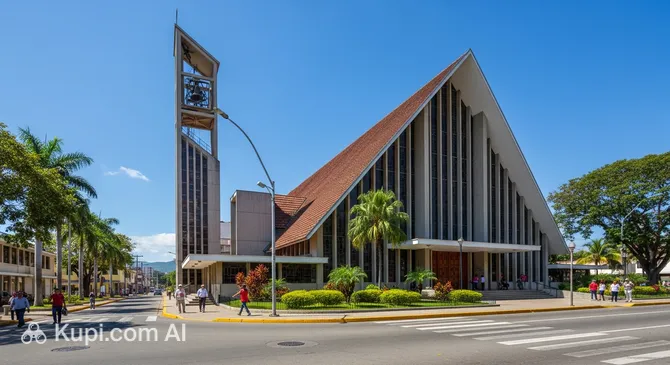
El Tigre is an energetic industrial hub located in the heart of northeastern Venezuela. The city has a unique atmosphere, shaped by its rapid development as one of the country's most important oil centers. Unlike the coastal resorts, here you can feel the pulse of the real economy of Anzoátegui State, which gives the place a special, authentic character.
El Tigre. Illustration.
Source: Kupi.com AI
Geographically, the city stretches along the right bank of the Tigre River, situated at an altitude of about 269 meters above sea level. The history of this settlement is inextricably linked with the discovery of the Oficina oil field in 1933. Since then, the city's population has grown significantly and currently stands at over 213,000 people, transforming a small village into a significant regional hub of the state.
Although El Tigre is primarily industry-oriented, it attracts travelers wishing to see the "real" Venezuela off the popular tourist routes. Here, you can get acquainted with the life of oil workers, see large-scale industrial sites, and enjoy the hospitality of the locals. A visit to the city is an excellent experience for those interested in the modern economy and social development of Latin America.
Weather Overview
A typical tropical climate, characteristic of northeastern Venezuela, prevails in El Tigre. It is hot all year round, and seasonal changes are expressed more in the amount of rainfall than in temperature. The average annual temperature stays around +27°C, while in the hottest months, such as March and April, the thermometer often rises to +34°C.
When planning a trip, consider the division into dry and wet seasons. The period from December to April is characterized by minimal rainfall and clear skies, which is most comfortable for traveling. Conversely, from June to September, the rainy season arrives, bringing heavy but usually short-lived downpours. Detailed weather in the city is available in special meteorological reports, which will help you plan your visit more accurately.
Average monthly temperature
Average monthly precipitation
Interesting Facts
El Tigre hides many curious details that help to better understand its industrial spirit and significance for the region.
An "Oil" City: February 23, 1933, is considered the official foundation date, and it arose exclusively due to the discovery of the Oficina oil field.
Religious Center: Despite its industrial status, the city is the center of the Catholic Diocese of El Tigre, highlighting its important cultural role in the state.
Aviation Gateway: The local airport with the IATA code ELX has a runway nearly 2 kilometers long, although it is often used in conjunction with the nearby San Tomé hub.
Strategic Position: The city is located in close proximity to the Orinoco Belt — one of the world's largest reservoirs of heavy crude oil.
How to Get There
There are several ways to get to El Tigre, even though the city is somewhat removed from Venezuela's main tourist trails. The primary transport hub is El Tigre Airport (ELX), though it handles a limited number of flights. Travelers more often use the neighboring, larger San Tomé Airport, located just a few kilometers away, which provides a steady connection to the capital. You can find more details about routes in the how to get to the city section.
Ground transportation also plays an important role in the life of the region. The city is connected by a network of roads to the state capital, Barcelona, which is about 133 kilometers away. A trip by bus or private car usually takes 2 to 3 hours depending on traffic. Passenger rail service in this area is poorly developed, as the tracks are mainly used for industrial needs.
Main Attractions
Since El Tigre was built as a working hub, you won't find the usual abundance of ancient monuments here; however, the city possesses its own unique industrial charm. The main point of attraction for residents and guests is the central square and the adjacent administrative buildings of the Simón Rodríguez municipality, where you can feel the rhythm of local life.
Among the architectural sites, the Cathedral of the Diocese of El Tigre is worth highlighting. This religious building not only serves as the city's spiritual center but is also one of the few prominent landmarks in the urban landscape, standing out against the functional buildings. The majestic cathedral building emphasizes the city's status as an important religious center of the state.
Nature lovers might be interested in the banks of the Tigre River. While there are no organized embankments or wide excursion routes, the riverside areas offer peaceful views and a chance to escape the noise of the industrial city. It is a suitable place to see the typical landscapes of the Orinoco basin in their natural, pristine form.
Local Cuisine
The cuisine of El Tigre is a hearty and aromatic journey through the traditions of Venezuela, adapted to the needs of the inhabitants of an oil region. The diet here is based on corn, meat, and tropical vegetables. Be sure to try the classic arepa — a corn pancake with a wide variety of fillings, from cheese to stewed meat.
The main gastronomic symbol of the region is Pabellón Criollo. This dish consists of juicy shredded beef, black beans, white rice, and fried plantains. Such a lunch perfectly restores energy and allows you to experience the true taste of a Venezuelan classic. Also popular in the city are snacks made from fried pork skin — chicharrón, which are often sold at local markets.
As for drinks, the heat calls for fresh juices made from passion fruit, guava, or papaya. It is also worth trying chicha — a thick and sweet drink based on rice or corn. The city's gastronomic scene is mainly represented by cozy family cafes and eateries in the center, where you can always find fresh food at affordable prices.
Travel Tips
Visiting the industrial heart of Venezuela requires some preparation, so we have gathered some practical tips to make your trip to El Tigre comfortable and safe.
Clothing and Essentials: Choose light clothing made from natural fabrics, as it is almost always hot in the city. Don't forget sunglasses and comfortable shoes. For visiting churches, it's better to have clothes that cover your shoulders.
Transport: The best way to get around is by taxi or car rental. Public buses can be overcrowded, especially during peak hours when workers are heading to their shifts.
Finances: It is recommended to have a supply of cash in local currency or US dollars in small bills. The city's infrastructure is geared toward locals, and international cards are not accepted everywhere.
Health and Safety: Stick to central, well-lit areas and avoid remote industrial zones, especially after dark. Drink only bottled water.
Communication: The main language is Spanish. English is not widely spoken, so learn some basic phrases. It's better to purchase a SIM card in advance in major cities or airports.
Local Etiquette: Locals are open and friendly. A greeting like "Buenos días" is a great way to start a conversation and show respect.
What to Avoid: You should not photograph industrial sites and equipment in the oil fields without official permission, as this may raise questions from security.
Extra Tip: Visit the markets early in the morning — it's the best time to buy the freshest fruit before the midday heat sets in.
By following these simple rules, you will be able to fully enjoy the unique atmosphere of this dynamic city and discover an authentic side of the country.
Entertainment & Nightlife
Leisure in El Tigre is mainly focused on relaxing after a workday. The city is not a center of nightlife in the classic sense, so it is difficult to find noisy discos or huge concert halls here. Nevertheless, in the central part, you can find cozy bars and cafes where locals gather to discuss the news over a cold drink or a cup of strong coffee.
Main evening activities are concentrated on the city's major streets, where you can find venues with live Latin-style music or karaoke. The atmosphere in such places is simple and relaxed, without a strict dress code. For larger-scale entertainment and modern clubs, young people often head to the state capital, Barcelona.
For daytime relaxation, small park areas and cinemas are available to residents and guests. From a safety perspective, it is better to choose central, well-lit neighborhoods for evening walks and use official taxi services, which can be called by phone or through a hotel administrator.
Parks & Museums
The cultural and recreational map of El Tigre largely reflects its industrial nature. There are no major historical museums or world-famous galleries here; however, the city offers its own options for quiet relaxation. The main green zones are concentrated along the Tigre River, which is the region's main natural landmark. Although there is little large-scale landscape development here, the riverbanks remain a favorite spot for a short break in the fresh air.
In the absence of traditional museums, religious sites often serve as cultural centers. The Cathedral and small parish churches preserve pieces of local history and traditions, reflecting the spiritual life of the city since its founding in the 1930s. The simple architecture of these buildings fits well into the overall functional style of the working city.
For those looking for a more intense cultural program, El Tigre serves as a convenient base for trips to the natural attractions of Anzoátegui State. For travelers, it is not so much the urban parks that are of interest, but the surrounding savanna landscapes, which are particularly picturesque at sunset.
Getting Around
The transport system in El Tigre is oriented toward meeting the needs of the local population and workers in the energy sector. The basis of public transport consists of buses and minibuses (so-called "carritos") that run along the main city arteries. Payment is usually made in cash to the driver or conductor, so it is always worth having small bills on hand.
During peak hours, city transport can be very crowded due to the mass movement of employees to oil production sites. Tourists are recommended to plan their trips for the middle of the day when road congestion is minimal. The city center is quite suitable for walking, as the main administrative buildings and shops are compactly located.
For more comfortable and safe travel around the city and beyond, it is best to use taxi services. Car rentals are also popular in El Tigre, providing greater freedom to explore the surrounding fields or visit neighboring cities. There are few specialized apps for calling transport here, so it is most reliable to use official taxi services.
Accommodation
The choice of accommodation in El Tigre is specific: most options are geared toward long-term stays for oil industry specialists and business travelers. Nevertheless, tourists can find comfortable options ranging from budget guesthouses to mid-range hotels. The main concentration of hotels is in the central district, near the Tigre River.
If you are planning a visit, it is worth looking into apartments, which often offer a higher level of privacy and have their own kitchens. There are no luxury resort complexes in the city, as it is not a resort destination, but modern business hotels provide a decent level of service, including Wi-Fi and secure parking.
It is recommended to book accommodation in advance, especially if your trip coincides with periods of active work in the oil fields, when demand from corporate clients increases significantly. Most accommodation options can be found on popular platforms or booked directly through the administration of local hotels.
Nearby Cities
El Tigre serves as an excellent starting point for exploring the interior of Anzoátegui State and visiting neighboring settlements, each with its own character. Just 13 kilometers away is San Tomé — an important aviation and administrative hub closely linked to the region's oil industry.
For a longer trip, the town of Cantaura, located about 48 kilometers to the north, is a good choice. It is known for its cultural traditions and religious festivals. Another interesting destination is Anaco — a large industrial center that can be reached in about an hour. Trips to these cities allow for a better understanding of the scale and structure of the Venezuelan hinterland.
City
Population
Distance
San Tome
—
13 km
Cantaura
89 552
48 km
Anaco
162 704
66 km
Aguasay
11 856
82 km
Aragua de Barcelona
27 000
91 km
Exploring the surroundings of El Tigre will give you plenty of impressions from the endless plains and industrial landscapes that shape the face of this part of the country. Do not miss the opportunity to look into small towns to feel the authentic rhythm of life in eastern Venezuela.
Shopping & Souvenirs
Shopping in El Tigre is practical in nature and centered around the main commercial streets and colorful markets. There are no giant fashion malls here, but lovers of authentic purchases will find many interesting things. The main shopping activity takes place at the city markets near the Tigre River, where you can buy the freshest tropical fruits, local sweets, and everyday goods.
Items made by local artisans are often brought back as souvenirs from this region, as well as souvenirs related to the oil theme, which is the city's pride. Pay attention to high-quality leather goods and traditional Venezuelan textiles. Shops in the city center usually operate with a siesta break, which should be considered when planning your walks.
Most retail outlets accept cash, while larger stores may accept cards. If you are looking for something special, look into small shops on the outskirts of the center — that's where you can find unique handmade items and meet local craftsmen. Tax-free procedures are practically non-existent in this region, so the prices in stores are final.