Quiet and cozy San José de Guaribe invites travelers to immerse themselves in the atmosphere of the true Venezuelan hinterland. Located in the state of Guárico in northeastern Venezuela, this city is the administrative center of the municipality of the same name. With a population of about 11,400 people, it preserves the spirit of a calm provincial settlement where life flows leisurely and the hospitality of the locals makes you feel at home.
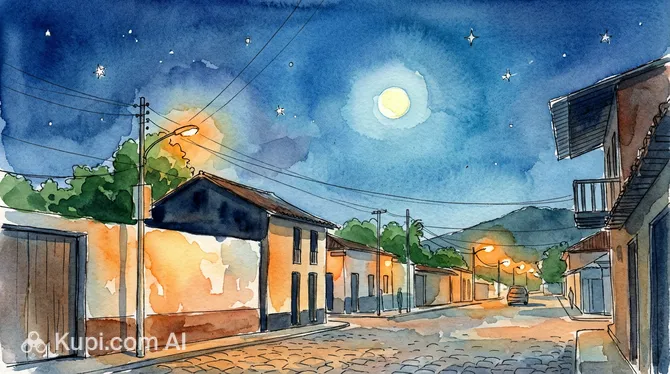
San Jose de Guaribe. Illustration.
Source: Kupi.com AI
The city's geographical location in a picturesque area with tropical landscapes makes it attractive for those seeking solitude and an authentic experience far from noisy tourist highways. The rich history of this region's formation is closely linked to the development of agriculture and the traditions of the Venezuelan plains, which has left a unique mark on the city's architectural appearance and culture.
One of the main features of San José de Guaribe is its proximity to the region's untouched natural riches. Tourists can enjoy walks in the surrounding areas, get acquainted with the traditional way of life of local farmers, and explore the unique ecosystem of the South American continent. If you are looking for a place where you can truly escape the hustle and bustle and see Venezuela "without filters," this city will be the perfect choice for your next journey.
Weather Overview
Thanks to its location in the tropical zone, San José de Guaribe enjoys warmth throughout the year. The average annual temperature here rarely drops below 23°C, making the city a great destination to visit in any season. The current weather in San José de Guaribe is characterized by alternating dry and wet periods, typical for the Guárico region.
The driest months are February and March, when rainfall is minimal (about 43 mm) and daytime temperatures can reach 30°C and higher. This is an ideal time for nature trips and wildlife observation, as animals gather at water sources during this period. The wet season arrives in June and lasts until October, bringing refreshing tropical showers that make the surrounding landscapes incredibly green and lush.
Expect consistently warm weather with high humidity, especially in the summer months when rainfall exceeds 250 mm. Despite the rains, they are usually short-lived downpours, after which the sun comes out again. Travelers are advised to bring light clothing and sunscreen, as the UV index here is traditionally high throughout the year.
Average monthly temperature
Average monthly precipitation
Interesting Facts
San José de Guaribe is an important administrative hub, serving as the center of the municipality of the same name in the state of Guárico.
The city is located in a unique geographical zone with coordinates 9°52′ N and 65°48′ W, placing it in the northeastern part of the country with its characteristic ecosystem.
The population is approximately 11,400 people, allowing the city to maintain the status of a compact and cozy settlement where almost everyone knows each other by sight.
The state of Guárico, where the city is located, is considered the "heart" of Venezuelan cattle ranching, and San José de Guaribe is no exception, maintaining strong farming traditions.
Due to its remote location from main highways, the city is considered one of the best places in the region to experience the untouched nature of the South American plains.
How to Get There
To reach San José de Guaribe, travelers usually have to combine air travel with ground transportation. There is no direct air service to the city, so the main route lies through major regional transport hubs. To better plan your route, it is worth researching in advance how to get to San José de Guaribe from the capital or neighboring states.
The nearest significant air hubs are the international airport in Barcelona and the airport in Cumaná. From there, the city can be reached by car or intercity buses. The road network of the state of Guárico is well-developed and connects the municipality with key cities in the region, making travel by rental car one of the most convenient and scenic ways to get around.
Despite the lack of direct rail service to the city, the main transportation is provided by bus companies. Routes connect San José de Guaribe with neighboring administrative centers. It is recommended to plan trips for the first half of the day, as regional transport schedules can be irregular, especially on weekends and holidays.
Station
Passenger traffic
Distance
Libertador Simón Bolívar Terminal
6
139 km
Las Adjuntas
7
146 km
Main Attractions
The main attractions of San José de Guaribe are inextricably linked to the natural charm of the state of Guárico. This region is famous for its vast plains (llanos) and incredible biodiversity. For nature lovers, the city serves as an excellent base for organizing expeditions to nearby nature reserves, where you can see rare species of birds and mammals in their natural habitat.
Of particular interest to guests is the immersion into the rural life of Venezuela. In the vicinity of the city, there are traditional farms where cattle ranching—the backbone of the region's economy and culture—is practiced. Visiting such places allows tourists not only to see the daily life of local cowboys (llaneros) but also to participate in workshops on making homemade cheese or horseback riding.
A stroll through the center of San José de Guaribe will reveal the charm of a small Venezuelan square with its customary church and administrative buildings. This place is the heart of the city's social life, where residents gather in the evenings to discuss the news. It is here that one can best feel the genuine rhythm of life in the Venezuelan province, something that cannot be found in major metropolises.
Local Cuisine
The gastronomic character of San José de Guaribe is inextricably linked to the traditions of the state of Guárico, which is famous for its meat production. The main star of the local table is invariably beef, prepared in various ways. Be sure to try carne en vara (meat on a spit)—this dish is a hallmark of the Venezuelan llanos and features a rich flavor thanks to slow cooking over coals.
In addition to meat, the local cuisine offers a rich selection of corn-based dishes. In small eateries and city markets, you can always find fresh arepas with various fillings and cachapas—sweetish corn pancakes usually served with a thick slice of homemade queso telita cheese. The simplicity of the ingredients combined with centuries-old recipes makes the local food truly soulful and filling.
The region's tropical climate provides an abundance of exotic fruits, which are used to make refreshing juices and desserts. Try drinks made from papaya, guava, or tamarind, which perfectly complement any meal. The dining culture in the city is very casual: the best taste experiences can often be found in small family restaurants where recipes are passed down through generations and the atmosphere is filled with true Venezuelan warmth.
Travel Tips
A trip to San José de Guaribe promises to be a bright and unique experience. To make your journey as comfortable as possible, we have prepared several practical recommendations.
Clothing and Essentials: Pack your suitcase with the tropical heat in mind—take light clothing made of cotton or linen. Be sure to bring sunglasses, a hat, and a good insect repellent, especially if you plan on nature walks.
Transport: It is most convenient to get around the city by taxi or on foot. For trips around the region, rent a high-clearance vehicle, as road conditions in rural areas can vary.
Finance: The primary currency is the Venezuelan bolívar, but US dollars are also widely accepted. It is recommended to have a sufficient supply of small cash bills, as bank cards do not work at all outlets.
Health and Safety: Always drink only bottled water. The city is safe, but follow general rules: do not flaunt expensive jewelry or equipment, and plan evening walks in central, well-lit areas.
Communication: English is not common here, so learn basic phrases in Spanish. Locals are very friendly and will gladly help if you start a conversation with a polite "Buenos días".
Local Etiquette: In Venezuela, it is customary to say hello and goodbye even to strangers in small shops or cafes. Be prepared for a slower pace of life—there is no rush here.
What to Avoid: Do not photograph military or administrative facilities. Also, try to avoid political topics in conversations with strangers to maintain a neutral and friendly atmosphere.
Connectivity: Wi-Fi is available in some hotels, but for stable internet, it's better to buy a local SIM card (such as Movistar or Digitel) immediately upon arrival in a major city or airport.
By following these simple tips, you will be able to fully immerse yourself in the charm of the Venezuelan province and bring home only the warmest memories of San José de Guaribe!
Entertainment & Nightlife
Entertainment in San José de Guaribe is predominantly of a calm and cultural nature. The main focus here is on interaction with nature and the local community. During the day, hiking through the surrounding hills and plains is popular, as is wildlife watching, which is strikingly diverse in the state of Guárico. For those who appreciate active recreation, horseback tours through rural areas are organized.
The city's cultural life is centered around small cafes and public spaces. Here, you can often hear traditional Venezuelan music—joropo, which is the soul of this region. Attending local festivals and fairs allows tourists to see folk dances and get acquainted with the works of local artisans, reflecting the spirit of the Venezuelan llanos.
The nightlife in the city is quite modest, which is typical for provincial settlements in Venezuela. Most evening activities take place in small restaurants and family establishments, where a friendly and safe atmosphere prevails. This is the perfect time to enjoy a leisurely dinner, chat with the locals, and experience the authentic taste of life far from major tourist centers.
Parks & Museums
Although there are no large state museums in San José de Guaribe itself, the role of history keeper is played by the architecture and the way of life of the city. Of interest to tourists are local churches and central squares, which are centers of cultural heritage. Spontaneous exhibitions by local artisans are often held here, where you can see leather and wood products made in the traditional llanero style.
The city is effectively surrounded by natural "open-air museums"—the endless plains of the state of Guárico. Nearby natural areas and farmland provide a unique opportunity to get acquainted with the region's ecosystem. For many travelers, observing wildlife and studying traditional farming methods replace standard gallery visits.
San José de Guaribe serves as a gateway to larger regional parks and reserves in Venezuela. Traveling through the surroundings, you can encounter unique species of flora and fauna characteristic of tropical savannas. It is an ideal place for ecotourism, where the lack of formal museum walls is compensated by the richness of living nature and the sincerity of the local population's cultural traditions.
Getting Around
The public transport system in San José de Guaribe is represented mainly by buses and small shared taxis, which locals call "por-puesto." They provide connections between the main residential neighborhoods and the city center, and also run to nearby rural areas. The fare is usually fixed and low, making this transport accessible to everyone.
Private taxis are also actively used for moving within the city. This is a convenient and fast way to reach your destination, especially if you have luggage. It is better to agree on the fare in advance, as meters are rarely found in the cars. During the day, taxis can easily be found in the main square or called through your hotel's receptionist.
Travelers planning to explore remote natural attractions in the state of Guárico are recommended to consider renting a car. Having your own vehicle provides the necessary flexibility, as public transport to rural areas can be irregular. Keep in mind that provincial roads may have their own peculiarities, so it's better to choose SUVs and always have a fuel supply when planning long trips.
Accommodation
Accommodation options in San José de Guaribe reflect its provincial status and are geared toward travelers who value comfort and authenticity. You won't find large hotel chains here; instead, the city offers the hospitality of small private hotels and guesthouses (posadas). This is a great opportunity to stay in a traditional Venezuelan house and interact with the owners, who often prepare breakfast for their guests themselves.
Most accommodations are concentrated in the central part of the city, within walking distance of main administrative buildings and local cafes. Accommodation prices here are quite affordable, making the city attractive for budget travelers. Despite the modest range of services, local hotels usually maintain cleanliness and provide the basic comfort needed after a day spent in nature.
As the region's tourism infrastructure is still developing, it is recommended to book accommodation in advance by contacting owners directly or through local travel agencies. During peak seasons, when regional festivals take place, available spots can fill up quickly. Don't forget to check for the availability of air conditioning or a fan, as the city's tropical climate means consistently warm weather.
Nearby Cities
San José de Guaribe is an excellent starting point for exploring the picturesque surroundings of the state of Guárico and neighboring Anzoátegui. The region around the city is rich in small settlements, each possessing its own unique charm and history, offering tourists the chance to see the diversity of the Venezuelan province just a couple of hours away.
Just 62 kilometers away is Altagracia de Orituco, a larger city known for its cultural traditions and developed infrastructure. Also worth noting is the colonial Clarines, located 72 kilometers away, which attracts travelers with its ancient architecture. For a deeper immersion into the life of the region, you can head to Valle de la Pascua, which is considered one of the economic centers of the state.
City
Population
Distance
Altagracia de Orituco
40,052
62 km
Clarines
15,000
72 km
Valle de La Pascua
115,902
73 km
Onoto
11,378
74 km
Chaguaramas
15,000
76 km
Exploring nearby cities will allow you to form a complete picture of life in this part of Venezuela. Each of these destinations is suitable for a day trip, allowing you to return to the cozy atmosphere of San José de Guaribe by evening. We recommend renting a car to have full freedom of movement and the ability to stop at the most scenic points along the route.
Shopping & Souvenirs
Shopping in San José de Guaribe is primarily about getting to know local markets and small shops. You won't find huge shopping centers with global brands here, but that is exactly where the city's charm lies. Main commercial activity is concentrated on the central streets, where locals sell everything from fresh produce to daily essentials.
The main treasure for a tourist will be folk handicrafts. The Guárico region is famous for its handmade leather goods. Be sure to look for traditional hats, belts, and wallets—they are distinguished by high quality and authentic design. Hammocks (chinchorros), which local masters weave by hand using centuries-old techniques, also make excellent souvenirs.
For foodies, the local food market is the best place to shop. Here you can purchase real Venezuelan coffee, local honey, and unique sweets made from tropical fruits. Most shops operate with a siesta break, so plan your shopping for the morning or evening. Remember that in such places, it is preferable to have cash with you, as card terminals may not be available everywhere.