Support

Puerto La Cruz

About

Puerto La Cruz is a vibrant resort city and an important port stretching along the picturesque Caribbean coast. Located in Anzoátegui State, it is rightfully considered one of the main tourist centers of Venezuela. Thanks to its unique geographical position between azure waters and green hills, the city treats its guests to a mild tropical climate and plenty of sunshine year-round. With a population of over 306,000, this metropolis harmoniously combines the energy of a modern business center with the relaxed atmosphere of a seaside resort.
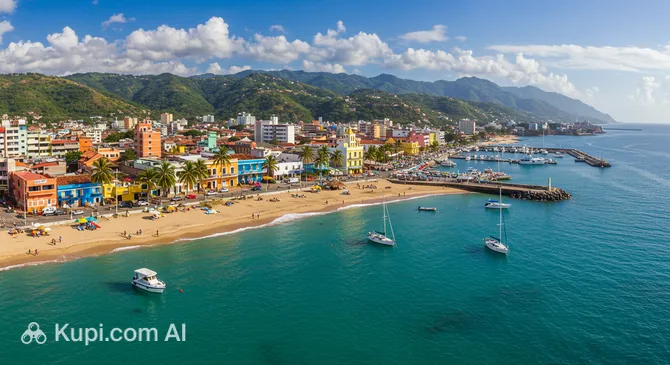
Puerto La Cruz. Illustration.
Source: Kupi.com AI

The atmosphere here is imbued with the spirit of freedom and Caribbean hospitality. Walking through the streets, you can see how modern blocks neighbor corners that preserve the memory of the past. The fascinating history of Puerto La Cruz has transformed once a modest fishing village into a thriving city that today attracts travelers from all over the world. The waterfront and central squares are always full of life: artists, musicians, and tourists gather here, creating a unique and bright local flavor.

Among the main points of attraction, the famous Paseo Colón waterfront is worth highlighting, where the city's symbol — the Cross — is installed. This is an ideal place for evening walks, dinners in cozy cafes, and watching magnificent sunsets. In addition, Puerto La Cruz serves as the main gateway to the magnificent Mochima National Park. From here, it is easy to reach paradise islands with white sand and crystal clear water by boat, making the city a true mecca for diving and beach holiday enthusiasts.

This city is a wonderful choice for those who want to combine comfortable beach relaxation with active entertainment and immersion in local culture. Come to Puerto La Cruz to enjoy the warm sea, the freshest seafood, and the endless Venezuelan summer.
Weather Overview

The climate of Puerto La Cruz can be described as typically tropical, with plenty of sun and warmth. Throughout the year, temperature indicators remain remarkably stable: average values vary from +24.9°C in January to +27.2°C in September. Even on the "coolest" nights, the air rarely cools below +22.7°C, and during the day, the thermometer confidently stays in the +27°C...+29°C range, so you're unlikely to need warm clothes.

Expect hot weather year-round with frequent rainfall in the summer and dry, sunny winter months. The most favorable period for a beach holiday is at the beginning of the year: from January to April, only 3 to 5 rainy days are recorded per month with a minimum level of precipitation. At this time, the sky remains clear and the sea calm.

With the arrival of June, the situation changes, and the rainy season begins, which lasts until November. During this period, especially in July and August, the number of days with precipitation can reach 22–24 per month, but rains often take the form of short-term tropical downpours, after which the sun quickly comes out. To choose the optimal dates for your trip and prepare for the whims of nature, we recommend checking the weather in Puerto La Cruz before booking your tickets.

Average monthly temperature

Average monthly precipitation

Interesting Facts

Beyond the popular beaches and busy streets, Puerto La Cruz holds many fascinating stories that reveal this Caribbean city from a completely new perspective. Here are some surprising facts to help you better understand the spirit of this place.

Paseo La Cruz y El Mar Beach. Illustration.
Source: Kupi.com AI

Traveler photos:

  • Pirate Heritage. Local legends say that the cozy bays around the city once served as a refuge for Caribbean pirates. There is a belief that descendants of these sea raiders can still be found in these waters today, and the city's oldest buildings still preserve the atmosphere of that adventurous colonial era.

  • From Fishing Village to Oil Giant. Puerto La Cruz was founded in the early 20th century and made a rapid leap in development. From a modest fishing village, it turned into a prosperous port city thanks to the discovery of oil fields in the region. However, the history of this land goes much deeper: archaeologists have found traces of ancient indigenous settlements here.

  • Carnival on the Waves. The city is famous for its grand celebrations that go beyond the shore. Every year, a unique boat parade is organized: dozens of vessels decorated with bright flowers and garlands pass along the coast to music, turning the sea into part of the carnival procession.

  • Inspiration for Art. The picturesque landscapes of the city, especially the area where Paseo La Cruz and El Mar Beach is located, have repeatedly served as settings for national films. The famous Paseo Colón waterfront, considered one of the longest and most beautiful in the country, has inspired many famous Venezuelan artists and musicians.

How to Get There

There are various ways to reach this lively resort city, but air travel remains the main mode of transport for tourists. As the city is an important tourist hub, the transport infrastructure here is quite well developed. You can find out more about how to get to Puerto La Cruz by studying all available routes and connection options.

Puerto La Cruz itself does not have its own airport, but the nearest air hub is located very close by, in a neighboring city. Most travelers arrive at General José Antonio Anzoátegui International Airport (IATA: BLA). It is located in the city of Barcelona, just 12 km from the center of Puerto La Cruz. This is the most convenient option: a taxi or transfer ride will take you about 40 minutes. The airport handles both domestic flights and some international ones, serving a significant flow of tourists every year.

For those flying from afar, the main gateway to the country is Simón Bolívar International Airport (IATA: CCS), located in the capital of Venezuela, Caracas. It is about 263 km from Puerto La Cruz. From Caracas, you can reach the coast via a domestic flight to Barcelona (flight time about 45 minutes) or use land transport. A car or bus trip will take about 6–7 hours, allowing you to enjoy the scenic views along the way.

For convenience, here is summary information on the main airports in the region:

AirportPassenger trafficDistance
General Jose Antonio Anzoategui International Airport1 mln12 km
Santiago Marino International Airport850 000107 km
Jose Tadeo Monagas International Airport110 000170 km
Simon Bolivar International Airport8.2 mln263 km
Manuel Carlos Piar Guayana Airport1 mln295 km

Rail travel in this region of Venezuela is practically not used for passenger transport, and there is no railway station in Puerto La Cruz. The main alternative to airplanes is intercity buses and cars. The city has a large bus terminal where comfortable buses arrive from Caracas and other major cities in the country. Traveling by bus is a budget-friendly way to reach the resort, allowing you to see the diversity of Venezuelan landscapes.

Main Attractions

Puerto La Cruz is a city where the rhythm of modern life intertwines with the relaxed atmosphere of the Caribbean coast. The main attractions here are related not so much to ancient architecture as to the sea, walks, and vibrant leisure activities. Travelers should pay attention to the iconic places that form the unique character of this resort.

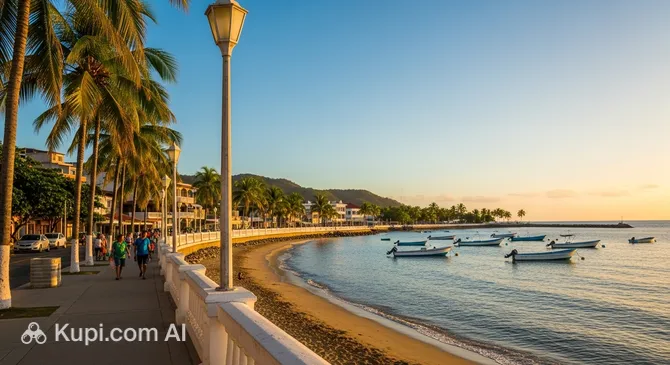
The heart of tourist life is rightfully considered to be Paseo La Cruz and El Mar Beach, more commonly known as Paseo Colón. This is not just a place for swimming, but a famous promenade that has become a symbol of the city. The wide embankment is decorated with the famous symbol — a massive Cross, which serves as a landmark for all guests. It is pleasant to stroll here at sunset, watching the boats and enjoying the sea breeze, and local artisans often display their unique souvenirs here.

Paseo La Cruz y El Mar Beach. Illustration.
Source: Kupi.com AI

Traveler photos:

Although Mochima National Park technically extends beyond the city limits, it cannot be separated from Puerto La Cruz. The city serves as the main sea gateway to this nature reserve. It is from the city's piers that boats depart for paradise islands with white sand and crystal clear water. This is a key natural attraction of the region, for which many people come to Venezuela.

For those who want to dive into the city's social life, an iconic spot is El Toque. This is a popular location reflecting the Venezuelan love for celebrations and music. Here you can feel the real Caribbean temperament and the energy of the city's nightlife, making it an important point on the resort's entertainment map.

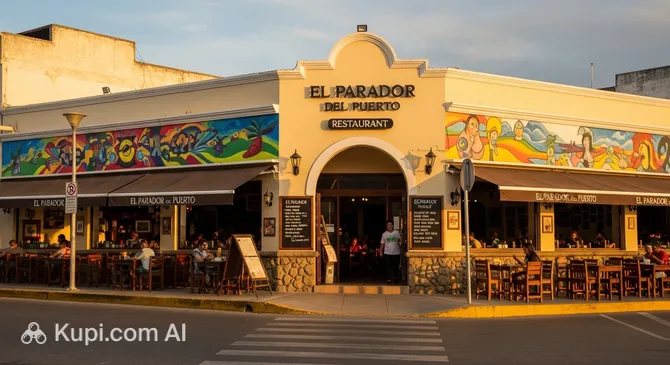
The city's gastronomic map is also an attraction in its own right. For example, Il Pomodoro Restaurant attracts tourists not only with its cuisine but also with its atmosphere, becoming one of the recognizable establishments in Puerto La Cruz. And for those looking for authentic flavor and beautiful views during dinner, it is worth visiting El Parador del Puerto — a place where traditions of hospitality combine with picturesque panoramas of the port.

Local Cuisine

The gastronomic map of Puerto La Cruz is a true paradise for gourmets, where Caribbean traditions intertwine with the bounty of the sea. Thanks to its coastal location, the basis of the local menu is the freshest seafood. You must try the fish caught right offshore and masterfully prepared on the grill or in fragrant sauces. Delicacy lovers will appreciate the variety of dishes made with shrimp, mussels, and octopus, which are served in simple beach cafes and the city's best establishments alike.

Among the traditional dishes without which a visit to Venezuela is impossible, a special place is held by "pabellón criollo." This is a hearty and colorful combination of shredded beef, black beans, white rice, and sweet fried plantains. No less popular is street food based on corn flour: the famous arepas and empanadas. They are served with various fillings — from gooey cheese to juicy ground meat or seafood. You can also find crispy snacks like chicharrones and tostones (fried green plantains) at the markets.

El Parador del Puerto. Illustration.
Source: Kupi.com AI

Traveler photos:

To freshen up under the hot tropical sun, locals and tourists choose freshly squeezed juices from exotic fruits, which are available here year-round. In the evening, the gastronomic picture is complemented by stronger drinks: local beer and, of course, the legendary Venezuelan rum, considered one of the best in the world. The city regularly hosts gastronomic festivals where you can immerse yourself in the regional culinary culture.

The food culture in Puerto La Cruz is diverse: from quick snacks at busy markets to leisurely dinners with a sunset view. If you are looking for a place with an authentic atmosphere, you should visit El Parador del Puerto, where traditions of hospitality are combined with excellent cuisine. And for lovers of classic restaurant service and exquisite dishes, Il Pomodoro Restaurant, popular among both locals and travelers, is an excellent choice.

Travel Tips

Puerto La Cruz is the sunny gateway to a Caribbean paradise, but like any Latin American city, there are nuances to be aware of beforehand. To make your trip as comfortable and carefree as possible, we have prepared a list of proven recommendations that will help you feel confident in Venezuela.

  1. Clothing and sun protection. The climate here is hot and humid year-round, so the base of your wardrobe should be light items made from natural fabrics (cotton, linen). Be sure to bring a hat, high-quality sunglasses, and a cream with a high SPF — the tropical sun is very active. For evening promenades along the waterfront, comfortable shoes will come in handy, but you will hardly need warm clothes, except perhaps a light windbreaker for boat trips.
  2. Transport and getting around. The safest and most convenient option for a tourist is to use official taxis or mobile apps such as Yummy Rides or Ridery (local analogues of Uber). Public transport ("por puestos") is very cheap but often crowded and chaotic for a newcomer. Renting a car is only worth it for experienced drivers, as the local driving style is quite aggressive and rules are not always followed.
  3. Currency issues. Although the official currency is the bolivar, de facto the main means of payment is cash US dollars. Bring small bills (1, 5, 10, 20) with you, as it is extremely difficult to find change for large banknotes. Cards are accepted in large supermarkets and hotels, but terminals can work intermittently. Tips (about 10%) are welcome but often already included in the bill as "servicio."
  4. Safety and health. Drink only bottled water and avoid ice in drinks at street stalls. From a personal safety perspective: do not show expensive smartphones, cameras, and jewelry on the street. After dark, it is better to stay in busy tourist areas (for example, on Paseo Colón) and not walk in remote areas on foot.
  5. Communication and language. The main language of communication is Spanish; English is not spoken everywhere, so download an offline translator. For stable communication, it is better to immediately purchase a local SIM card from Digitel or Movistar operators (a passport will be required). Wi-Fi is available in many hotels and cafes, but the speed can be unstable.
  6. Local etiquette. Venezuelans are open and emotional people. When entering a shop, elevator, or taxi, it is customary to say hello: say "Buenos días" (good morning) or simply "Buenas." Don't be surprised if locals address you as "amigo" (friend) or "mi amor" (my love) — this is a common form of politeness and friendliness, not over-familiarity.
  7. What to avoid. It is strongly recommended not to exchange currency with street money changers — there is a high risk of fraud. Also, try to avoid discussing political topics and criticizing local orders in conversations with people you don't know well; better to focus on discussing the beauty of nature, food, and music.
  8. Important life hack. Sometimes power outages occur in the region. Be sure to bring a powerful power bank (portable charger) with you to always stay connected and be able to charge your gadgets in any situation.

Puerto La Cruz is a city that knows how to enchant with its energy and sea landscapes. By following these simple practical tips, you can avoid minor troubles and fully devote yourself to relaxation, enjoying the warm sea, delicious seafood, and the sincere hospitality of the locals.

Entertainment & Nightlife

Развлечения:

Puerto La Cruz is famous for its bubbling energy and vibrant nightlife, which attracts tourists no less than its beaches. When the sun goes down, the city is transformed: the music gets louder, and the streets fill with people wanting to relax and have fun. The epicenter of evening entertainment is traditionally the Paseo Colón waterfront, where many open-air bars, discos, and cafes are concentrated.

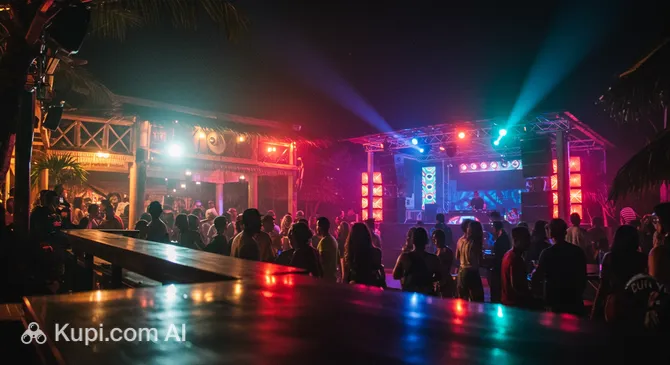
Fans of dancing and loud parties should check out the El Toque nightclub. This venue is very popular with both locals and visitors thanks to its fiery atmosphere and modern musical rhythms. Here you can feel the true spirit of Caribbean fun, which Venezuelans call "rumba."

El Toque. Illustration.
Source: Kupi.com AI

Traveler photos:

During the day, entertainment in the city is closely linked to the sea. Tourists are offered a wide choice of activities: from jet skiing to organized deep-sea fishing. Since the city serves as a gateway to the national park, it's easy to go on a boat trip for snorkeling or diving to explore the rich underwater world of the Caribbean Sea.

For those who prefer a more relaxed holiday, a gastronomic evening is a great option. There are many places in the city where you can enjoy dinner at your leisure. For example, Il Pomodoro Restaurant is known for its cozy atmosphere and delicious food, making it a wonderful place to end a busy day with family or friends.

City festivals hold a special place in the entertainment calendar. If your trip falls in February or March, you may witness the grand Carnival. During these days, the streets of Puerto La Cruz fill with colorful processions, costume parades, and music, turning the whole city into one big stage.

Parks & Museums

Although Puerto La Cruz is known primarily as a beach resort and transport hub, there are green oases and cultural spaces in and around the city that deserve travelers' attention. Here you can take a break from the hot sun in the shade of trees or get to know the unique artistic heritage of the region.

The main "green heart" of the city is considered to be Andrés Eloy Blanco Park (Parque Andrés Eloy Blanco). This is a vast urban recreational area, popular among locals for morning jogs, family picnics, and leisurely walks. The park attracts with its dense tropical vegetation, which creates a saving coolness even at noon, and well-maintained paths. For tourists, this is a great opportunity to see the daily life of citizens and enjoy the silence away from busy shopping streets.

Another key walking area that combines the functions of a park and a promenade is the famous Paseo La Cruz and El Mar Beach (often called Paseo Colón). This is not just a place for swimming, but a long boulevard with palm alleys where the social life of the resort is concentrated. It's pleasant to stroll here at sunset, enjoying the sea breeze and views of the bay.

Paseo La Cruz y El Mar Beach. Illustration.
Source: Kupi.com AI

Traveler photos:

Speaking of natural areas, the proximity to Mochima National Park cannot be left unmentioned. Although it is a large-scale reserve extending beyond the city, it is the waters near Puerto La Cruz that serve as the gateway to this world of coral reefs, mangroves, and islands. This is the main natural attraction of the region, a must-visit for ecotourism enthusiasts.

Culturally, the real gem of the city is the Dimitrius Demu Museum (Museo Dimitrius Demu). This unique space is dedicated to the work of the famous sculptor of Romanian origin, who lived and worked in Venezuela for a long time. The museum is easy to recognize by its unusual architecture with a futuristic dome resembling a flying saucer. Inside is an impressive collection of avant-garde sculptures, many of which move or glow, as well as the famous work "The Eye of God."

Art lovers should also pay attention to the open-air sculptures located along the waterfront and main squares. The city itself resembles a gallery: here you can find monuments dedicated to maritime themes and historical figures, including the famous symbol of the city — the Cross on Paseo Colón. These objects fit harmoniously into the urban landscape and tell the story of the port's development.

For those looking for non-standard experiences, we advise you to look into the small art studios of local artisans, which are often located on the streets adjacent to the waterfront. There you can not only see the process of creating traditional souvenirs but also chat with the masters, learning more about the cultural traditions of eastern Venezuela.

Getting Around

The public transport system in Puerto La Cruz has its own unique features, typical of many cities in Venezuela. Here you will not find a metro system or tram lines; the main burden of passenger transport falls on various types of buses and cars. For a tourist, the transport network may seem a bit chaotic, but once you understand its types, you will be able to move quite freely around the city and its surroundings.

The most popular and colorful type of transport is "por puestos." These are old American sedans or minibuses that run on fixed routes but depart only when the interior is completely filled with passengers. They work on the principle of a shared taxi: you can stop them with a wave of your hand anywhere along the route and ask to stop where you need. Key points of the route are usually indicated on the windshield, so look carefully at the signs or ask the driver.

A more modern and organized option is the BTR (Bus de Tránsito Rápido) system, known as "Cacique Cayaurima." These are large red articulated buses that move in dedicated lanes and connect Puerto La Cruz with neighboring cities such as Barcelona and Guanta. This system has fixed stops and stations, making it more predictable and convenient for tourists wanting to reach remote areas of the metropolitan area.

Fares are in most cases paid in cash directly to the driver upon entering or exiting. On state BTR buses, a special rechargeable card may be required, however, it can be difficult for tourists to purchase one for just a few trips, so locals often help pay the fare with their card in exchange for cash. Fares are very low, but prices may change due to inflation. It is recommended to always carry small bills (bolivars or small dollars), as drivers often do not have change.

For comfortable and safe travel, tourists are strongly recommended to use taxis. There are official taxi stands ("líneas de taxi") in the city, located near shopping centers and major hotels. Cars caught just on the street may be less safe. Recently, mobile taxi-hailing apps (local analogues of Uber) have begun to gain popularity in the region, such as Yummy Rides or Ridery, which allow you to see a fixed price and pay for the trip by card or online, eliminating the need to haggle.

Since Puerto La Cruz is a port city, water transport is an important part of the transport system. Ferries from Conferry and Naviarca depart from the terminal to Margarita Island. It is better to purchase ferry tickets in advance at the terminal ticket offices or online, as demand for them is high. Also, small boats ("lanchas") run from the Paseo Colón waterfront, serving as water taxis and taking holidaymakers to the beaches of the Mochima National Park islands.

If you plan to move around independently, car rental is possible, but requires certain driving skills in local traffic conditions, which can be quite aggressive and unpredictable. Bicycle rental is poorly developed in the city and is used mainly for entertainment on the waterfront, rather than as full-fledged transport. The main tip for a tourist: for short distances in the center, it's better to walk, and for trips around the city in the evening, always choose an official taxi.

Accommodation

The choice of accommodation in Puerto La Cruz is quite wide and can satisfy the needs of travelers with different budgets. The city's infrastructure offers a range of options: from economical "posadas" (small family guesthouses) to comfortable mid-range hotels and resort complexes with a full range of services. Whether you are looking for a simple place to spend the night before heading to the islands or a hotel with a pool for a long stay, there is a suitable solution.

When choosing an area to stay, most tourists focus on proximity to the sea and transport hubs. The most popular zone remains the vicinity of the Paseo Colón waterfront. Hotels here are convenient because they are within walking distance of the piers where boats depart for Mochima National Park, as well as being close to restaurants and nightlife. For those looking for a more peaceful and respectable atmosphere, the area of the El Morro tourist complex and the neighboring city of Lechería, which has effectively merged with Puerto La Cruz, is an excellent choice. More modern hotels and high-end apartments are located there.

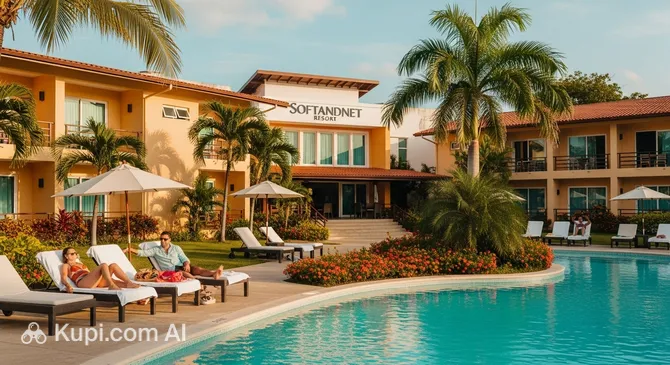
Among the available accommodation options, the Softandnet Resort is worth noting. This place is suitable for those who value comfort and the availability of their own infrastructure for relaxation.

Softandnet Resort. Illustration.
Source: Kupi.com AI

Traveler photos:

The price range in the city varies from budget to high. Inexpensive guesthouses offer basic amenities at affordable prices, while large hotels can boast swimming pools, restaurants, and secure grounds. It is worth keeping in mind that in Venezuela, "star" classifications may differ slightly from European standards, so it is useful to read recent reviews before booking.

As for booking, there are some nuances. During high season, especially during Carnival (February-March), Easter Week (Semana Santa), and Christmas holidays, the demand for accommodation increases sharply, so it's worth looking for options several weeks or better months in advance. Large hotels can be booked through international online platforms, but for small posadas, it is often more effective to contact them directly via social networks or messaging apps (WhatsApp), which is a common practice in the region.

Nearby Cities

For those who want to explore the surrounding area, Puerto La Cruz serves as an excellent starting point for day trips to several interesting nearby places. The city's convenient location makes it easy to reach historical centers and natural attractions that will reveal the richness of Venezuelan culture to you.

CityPopulationDistance
Guanta30 8916 km
Lecherias36 4506 km
Barcelona448 0168 km
Puerto Píritu25 98147 km
Cumana374 70656 km

Just a few minutes' drive away is Barcelona — the capital of Anzoátegui State. This city, which has almost merged with Puerto La Cruz, is interesting for its colonial center. Here you should visit the Cathedral and the historical monument Casa Fuerte, which played an important role in the Venezuelan War of Independence. A walk through the old streets of Barcelona will be a great contrast to a beach holiday.

A little further east is Cumaná, the capital of the neighboring Sucre State. It is one of the oldest cities in South America founded by Europeans on the mainland. Cumaná attracts history lovers with the impressive Castillo de San Antonio de la Eminencia, which offers panoramic views of the city and the bay. A trip here will allow you to touch the roots of the region's colonial era.

These nearby destinations provide an insight into the diverse culture and landscapes of the region, making your trip even more rich and memorable.

Shopping & Souvenirs

Shopping in Puerto La Cruz is an exciting activity that allows you not only to purchase necessary goods but also to touch the local culture. The city is an important trade hub for Anzoátegui State, so modern shopping centers and colorful street markets, where the atmosphere of a real Caribbean bazaar reigns, harmoniously coexist here.

One of the main points of attraction for tourists wanting to buy souvenirs is the promenade along Paseo La Cruz and El Mar Beach. Every evening, this promenade turns into an open-air fair. Local artisans exhibit their work here: jewelry made of shells and corals, leather goods, woven bags, and the famous Venezuelan hammocks. You can also meet pearl traders here, who bring them from the neighboring island of Margarita — the prices are often lower than in jewelry stores.

For fans of comfortable shopping, large malls operate in the city and nearby suburbs. Special attention should be paid to the Plaza Mayor shopping center, located at the junction of Puerto La Cruz and Lechería. This is not just a shop, but an architectural landmark with canals and bridges where you can combine shopping with a walk. Also popular are Caribbean Mall and Centro Comercial Regina, where boutiques of international brands, electronics stores, and food court areas are presented.

What should you bring back from a trip to Venezuela? First of all, of course, it is rum — local varieties are considered some of the best in the world and make a great gift. Those with a sweet tooth should pay attention to high-quality chocolate and cocoa. Local coffee is also popular. When shopping on the street or at markets, don't be afraid to haggle — it's part of the local culture, and it's better to have small cash dollars with you for payment.

Reached the end of the page?

That means the route is fully explored