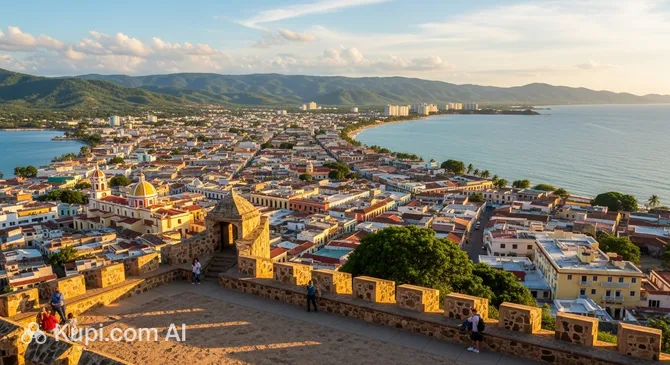
Shopping in Cumaná is more of an immersion into the local flavor and everyday life of Venezuelans than a pursuit of global brands. The city does not claim to be a fashion capital, but you can find everything necessary for a comfortable stay here, as well as purchase unique works from local craftsmen. The commercial sphere here is a colorful mix of modern air-conditioned centers, busy shopping streets, and traditional markets where the atmosphere of the true Latin American south reigns.
The heart of the city's commercial life is Bermúdez Avenue (Avenida Bermúdez). This is a lively and noisy artery where life bustles from early morning. Shops selling clothes, shoes, electronics, and household goods are tightly packed along the street. Here you can find both inexpensive goods of local and Chinese production and higher-quality items. A walk through this area will allow you to feel the real rhythm of the city but requires attentiveness due to the large number of people.
For more comfortable and relaxed shopping, it's worth heading to shopping centers. The most popular and pleasant place for tourists is C.C. Marina Plaza. This is an open-type complex located by the sea, where shops sit alongside cafes and relaxation areas. Here you can buy beachwear, accessories, and souvenirs while enjoying the sea breeze. Another important point is C.C. Hipergalerías (often called Traki by locals)—a modern mall with air conditioning, a food court, and a large department store featuring a wide range of clothing and home goods.
To understand the gastronomic culture of the region, be sure to visit the Cumaná Municipal Market (Mercado Municipal). This place is an explosion of colors and smells. People come here for the freshest seafood, tropical fruits, vegetables, and spices. The market is interesting not only for food but also for rows of handicrafts, where you can find woven baskets and hats. Be prepared for it to be noisy and crowded, but it's the best opportunity to see the authentic life of the Sucre state capital.
As souvenirs from Cumaná and Sucre state, tourists most often bring gastronomic gifts. The region is famous for its high-quality cocoa and chocolate, as the famous plantations of the Paria Peninsula are nearby. Also, a bottle of good Venezuelan rum makes an excellent gift. Pay attention to the work of local craftsmen: traditional hammocks ("chinchorros"), woven sandals, and jewelry made of shells and pearls, reminiscent of the proximity of the Caribbean Sea, are popular.
Most shops in the city open around 9:00 AM and work until 6:00 PM – 7:00 PM. Large shopping centers may be open until 8:00 PM or 9:00 PM. It's worth considering that small private shops often close for a lunch break (siesta) from 12:00 PM to 2:00 PM. The main method of payment for tourists is cash US dollars. It is advisable to have small bills (1, 5, 10, 20) with you, as change from large banknotes is a rare phenomenon. Payment with international cards is possible in large supermarkets and hotels, but terminals can work intermittently, so cash remains the most reliable option.
The Tax Free system (VAT refund) in Cumaná, as in most of the mainland territory of the country, is not applied to tourists. Unlike neighboring Margarita Island, which is a duty-free zone (Puerto Libre), regular tax rules apply here, so you should not count on a VAT refund upon departure.