Support

Puerto Cabello

About

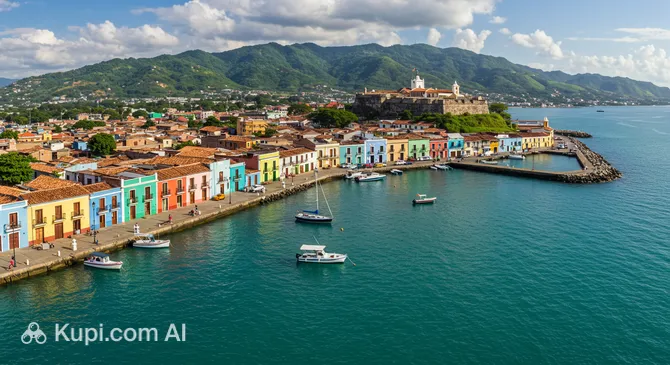
Puerto Cabello is a picturesque gem on the northern coast, nestled comfortably on the shores of the Gulf of Triste. Located just 30 kilometers from Valencia, this city serves as an important maritime gateway for the colorful country of Venezuela. Its geographical position is truly unique: the vast expanse of the Caribbean Sea meets lush green hills, and the city itself is filled with the freshness of the ocean breeze.

Puerto Cabello. Illustration.
Source: Kupi.com AI

With a population of approximately 209,000 people, Puerto Cabello combines the dynamics of a major transport hub with the coziness of a coastal resort. While it houses a modern port, the atmosphere remains surprisingly relaxed and friendly. The rich history of Puerto Cabello has left the city an impressive heritage: ancient forts and colonial architecture harmoniously coexist with a vibrant port life, where fishing and the cocoa trade still flourish.

This place is perfect for those seeking authentic experiences. Travelers can look forward to leisurely strolls along the embankment, magnificent beaches, and colorful local markets. Puerto Cabello invites you to dive into the real life of the region, enjoy the seascapes, and feel the warm hospitality of the locals.

Weather Overview

The weather in Puerto Cabello is remarkably stable with a mild tropical character, making the city attractive to visit almost year-round. The average temperature changes slightly from +23.5 °C in January to +26.0 °C in September. There are no sharp temperature fluctuations: nights remain comfortable (around +21...+23 °C), and daytime heat rarely exceeds +29 °C.

Precipitation is distributed unevenly throughout the year, clearly defining drier and wetter periods. From January to March, rain is least frequent, and precipitation levels are minimal (about 2 mm), creating ideal conditions for a beach holiday. Starting in April, the number of wet days gradually increases, reaching its peak in the summer months when it can rain up to 28 days a month. Expect consistently warm weather throughout the year with a dry start to the season and frequent refreshing rains from May to November. For more precise trip planning, we recommend checking the detailed monthly weather in Puerto Cabello.

Average monthly temperature

Average monthly precipitation

Interesting Facts

Beyond its main attractions, Puerto Cabello holds many fascinating secrets and historical mysteries that reveal themselves only to the most curious travelers. This city, steeped in the spirit of maritime adventure, can surprise even regional experts with the following facts:

  • The Legend of the Name. There is a popular legend explaining the city's unusual name ("Port of the Hair"). It is said that the waters in the local harbor were so calm and protected from winds that a ship could be securely moored to the pier using only a single thin human hair ("cabello" in Spanish).

  • The Last Guardian of the Empire. Perched on a hill, Fortín Solano is considered the last military fortification built by the Spanish on Venezuelan territory during the colonial era. It was constructed in 1766 to protect the trading port from increasingly frequent attacks by pirates and enemy fleets.

  • A Unique Bridge. A rare architectural element has been preserved in the historic center—the colonial bridge (Puente colonial entre casas), which connects two ancient buildings directly over the street. This structure gives the Lanceros quarter a special charm and is a favorite subject for photographers, reminiscent of medieval European urban design.

  • A Fortress with a Dual History. The powerful San Felipe Fortress, also known as Castillo Libertador, has served over the centuries not only as a defense against privateers but also as a prison. Famous political figures were held in its dungeons at various points in history, and its massive walls are still shrouded in legends of hidden pirate treasure.

Fortín Solano. Illustration.
Source: Kupi.com AI

Traveler photos:

How to Get There

Puerto Cabello is a major seaport, but it does not have its own civilian airport for regular passenger flights within the city. Travelers typically fly into nearby major cities and then continue their journey by car or bus. You can find more details on how to get to Puerto Cabello by exploring all available routes, but the primary method remains flying to Valencia or Caracas followed by a transfer.

The most convenient option is arriving at Arturo Michelena International Airport (VLN). It is located in the neighboring city of Valencia, about 37 km from the coast. This is a major regional hub that handles both domestic and some international flights. A taxi ride from here will take about 40–50 minutes, depending on traffic on the road descending to the sea.

For most international tourists, the main point of entry into the country is Simón Bolívar International Airport (CCS), also known as Maiquetía. It serves the capital, Caracas, and is located about 114 km from Puerto Cabello. This is Venezuela's largest aviation hub with the highest passenger traffic. The journey by car or bus from Caracas airport to Puerto Cabello takes approximately 2.5–3 hours.

For clarity, here is a summary of the main airports:

AirportPassenger trafficDistance
Arturo Michelena International Airport1.2 mln37 km
Simon Bolivar International Airport8.2 mln114 km
Barquisimeto Airport150 000153 km
Flamingo International Airport447 000186 km
Curacao International Airport2.1 mln216 km

Rail service in this region is practically not used by tourists for passenger travel, so the main land transport remains intercity buses and taxis. The highway connecting Valencia and Puerto Cabello is quite scenic as it passes through the coastal mountain range.

Main Attractions

The main attractions of Puerto Cabello harmoniously blend a rich colonial heritage with the natural beauty of the Caribbean coast. Having served as an important seaport for centuries, the city has preserved unique architectural monuments that sit alongside picturesque beaches, creating the perfect conditions for a rewarding vacation.

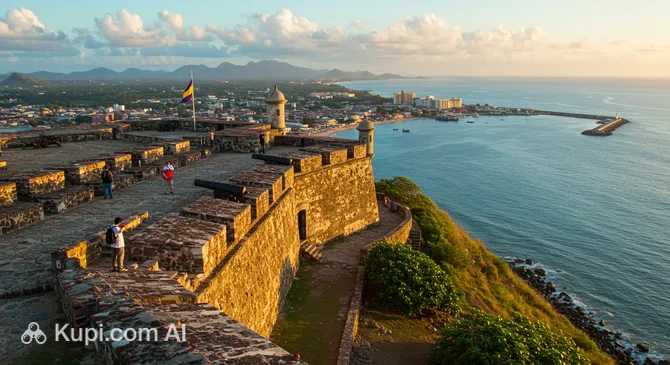
One of the city's hallmarks is the majestic Fortín Solano. Built in 1766 by order of the Spanish crown, this fortress is located on a hill overlooking the city. It is the last military fortification built by the Spaniards in Venezuela. Tourists climb up here not only for a touch of history but also for the stunning panoramic views of the bay, the port, and San Esteban National Park. The fort's walls are perfectly preserved, and the atmosphere of the place transports visitors back to the era of privateers and naval battles.

Fortín Solano. Illustration.
Source: Kupi.com AI

Traveler photos:

For those who prefer a relaxed holiday by the sea, Playa Sonrisa is a true oasis. This is the most popular city beach, located in close proximity to the center. It is famous for its soft sand and calm waters, protected by breakwaters, making it safe even for children. The infrastructure is well-developed here: there are canopies, showers, and cafes where you can taste fresh seafood without straying far from the surf.

No visit to Puerto Cabello is complete without a walk through the historic center and the famous Calle de los Lanceros. This narrow cobbled street, lined with colorful colonial houses, is considered one of the most picturesque in the country. Its main feature is a unique bridge connecting the balconies of two buildings above the heads of passers-by. A stroll here is a journey through time, allowing you to feel the spirit of old Venezuela and take incredibly atmospheric photos.

Another significant historical site is Castillo San Felipe (also known as Libertador Castle). This powerful star-shaped fortress, built in the first half of the 18th century to protect the port from pirates, holds many secrets. While access to the interior may be limited, its massive walls, visible from the promenade and the sea, remain an impressive reminder of the city's strategic importance in past centuries.

Local Cuisine

The gastronomy of Puerto Cabello is a vivid reflection of its coastal location, a true feast for lovers of seafood and authentic Venezuelan cuisine. The foundation of the local menu is fresh seafood that reaches the table literally from the fishing boats. You must try the local variation of ceviche—fish or seafood marinated in lime juice with onions, cilantro, and hot peppers. This dish is prepared here with special skill, maintaining a perfect balance of acidity and spice.

For a quick and satisfying snack, traditional corn cakes are ideal. The famous arepas are served here with a wide variety of fillings, from shredded beef and smoked cheese to exquisite seafood cocktails. On the beach or while strolling along the promenade, empanadas—fried cornmeal pies often filled with fish or shrimp in Puerto Cabello—are particularly popular. They are the perfect accompaniment to a hot day by the sea.

The dining culture in the city is diverse, from street stalls to cozy establishments. To get acquainted with local culinary traditions in a comfortable setting, you can visit the restaurant El Toneco, which offers guests a wide selection of national dishes. Locals also enjoy visiting markets where food festivals dedicated to fish and seafood are often held. There, you can not only eat but also see masterclasses on preparing local treats.

As for drinks, in Puerto Cabello's hot climate, chicha is incredibly refreshing—a thick and sweet rice-based drink with milk and cinnamon sold everywhere. For dessert, look for quesillo, a delicate Venezuelan version of caramel pudding similar to flan. Those who prefer stronger drinks should look out for the famous Venezuelan rum, considered one of the best in the world, or order a cold local beer, which pairs perfectly with salty seaside snacks.

Travel Tips

A trip to Puerto Cabello promises to be vibrant and memorable, but like any journey in this region, it has its nuances. To ensure your holiday on the Caribbean coast is as comfortable and carefree as possible, we have prepared a list of useful practical recommendations tailored to the local environment.

  1. Clothing and Essentials. Given the hot tropical climate, choose light clothing made of natural fabrics (cotton, linen). For walking on the cobblestones of the historic center, especially on Calle de los Lanceros, comfortable shoes without heels are a must. Don't forget high-SPF sunscreen, a hat, and insect repellent for the evening. The city's dress code is casual, but swimsuits should only be worn on the beach.

  2. Transport. Public transport (busetas) is colorful but not always convenient for tourists with luggage. The most reliable option is official taxis, which are best ordered through a hotel or restaurant. Apps like Uber may not be available or stable, so always agree on the fare with the driver before getting in, as meters are rarely used.

  3. Finances. While the official currency is the bolivar, the de facto primary means of payment is cash US dollars. Be sure to have a supply of small bills (1, 5, 10, 20), as finding change for large banknotes can be difficult. Bank cards are not accepted everywhere, and international transactions may fail, so cash is your best friend.

  4. Health and Safety. Drink only bottled water and avoid ice in drinks from street vendors. In terms of safety, stick to tourist zones (the Malecón promenade, the historic center) and do not walk alone in unlit areas at night. There are pharmacies in the city, but it's better to bring a basic set of medicines with you.

  5. Communication. The primary language is Spanish; English is not widely understood. Download an offline translator and learn basic polite phrases. For internet, it is better to buy a local SIM card (Movistar or Digitel) at official service centers, as hotel Wi-Fi can be slow.

  6. Local Etiquette. People in Venezuela are very open and value politeness. It is customary to say hello ("Buenos días" or "Buenas tardes") when entering a shop, taxi, or elevator. The local pace of life is relaxed, so try not to show impatience or irritation if service in a restaurant takes a little longer than you're used to.

  7. What to Avoid. Refrain from discussing politics with strangers—it's a sensitive topic. Also, it is strictly recommended not to photograph police, military, or strategic objects (including port facilities and checkpoints) to avoid unpleasant interactions with security services.

  8. Extra Tip. Occasional power outages can occur in the region, so always carry a charged power bank. This simple device will save you if your phone dies at an inconvenient moment when you need to call a taxi or check a map.

Puerto Cabello is a city with a warm heart and an open soul, ready to give you plenty of memories. By following these simple tips, you can avoid minor organizational hassles and fully focus on the beauty of the Caribbean sunsets and the hospitality of the locals.

Entertainment & Nightlife

Nightlife in Puerto Cabello has its own unique Caribbean rhythm—relaxed, musical, and inextricably linked to the sea. You won't find massive metropolis-style raves here, but you can immerse yourself in an atmosphere of genuine fun, where locals gather to dance, socialize, and enjoy the cool air after a hot day.

The center of attraction in the evening is traditionally the city promenade—the Malecón. As the sun sets, the area comes to life: lights turn on, the sounds of salsa, merengue, and reggaeton drift from open bar doors, and street vendors offer snacks. It's the perfect place to start the evening—stroll along the sea, feel the breeze, and choose a spot that suits your mood. The crowd here is diverse, ranging from families with children to lively groups of young people.

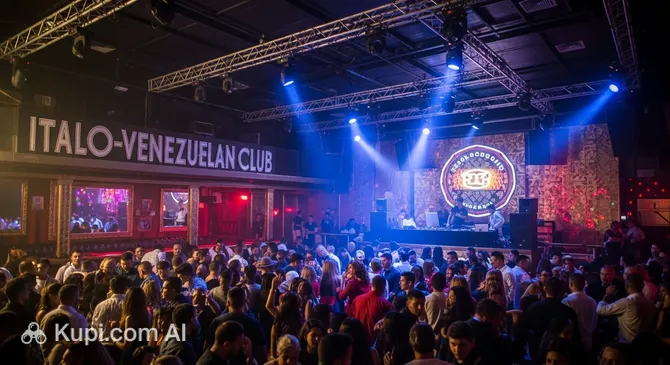
If you're looking for more organized leisure and social life, the Italo-Venezuelan Club is worth a visit. Such social clubs in Venezuela often serve as hubs for the city's cultural and entertainment life. They host themed parties, concerts, and festive events, bringing together locals and visitors in a safe and comfortable environment.

Italo-Venezuelan Club. Illustration.
Source: Kupi.com AI

Traveler photos:

For those who prefer to combine dinner with a pleasant evening atmosphere, the restaurant El Paraíso Porteño is an excellent choice. This establishment allows you to enjoy local cuisine in a more tranquil setting that can become more animated as the night progresses. It's common to take your time here: dinner smoothly transitions into cocktails and long conversations accompanied by music.

Practical Tips and Dress Code:

Puerto Cabello's nightlife venues have a casual atmosphere. Most bars don't have a strict dress code, but "smart casual" is appropriate everywhere: light trousers or jeans with a shirt for men, and cocktail dresses for women. The busiest times are Friday and Saturday, starting from 9:00 PM until 2:00 or 3:00 AM. Prices in bars and clubs are generally very affordable by international standards.

Safety and Transport:

Despite the relaxed atmosphere, tourists should remain cautious. For nighttime travel, it is strongly recommended to use only official taxis, which are best called through your hotel or restaurant. Avoid walking outside the well-lit tourist areas of the Malecón and the historic center. It is safest to spend time in crowded places and avoid displaying valuables.

During the day, the city's entertainment program is more cultural. Be sure to visit the majestic Municipal Theater (Teatro Municipal), an architectural jewel of the city that hosts plays and concerts. History buffs can visit local museums detailing the region's maritime past or simply enjoy the colonial-era architecture in the daylight.

Parks & Museums

The cultural and natural landscape of Puerto Cabello extends far beyond its port industry. The city and its surroundings offer travelers a wonderful blend of tropical natural areas and historical monuments that allow for a deep dive into the region's colonial past and the beauty of the Caribbean coast.

The region's main natural treasure is undoubtedly the San Esteban National Park (Parque Nacional San Esteban). This vast protected area starts almost at the city limits and extends deep into the mountain range and out to the sea. The park is unique in its diversity: here you can find wet tropical forests, mangroves, and coral reefs. Isla Larga, part of the park, is particularly popular. It is an ideal spot for snorkeling among sunken ships and colorful fish, reachable by boat in just 15–20 minutes.

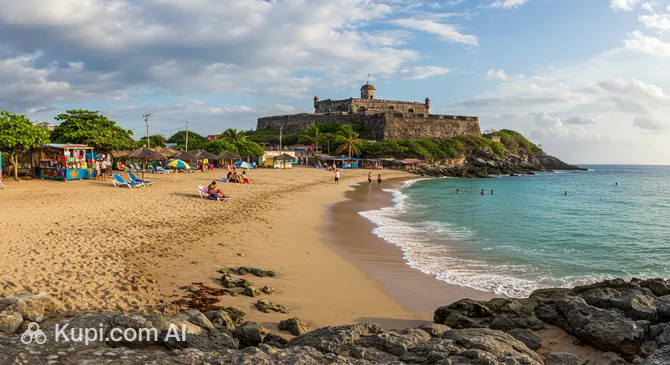
Within the city, the main spot for seaside relaxation is Playa Sonrisa. Although technically a beach, its amenities, shady palms, and walking paths make it feel like a full-fledged recreational zone. People come here not just for swimming but also for picnics, sunset walks, or simply to escape the city bustle while enjoying views of the calm sea.

Playa Sonrisa. Illustration.
Source: Kupi.com AI

Traveler photos:

Speaking of museums and history, one cannot overlook the famous Fortín Solano. This well-preserved 18th-century fort functions as an open-air museum. Visitors can explore ancient bastions, artillery pieces, and barracks, learning about Venezuela's military history and the era of pirate battles. Additionally, the fort's location on a high hill makes it the city's best observation deck.

Another important cultural site is the Guipuzcoana House (Casa Guipuzcoana). This magnificent colonial building, constructed in 1730, once served as the headquarters of a powerful trading company. Today, it houses a public library and cultural center where you can admire traditional architecture with a central courtyard and wooden balconies, and learn more about the port's commercial past.

For those seeking hidden gems, we suggest heading further east to Patanemo Bay (Bahía de Patanemo). This spot is less known to mass tourism than the city beaches but impresses with its wild beauty and tranquility, surrounded by mountains and coconut groves—a true paradise for nature lovers.

Getting Around

The public transport system in Puerto Cabello is quite simple and traditional. You won't find a metro, trams, or a complex network of city trains here. The main burden of passenger transport falls on buses and shared taxis, which locals call "busetas" or "por puestos". These are small minibuses or old American vans that ply the city's main streets, connecting the center with outlying districts and beaches.

For tourists, taxis are often the most relevant mode of transport. This is the safest and most comfortable way to get around, especially in the evening or when carrying luggage. Both official taxi services and private drivers operate in the city. Ride-hailing apps (like Uber) may not be available or work inconsistently here, so cars are most often ordered through the hotel reception or caught at designated spots (paradas de taxi) near shopping centers and the bus station.

Fare payment in public transport is done exclusively in cash. In buses and minibuses, the money is handed to the driver or conductor upon entry. Fares are fixed and very low, but you will need local bolivares, preferably in small bills. There are no validators, transport cards, or options to pay by bank card or phone on city buses. Taxis also prefer cash (bolivares or US dollars), and the price of the trip must be negotiated strictly before getting into the car, as meters are rarely used.

Public transport operating hours have their own quirks. Buses and minibuses start running early in the morning, but their activity noticeably decreases after 6:00–7:00 PM. At night, public transport is practically non-existent, so the only alternative is a taxi. Tourists are advised to plan their movements during daylight hours.

As an alternative for short distances, especially in the historic center and the Malecón promenade area, walking is best. The city center is compact, and many attractions are within walking distance of each other. Car rental is possible but not always practical due to local traffic conditions and the shortage of parking spaces in the old part of town. Bicycle rental and car-sharing have not yet become widespread in Puerto Cabello.

Accommodation

Accommodation options in Puerto Cabello mainly consist of small city hotels and traditional Venezuelan "posadas"—cozy guesthouses often run by families. There are almost no large international resort chains or luxury five-star "all-inclusive" complexes here. The lodging options are geared more towards domestic tourists and business travelers visiting the port; however, finding a comfortable place to stay with air conditioning and basic amenities is quite easy.

When choosing an area to stay, you should consider the purpose of your visit. Tourists wanting to immerse themselves in the colonial atmosphere prefer staying near the historic center. This puts you within walking distance of the picturesque Calle de los Lanceros and the main architectural monuments. For those who love the sea, the most convenient option would be accommodation along the city promenade or near Playa Sonrisa. This is a strategically advantageous location: the sea, cafes, and transport links are all nearby.

Booking Tips:

When planning your trip, it's important to keep in mind that standard international online booking systems (such as Booking or Expedia) may offer a limited selection of options in this region or may not reflect current availability. The most reliable way to book accommodation in Puerto Cabello is to find a hotel or posada you like on social media (Instagram is very popular with local businesses) and contact the management directly via WhatsApp. This will allow you to confirm the current price and guarantee your reservation.

Price Range and Payment:

The city's pricing policy is very reasonable. Most options fall into the budget and mid-range segments. A night in a decent posada will cost significantly less than in popular Caribbean resort areas. It's worth remembering that on-site payment is most often expected in US dollar cash (small bills are essential) or, less frequently, local cards. It is recommended to book accommodation in advance, especially if your trip coincides with national holidays or Carnival, when the city fills with tourists from other parts of the country.

Nearby Cities

For those looking to explore the surrounding area, Puerto Cabello serves as an excellent starting point for day trips to several interesting nearby locations:

Just 35 kilometers from the coast is Valencia, the capital of Carabobo State and one of the country's most important industrial centers. It is a dynamic city where historical heritage coexists with modernity. Here, you should visit the beautiful Fernando Peñalver Park, check out the city aquarium, or explore the colonial architecture in the center. Valencia offers great opportunities for shopping and gastronomic tourism, making it a convenient option for a one-day change of scenery.

A bit further, about an hour's drive away, lies Maracay, often called the "Garden City." It is known for its wide avenues and significant monuments related to Venezuela's aviation history. Maracay also serves as the main gateway to the famous Henri Pittier National Park, making it attractive for nature lovers. In the city itself, you can visit the Aviation Museum and admire Plaza Bolívar, one of the largest in Latin America.

For those seeking peace and connection with nature, San Felipe, the capital of Yaracuy State, is an interesting destination. The city is famous for its lush vegetation and proximity to Yurubí National Park. This place is ideal for leisurely walks and discovering the region's rich tropical flora at the "Exotic Tropical Flora" Park, which is a true gem of the area.

CityPopulationDistance
Guacara200 21227 km
Los Guayos130 34534 km
Valencia1 484 43035 km
Tocuyito197 44641 km
Montalban24 90843 km

These nearby destinations offer a glimpse into the diverse culture and landscapes of the region, complementing a beach holiday with new experiences.

Shopping & Souvenirs

General Overview

Shopping in Puerto Cabello is relaxed and practical, reflecting the atmosphere of a port city. You won't find massive shopping galleries with global luxury brands like in the capital, but the city offers excellent opportunities to purchase authentic local goods, beach gear, and food. The main feature of local shopping is the colorful markets and small private shops where you can find unique handmade items and feel the true Venezuelan spirit.

Main Shopping Areas and Streets

The city's commercial life is mainly concentrated in its central part and near the promenade. Walking through the streets of the historic center, near the famous Calle de los Lanceros, you will find many shops selling souvenirs, clothing, and artworks by local craftsmen. Lively trade also takes place along the main avenues, where electronics, footwear, and household goods stores are located.

Shopping Centers

Puerto Cabello lacks the giant malls characteristic of major tourist hubs, as locals prefer to go to neighboring Valencia for large-scale shopping and branded clothing. However, several small shopping complexes operate in the city, such as Centro Comercial Puerto Cabello. Here, tourists can find supermarkets, pharmacies, everyday clothing stores, and food courts, which are sufficient for basic travel needs.

Markets

The true heart of local commerce is the Municipal Market (Mercado Municipal). This is a must-visit for those who want to immerse themselves in the region's gastronomic culture. Here, stalls overflow with the freshest tropical fruits, vegetables, and spices. Given the city's status as an important port, special attention should be paid to the fish stalls selling the morning catch—from shrimp to large oceanic fish. Markets also often feature stalls with clothing and household items at very affordable prices.

Souvenirs

From a trip to Puerto Cabello, it is worth bringing back goods that Venezuela is famous for. First and foremost, this is superb local rum and high-quality chocolate made from cocoa beans grown in this region. Handcrafted items are also popular: woven hammocks, hats, and jewelry made from shells and coral, often sold by vendors near Playa Sonrisa. A bag of aromatic Venezuelan coffee also makes a great gift.

Opening Hours and Payment

Most shops open around 9:00 AM and work until 6:00–7:00 PM. Some small shops may close for a lunch break (siesta) in the middle of the day. Large supermarkets stay open longer. Regarding payment, the most preferred method is cash US dollars. Local currency (bolivares) is used, but due to inflation, prices are often pegged to the dollar. Paying with foreign bank cards can be difficult, so it is recommended to always carry a supply of cash, preferably in small denominations.

Tax Free

The Value Added Tax (VAT) refund system (Tax Free) for foreign tourists is not currently widespread in Puerto Cabello or Venezuela in general. You should not count on a VAT refund when leaving the country, so the prices on the tags are final.
Reached the end of the page?

That means the route is fully explored