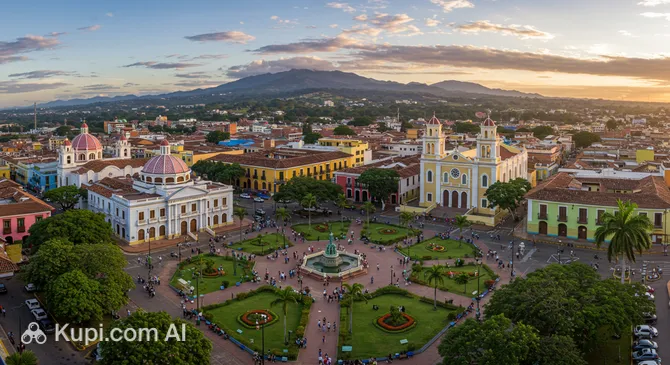
Maracay is the heart of Aragua State and one of the most picturesque cities in central Venezuela. It harmoniously combines the dynamics of a major administrative center with the coziness of a "garden city" featuring wide avenues and lush green parks. Conveniently nestled at the foot of the Cordillera de la Costa mountains, the city attracts travelers not only with its developed infrastructure but also its proximity to the Caribbean coast.
In this bustling metropolis of over 400,000 people, modern neighborhoods sit alongside historical streets, creating a unique character. The city is often called the "cradle of national aviation," highlighting Maracay's historical heritage and its special role in the country's life. The climate here is a pleasant tropical one, allowing visitors to enjoy their trip year-round.
Maracay. Illustration.
Source: Kupi.com AI
The city's atmosphere is filled with life and local color. One of the main attractions is the majestic Plaza Bolívar, where locals and tourists gather in the evenings to admire fountains with colorful illumination. Thanks to its prime location, Maracay also serves as an ideal starting point for trips to the famous Henri Pittier National Park and the region's scenic beaches.
Maracay is a wonderful place to experience the culture and nature of the region. Come here to stroll along shaded boulevards, feel the sincere hospitality of the locals, and discover this sunny and cheerful city.
Weather Overview
The climate in Maracay can be described as warm and tropical, with comfortable temperatures throughout the year. Due to its geographical location, there are no sharp seasonal drops in temperature or exhausting heat waves, making the city pleasant to visit in any month. Expect consistently warm weather with daytime temperatures reaching 26–28°C and moderately cool nights when the air cools to 20–22°C.
A characteristic feature of the local climate is the distribution of rainfall. The year can be roughly divided into two periods. From January to March, there is a relative lull: the average temperature stays around 23°C, and the number of rainy days is minimal (about 13–17 per month). From April until November, humidity rises and rain becomes a frequent companion for travelers, occurring up to 26–28 days per month. Before your trip, be sure to check the current weather in Maracay to plan your walks correctly.
Even in the "wettest" months, such as May or October, the rains are often short-lived and refresh the air without preventing you from enjoying the city's beauty. May is considered the warmest month with an average temperature of 25.3°C, while January is the "coolest" (22.9°C), though this difference is hardly noticeable to tourists.
Average monthly temperature
Average monthly precipitation
Interesting Facts
Beyond its well-known landmarks, Maracay holds many fascinating stories and unique features that reveal themselves only to inquisitive travelers. The city wonderfully intertwines technical progress with ancient natural treasures.
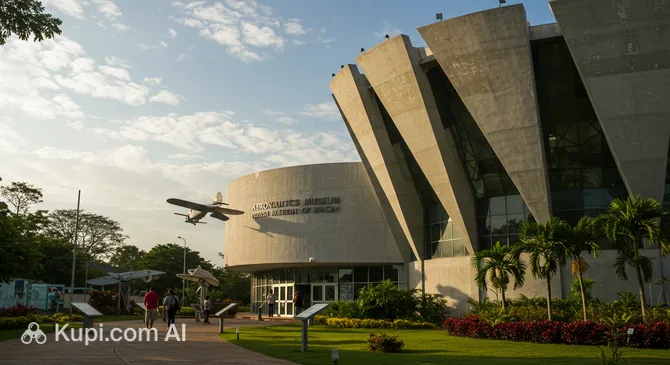
Maracay officially holds the honorary title of the "cradle of national aviation." It was here that the country's first aviation center was founded, shaping the development of the industry in Venezuela. You can learn more about this glorious chapter of history by visiting the Maracay Aviation Museum, which features unique open-air exhibits.
In close proximity to the city lies the country's oldest national park — Henri Pittier. Interestingly, it is named after a Swiss botanist who was enchanted by the local nature. This place is a true paradise for birdwatchers: it is home to over 500 species of birds, representing a huge portion of the country's total avian diversity.
The region is famous for its "chocolate" legends. Nearby is the famous village of Chuao, where cocoa recognized as some of the best in the world is grown. Local residents still use ancient methods for processing the beans, and the location itself is surrounded by myths of ancient indigenous tribes.
The main square, Plaza Bolívar, hides a small secret of evening transformation. By day, it is a formal official space with a majestic monument, but after dark, a complex lighting system for the fountains turns the square into a place for festive family strolls with music and light shows.
Aeronautics Museum of Maracay. Illustration.
Source: Kupi.com AI
Traveler photos:
How to Get There
When planning a trip to this bustling city, it's important to consider logistics in advance, as there is no major civilian airport within the city limits. However, thanks to its prime location in the country's central region, reaching it is easy through neighboring transport hubs. You can find more details on how to get to Maracay to choose the most convenient route.
The most convenient option for many travelers is arriving at Arturo Michelena International Airport (IATA: VLN). Please note that this airport is not in Maracay but in the neighboring city of Valencia, approximately 37 km away. It is a modern regional hub with medium passenger traffic. A taxi or transfer from here to the center of Maracay takes about 40–50 minutes, depending on traffic.
The main gateway to the country remains Simón Bolívar International Airport (IATA: CCS), located in Caracas (Maiquetía). This is the largest airport in the region, handling most international flights. It is located about 77 km from Maracay. The journey from Caracas airport to the city takes about 2–2.5 hours by car along the highway connecting the capital with the central states.
For clarity, here is a summary of the main airports through which you can reach the region:
Regarding rail transport, there are currently no direct passenger trains to Maracay for tourists. The primary mode of travel between cities is by road. The city is traversed by the important Autopista Regional del Centro highway, linking it to Caracas and Valencia. Travelers usually use intercity buses departing from central terminals or hire an official taxi for a comfortable and safe journey.
Main Attractions
Maracay is a city that reveals itself to travelers not through a list of must-see monuments, but through its unique atmosphere. As the capital of Aragua State, it wonderfully combines the dynamics of an important industrial center with the relaxation of a tropical resort. Maracay's tourist appeal is built on contrasts: here, wide modern avenues neighbor shaded alleys, and technological achievements coexist with rich nature.
The city's historical identity is inextricably linked to the development of aviation. Even if you don't plan a deep dive into technical details, it's worth knowing that sites like the Maracay Aviation Museum are not just repositories of exhibits, but symbols of urban pride. This heritage shapes a special spirit of the place, felt in the architecture and street names.
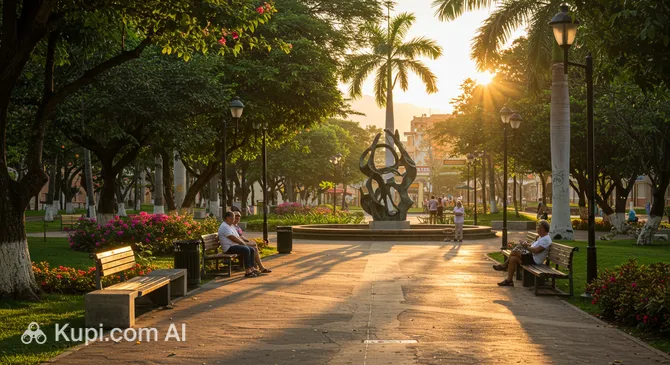
However, for many guests, Maracay is first and foremost the "garden city." Green zones are integrated into the urban environment and serve as the main centers of social life. Spaces like Las Ballenas Park or the quieter Santos Michelena Park allow tourists to see real Venezuelan life: people exercise here, walk with their families, and hide from the midday heat. These are ideal locations to pause and enjoy the moment.
Las Ballenas Park. Illustration.
Source: Kupi.com AI
Traveler photos:
Lovers of modern urban leisure will also find everything they need here. Large complexes, such as the Unicentro Maracay Shopping Center and the Estación Central Shopping Center, offer excellent opportunities for shopping and entertainment in comfortable air-conditioned halls. These are popular hubs for those who want to get to know the modern side of the city's life.
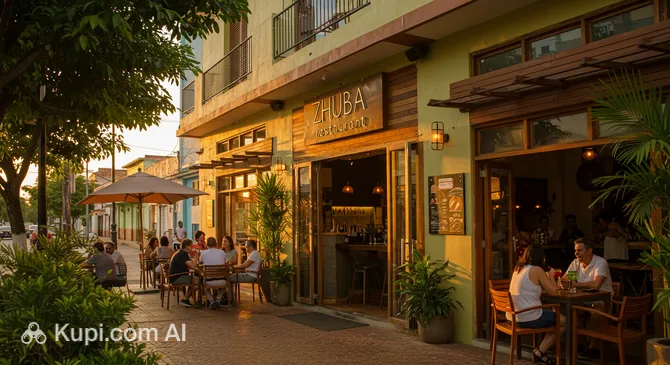
Rounding out Maracay's image is its gastronomic diversity. The city offers many places to spend a pleasant evening immersed in local flavor. Whether it's dinner at Juba Restaurant, a casual meetup at Las Tablitas Bar and Restaurant, or a hearty snack at Vintage Burger & Grill — each of these places adds its own touch to the portrait of this hospitable and sunny city.
Local Cuisine
Maracay's gastronomy is a true kaleidoscope of central Venezuelan flavors, where traditions blend with modern culinary trends. A journey here is unimaginable without trying arepas — the famous corn cakes. Locals eat them at any time of day, filling them with a wide variety of ingredients: from cheese and ham to stewed meat and avocado.
For a more substantial meal, try pabellón criollo — the national dish symbolizing the country's culinary unity. It is a hearty combination of shredded beef, black beans, fried plantains, and white rice. You can experience local cuisine and appreciate the variety of dishes in cozy city spots like Juba Restaurant, which serves food in a pleasant atmosphere.
Zhuba Restaurant. Illustration.
Source: Kupi.com AI
Traveler photos:
Street food lovers must try empanadas — fried pastries with a crispy crust. They are prepared right in front of customers, filled with meat, cheese, or fish. These are ideal for a quick and tasty snack while walking around the city. And thanks to the warm climate, you can always find the freshest tropical fruits in Maracay: mango, papaya, soursop (guanabana), and passion fruit, used to make magnificent natural juices.
Those with a sweet tooth will enjoy golfeados — soft rolls soaked in cane syrup and sprinkled with salty cheese. They pair perfectly with a cup of aromatic Venezuelan coffee, which is prepared excellently here. If you want to spend an evening with a glass of a refreshing drink and dive into local social life, stop by Las Tablitas Bar and Restaurant, popular among both tourists and locals.
Travel Tips
Welcome to sunny Maracay! To ensure your introduction to the "Garden City" is as comfortable and safe as possible, leaving only warm memories, we've prepared a list of important practical recommendations considering local realities.
Clothing and climate. Given the tropical heat, favor clothing made of lightweight natural fabrics like cotton or linen. Be sure to bring comfortable shoes for walking through parks and on uneven sidewalks. If your trip falls during the rainy season (April to November), a light raincoat or compact umbrella will be your best friend. When visiting religious sites, maintain a modest style: shoulders and knees should be covered.
Transport nuances. For tourists, the safest and most comfortable way to get around is by taxi. It is recommended to use official services that can be ordered through your hotel or via popular mobile apps in Venezuela (such as Ridery or Yummy Rides), which operate like Uber. Public buses are colorful and cheap but often overcrowded and lack a fixed schedule, making them challenging for a first visit.
Money matters. The national currency is the bolivar, but de facto, US dollar cash is the main means of payment for tourists. It is critically important to have a large supply of small bills ($1, $5, $10, $20), as change from large banknotes is extremely rare. International cards work inconsistently, so relying solely on them is risky. Tipping in restaurants is welcomed (about 10%) if it isn't already included in the bill.
Health and safety. Drink only bottled water and avoid ice in drinks at street cafes. Large pharmacy chains like Farmatodo often operate 24/7 and offer a wide range of products, including cosmetics and food. In terms of safety, stick to tourist areas (e.g., Las Delicias Avenue) and avoid walking alone after dark. It's best not to display valuables and phones openly on the street.
Communication and language. The primary language is Spanish; English is not widely understood, mostly only by staff at major hotels. We recommend downloading offline maps and a translator app onto your smartphone in advance. For mobile internet, it's best to purchase a local SIM card from Movistar or Digitel at official offices (a passport will be required). Wi-Fi is available in malls and hotels, but speeds can be unstable.
Local etiquette. Residents of Maracay are open and friendly. When entering a shop or elevator, it's customary to say hello ("Buenos días" or "Buenas tardes"). A handshake is the standard form of greeting, and a kiss on the cheek is acceptable among acquaintances. Being polite and smiling opens many doors and endears you to the locals.
Things to avoid. It is categorically not recommended to photograph police, military personnel, or strategic state facilities — this can lead to serious questioning by security services. Also, avoid exchanging currency with street money changers ("arbolitos"), even if the rate seems favorable, as the risk of fraud is high.
Useful life hack. The region periodically experiences power outages. Experienced travelers always carry a fully charged power bank for their phone and a small pocket flashlight. This is a simple precaution that can be very helpful in an unexpected situation.
Maracay is a city with character that likes prepared guests. By following these simple tips, you can avoid minor mishaps and fully focus on enjoying the beauty of the local nature and Venezuelan hospitality.
Entertainment & Nightlife
Nightlife in Maracay is a vibrant blend of Latin American passion, music, and the relaxed atmosphere of a tropical city. As the sun sets and the daytime heat subsides, the city comes alive: locals head out into the streets to dine, meet friends, and dance. The epicenter of evening activity is traditionally Las Delicias Avenue (Avenida Las Delicias) and its surrounding areas, where most popular establishments are concentrated.
The atmosphere in Maracay's venues is usually casual and friendly. People here love loud music — from salsa and merengue to modern reggaeton and electronic music. The dress code in most bars is casual, though for nightclubs, men are advised to wear trousers and closed-toe shoes. The evening starts quite late here: restaurants fill up by 8:00 PM, and the peak of the fun in bars occurs after 10:00 PM.
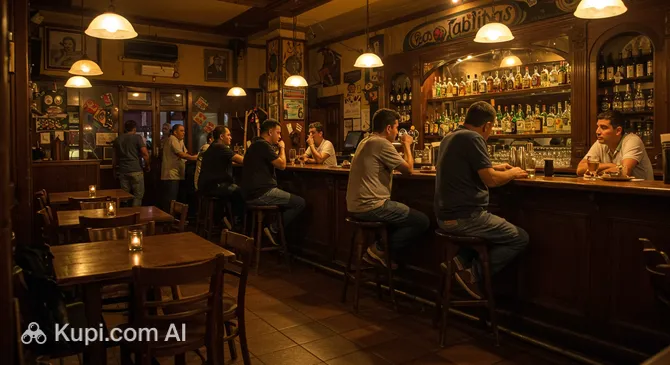
If you want to dive into the local color and spend time with friends, it's worth stopping by Las Tablitas Bar and Restaurant. This place is popular for its laid-back setting, good selection of drinks, and the chance to try traditional snacks over lively conversation. For those who prefer more modern formats and hearty cuisine, Vintage Burger & Grill is an excellent choice — here you can not only have a delicious dinner but also grab a few cocktails in a stylish interior.
Las Tablitas Bar & Restaurant. Illustration.
Source: Kupi.com AI
Traveler photos:
A vital aspect of Maracay's nightlife is safety. Tourists are strongly recommended to stick to established areas like Las Delicias or the grounds of major malls, which have security. Moving between venues at night should be done exclusively by official taxi (it's best to call one through the hotel or a restaurant manager) and you should avoid walking on poorly lit streets. Avoid displaying expensive jewelry or smartphones in crowded places.
While Maracay is famous for its evenings, the daytime program is just as rich. Before twilight falls, travelers can visit the famous Maracay Aviation Museum, stroll through shaded park alleys, or go shopping in modern malls that also offer entertainment like cinemas and bowling.
Parks & Museums
Maracay, which proudly bears the title of "Garden City," fully lives up to its name with its abundance of greenery and cultural spaces. For tourists, this means the chance to harmoniously combine informative excursions with outdoor relaxation. The city's parks here are not just tree-lined alleys, but true centers of social life where nature meets the urban rhythm.
Among the natural zones, Las Ballenas Park is particularly popular. This is a magnet for all fans of an active lifestyle: it features excellent jogging paths, sports courts, and picnic areas. The park is famous for its casual atmosphere, where families and young people gather in the evenings. If you are looking for peace and solitude, head to Santos Michelena Park. This is a more traditional space with shaded corners, ideal for leisurely walks and reading books away from the city noise.
Santos Michelena Park. Illustration.
Source: Kupi.com AI
Traveler photos:
The city's cultural landscape is impossible to imagine without mentioning its aviation heritage. The main museum attraction is the Maracay Aviation Museum. The uniqueness of this place lies in the fact that its vast collection of planes and helicopters, reflecting the history of Venezuelan aviation, is located outdoors. The exposition will be of interest not only to technology fans but to anyone who wants to touch the country's history through the lens of technical progress.
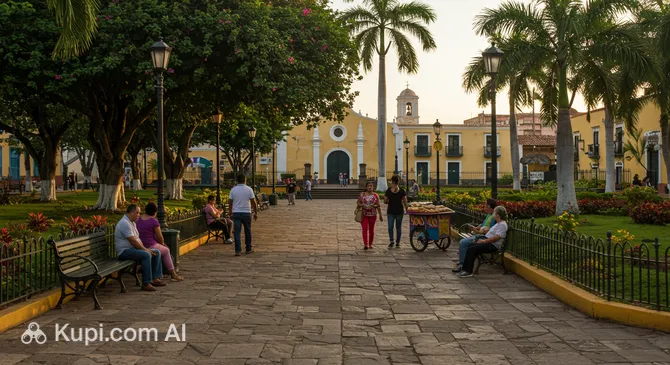
Besides museums, Maracay impresses with its architectural monuments. Be sure to visit the Opera House (Teatro de la Ópera) — a majestic building considered one of the region's most significant cultural centers. Nearby is the famous Plaza Bolívar — the largest square in Latin America dedicated to the Liberator. This monumental space is surrounded by historical buildings and serves as a beautiful backdrop for memorable photos.
Insider tip: If you want to see a "different" Maracay, come to the park zones early in the morning or at sunset. At these times, the heat subsides, and you can observe local birds, many of which fly in from the neighboring Henri Pittier National Park. And the best way to conclude your cultural program is by the fountains at Plaza Bolívar, enjoying the evening coolness.
Getting Around
The public transport system in Maracay is quite diverse but may seem chaotic to the unprepared tourist. Movement around the city is primarily based on road transport, as there is no metro. Buses and microbuses play the main role, connecting the center with the outskirts and neighboring municipalities.
The most modern and convenient form of transport is considered the TransMaracay system. These are Bus Rapid Transit (BRT) vehicles that run in dedicated lanes, allowing them to avoid major traffic jams. They are easily recognizable by their red color and modern appearance. TransMaracay routes are laid out through key city points, including Constitución Avenue, making them a good choice for exploring the main districts.
In addition to the BRT system, traditional buses ("colectivos") and small microbuses known as "por puestos" ply the streets. They stop not only at designated stops but also upon passenger request. This is the most common way for locals to get around; however, they can be overcrowded during peak hours. Air conditioning in these microbuses is not always available, so the ride can be hot.
Fare payment is mostly done in cash in the local currency (bolivars) directly to the driver upon boarding. Fares are low, but it is recommended to always have small bills, as change can be an issue. For the TransMaracay system, special rechargeable cards are provided, which can be purchased at main stations, though tourists might find it easier to stick to cash wherever possible.
The public transport schedule usually starts from 5:00–6:00 AM and continues until 7:00–8:00 PM. Finding a bus late at night becomes difficult, and intervals between vehicles increase significantly. It's important for tourists to remember that regular microbuses have no fixed schedule; they depart as they fill up.
As an alternative for comfortable travel, it is highly recommended to use official taxis. It's better to order cars through the hotel or use the services of trusted lines ("líneas de taxi"), which have stands at shopping malls. The fare should be negotiated with the driver in advance, before getting into the car. Motorbike taxis ("mototaxis") are also popular for quickly bypassing traffic jams, but this option is considered less safe and is more suited for thrill-seekers.
Accommodation
The hotel infrastructure in Maracay is well-developed enough to satisfy the needs of both business travelers and tourists visiting the region's landmarks. Since the city is an important industrial center, modern-style hotels focused on comfort and functionality predominate here. Choices range from large full-service hotel complexes to small budget hotels.
The most prestigious and convenient residential area is considered the zone along Las Delicias Avenue (Avenida Las Delicias). By choosing a hotel in this part of town, you'll be at the center of the action: top restaurants, modern shopping malls, and safe walking areas will be within walking distance. Northern Maracay, closer to the foothills, is also popular among guests for its quieter atmosphere and pleasant microclimate.
Given the infrastructure specifics in Venezuela, when choosing accommodation, it's worth looking at more than just the star rating. A critically important criterion is whether the hotel has its own powerful power generator and backup water supply system. In large hotels (4–5 stars), this is standard, ensuring that air conditioning, elevators, and Wi-Fi will operate smoothly. In small budget hotels ("posadas"), such amenities are not always available, so it's best to clarify this point when booking.
Many high-end hotels in Maracay offer guests excellent conditions for relaxing after a hot day. Often, the premises include outdoor pools with sunbathing areas, gyms, and on-site restaurants where you can safely sample local cuisine. Secure parking is also a significant plus if you plan to travel by rental car.
It is most convenient to pay for accommodation with US dollar cash, as this is the most reliable method of payment in the country. International credit cards are accepted at most major chain hotels, but terminals can be unstable. It is recommended to book your room in advance, especially if the trip is planned for a weekend when residents from neighboring regions visit the city.
Nearby Cities
For those looking to explore the surroundings, Maracay serves as an excellent starting point for day trips to several interesting nearby locations:
Just a 40–50 minute drive west is Valencia — Venezuela's third-largest city and the capital of neighboring Carabobo State. It is a dynamic metropolis known as the country's industrial heart, but it is also rich in cultural attractions, museums, parks, and large shopping centers, making it a great option for an intensive urban excursion.
Very close by, practically merging with Maracay's suburbs, is the town of Turmero. This historical settlement attracts visitors with its colonial architecture and a slower pace of life. The main attraction here is the ancient Church of Nuestra Señora de Candelaria, and the trip itself takes very little time, allowing for a quick change of scenery.
If you're willing to travel a bit further toward the capital, it's worth visiting Los Teques, the administrative center of Miranda State. The city is located in a mountainous area, giving it a cooler and more pleasant climate than the Aragua Valley. It's a good destination for those who want to enjoy mountain scenery and take a break from the tropical heat.
These nearby destinations provide insight into the region's diverse culture and landscapes, from bustling metropolises to charming historical towns.
Shopping & Souvenirs
Shopping:
Shopping in Maracay is a fascinating immersion into the city's daily life, where modern retail spaces sit alongside colorful street stalls. As an important commercial hub for the region, the city offers tourists a wide selection of goods: from designer clothing and electronics to unique local handicrafts. Here, you can not only update your wardrobe but also find the gastronomic treasures for which Aragua State is famous.
The heart of Maracay's commercial life is rightfully considered Las Delicias Avenue (Avenida Las Delicias). This bustling thoroughfare is lined with boutiques, clothing stores, and showrooms catering to various budgets. A stroll down the avenue allows you to combine shopping with viewing the city's architecture. For those seeking a more authentic and bustling atmosphere, it's worth checking out the downtown area (El Centro), where many small shops with affordable prices and a wide range of textiles and footwear are concentrated.
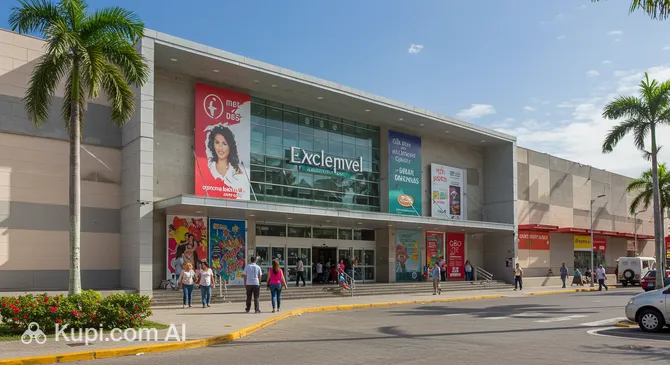
Lovers of comfortable shopping in air-conditioned cool should turn their attention to the major malls. One of the most popular spots is the Unicentro Maracay Shopping Center. It is a modern complex featuring well-known brands, food courts, and entertainment zones. Another significant point on the shopaholic's map is the Estación Central Shopping Center. It attracts visitors not only with its variety of goods but also its atmosphere, serving as an important social hub for locals.
Unicentro Maracay Mall. Illustration.
Source: Kupi.com AI
Traveler photos:
To experience the true taste of Venezuela, be sure to visit the Main Market (Mercado Principal). This place is a real explosion of colors and aromas. Here you can buy the freshest tropical fruits, vegetables, spices, and local delicacies. The market is also interesting for its rows of household goods and inexpensive clothing, where you can haggle and chat with vendors.
When choosing souvenirs, look first for chocolate and cocoa. Aragua State, and especially the nearby village of Chuao, is world-famous for its high-quality cocoa beans. A bar of local chocolate makes the best gift from your trip. Venezuelan rum, considered one of the best in the region, and handicraft items such as hammocks, ceramics, and woven baskets reflecting indigenous traditions, are also popular.
Most shops in the city open around 9:00–10:00 AM and operate until 7:00–8:00 PM. Shopping centers usually close later, around 9:00 PM. On Sundays, many small shops may be closed or operate on a reduced schedule. As for payment, the most reliable means for a tourist is US dollar cash. Small bills ($1, $5, $10, $20) are very useful, as issues with change from large banknotes are common. International card payments may be difficult due to technical failures at terminals.
The Tax Free system (VAT refund) for foreign tourists as understood in the European sense is not common in Venezuela. You shouldn't expect a VAT refund upon leaving the country, so simply enjoy your purchases and the affordable prices on local goods.