Support

La Guaira

Attractions

About

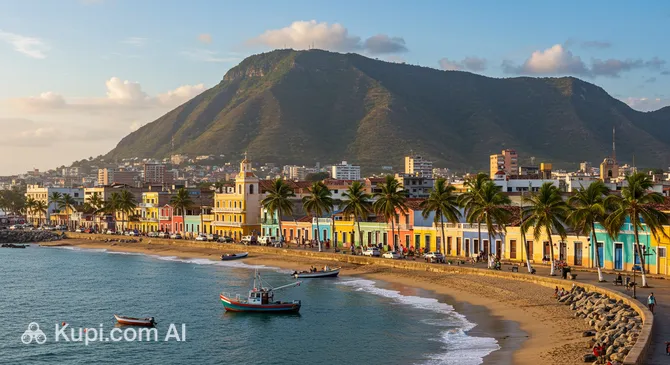
La Guaira is a picturesque maritime gateway that opens the way to the endless Caribbean Sea for travelers. This city, located in Venezuela, is nestled on a narrow strip of land between the blue waves and the majestic green slopes of the El Ávila National Park. Located just 30 kilometers from bustling Caracas, La Guaira offers the perfect balance between a relaxed beach holiday and the ability to quickly dive into the rhythm of the metropolis. Today, about 203,520 people live here, making the city not only an important port but also a lively administrative center.

La Guaira. Illustration.
Source: Kupi.com AI

A stroll through the local neighborhoods feels like a fascinating journey back in time, as the rich history of La Guaira has left an indelible mark on its appearance. The historic center charms with its narrow cobbled streets, colorful facades, and old mansions with elegant wrought-iron balconies. Here, colonial charm harmoniously intertwines with modern life: cozy cafes operate alongside architectural monuments, and bustling markets filled with the scent of fresh fish are constantly humming.

La Guaira is worth visiting for its unique atmosphere, which combines natural beauty with the famous Caribbean ease. It is a place where you can enjoy the sight of colonial churches and, just a few minutes later, relax on serene beaches. The city offers the opportunity to feel like part of a real, unhurried, and hospitable coastal life, promising tourists a wealth of vivid impressions.

Weather Overview

The climate in La Guaira is typical for the Caribbean coast: eternal summer reigns here with very minor temperature fluctuations. Throughout the year, the air warms up on average from 23.2°C in the winter months to 25.1°C in September, creating comfortable conditions for beach holidays regardless of the calendar. Nighttime minimums rarely drop below 20°C, and daytime maximums consistently stay around 26–27°C.

The main difference between the seasons lies in the amount of precipitation. The period from January to March is considered the "dry season": at this time, only about 1 mm of precipitation falls, and the number of rainy days is minimal (9–10 per month). Starting in May, humidity rises, and the city enters the rainy season, which lasts until November. The peak occurs in October, when up to 27 days with precipitation are recorded, although these are often short tropical downpours quickly followed by sun. Detailed weather in La Guaira by month will help you choose the ideal dates for your visit.

Expect consistently warm weather year-round with a dry and sunny start to the year and frequent but refreshing rains from May to November.

Average monthly temperature

Average monthly precipitation

Interesting Facts

Beyond its main attractions, La Guaira holds many fascinating secrets and historical mysteries. This city, which served as the country's main maritime gateway for centuries, has accumulated many amazing stories that reveal themselves only to the most curious travelers.

  • Pirate Heritage. La Guaira was founded in the 16th century and was a key port for a long time, where Spanish ships arrived in the New World. Local legends say that in old fishing villages on the coast, you can still meet descendants of real pirates, and stories of hidden treasures and mysterious disappearances of ships are passed down here from generation to generation.

  • Fortress as a Stage. One of the iconic historical spots is Fort San Carlos. This ancient fortification, created to protect against corsairs, lives a new life today: its walls offer breathtaking views of the Caribbean Sea, and its interior often hosts cultural events and open-air concerts.

  • Hero's Birthplace. The city is closely linked to the name of Francisco de Miranda—a national hero of Venezuela and a fighter for independence. He was born or lived in these parts for a long time, and his house-museum has become a mandatory stop for anyone interested in the country's history.

  • Lighthouse at Sunset. La Guaira is famous for its navigational structures, especially the Faro de Punta de Mulatos. It has become a true symbol of the city and a favorite spot for photo shoots, especially at sunset when the sun sinks directly into the sea.

How to Get There

The primary way to reach this coastal city is by air. Due to its proximity to the country's main airport, the journey to your destination usually doesn't take long. You can find out more details about how to get to La Guaira by exploring all available routes and modes of transport.

The most convenient and popular option is flying into Simón Bolívar International Airport (CCS). This is the main air gateway to Venezuela. Although the airport is formally associated with the city of Caracas, it is actually located on the coast, just 7.3 km from the center of La Guaira. A taxi or transfer will take you literally 20–30 minutes, making this route ideal for tourists.

If tickets to the capital's airport are unavailable, you can consider alternative options, though they will require a long ground transfer. For example, you can fly into Arturo Michelena International Airport (VLN), located in the city of Valencia. The distance to La Guaira is about 120 km, and the travel time by car will take approximately 3 hours. Another option is General José Antonio Anzoátegui International Airport (BLA) in Barcelona; however, it is much further away at 251 km, and the trip will take over 6 hours.

For clarity, here is summary information on the main airports used to reach the region:

AirportPassenger trafficDistance
Simon Bolivar International Airport8.2 mln7 km
Arturo Michelena International Airport1.2 mln120 km
Flamingo International Airport447 000223 km
General Jose Antonio Anzoategui International Airport1 mln252 km
Barquisimeto Airport150 000273 km

As for rail connections, there are currently no active passenger railway stations in La Guaira or its surroundings that would be useful for tourists. Most travel between Venezuelan cities is done by bus or car. If you are arriving in other regions of the country, we recommend using intercity buses or renting a car to reach the coast along scenic but winding roads.

Main Attractions

The main attractions of La Guaira harmoniously combine a rich colonial heritage with modern entertainment. The city offers tourists a fascinating route where ancient forts stand alongside vibrant amusement parks, and historic mansions neighbor picturesque promenades. Here is a list of places you should definitely include in your visit program.

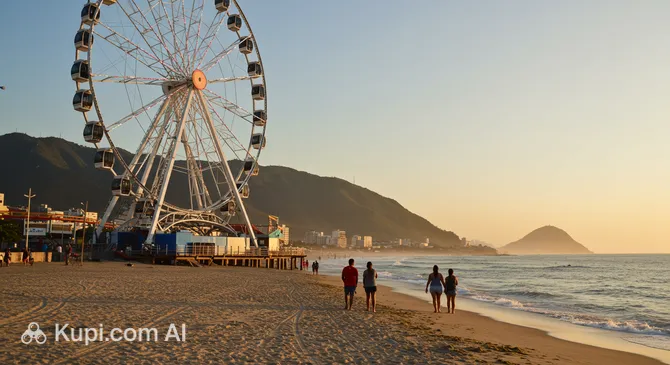
One of the most notable modern landmarks in the city is the Eye of La Guaira (Ojo de La Guaira). This impressive Ferris wheel is located on the waterfront and has become a true symbol of the region's renewed tourist image. Rising in a comfortable cabin, you can enjoy a breathtaking panorama: on one side, the endless blue of the Caribbean Sea opens up, and on the other, the majestic green slopes of the Avila mountain range. It is especially beautiful here at sunset when the city is painted in golden tones.

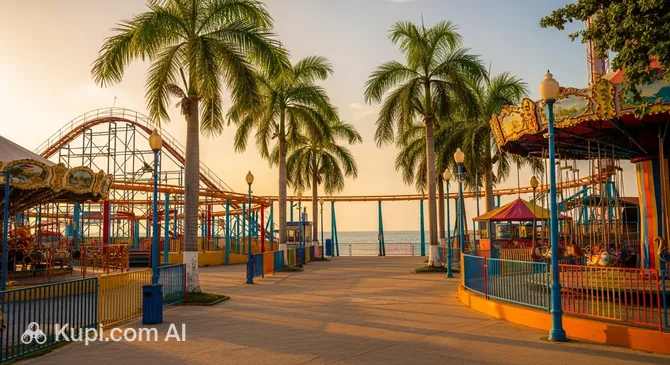
For family vacations and fun-filled pastimes, the Macuto Amusement Park is ideal. This is a point of attraction for both locals and visitors to the city. The park offers many carousels and entertainment for children and adults, creating an atmosphere of celebration and lightheartedness. After riding the attractions, you can walk through the landscaped grounds and try traditional Venezuelan sweets at local kiosks.

Macuto Theme Park. Illustration.
Source: Kupi.com AI

Traveler photos:

History buffs should visit the Casa Guipuzcoana. This magnificent 18th-century colonial building was once the headquarters of the Royal Guipuzcoana Company, which controlled trade between Venezuela and Spain. Today, this architectural monument with its characteristic wooden balconies and inner courtyard serves as a cultural center and museum, telling the story of the city's commercial and maritime past.

One cannot overlook Fort San Carlos (Castillo de San Carlos). Built in the 17th century to protect the port from pirates and enemy fleets, this fort is perfectly preserved to this day. A walk along its powerful stone walls and bastions allows you to touch the military history of the region. Furthermore, thanks to its hilltop location, the fort serves as an excellent observation deck.

You can conclude your introduction to the city with a walk through the Historic Center (Casco Colonial). The narrow cobbled streets of La Guaira preserve the atmosphere of past centuries. Here you will see colorful facades of old houses, small squares, and churches, such as the Cathedral of St. Peter the Apostle. This is a living open-air museum where every stone breathes history.

Local Cuisine

Local cuisine in La Guaira is a true celebration for those who appreciate fresh seafood and vibrant Caribbean flavors. Proximity to the sea dictates the main rule of local gastronomy: fish and shellfish reach the table literally from the fishing nets. The hallmark of coastal restaurants is ceviche—the freshest fish marinated in lime juice with onions, cilantro, and hot peppers. This dish can be found almost everywhere: from elegant establishments to simple cafes on the promenade.

It is impossible to imagine a visit to Venezuela without tasting arepas. These famous corn cakes are prepared here with special skill, offering dozens of filling options: from juicy shredded beef and cheese to exquisite seafood combinations popular in this region. For those who want a hearty meal, order pabellón criollo—the national dish, combining shredded beef, rice, fried plantains, and black beans on one plate. Such a lunch will give you a boost of energy for the whole day.

Street food in La Guaira deserves special attention. At local markets and kiosks along the beaches, tourists are offered fried fish, mussels, and shrimp prepared right before their eyes. Strolling near popular vacation spots like the Macuto Amusement Park, you will surely catch the alluring aromas of fresh pastries and grills. Here you can also try the famous coconut bread, which perfectly complements the local atmosphere.

For those with a sweet tooth, the city offers unique desserts. Be sure to try cocada (caramelized papaya) or the light bizcochos cookies. To refresh themselves in the tropical heat, locals choose natural ice cream made from passion fruit or guava, as well as freshly squeezed exotic fruit juices. These drinks not only quench thirst but also introduce you to the richness of local nature.

Travel Tips

Welcome to La Guaira! To ensure your introduction to this sunny maritime gateway of Venezuela is as comfortable and safe as possible, we have prepared a list of important practical recommendations. These tips will help you easily navigate local realities, avoid common mistakes, and focus on your vacation.

  1. Clothing and Essentials: Given the hot tropical climate, prioritize clothing made from natural, "breathable" fabrics such as cotton and linen. Be sure to bring a hat, high-quality sunglasses, and sunscreen with a high SPF—the sun here is very intense. For walks on the cobblestones of the historic center, you will need comfortable flat shoes. Important: despite the proximity to beaches, it is not customary to walk around the city or in shops in swimwear or shirtless.

  2. Transport: The safest and most comfortable way for a tourist to get around is by taxi. We recommend using official services or mobile apps popular in the country (such as Ridery or Yummy Rides), which allow you to see the price in advance and track the route. Local buses are colorful and cheap but often overcrowded and lack air conditioning, so they are not suitable for traveling with luggage.

  3. Finance: The practical currency for transactions is cash US dollars. The most important rule: have plenty of small bills ($1, $5, $10, $20) with you. Change from large banknotes ($50 or $100) is a major problem almost everywhere. International cards may not work or may process intermittently, so do not rely entirely on cashless payments.

  4. Health and Safety: Drink only bottled water and avoid ice in drinks at street cafes. Farmatodo pharmacies are a reliable landmark: they are often open 24/7 and offer a wide range of goods, from medicine to food. Regarding safety, stick to tourist zones (Macuto, the promenade) and do not display expensive gadgets or jewelry on busy streets.

  5. Communication: The main language of communication is Spanish. English is not widely understood, mostly only by staff at large hotels. We recommend downloading an offline translator and learning basic phrases. For connectivity, it's better to buy a local SIM card from providers like Digitel or Movistar, as public Wi-Fi can be unstable.

  6. Local Etiquette: Venezuelans are very friendly and value politeness. When entering a shop, taxi, or elevator, it is customary to say hello ("Buenos días", "Buenas tardes"). Life here flows at a relaxed Caribbean pace, so do not rush service staff—show patience and a smile, and it will help resolve any issue faster.

  7. What to Avoid: It is categorically not recommended to change currency with street money changers—it is unsafe. Also, avoid photographing military sites, police posts, and law enforcement officers to prevent provoking a conflict.

  8. Additional Tip: If you want to buy the freshest seafood or just experience local flavor, head to the "El Mosquero" Fish Market early in the morning. Even if you don't buy anything, watching the pelicans waiting for treats from the fishermen will provide great photo opportunities.

La Guaira is a city with a warm heart and an open soul, ready to give you vivid impressions. By following these simple rules, you can feel confident and enjoy every moment of your Caribbean adventure!

Entertainment & Nightlife

Nightlife in La Guaira is permeated with a relaxed Caribbean atmosphere, where the sound of the surf mixes with the rhythms of salsa and merengue. Here you won't find huge metropolitan clubs with world-class DJs, but you can enjoy authentic open-air parties, cozy bars, and colorful venues where locals and tourists relax after a hot day.

The epicenter of evening activity is traditionally considered to be the Macuto and Caraballeda districts. It is here, along the promenade and main streets, that the bulk of entertainment venues are concentrated. An evening in La Guaira usually starts late: locals head out for dinner or a stroll after 8:00 PM, and bars fill up closer to 10:00 PM. The dress code in most places is casual—"smart casual" is appropriate everywhere, though shorts are fine for beach bars.

For a bright start to the evening, waterfront entertainment is ideal. Be sure to visit the Eye of La Guaira. After dark, the Ferris wheel is spectacularly illuminated, and the cabins offer a mesmerizing view of the night city lights and the dark surface of the sea. This is a great place for a romantic start to the night or for beautiful photos.

La Guaira Eye. Illustration.
Source: Kupi.com AI

Traveler photos:

If you're looking for something more dynamic, check out the Macuto Amusement Park. In the evening, a festive atmosphere reigns here, with street food kiosks and music playing. This is a popular meeting spot where you can not only have fun on the rides but also just spend a pleasant time in a lively setting before heading to a bar.

Regarding bars and dancing, look for venues at the large hotels in the Caraballeda area—they offer a high level of service, excellent cocktail menus, and, importantly, security. Open terraces and "chiringuitos" near the beaches are also popular, where you can enjoy a cold beer or rum to the sound of the waves. On weekends, many restaurants feature live music, and patrons often dance right between the tables.

Safety and Practical Tips:

  • At night, travel only by taxi. It is best to order a car through your hotel reception or use trusted drivers. Do not hail cars on the street.
  • The safest zones for night leisure are considered to be the tourist districts of Macuto and Caraballeda. Avoid walking through unlit alleys and remote neighborhoods.
  • The average price of a cocktail in a bar ranges from $5 to $10 USD. Cash dollars (in small bills) are accepted almost everywhere; cards might not work due to connectivity issues.

During the day, La Guaira offers a more relaxed pace. You can visit local museums located in colonial buildings or stroll through the historic center, admiring the architecture. However, it is after sunset that the city truly comes alive, inviting guests to immerse themselves in the warm and musical Venezuelan night.

Parks & Museums

La Guaira is a city where the sound of the surf intertwines with the whispers of history. While many travelers perceive it primarily as the country's maritime gateway, it offers cozy green areas for relaxation and museums that preserve the memory of a rich colonial past and the cultural heritage of the region.

The heart of outdoor social life is the Cinta Costera. This modern, well-maintained promenade stretches along the shoreline. It has become a favorite spot for both locals and tourists: here you can go for a run, ride a bike, or simply enjoy the sea breeze in the shade of palm trees. It is in this zone that one of the main modern landmarks is located—the Eye of La Guaira, offering a magnificent panorama of the city and the endless ocean from its height.

For a family holiday surrounded by tropical greenery, the Macuto Amusement Park is perfect. Although this place is primarily oriented toward entertainment, its grounds are well-kept and conducive to pleasant walks. The park is situated in a picturesque location where the sound of the waves is heard on one side, and the majestic green slopes of El Ávila National Park rise on the other, creating a natural backdrop for the entire coast.

The main guardian of the city's history is the Casa Guipuzcoana. This majestic 18th-century building now functions as a museum and cultural center. The exhibition tells the story of the times when La Guaira was a key trading port of the Spanish Empire. Here you can learn about the history of the Royal Guipuzcoana Company, which controlled cocoa exports, and see household items from the colonial era.

Art lovers should visit the Armando Reverón Museum (El Castillete), located in the Macuto district. This site is dedicated to the life and work of one of the most famous Venezuelan artists, the "master of light" Armando Reverón. The museum recreates the unique atmosphere of his home-studio, allowing for a deeper understanding of the region's culture through the lens of a brilliant creator.

The historic center of La Guaira, known as Casco Colonial, is like an open-air museum in itself. Narrow cobbled streets and ancient forts, such as El Vigía, serve as living witnesses to the era of pirates and naval battles. These architectural monuments are not only historically interesting but also offer the best observation points in the city.

For those seeking authentic experiences, we suggest checking out small art galleries and workshops hidden in the old mansions of the historic center. Often, exhibitions by local artists are held there, where you can see modern interpretations of Caribbean traditions and chat with the authors in an informal setting.

Getting Around

The public transport system in La Guaira consists exclusively of ground-based modes of travel. There is no metro, tram, or trolleybus in the city. The main burden of passenger transport is carried by buses of various capacities and route taxis, known locally as "por puestos." This is a colorful and most affordable way to move around, allowing you to reach almost any point in the city and neighboring settlements.

The most popular mode of transport is private minibuses and small buses (camionetas). They are easily recognizable by their bright decorations and often loud music inside. They ply the main streets, connecting the center with residential areas and beach zones. There are also state-run buses from the Sitssa company (usually red), which offer more comfortable travel conditions, including air conditioning, and follow fixed routes, including connecting the coast with the capital.

Paying for public transport in La Guaira has its own characteristics. There are no unified electronic travel passes or contactless card payments in private minibuses. Payment is made exclusively in cash using local money (bolivars) directly to the driver upon entry or exit. The fare is very affordable, but tourists are recommended to always have a supply of small bills, as change from large banknotes can be a problem.

For comfortable use of transport, consider a few practical tips:

  • Official stops exist, but private bus drivers often stop upon passenger request. To catch a bus, simply raise your hand.
  • The transport schedule is not always stable. Active movement starts early in the morning (around 5:30–6:00 AM), but after 7:00–8:00 PM, the number of buses on the line decreases sharply. Plan your evening trips in advance.
  • During peak hours, transport can be very overcrowded, so it is not the best option for traveling with luggage.

As an alternative to public transport, taxi services are widely developed. This is the safest and most convenient way for tourists to move around, especially in the evening. Taxis are not always equipped with meters, so the price of the trip must be agreed upon with the driver in advance, before boarding. In tourist areas, you can also find motorcycle taxis—a fast way to beat traffic, but it is only suitable for the most adventurous travelers traveling light.

For strolls along the sea, the pedestrian zone is ideal, but if you need to reach distant attractions or neighboring resort villages, a taxi or a rented car with a driver will be the optimal choice, combining comfort and route flexibility.

Accommodation

Accommodation in La Guaira and its surroundings is diverse, meeting the needs of both transit passengers and tourists visiting for a beach holiday. You can find everything here: from large chain hotels with pools and a full range of services to cozy family guesthouses (posadas) and budget apartments. The specifics of the region are such that many historic buildings have been converted into atmospheric mini-hotels, offering the unique flavor of the colonial era.

When choosing a place to stay, it is important to consider the purpose of your visit, as different areas offer completely different experiences:

  • Caraballeda: This area is considered the most prestigious and tourist-oriented. Large resort-style hotels are concentrated here, often with beach access, their own pools, and restaurants. This is the best choice for those seeking comfort and proximity to nightlife and yacht clubs.
  • Macuto: An ideal option for history and authenticity buffs. This area has many small hotels located in old mansions. Staying here, you will be within walking distance of the promenade and museums, immersing yourself in the relaxed atmosphere of the old city.
  • Catia La Mar and Maiquetía: These zones are chosen by travelers who prioritize proximity to the airport. Functional hotels for short stays before departure or after arrival in Venezuela predominate here.

Booking Tips and Prices:

The price range varies from budget ($20–$40 USD per night in simple posadas) to high ($100–$150 and up in 5-star hotels). It is important to note a local booking quirk: popular international aggregators may not show all available options.

The most effective way to find accommodation is to look for the official social media pages of hotels and posadas (especially Instagram) and contact the owners directly via WhatsApp. This allows you to confirm current prices, the availability of generators (which is important for uninterrupted power supply), and water reserves. During high season (Carnival, Easter Week, August), you should book accommodation at least a month in advance, as the best options fill up quickly with local tourists from the capital.

Nearby Cities

For those wishing to explore the surroundings, La Guaira serves as an excellent starting point for day trips to several interesting nearby locations. Thanks to its convenient location, travelers can easily change scenery and get to know the diversity of the region.

Just a short drive away is the country's capital, Caracas. It is a bustling metropolis located in a picturesque valley behind the Avila mountain range. People go there to visit historical museums, enjoy the architecture of the colonial center, and take the cable car to the top of the mountain for views of the city and sea. A trip to Caracas is an opportunity to dive into the cultural and business life of the country.

Very close by is the city of Catia La Mar. This is La Guaira's nearest neighbor, known for its lively atmosphere and fish restaurants. Here you can walk along the promenade and feel the rhythm of everyday coastal city life without traveling far from your accommodation.

For lovers of a cooler climate, an interesting option is a trip to Los Teques, the capital of Miranda state. The city is surrounded by mountains and is famous for its parks, such as Gustavo Knoop Park (Los Coquitos). It is a great place for quiet walks and getting to know the nature of mountainous Venezuela.

CityPopulationDistance
Maiquetia87 9092 km
Caraballeda48 6229 km
Catia La Mar661 89712 km
Caracas2 245 74414 km
Las Mercedes33 02515 km

These nearby destinations provide insight into the diverse culture and landscapes of the region, making your vacation even more enriching.

Shopping & Souvenirs

Shopping in La Guaira is not so much about chasing world brands as it is an opportunity to immerse yourself in the atmosphere of a bustling port city and find unique local goods. Here, trade is infused with Caribbean flavor: modern storefronts stand alongside street stalls, and the smell of the sea mixes with the aromas of fresh fruit and coffee. The city is primarily famous for its gastronomic souvenirs, beach gear, and handicrafts, which will serve as a great reminder of your trip to Venezuela.

The main shopping arteries are concentrated in the historic part of the city and along the coast. A walk through the narrow streets of the Casco Colonial (historic center) will allow you to peek into small shops located in old buildings selling clothes, shoes, and household goods. For tourists, the Cinta Costera area is also interesting—a landscaped promenade where local artisans often display their work, offering handmade jewelry and souvenirs right by the sea.

Although La Guaira is not a metropolis with giant shopping complexes, there are places for comfortable shopping in the region. In the neighboring district of Caraballeda, which effectively merges with the city, you will find Centro Comercial Costa del Sol. This is a modern shopping center where you can find clothing boutiques, electronics stores, a supermarket, and a food court. It's a great place to hide from the midday heat and purchase everything you need in air-conditioned comfort.

The true soul of La Guaira's commerce is revealed in its markets. The most colorful and a must-visit is the "El Mosquero" Fish Market. Even if you don't intend to buy fresh fish, it's worth coming here for the spectacle: the counters are overflowing with the catch just delivered by fishermen, and the atmosphere here is incredibly lively and authentic. For fresh fruit, vegetables, and local delicacies, you can head to the Municipal Market in neighboring Maiquetía, which is just a few minutes' drive away.

As souvenirs from La Guaira, people most often bring home gastronomic treasures. Venezuelan cocoa and chocolate are considered among the best in the world, so a locally produced bar would make a wonderful gift. Also look for high-quality rum (for example, brands like Santa Teresa or Diplomático) and aromatic coffee. Handicrafts from local artisans are also popular: woven hammocks, vibrant "mochila" bags, wooden figurines, and jewelry made from shells or coral.

Shops are generally open from Monday to Saturday, from 9:00 AM to 6:00 PM or 7:00 PM. On Sunday, many small shops may be closed or operate on a shortened schedule, but large shopping centers are open daily. Regarding payment, the most preferred method is cash USD. Local currency (bolivar) is used, but due to inflation, prices are often quoted in dollars. Foreign bank cards are not accepted everywhere, and terminals may work intermittently, so always have a supply of small bills with you.

The Tax Free refund system for foreign tourists is not currently widely practiced in La Guaira, or in the country as a whole. You should not count on VAT refunds for purchases, so focus on the final price indicated on the tag or stated by the seller.
Reached the end of the page?

That means the route is fully explored