Support

Horta Museum

About

The Horta Museum is a gem of the architectural heritage of Brussels, the capital of Belgium, dedicated to the life and work of the outstanding architect Victor Horta. He is considered one of the founders of the Art Nouveau style in architecture. The museum is unique in that it is located in the building that once served as Horta's personal home and creative studio, allowing visitors to immerse themselves in the atmosphere where the great master worked.
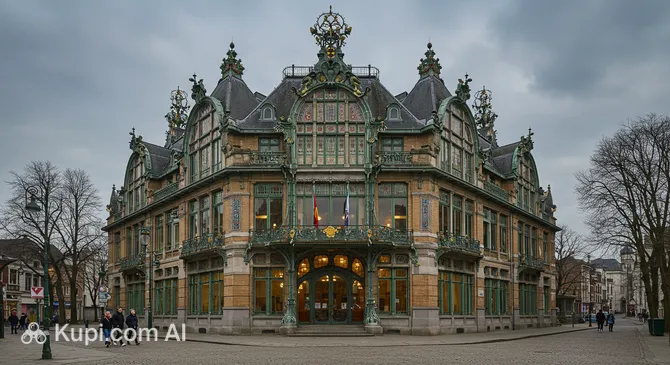
Horta Museum. Illustration.
Source: Kupi.com AI

Traveler photos:

The museum's architectural complex consists of two adjacent buildings joined into a single whole: a residential house and a studio workshop. Interestingly, these two parts, although interconnected, have different exterior appearances. This was done intentionally to emphasize the difference between the architect's private space and his work area, which in itself is a striking example of Horta's innovative approach to design.

The significance of the Horta Museum is highlighted by its inclusion in the UNESCO World Heritage list in 2000, along with three other famous townhouses designed by the architect in Brussels: Hôtel Tassel, Hôtel Solvay, and Hôtel van Eetvelde. Located in the picturesque district of Saint-Gilles, the museum is a true living monument to the Art Nouveau style, where the original interior decoration of the rooms has been meticulously preserved, impressing with the use of unconventional materials and their exquisite combinations.

Contacts

For the most up-to-date information on opening hours, ticket prices, and special exhibitions at the Horta Museum, it is recommended to visit the official website. There you can also find answers to frequently asked questions and plan your visit in the best possible way.

How to contactContact
AddressRue Américaine 27, 1060 Bruxelles, Belgium
Websitewww.hortamuseum.be

What to Do

A visit to the Horta Museum is a true immersion into the world of Art Nouveau elegance and innovation. Guests can explore the permanent exhibition, which includes authentic furniture, exquisite tableware, and artworks created by Victor Horta himself and his talented contemporaries. Particular attention is drawn to the interior decoration: the architect boldly experimented with materials, creating unique and harmonious combinations. For example, the famous central staircase, a signature of Horta's style, is made of wood, iron, and marble, demonstrating the elegance of lines and structures.

One of the amazing features of the museum is the dining room, where the walls and ceiling are completely lined with white "metro" ceramic tiles. This solution was completely untypical for late 19th-century interiors and underscores the architect's innovative spirit. Walking through the rooms, visitors can appreciate the unique architectural composition of the house. The grand staircase begins in the spacious hall of the ground floor and, gracefully curving, rises to the upper levels of the three-story mansion, creating so-called "light wells" that fill the space with natural light.

In addition to the permanent exhibition, the Horta Museum periodically hosts temporary themed exhibitions. These exhibitions delve deeper into various aspects of Victor Horta's life and work, his influence on architecture and design, and present the works of his followers and contemporaries. This is a wonderful opportunity to learn even more about the master and the Art Nouveau era, seeing rare exhibits and documents.

Getting There

The Horta Museum is located in the Saint-Gilles district, which is part of Brussels. You can reach it in several ways, depending on your location and preferences. Saint-Gilles is well known for its Art Nouveau architecture, so even the walk to the museum can be a pleasant stroll.

The most convenient way to reach the Horta Museum is by public transport. Brussels has an excellent network of trams and buses. The nearest tram stops are usually within a few minutes' walk. For example, you can take tram lines 81 or 97 (Janson stop) or 92 (Ma Campagne stop). Bus routes may also be within walking distance. It is recommended to check current routes and schedules on the website of the Brussels transport company STIB/MIVB in advance to plan your journey optimally.

If you prefer a more comfortable and faster way to travel, you can always use a taxi or popular ridesharing apps. A taxi ride from central Brussels, for example from Grand Place or Central Station, to the Horta Museum will take about 15-25 minutes, depending on traffic. This is a good option if you are short on time or traveling with luggage.

For those staying nearby, a walk to the museum can be a great opportunity to get better acquainted with the architecture of the Saint-Gilles district. If you are arriving in Brussels by train, you can also reach it from the South Station (Bruxelles-Midi/Brussel-Zuid) by public transport or taxi. In any case, when planning your visit, take a little time to study the route so that your journey to this Art Nouveau gem is as comfortable as possible.

Nearest city: Brussels

History & Facts

The history of the Horta Museum is inextricably linked with the life of its creator. The building that houses the museum today was designed and built by Victor Horta himself between 1898 and 1901. It was not just a house, but a true creative manifesto: Horta, as the founder of the Art Nouveau style in architecture, boldly introduced innovative technologies and materials for that time. It was thanks to his genius that Brussels at the turn of the 19th and 20th centuries became one of the most fashionable and creative European capitals, setting the tone in art and design.

The fate of this unique house underwent changes after the First World War when Victor Horta decided to sell it. However, the legacy of the great architect was not forgotten. In 1961, the municipality of Saint-Gilles, the district of Brussels where the house is located, took an important step by purchasing the residential part of the building with the noble goal of creating a museum dedicated to the life and work of Horta. By 1963, the structure was fully acquired, and the museum's doors officially opened to visitors, preserving this architectural masterpiece for posterity.

Victor Horta's influence on world architecture is hard to overestimate. His innovative ideas and unique style inspired many contemporaries and followers. Notably, even such a famous master as Hector Guimard, renowned for designing the entrance pavilions of the Paris Metro, openly acknowledged the enormous influence of Horta's work on his own. This fact only emphasizes the international significance of the Belgian architect's heritage, which is carefully preserved within the walls of the Horta Museum.

Time Needed

When planning a visit to the Horta Museum, expect to spend about 1.5-2 hours on the tour. This is usually enough time to leisurely walk through all the rooms of Victor Horta's house and workshop, appreciate the unique interiors, decorative details, furniture, and artworks, as well as soak in the atmosphere of the Art Nouveau era. You will be able to take a close look at the famous central staircase and study the original layout solutions and light wells created by the architect.

However, if you are a big fan of Art Nouveau architecture, Victor Horta's work, or simply enjoy studying museum exhibits in detail, your visit may take longer—up to 3 hours. This is especially relevant if the museum is hosting temporary themed exhibitions that may require additional time to view. It is also worth considering that there may sometimes be a small queue at the entrance, especially during peak tourist seasons or on weekends.

In any case, the Horta Museum is a place that does not tolerate haste. To fully enjoy its unique atmosphere and architectural solutions, it is better to allocate enough time and allow yourself to be immersed in the world of one of the greatest masters of Art Nouveau. We recommend checking the museum's official website for information on current exhibitions before your visit, as this may affect the planned duration of your stay.

Working Hours

The Horta Museum is usually open to visitors from Tuesday to Sunday, typically in the afternoon. Monday, as in many European museums, is often a closing day. Given the museum's popularity and the limited number of visitors allowed inside at one time to preserve the unique interiors, it is strongly recommended to purchase tickets in advance online. This will help you plan your visit and avoid potential queues or the unavailability of tickets for your desired time.

Since opening hours and days may change depending on the season, public holidays, or special events, the most reliable source of information is the official Horta Museum website. Be sure to check the current schedule and visiting conditions before your trip. Generally, the museum is open year-round, but clarifying the details will help make your visit as comfortable and enjoyable as possible.

Nearby

A visit to the Horta Museum will undoubtedly be a memorable experience for admirers of architecture and Art Nouveau. However, to make your trip to Brussels even more enriching and multifaceted, it is worth paying attention to other interesting places located nearby. Exploring the surroundings will allow you to dive deeper into the city's atmosphere, discover new facets of its culture and history, and diversify your experiences.

Several attractions near the Horta Museum can complement your cultural program. From historic buildings to entertainment sites, Brussels offers many options for curious travelers. Below is a list of some of them, indicating the approximate distance from the museum.

NameDistance
Escape Hunt Brussels0.7 km
La Cambre Abbey1.5 km
Place Poelaert Ferris Wheel1.6 km
Church of Our Lady of the Sablon1.8 km
Royal Museums of Fine Arts of Belgium1.9 km
Royal Palace of Brussels2 km
Royal Belgian Institute of Natural Sciences2 km

Have you reached the end of the page?

So the route has been studied inside and out