Support

Museum Of War And Genocide Victims

About

When you find yourself in the heart of the historic city of Mostar, it's impossible to miss an institution that has become a true repository of memory. The Museum of Victims of War and Genocide is a significant cultural site, established by a group of volunteers to preserve the complex history that permeates all of Bosnia and Herzegovina. What began as a small private initiative in a single room has grown into a large-scale exhibition over time, thanks to the participation of local residents.
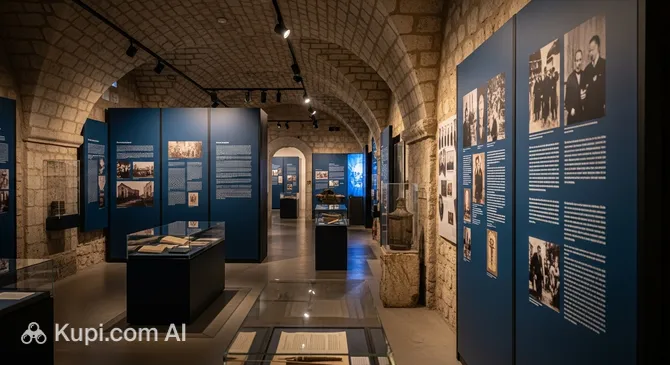
Museum of War and Genocide Victims
Museum of War and Genocide Victims. Иллюстрация. Источник: Kupi.com AI

The main feature of this place is its personal focus. Here, you won't find dry statistics—instead, personal diaries, broken watches, and family photos tell the story. Each artifact, discovered during excavations or donated by citizens, tells its own unique and often tragic tale, making the museum an important educational space for tourists from around the world.

The collection is constantly growing, reflecting the deep cultural and historical heritage of the region. It is a place for silence and reflection, helping visitors better understand the journey of the local population and recognize the value of peace and mutual understanding.

Contacts

To plan your visit or clarify details, you can contact the museum administration directly. The museum actively engages with the public through social media, where it shares news and exhibition updates.

How to contactContact
AddressМостар 88000, Босния и Герцеговина
Phone+387 61 462 898
Websitewww.facebook.com

What to Do

In the museum's halls, visitors can literally touch history through authentic artifacts and personal belongings. Photos and documents line the walls, while multimedia installations allow you to hear the voices of eyewitnesses to those events. Watching video materials provides a comprehensive view of the region's past that goes far beyond standard history textbooks.

The children's section deserves special attention. It features toys and records dedicated to the city's youngest residents, creating a powerful emotional resonance and prompting reflection on the value of every life. Studying the forensic evidence and documents presented in the exhibition turns the visit into a serious educational experience.

Walking through the halls, you will see objects that once belonged to ordinary people—doctors, teachers, and neighbors. These personal stories, woven into the museum's overall narrative, create a sense of involvement and help visitors grasp the human aspect of historical changes, making the experience truly profound and reflective.

Getting There

Finding this important cultural site is easy, as it is located in the very heart of the city's historic center. Mostar is a major transport hub, making it easy to reach from anywhere in the region by car or regular bus. The central bus station receives arrivals from major cities, and from there, you can walk to the museum while enjoying the ancient streets.

Since the museum is located in or very close to a pedestrian zone, a taxi from the city center will take you as close as possible to your destination. If you are already walking near the Old Bridge, the walk to the entrance will take only a few minutes. We recommend using navigation apps, as the labyrinth of narrow streets can be confusing for newcomers.

Ближайший город: Mostar

History & Facts

The ancient city where the museum is located has long been considered a symbol of multi-ethnic heritage. For centuries, representatives of different cultures and religions coexisted here, creating the region's unique architectural and social character. The famous Ottoman bridge, a UNESCO World Heritage site, served as the primary link between communities for decades.

The events of the 20th century left deep scars on the city's buildings, which today stand as silent witnesses to the past. The museum's founding was a response to the community's need to preserve the memory of people whose lives were altered by historical upheavals. The creators aimed to ensure these lessons of history are never forgotten by future generations.

A special place in the museum's archives is held by the stories of ordinary residents, such as Dr. Eniz Begić. His life and professional work prove that humanity and professional duty can transcend any ethnic or religious differences. Such examples help visitors better understand the importance of intercultural dialogue in the modern world.

Time Needed

To thoughtfully explore all the presented materials, you typically need 1.5 to 2 hours. This time allows you to leisurely examine personal items, read archival documents, and watch video testimonies, which are an integral part of the exhibition.

Many visitors note that due to the high emotional significance of the exhibits, they feel like spending a little more time here to process what they’ve seen. If you plan to study every display stand in detail and watch all the documentary footage, it's best to set aside about half a day for the visit.

Working Hours

The museum welcomes visitors daily from 9:00 AM to 9:00 PM. This extensive schedule, without days off, makes it accessible to tourists even with the busiest sightseeing plans.

Since official information can sometimes change, we recommend checking for current updates on the official Facebook page or confirming the operating hours on-site before your visit.

09:00–21:00

Nearby

Exploring the museum's surroundings allows you to better feel the unique spirit of this region, where monuments of different eras are found at every turn. A stroll through the historic quarters after visiting the exhibition will harmoniously complement your travel experience.

NameDistance
Koski Mehmed Pasha Mosque0.1 km
Stari Most (Old Bridge)0.2 km
Bišćević House0.2 km
Old Town Mostar0.2 km
Café de Alma0.2 km
Tima-Irma National Restaurant0.3 km
Crooked Bridge0.3 km

Reached the end of the page?

That means the route is fully explored