Support

Museum of Crimes Against Humanity and Genocide

About

The Museum of Crimes Against Humanity and Genocide in Sarajevo is an important memorial institution located in the capital of Bosnia and Herzegovina. Opened in 2016, the museum aims to preserve the memory of the tragic events of the 1992-1995 war. Since its founding, it has become a significant site for many tourists seeking to gain a deeper understanding of the region's complex history and honor the victims.
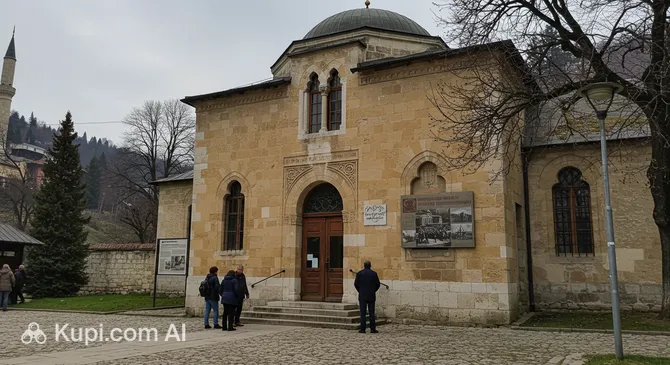
Museum of Crimes Against Humanity and Genocide. Illustration.
Source: Kupi.com AI

Traveler photos:

The museum's collection includes personal belongings of civilians, photographs, documents, and other visual materials that document the historical events of that period. These items tell poignant stories of human lives and serve as a powerful reminder of the devastating consequences of conflict. The museum strives not only to preserve historical memory but also to promote dialogue on the importance of peace and human rights.

A visit to the Museum of Crimes Against Humanity and Genocide provides a deep educational experience. It serves as an essential resource for those who want to learn more about the events of the 1990s in Bosnia and Herzegovina and their impact on modern society. It is a place for reflection that emphasizes the need to prevent such tragedies in the future and the value of human dignity.

Contacts

To get up-to-date information on opening hours, ticket prices, and contact methods for the Museum of Crimes Against Humanity and Genocide, it is recommended to visit its official website. You can also contact tourist information centers in Sarajevo for additional details and directions to the museum.

How to contactContact
Address1, Muvekita 11, Sarajevo 71000, Bosnia and Herzegovina
Phone number+387 62 052 058
Websitewww.facebook.com

What to Do

Visiting the Museum of Crimes Against Humanity and Genocide in Sarajevo offers an opportunity to dive deep into the complex chapters of Bosnia and Herzegovina's history. The museum's exhibits feature documentary evidence, photographs, and various materials that cover past events in detail. Visitors can explore facts that provide a better understanding of the historical context and the tragic events that shaped the region.

The museum aims not only to inform but also to provide space for reflection. Guests can carefully study the exhibits, which tell stories of human lives and the consequences of conflict. It is a place where history comes alive through personal items, documents, and visual testimonies, offering visitors food for thought on the importance of peace and humanitarianism.

One of the significant features of the museum is a dedicated room where every visitor has the opportunity to leave a message or share their thoughts. This interactive part of the exhibition allows guests to express their emotions and reflections after seeing the materials, making the visit more personal and memorable. This approach helps not only to preserve the memory of the past but also to foster a dialogue about the future.

Getting There

The Museum of Crimes Against Humanity and Genocide is located in the heart of Sarajevo, making it easily accessible for travelers. Thanks to its central location, the museum can be reached in various ways depending on your preference and starting point in the city.

If you are in central Sarajevo, you can reach the Museum of Crimes Against Humanity and Genocide on foot while enjoying the city's architecture. Public transport is also available – trams and buses pass near major tourist sites, including this museum. Check for the nearest stops on a local transport map or ask your hotel staff to find the most convenient route.

For a more comfortable and faster trip, taxis are always an option. A ride from most parts of Sarajevo to the museum won't take long given its central location. The museum is close to other significant landmarks, such as the historical tunnel, allowing you to easily include it in your overall sightseeing program for the capital of Bosnia and Herzegovina.

Nearest city: Sarajevo

History & Facts

The Museum of Crimes Against Humanity and Genocide in Sarajevo is a significant institution that opened its doors in 2016. Its primary mission is to preserve and pass on the memory of the tragic events that unfolded in Bosnia and Herzegovina between 1992 and 1995. The museum serves as a reminder of the hardships faced by the region's inhabitants and strives to prevent such tragedies from recurring through education and the presentation of historical facts.

The museum's location was chosen deliberately: it is situated near the famous Sarajevo War Tunnel, also known as the "Tunnel of Hope." This underground passage played a critical role in supplying besieged Sarajevo with food, medicine, and other essential resources, becoming a symbol of the city's resilience and survival. Its proximity to such an iconic site highlights the historical context of the exhibition.

The museum's exhibits are deeply moving and thought-provoking. They include an extensive collection of documentary evidence, personal belongings of victims and survivors, and photographs that starkly demonstrate the scale of the tragedy. The materials presented are intended not only to inform visitors but also to foster a deep understanding of the complex historical processes that led to these events and their consequences for the region.

A visit to the Museum of Crimes Against Humanity and Genocide leaves a lasting impression. This place does not just store artifacts of the past; it actively participates in a dialogue about the importance of peace, human rights, and responsibility. The museum strives to provide an objective picture of events based on facts and personal stories, allowing visitors to form their own opinions and realize the value of human life and humanitarianism.

Time Needed

When planning a visit to the Museum of Crimes Against Humanity and Genocide in Sarajevo, it is worth allowing enough time for a thoughtful tour. Given the seriousness and emotional weight of the exhibition, most visitors spend 1.5 to 3 hours here. This is usually enough time to see the main exhibits, read the information boards, and view the materials on display.

Some exhibits may require closer attention, especially if you wish to delve into personal stories or study the documentary evidence in detail. If you plan to carefully examine all sections of the museum, including any temporary exhibitions or spend time in reflection afterward, it is better to aim for the upper end of this time range or even a bit more.

It is important to remember that visiting such a museum can be emotionally challenging, so do not rush. Give yourself time not only to view the exhibits but also to process what you have seen. The pace of the visit is very individual, depending on your interest in the subject and personal perception.

Working Hours

The Museum of Crimes Against Humanity and Genocide in Sarajevo is an important place to visit. Exact opening hours may vary, so it is highly recommended to check for current information before your visit. The most reliable way to find the schedule is to visit the museum's official website or contact them directly. This will help you plan your visit and avoid potential inconveniences related to changes in the operating schedule.

Generally, memorial complexes and museums of this type are open to visitors year-round, but it is always best to verify this information in advance, especially if your trip coincides with holidays or the off-peak season. It is also worth asking if advance ticket booking is required. At certain times, particularly during the high tourist season, purchasing tickets in advance may be recommended or even mandatory to guarantee entry.

9:00 – 21:00

Nearby

Exploring the surroundings of the Museum of Crimes Against Humanity and Genocide in Sarajevo can significantly enrich your trip and provide a more complete picture of the city's multifaceted history and culture. After visiting the museum itself, a walk through the nearby streets and an introduction to other iconic sites will allow you to see various aspects of life in the capital of Bosnia and Herzegovina, creating a more comprehensive experience for your visit.

Several interesting sites are located near the museum and are well worth your attention. This is a wonderful opportunity to continue your exploration of Sarajevo, discovering both historical monuments and modern cultural spots within walking distance.

NameDistance
Sacred Heart Cathedral0.1 km
Orthodox Church of the Nativity of the Theotokos0.1 km
Gazi Husrev-beg's Bezistan0.1 km
Gallery 11/07/950.1 km
Markale Market0.2 km
Gazi Husrev-beg Mosque0.2 km
Latin Bridge0.3 km

Have you reached the end of the page?

So the route has been studied inside and out