Support

Juan Antonio Samaranch Olympic Hall

About

The Juan Antonio Samaranch Olympic Hall, formerly known as the "Zetra" Olympic Palace, is one of the most iconic sports arenas in Sarajevo, the capital of Bosnia and Herzegovina. This impressive structure was built specifically for the XIV Winter Olympic Games in 1984 and has since held an important place in the sporting and cultural life of the city.
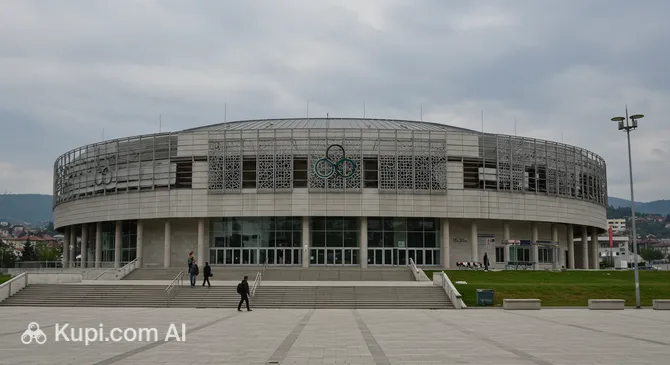
Juan Antonio Samaranch Olympic Hall. Illustration.
Source: Kupi.com AI

Traveler photos:

The hall is a multifunctional arena capable of hosting a wide variety of events. Originally designed for winter sports competitions such as figure skating and ice hockey, today it also serves as a venue for concerts by world stars, major exhibitions, fairs, and other mass cultural events. Its versatility makes it a sought-after facility year-round.

The complex is distinguished by its modern architectural appearance and significant capacity, allowing it to host major international competitions and gather thousands of spectators for landmark events. Visiting the Juan Antonio Samaranch Olympic Hall is an opportunity to touch the city's Olympic history and feel the atmosphere of great sporting and cultural occasions.

Contacts

To obtain current contact information for the Juan Antonio Samaranch Olympic Hall, including a phone number or email address, it is recommended to visit the venue's official website or contact local tourist information centers in Sarajevo. There you can find the most up-to-date data on opening hours and communication methods.

How to contactContact
AddressAlipašina bb Bjelašnica - Babin do Sarajevo, Sarajevo 71000, Bosnia and Herzegovina
Phone number+387 33 212-035
Websitewww.zoi84.ba

What to Do

The Juan Antonio Samaranch Olympic Hall in Sarajevo is an iconic venue offering visitors a variety of experiences. First and foremost, it is a major arena where you can watch exciting sports competitions, such as hockey matches and figure skating tournaments, including both national and international events. In addition, the hall frequently hosts spectacular ice shows, concerts by popular artists, and various exhibitions, making it an important center for the city's cultural and entertainment life.

Beyond attending events, guests can immerse themselves in the rich history of this place, which is inextricably linked to the 1984 Winter Olympics held in Sarajevo. Visitors can appreciate the architecture of the complex itself and soak in the unique atmosphere that is said to have been preserved here since the time of the Olympics. This site allows you to touch the city's Olympic legacy and feel the spirit of sporting victories.

Occasionally, special guided tours are organized on the grounds of the Olympic Hall, dedicated to the history of the Games and the Olympic movement in Sarajevo. Temporary themed exhibitions telling the story of the city's sports, culture, and history may also be held here. This provides an opportunity to gain a deeper understanding of the venue's significance and its role in the life of the capital of Bosnia and Herzegovina.

Getting There

The Juan Antonio Samaranch Olympic Hall is conveniently located near the center of Sarajevo, making it easily accessible for both tourists and locals. This allows you to easily include a visit to the arena in your city itinerary.

One of the most convenient ways to reach the hall is by public transport. Numerous bus and tram routes pass in the immediate vicinity of the arena, especially those heading towards the Centar district. It is recommended to check the appropriate route numbers in advance on the official city transport website or at the stops.

If you prefer a more comfortable way to travel, you can use taxi services. A trip from the center of Sarajevo to the Olympic Hall will take very little time. For those traveling by their own or a rented car, parking is provided near the complex. Additionally, walking enthusiasts can reach the arena from the city's central attractions in about 20-30 minutes, which is also a great opportunity to get a closer look at the streets of Sarajevo.

Nearest city: Sarajevo

History & Facts

The Juan Antonio Samaranch Olympic Hall, also known as "Zetra," is one of the symbols of Sarajevo's sporting glory. Its history began after the city won the right to host the 1984 Winter Olympic Games. The design of this significant ice palace was entrusted to the Sarajevo Institute of Architecture and Urbanism, with Dušan Džapa and Lidumil Alikalfić serving as the lead architects. Construction began on July 1, 1981, and by November 30, 1982, the arena was ready for operation, marking an important stage in the preparations for the Olympics.

The first serious test for the new sports facility was the World Junior Figure Skating Championships. This competition took place just two weeks before the start of the Olympic Games and served as a dress rehearsal, allowing all systems and services to be tested. During the 1984 Winter Olympics, the "Zetra" ice palace became one of the key venues, hosting figure skating and ice hockey competitions, as well as the Games' closing ceremony. These events forever inscribed it into Olympic history.

After the conclusion of the Olympic Games, the complex maintained its significance, continuing to serve as a venue for various sporting and cultural events. Following damage sustained in the 1990s, the hall was fully restored in 1999 with the support of the International Olympic Committee. As a sign of gratitude for his contribution to the Olympic movement and support for Sarajevo, the arena was renamed in honor of Juan Antonio Samaranch, the then-president of the IOC, who officially opened the 1984 Games. Today, the Juan Antonio Samaranch Olympic Hall is once again an important center for the sporting and cultural life of the capital of Bosnia and Herzegovina.

Time Needed

When planning a visit to the Juan Antonio Samaranch Olympic Hall in Sarajevo, you should allow for a duration of 1 to 2 hours. This time is generally sufficient for a self-guided tour of the hall, getting to know its architecture and history, especially if your goal is a general impression or attending a short event.

If you plan to join a guided tour, which may include a more detailed account of the Olympic venue's history and its role in the life of Sarajevo, or if you are attending a major sports competition, concert, or another large-scale event, significantly more time will be required. In such cases, the length of your visit will depend on the event program and can take anywhere from a few hours to an entire evening. It is recommended to check the event schedule in advance to plan your time optimally.

Working Hours

The Juan Antonio Samaranch Olympic Hall in Sarajevo does not have standard daily opening hours for general public visits, as its operations depend directly on the schedule of events being held, such as sports competitions, concerts, or exhibitions. The arena is primarily open to the public on the days of these events.

To obtain the most up-to-date information regarding opening hours, the schedule of upcoming events, and the necessity of pre-booking tickets, it is strongly recommended to visit the official website of the Olympic Hall or contact local tourist information centers in Sarajevo. This will allow you to plan your visit and ensure you don't miss an event of interest.

8:00 – 16:00

Nearby

A visit to such an iconic site as the Juan Antonio Samaranch Olympic Hall often becomes a starting point for a deeper exploration of Sarajevo. To truly feel the spirit of the city and diversify your experience, it is worth paying attention to the interesting places nearby.

A walk around the Olympic Hall area will allow you to discover new facets of the capital of Bosnia and Herzegovina, seeing both modern and historical sights, each telling its own unique story. Below is a list of some notable nearby places that can complement your trip.

NameDistance
Pionirska Dolina0.7 km
The Four Rooms of Mrs. Safija1 km
Avaz Twist Tower1.4 km
Ali Pasha Mosque1.6 km
Jazzbina1.6 km
Zlatna Ribica Bar1.7 km
Markale Market1.8 km

Have you reached the end of the page?

So the route has been studied inside and out