Support

Riviere du Loup

About

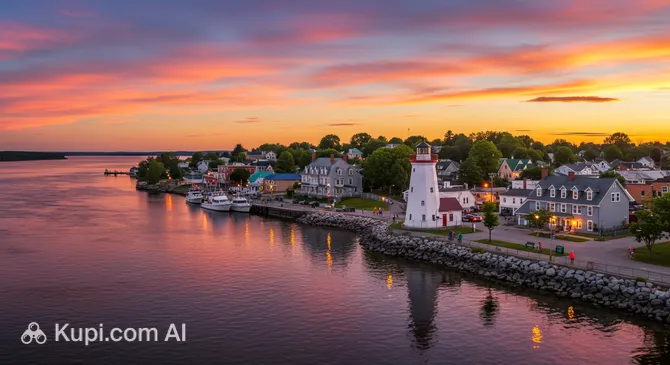
Rivière-du-Loup is a picturesque and cozy city located on the southern shore of the majestic St. Lawrence River in the province of Quebec. This charming corner of Canada is famous for its relaxed atmosphere and stunning panoramic views of the water, which literally enchant travelers from their very first minutes here.

Rivière-du-Loup. Illustration.
Source: Kupi.com AI

Despite its relatively small population of about 20,000 people, the city plays an important role as a regional transport hub. Highways and railways converge here, and a ferry service connects the south shore with the north. The rich history of Rivière-du-Loup harmoniously intertwines with modernity: historic architecture stands alongside cozy cafes and artisan shops, creating a unique character.

The city's main calling card is its nature. Rivière-du-Loup is known for its legendary sunsets, which are considered among the most beautiful in the region, as well as opportunities for whale watching in the waters of the estuary. The surrounding hills and forests are ideal for hiking and cycling. If you are looking for authentic experiences and want to escape the hustle and bustle of major metropolises, this city is an excellent choice for your journey.

Weather Overview

The climate in this region features distinct seasonality, allowing tourists to enjoy various types of leisure depending on the time of year. Before your trip, it's recommended to check what the weather in Rivière-du-Loup will be like so you can choose the right wardrobe.

Winter months here are truly frosty. In January, the average temperature drops to -9.8°C, and at night it can reach -13.0°C. This time of year is characterized by consistent cold and regular snowfall: on average, precipitation is observed about 12–13 days a month.

Summer, by contrast, offers mild warmth without exhausting heat. The warmest month is July, when the average temperature is 18.2°C, and daytime highs reach 21.6°C. Expect a comfortable, moderately warm summer with occasional rain and cold winters. Although the amount of precipitation in millimeters may be small, rainy or overcast days occur quite often—roughly 11–13 times a month throughout the year.

Spring and autumn serve as transitional periods with rapidly changing conditions. While in March the temperature still hovers around -3.3°C, by May the air warms up to 8.9°C. September brings a pleasant coolness (about 13.6°C), but by November, the city returns to winter mode with temperatures around -0.2°C.

Average monthly temperature

Average monthly precipitation

Interesting Facts

Rivière-du-Loup holds many curious stories and natural secrets that reveal themselves only to the attentive traveler. Beyond its famous panoramic views, this city can surprise even seasoned tourists with its legends and unique geographical location.
  • The Mystery of the Name. The city's name literally translates as "Wolf River." According to an old legend, this name arose because wolves once inhabited the local forests, and the river served as their favorite watering hole.

  • Whale Capital. Rivière-du-Loup is recognized as one of the best places in the world for observing marine mammals. The uniqueness of the location lies in the fact that from spring to autumn, the migration of belugas and other whales can be seen not only during special boat tours but often right from the shore.

  • Gateway to Gaspésie. The city plays a key strategic role for travelers: it is often called the "Gateway to Gaspésie." This is where the famous tourist routes through the picturesque peninsula begin, and it is a mandatory stop for those traveling along the majestic St. Lawrence River.

  • Architectural Gem. The city has preserved the spirit of the past through its 19th-century buildings. A particular point of pride is the magnificent railway station, which is considered a true architectural monument and a symbol of the golden era of Canadian railways.

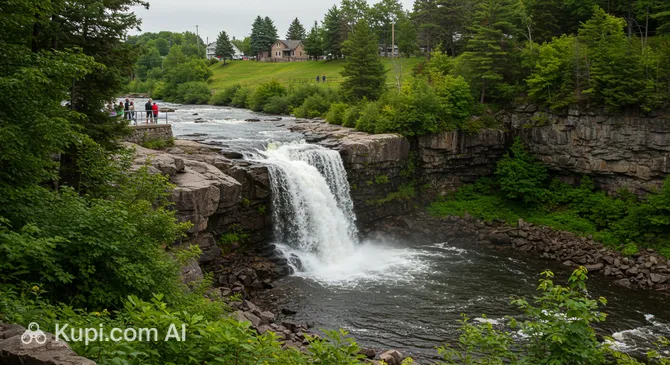
Parc des Chutes (Falls Park). Illustration.
Source: Kupi.com AI

Traveler photos:

How to Get There

When planning a trip to this picturesque region, it's worth thinking through your route in advance, as the city is located away from major international hubs. All ways to get to the city are described in detail on a separate page, and below we will look at the main transport hubs through which tourists most often reach Rivière-du-Loup.

There is no airport in the city itself that accepts regular passenger flights. Most travelers choose Quebec City Jean Lesage International Airport (YQB). It is located in Quebec City, approximately 181 km from Rivière-du-Loup. Thanks to convenient highway connections, a car trip from the airport will take about 2 hours. This is the largest transport hub in the area with a high volume of flights.

A closer option is the regional Mont-Joli Airport (YYY), located in the town of Mont-Joli at a distance of about 130 km. Since both cities are on the same shore and connected by a highway, travel time by car is approximately 1.5 hours. Saguenay-Bagotville Airport (YBG) (122 km) also operates in the region, but logistics from there can be more complicated due to geographical features.

Summary information for the nearest airports:

AirportPassenger trafficDistance
Saguenay-Bagotville Airport200 000122 km
Mont Joli Airport60 000131 km
Presque Isle Municipal Airport21 633169 km
Baie-Comeau Airport22 500175 km
Quebec City Jean Lesage International Airport1.7 mln181 km

If you prefer rail transport, the nearest major stations are also in Quebec City. The main passenger flow is handled by the Quebec City Railway Station (Gare du Palais), located about 170 km from Rivière-du-Loup. Transfer by car or bus from the station to your destination will take about 2 hours.

An alternative is the Sainte-Foy Railway Station, also located in Quebec City (about 179 km). Both stations provide comfortable connections to other regions of the country and are convenient transfer points for further travel east along the St. Lawrence River.

Below is the data for the nearest railway stations:

StationPassenger trafficDistance
Quebec Railway Station1.2 mln170 km
Sainte-Foy Railway Station750 000179 km
Charny Station50 000181 km

Main Attractions

Rivière-du-Loup offers guests a harmonious blend of natural beauty and urban entertainment. A visit to the city should begin with its main natural gem — Parc des Chutes (Waterfall Park). This scenic spot is located in the very heart of the city and captures the imagination with its majestic 33-meter waterfall. For tourists, convenient walking trails and observation decks are provided, offering breathtaking views of the surroundings. This is an ideal place for those who want to enjoy the power of the water without leaving the city limits.

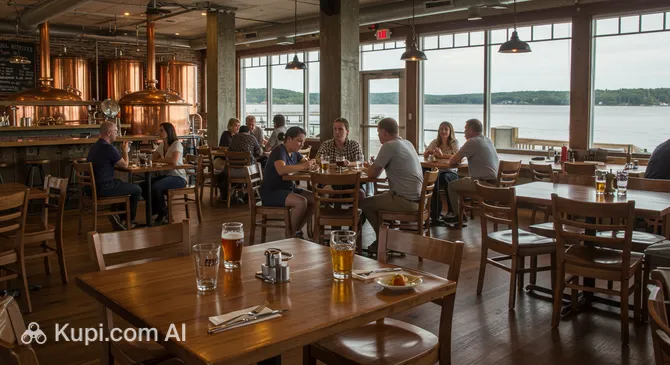
After a walk in the fresh air, many travelers head out to explore the local gastronomic culture. One popular attraction is the Aux Fous Brassant Brewery. This establishment attracts visitors with its authentic atmosphere and wide selection of craft beers brewed right on-site. Tourists appreciate this place for the chance to immerse themselves in an informal setting, chat with locals, and try drinks that reflect the taste of the region.

Aux Fous Brassant Microbrewery. Illustration.
Source: Kupi.com AI

Traveler photos:

For shopping enthusiasts, the Rivière-du-Loup Shopping Center is the main draw. It is a large complex where you can find clothing, electronics, and gift shops. A visit to the mall is a great leisure option if the weather isn't suitable for walking or if you need to buy souvenirs to remember your trip to Quebec.

Another place deserving of gourmets' attention is L’Innocent restaurant. The establishment is famous for its hospitality and cozy interior. Here, you can enjoy a pleasant evening with friends or family, savoring dishes prepared with high-quality products. It’s an excellent choice to wrap up a busy day full of city exploration.

Local Cuisine

The culinary scene in Rivière-du-Loup is a fascinating symbiosis of old Quebecois traditions and the natural riches surrounding the city. Proximity to the St. Lawrence River dictates the rules: the local menu is always based on the freshest seafood. Travelers should definitely try the tender scallops, mussels, and oysters served in coastal establishments. Dishes made from Atlantic salmon, prepared according to local recipes, are also particularly popular.

For those wanting to experience authentic Quebec cuisine, a must-try is the "tourtière" — a hearty meat pie traditionally prepared for family holidays, but now available in restaurants year-round. You also can't miss the famous poutine — french fries topped with fresh cheese curds and a thick gravy. In Rivière-du-Loup, this street food dish is prepared with special flair, often incorporating local ingredients.

Sweet tooths will remember the region for its maple syrup, which is added to almost everything here. A true symbol of home comfort is "pouding chômeur" (unemployment pudding) — a dessert invented during the Great Depression. It consists of a sponge cake soaked in hot caramel-maple syrup and is served today in the city's best cafes. Local markets are also worth exploring for craft cheeses, homemade jams, and smoked delicacies from local farmers.

L'Innocent. Illustration.
Source: Kupi.com AI

Traveler photos:

Regarding drinks, the culture here is closely tied to local production. Craft brewing is well-developed in the city and surrounding areas, so a glass of local ale or stout will be a great addition to dinner. You can experience the atmosphere of hospitality and appreciate the variety of flavors at establishments like L’Inносант, where the menu is often updated depending on the season and the catch.

Travel Tips

Rivière-du-Loup is an incredibly hospitable city, but knowing local features and a bit of preparation will make your trip truly carefree. We've compiled a list of practical recommendations to help you plan your journey and feel confident in any situation.

  1. Clothing and gear. Proximity to the wide St. Lawrence River means it is often windy here. Even in summer, be sure to bring a windbreaker or light jacket for evening strolls along the waterfront. If you're planning a whale-watching cruise, dress significantly warmer than you would on shore: it's always cool on the water. For visiting Parc des Chutes, you'll need comfortable, non-slip shoes.

  2. Transportation. Rivière-du-Loup is a small city, and public transport is not as extensive as in major metropolises. For maximum freedom to explore the region and visit natural attractions, renting a car is highly recommended. Within the center, you can get around by taxi (local services like Taxi RDL are popular), as familiar apps like Uber may be unavailable or unreliable.

  3. Finances and tipping. The currency is the Canadian Dollar (CAD). Credit cards (Visa, Mastercard) are accepted almost everywhere, from restaurants to souvenir shops. However, having some cash for small expenses at markets or in small cafes is useful. Remember the tipping culture: in Canada, it is customary to leave 15–20% of the bill in restaurants and taxis, as service is typically not included in the price.

  4. Health and pharmacies. The city is safe for tourists, and there are no serious threats. Pharmacies (such as the Jean Coutu or Uniprix chains) are easy to find in the center, but note that 24-hour pharmacies may not be available—stock up on necessary medications in advance. The emergency number for all services is 911.

  5. Language barrier. Rivière-du-Loup is located in the French-speaking region of Quebec. While staff in hotels and tourist spots often speak English, the primary language of communication is French. Download an offline translator and learn a few basic phrases. Free Wi-Fi is available in most cafes and hotels, and it's best to purchase a SIM card in a major city upon arrival in the country.

  6. Local etiquette. Quebecers are very polite and value friendliness. When entering a shop or addressing someone, it is customary to say "Bonjour" (Good day). This simple word will immediately win over your interlocutor. It is also customary to respect queues and personal space—do not stand too close to others in line.

  7. What to avoid. A major tourist mistake is starting a conversation immediately in English without first asking if the person speaks it. This can be perceived as disrespectful. It is better to start with "Bonjour" and the phrase "Parlez-vous anglais?" (Do you speak English?). Also, avoid loud conversations in quiet public places and in nature.

  8. Pro tip. If you're traveling in summer, definitely plan a dinner on one of the terraces overlooking the river at sunset. In Rivière-du-Loup, sunsets are considered among the most colorful in the world, and locals often head to the waterfront specifically to enjoy the view. Don't miss this moment!

Following these simple rules will help you easily blend into the rhythm of Rivière-du-Loup and enjoy its unique atmosphere without extra hassle. We wish you an unforgettable journey and bright impressions as you explore this wonderful corner of Quebec!

Entertainment & Nightlife

Entertainment and nightlife in Rivière-du-Loup possess the special charm characteristic of small Quebecois towns. Here, you won't find noisy metropolitan clubs with long queues; instead, you'll discover a culture of cozy pubs, atmospheric gastrobars, and lively terraces. Nightlife here is primarily about socializing, great music, and quality drinks in the company of friends.

The epicenter of evening activity is undoubtedly Rue Lafontaine. This is the city's main artery, where most entertainment venues are concentrated. In the evening, the street transforms: lights come on, bar doors open, and the air fills with music and laughter. This is the best neighborhood for those who want to stroll and visit several places in one evening, as everything is within walking distance.

Fans of craft beverages and a lively atmosphere should definitely visit the Aux Fous Brassant Brewery. This place is a true local pride, brewing its own beer and regularly hosting live music nights. The crowd here is diverse: from local college students to tourists looking to join the local culture. The style is casual, so a strict dress code is not required.

If you are looking for a quieter evening that can begin with dinner and continue with a cocktail, consider L’Innocent. This restaurant-bistro is renowned for its hospitality and cozy interior, perfect for long conversations. In the warmer months, their summer terrace is particularly popular for enjoying mild evenings.

Practical tips for tourists:

  • Opening hours: Bars are usually open until 2:00–3:00 AM, especially on weekends. However, keep in mind that kitchens in most places close fairly early, around 9:00 PM or 10:00 PM.
  • Prices: The average bill in bars is moderate. A glass of beer or a cocktail will cost less than in major cities like Montreal or Quebec City.
  • Safety and Transport: Rivière-du-Loup is a very safe city, and walking through the center (especially around Rue Lafontaine) is comfortable even after dark. There are no night buses, so if your hotel is far away, it is best to call a taxi by phone, as apps may not always find available cars.

Daytime leisure in the city is also diverse. Besides nature walks, you can spend time shopping. The large Rivière-du-Loup Shopping Center offers a wide range of stores and services. It’s a great place to buy travel essentials or simply spend time if the weather isn't right for outdoor activities.

Rivière-du-Loup Shopping Centre. Illustration.
Source: Kupi.com AI

Traveler photos:

Parks & Museums

Rivière-du-Loup is a city where nature and culture exist in inseparable harmony. Besides breathtaking views of the St. Lawrence River, there are wonderful green oases and museums that carefully preserve the region's heritage, offering tourists a chance to immerse themselves in an atmosphere of comfort and history.

One of the favorite spots for walks among locals and guests is Parc de la Pointe. This natural area stretches along the riverbank and is famous for its cycling and walking paths. People come here to see the legendary sunsets, which National Geographic once included in its list of the most beautiful in the world. Within the park, you can find the whimsical "Indian Head" rock (Tête d'Indien), which has become a symbol of the coastline, or simply enjoy the fresh salt breeze.

Located in the very center of city life is Parc des Chutes (Waterfall Park). This is the city's "green lung," where the main feature is a powerful 33-meter waterfall. The park is perfect for those who want to briefly escape the city bustle without leaving town: it is equipped with observation decks and trails that allow you to view the cascade from different angles. It is also worth mentioning Parc de la Croix, which offers a magnificent panorama of the city and the river — an ideal spot for commemorative photos.

To dive into the regional cultural context, visit the Musée du Bas-Saint-Laurent. This institution is unique as it combines Quebecois contemporary art and the ethnological history of the region under one roof. The permanent exhibition "Faces and Landscapes" tells the story of local residents through rich photographic archives, allowing visitors to trace how the region has changed over the decades.

Manoir Fraser deserves special attention. This grand 19th-century mansion, which belonged to the family of the city's founders, has been converted into an interactive museum. Visitors can walk through restored interiors, learn about the lives of the seigneurs of that time, and the history of Rivière-du-Loup's development. In summer, engaging tours are conducted, and the spirit of the Victorian era is felt in every detail.

For those looking for hidden gems, we suggest checking out the small art galleries downtown or strolling to the wharf where the ferries depart. And if you find yourself in Parc de la Pointe during low tide, don't miss the chance to walk on the exposed riverbed — it gives a completely different sense of the water's scale.

Getting Around

The transport system in Rivière-du-Loup fully matches the measured pace of life in this small city. You won't find a metro, trams, or a complex commuter rail network typical of large cities. The city is quite compact, and many key locations in the center are accessible on foot; however, to move comfortably between districts, shopping centers, and natural parks, it’s helpful to know about local logistics.

The main form of public transport is the municipal bus service, often called Citébus (or Transport collectif). The routes are simple: buses run on a specific circular schedule, connecting residential neighborhoods with the center, the college, the hospital, and shopping areas. It is important to note that service intervals can be long (once an hour or less), and schedules are often reduced on weekends and holidays. This is not the type of transport where you can count on spontaneity, so plan your trips in advance.

The payment system on Rivière-du-Loup buses is conservative. The most reliable way is to pay cash directly to the driver upon boarding. It is crucial to have the exact amount (change), as drivers do not give change. Fares are reasonable, typically a few dollars. For those staying in the city long-term, there are monthly passes or ticket booklets available at specific sales points (such as pharmacies or City Hall), but for a short-term tourist, using coins is easier.

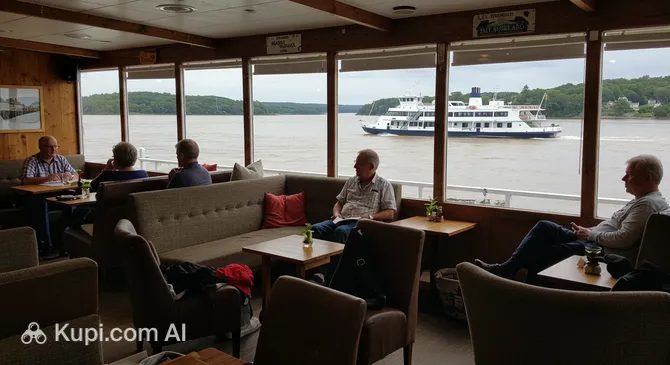
A unique transport feature of the city is the ferry (Traversier), which connects Rivière-du-Loup with the town of Saint-Siméon on the other side of the river. While this is more inter-city transport, the terminal itself is within city limits and serves as an important hub. A ferry trip is not just a way to reach the other shore, but a full excursion with magnificent views of the Saguenay Fjord and, if you're lucky, the chance to see whales.

For tourists who value freedom of movement, the best alternative to public transport is renting a car or using a taxi. Local taxi services (e.g., Taxi RDL) operate in the city, are reliable, and know every corner of the region. Global ride-sharing apps may be unreliable or non-existent here. A car is especially useful if you want to explore the surrounding parks or drive along the coast.

In the summer season, Rivière-du-Loup turns into a city of cyclists. It has an excellent network of bike paths, which are part of the famous "Route Verte" (Green Route). Many hotels offer bicycle rentals, and this is perhaps the most pleasant way to explore the waterfront and park areas while enjoying the fresh river air.

Accommodation

Rivière-du-Loup offers travelers a variety of accommodation options to suit every taste and budget. The city's hotel sector is well-developed, as it has historically been an important stopover for those traveling to Gaspésie or the Maritime Provinces. Here you can find everything from cozy Victorian-style family inns to modern chain hotels, classic roadside motels, and scenic campgrounds.

When choosing a place to stay, consider the purpose of your visit. If you want to enjoy the famous sunsets and sea breeze, look for accommodation in the Pointe-de-Rivière-du-Loup area (La Pointe). This is a resort zone right by the river, where the most atmospheric hotels and chalets with panoramic views are located. For those who prefer to be in the heart of the action, close to restaurants and cultural life, the city center (Centre-ville) is ideal, especially within walking distance of Rue Lafontaine. Transit travelers will find it convenient to stay in motels along the main highways, which offer a comfortable night's sleep with easy access back to the road.

The region is given a special charm by traditional Quebecois "gîtes" (B&Bs) and historical "auberges" (inns). These are often located in restored historic mansions and offer more than just a place to sleep—they provide immersion into local culture with homemade breakfasts. They are an excellent choice for couples and those seeking privacy and a unique atmosphere.

Booking Tips:

The summer season (June to September) in Rivière-du-Loup is peak time. The city is popular not only with foreign tourists but also with Canadians. If you plan to visit in July or August, it is highly recommended to book accommodation 2–3 months in advance, especially if you want a room with a view of the St. Lawrence River. In the off-season, finding a vacancy is much easier, and prices become more affordable.

The price range varies from budget to above average. Inexpensive motels and campgrounds offer basic conditions at an affordable price, while historic waterfront hotels and boutique inns fall into a higher price category. You can book accommodation through popular international online platforms; however, many small family-run gîtes are happy to take direct bookings through their websites or by phone, sometimes offering better terms.

Nearby Cities

For those looking to explore the surroundings, Rivière-du-Loup serves as an excellent starting point for day trips to several interesting nearby locations:

Just an hour's drive east along the coast is Rimouski. This city is considered the maritime capital of the region and attracts tourists with its rich maritime history. Here you can visit the Pointe-au-Père maritime historic site, see one of the tallest lighthouses in the country, and explore the Onondaga submarine, which has been converted into a museum.

Nature lovers who appreciate majestic landscapes should head to Saguenay. The road north takes a bit longer, but the destination is the famous Saguenay Fjord — a unique natural formation with steep cliffs and deep waters. This is an ideal destination for those seeking outdoor activities and impressive photo opportunities.

Although Quebec City is a bit further away, it remains one of the most popular destinations to visit. The provincial capital, a UNESCO World Heritage site, enchants with its European architecture, old fortifications, and the famous Château Frontenac. A stroll through the cobblestone streets of Old Quebec is an unforgettable experience.

CityPopulationDistance
Rivière-du-Loup19 4470 km
La Malbaie8 00050 km
Rimouski48 664101 km
Edmundston16 580104 km
Frenchville1 000106 km

These nearby destinations provide a great overview of the region's diverse culture and landscapes.

Shopping & Souvenirs

Shopping in Rivière-du-Loup is a pleasant and leisurely activity that allows you to combine the search for essentials with immersion in the local culture. While the city doesn't claim to be a fashion capital, you can find everything here: from high-quality clothing and outdoor gear to unique products from the Bas-Saint-Laurent artisans. Special attention should be paid to local gastronomic shops and boutiques selling goods produced with love and respect for Canada's traditions.

The main commercial artery of the city, where a special atmosphere prevails, is Rue Lafontaine. This is the historical center of commercial life, perfect for walking. Here, among restored buildings, you'll find cozy bookstores, boutiques for men's and women's clothing, and souvenir shops. A walk down this street allows you to not only make purchases but also feel the rhythm of city life by stopping at one of the many coffee shops.

If you're interested in major brands and a wide range of goods in one place, you should visit the Rivière-du-Loup Shopping Center. This is the region's main shopping mall, housing over 70 stores, including well-known clothing, footwear, electronics, and home goods chains. The complex is convenient for tourists due to its large parking lot and food court, where you can take a break between shopping sessions.

During the summer season, the Public Market (Marché public Lafontaine) becomes a real magnet. It operates outdoors and brings together farmers and artisans from across the region. This is the best place to buy fresh seasonal fruits, homemade cheeses, jams, and pastries. The atmosphere at the market is always festive, and you can often meet the producers themselves, who are ready to talk about their products.

When choosing gifts to remember your trip, look for the edible souvenirs for which Quebec is famous. Maple syrup and maple-based products—like butter, candy, or cookies—are always a win. Beer enthusiasts should pick up a few bottles of local craft brews. For instance, the Aux Fous Brassant Brewery offers an excellent selection of varieties that make great gifts for friends. Wool and wood products created by local craftsmen are also popular.

Shops in the city are usually open from 9:30 AM to 5:30 PM from Monday to Wednesday. On Thursday and Friday, many retail outlets, especially in shopping centers, stay open later—until 9:00 PM—which is very convenient for evening shopping. On weekends, hours are reduced: shops close around 5:00 PM on Saturdays and are open from noon to 5:00 PM on Sundays. Credit and debit cards are accepted almost everywhere, but cash might be useful at the market or in small kiosks.

Tourists should remember that in the province of Quebec, sales tax (about 15%, consisting of the federal GST and the provincial QST) is not included in the price on the tag and is added at the register. A Tax-Free refund system for foreign tourists in Canada, in the usual European sense, does not currently exist, so keep this surcharge in mind when planning your budget.
Reached the end of the page?

That means the route is fully explored