Support

Jonquiere

About

Jonquière is a picturesque and cozy district of the city of Saguenay, nestled on the banks of a majestic river in the heart of the province of Quebec. This corner of the world serves as an ideal gateway to explore the rugged yet beautiful northern nature for which Canada is so famous. Here, the tranquility of provincial life, French-Canadian traditions, and the rhythm of a modern city are wonderfully intertwined.
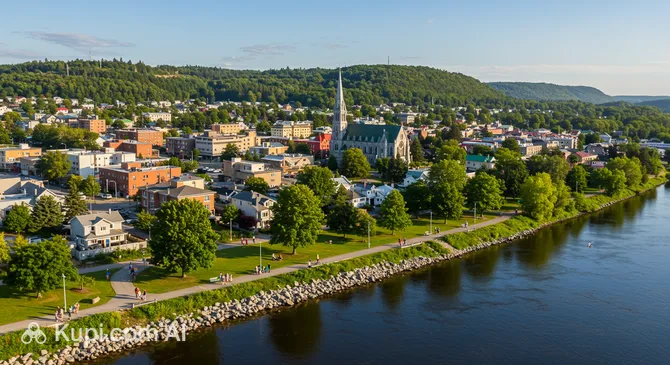
Jonquiere. Illustration.
Source: Kupi.com AI

Jonquière's geographic location is truly unique: it is surrounded by dense forests and hills, and just a few kilometers from the residential neighborhoods begins the famous Saguenay Fjord — the only fjord in eastern North America. With a population of about 66,000, the city maintains a warm atmosphere of hospitality while remaining an important cultural center for the region.

Strolling through the streets, you will notice how the past meets the present: old brick buildings stand alongside trendy art galleries and coffee shops filled with the aroma of fresh pastries. The distinctive history of Jonquière has shaped its unique character, which locals carefully preserve even after the merger with neighboring municipalities.

It is worth coming here for the special atmosphere of comfort, visiting local gastronomic festivals, and experiencing authentic Quebec culture. Jonquière will be an excellent starting point for a grand journey through the Saguenay–Lac-Saint-Jean region, offering unforgettable experiences for both nature lovers and urban explorers alike.

Weather Overview

The climate in Jonquière is characterized by a clear change of seasons, offering tourists completely different conditions depending on the time of year. Summer here is pleasant and fresh, without exhausting heat: the warmest days occur in July with an average temperature of 19.5°C and highs around 24.2°C. This is an ideal time for exploring city streets and nature parks.

Winters, on the other hand, are harsh and long, which is typical for the Saguenay region. In January, the thermometer average drops to -12.9°C, and at night, frosts can reach -17.4°C. Travelers should take care to pack warm, layered clothing if the trip is planned for the period from December to March.

Expect moderately warm summers and cold, snowy winters, with precipitation falling quite consistently throughout the year — an average of 12 to 16 rainy or snowy days per month. To choose the best dates for your visit and pack your luggage correctly, we recommend checking the detailed weather in Jonquière by month in advance.

Average monthly temperature

Average monthly precipitation

Interesting Facts

Beyond its main attractions, Jonquière holds many fascinating secrets and historical details that make it unique. Here are a few facts to help you better understand the character of this place:

  • Historical Transformation: For a long time, Jonquière was an independent city, but a major reorganization took place in 2001. It merged with neighboring municipalities to become one of the key districts of the new city of Saguenay. This event went down in history as one of the largest administrative transformations in Quebec.

  • Industrial Heritage: Jonquière is known as an important railway hub and industrial center. In the 20th century, the pulp and paper industry flourished here, playing a decisive role in the economic development of the entire region.

  • Pioneer Spirit: Legends of old loggers and daredevils who conquered turbulent rivers and dense forests live on in the city. These tales of strength and endurance are passed down from generation to generation, creating an aura of romance and adventure around Jonquière.

  • Birthplace of Talent: Locals are very proud of their fellow citizens. Jonquière has been the hometown for many famous artists, musicians, and athletes whose achievements have made this corner of Canada famous far beyond its borders.

How to Get There

When planning a trip to this region, it is important to think through the logistics in advance, as Jonquière is somewhat distant from the province's main metropolises. You can find all the ways to get to the city in detail, and below we look at the main transport hubs used by tourists.

The most convenient option for arriving by air is Saguenay-Bagotville Airport (YBG). Note that it is not located in Jonquière itself, but in the neighboring district of Saguenay, about 21 km from the center. A taxi or transfer will take about 50 minutes. This is a regional airport, primarily serving domestic flights.

For international flights, travelers often choose Québec City Jean Lesage International Airport (YQB). It is located in Quebec City, approximately 180 km from Jonquière. The journey from there by rental car or intercity bus takes about 3–4 hours, but this airport offers many more direct flight options.

For convenience, here is summary information on the main airports:

If you prefer ground transportation, it is worth considering the rail service. The nearest major station is Gare du Palais (Quebec City Train Station). It is located in Quebec City, about 177 km from Jonquière. There is no direct train to the center of Jonquière in this list, so from the Quebec station, you will need to transfer to a bus or car, which will take about 3–4 hours of travel time.

Below is information about the nearest significant railway stations:

Main Attractions

Jonquière offers travelers an interesting blend of urban strolls, immersion into industrial history, and outdoor activities. The city, part of the Saguenay metropolitan area, has preserved its unique spots that are definitely worth including in your travel itinerary.

Parc de la Rivière-aux-Sables

This is the true heart of city life and a favorite recreation spot for locals. The park stretches along the riverbanks, offering scenic walking paths, bike trails, and cozy picnic areas. The main architectural landmark is an impressive pedestrian bridge spanning the river, providing magnificent views of the city and the water. This spot is interesting for tourists due to its lively atmosphere: festivals, concerts, and open-air cultural events are regularly held here, allowing you to feel the real rhythm of Jonquière.

Sir William Price Heritage Centre (Centre d'histoire Sir-William-Price)

Located in the historic Memorial Hall building, this museum is dedicated to the region's rich industrial past. The exhibitions fascinatingly tell the story of the pulp and paper industry's development and how it shaped the appearance and character of the modern city. The center is worth visiting not only for the informative exhibits but also for the building's Tudor Gothic architecture and the picturesque surrounding garden, which is one of the oldest arboretums in the region.

Mont Fortin

For active recreation enthusiasts, this place is a must, especially if you are traveling in winter. Mont Fortin is a popular recreation center offering slopes for downhill skiing, snowboarding, and tubing right within the city limits. In summer, the hill turns into a great location for hiking. Tourists are attracted by the resort's incredible accessibility and the opportunity to enjoy panoramic views of Jonquière and its surroundings from above without traveling far from civilization.

Local Cuisine

The cuisine of Jonquière is a harmonious blend of French culinary traditions and a hearty "northern" menu perfectly suited to the Quebec climate. The gastronomic hallmark here is undoubtedly poutine. This legendary dish of crispy fries, fresh cheese curds, and thick hot gravy can be found almost everywhere: from small roadside snack bars to established restaurants. In the winter season, to warm up after walks, locals and tourists often order thick soups and rich stews, which are prepared here with special love and generosity.

The proximity of the Saguenay River and the region's fertile lands determines the wealth of local ingredients. Gourmets should definitely try dishes made with salmon and other fish caught in the clean cold waters. Jonquière is famous for its master smokers, so smoked fish and homemade meat pâtés here are distinguished by incredible flavor. Fresh farm products are always widely represented in markets and on menus: from aromatic cheeses and deli meats to seasonal berries.

Sweets lovers will be delighted by the local pastries. Traditional maple pies and fresh buns perfectly complement a cup of aromatic coffee in city cafes. Maple syrup is a true cult here; it is not only added to desserts but also used in meat marinades, giving dishes a unique caramel hint. If you find yourself in the city in autumn, visit the harvest festivals where you can taste the region's best products.

The food culture in Jonquière is casual and cozy. Street food is excellent for a quick snack: hot meat pies and sandwiches are in constant demand among travelers. In the evening, it's worth visiting one of the local bistros, which often host themed nights with live music. Regarding drinks, special attention should be paid to craft beer from local breweries, as well as local wines, which are becoming increasingly popular in Quebec.

Travel Tips

A trip to Jonquière promises to be memorable, as this district combines the coziness of a small town with proximity to wild nature. To ensure your trip to this corner of the world, which Canada is so proud of, goes as smoothly as possible and without surprises, we have prepared a list of important recommendations based on local realities.

  1. Clothing and gear: The weather here dictates its own rules. In winter (from December to March), warm, windproof clothing, thermal underwear, and shoes with non-slip soles are critical, as sidewalks can be icy. In summer, the weather is comfortable but changeable: it can be hot during the day, while evenings by the river are often cool, so be sure to bring a windbreaker or fleece jacket.
  2. Transport: Although there is a municipal bus system (STS), intervals can be long, and routes do not always cover all tourist spots. The most convenient way to get around is by renting a car. This will give you the freedom to explore not only the city but also the surrounding fjords. Taxis and local ride-hailing apps work, but relying solely on them can be costly.
  3. Finances: The official currency is the Canadian dollar. Bank cards (Visa, Mastercard) are accepted everywhere, even in small coffee shops. However, having some cash on hand ($5–20 bills) is useful for tips or purchases at farmers' markets. The customary tip in restaurants and taxis is 15–20% of the bill, as service is usually not included.
  4. Health and safety: Jonquière is a quiet and safe district where you can walk without fear even after dark. Pharmacies (e.g., Jean Coutu or Pharmaprix chains) are frequent, but note that there are few 24-hour locations. Tap water is safe to drink — it is of excellent quality and very clean here.
  5. Communication: The primary language of communication is French. Unlike Montreal, fewer people here speak English fluently, especially among the older generation. Locals will greatly appreciate it if you learn a few phrases, such as "Bonjour" (Good day) and "Merci" (Thank you). Download an offline translator on your phone — it will significantly facilitate communication.
  6. Local etiquette: Quebecers are very polite and friendly. It is customary to greet the staff when entering a shop or a bus. In queues, maintain distance and order — it is not customary to push or cut in line. If you accidentally bump into someone, a simple "Pardon" will be enough to resolve the incident.
  7. What to avoid: Do not criticize or mockingly compare the local French dialect with the "Parisian" version — this can seriously offend residents proud of their identity. Also, avoid loud conversations and noise in public places and residential areas after 10:00 PM.
  8. Seasonal tip: If you are traveling in August, be sure to try the local blueberries (bleuets). The Saguenay–Lac-Saint-Jean region is famous for this berry throughout the country. You can buy them fresh at roadside stalls or try the famous chocolate-covered blueberries — the best edible souvenir from Jonquière.

By following these simple tips, you can easily blend into the rhythm of life in Jonquière and focus on the main thing — enjoying the beauty of the architecture and the hospitality of the locals. We wish you a fascinating and worry-free journey!

Entertainment & Nightlife

Despite its reputation as a cozy and quiet district, Jonquière knows how to surprise with its energy after sunset. The nightlife here is vibrant, and the epicenter of this fun is the famous Rue Saint-Dominique. Locals often simply call it "the street of bars," and this name is fully justified: it has the highest concentration of entertainment venues per square meter in the entire Saguenay–Lac-Saint-Jean region.

The atmosphere on Rue Saint-Dominique is casual and very friendly, largely due to the large number of students from the local college (Cégep de Jonquière). You won't find pretentious clubs with strict dress codes here; the style of establishments ranges from noisy sports bars and Irish pubs to cozy lounges. The dress code is relaxed almost everywhere: jeans and comfortable shoes are the most popular choice, especially in cooler weather. The crowd is diverse, from young people dancing until dawn to more mature groups enjoying live music.

Speaking of specific places, one cannot fail to mention Microbrasserie La Voie Maltée. This establishment has become a true legend: this well-known Quebec chain of microbreweries originated right here in Jonquière. People come here to try unique craft beers brewed on-site and enjoy hearty "pub-style" snacks. Another popular spot is Côté-Cour, located in the cultural center. This venue combines a bar and a stage where concerts, stand-up shows, and theatrical performances are regularly held, attracting those who prefer more intellectual leisure.

For those planning an evening out, here are a few practical tips. Happy hours ("5 à 7") are very popular here: it's the best time to start the evening with affordable drinks and socializing with locals. Prices in Jonquière's establishments are noticeably lower than in Montreal or Quebec City. Active nightlife in clubs starts closer to 11:00 PM and continues until 3:00 AM.

In terms of safety, Jonquière is a very quiet place. Rue Saint-Dominique is well-lit and patrolled, making it comfortable for walking. However, given the harsh winters and distances, calling a taxi (e.g., Taxi Coop) is highly recommended for returning to your hotel, especially if you've been drinking. Public transport is rare at night, and walking in freezing temperatures can be dangerous.

If you're looking for daytime entertainment, Jonquière offers a more relaxed pace. Be sure to visit the Mont-Jacob Cultural Centre (Centre culturel du Mont-Jacob) — the main art hub in the district, featuring exhibition halls and a theater. In summer, life thrives in the riverside parks where family festivals are held, and history buffs can visit local museums detailing the city's industrial development.

Parks & Museums

Jonquière harmoniously combines industrial heritage with a rich culture and picturesque natural spots. For tourists, this means the opportunity to alternate visiting modern exhibitions with relaxing walks by the water or in the forest without leaving the city limits.

Pointe-aux-Épinettes Nature Park (Parc-nature de la Pointe-aux-Épinettes)

If you are looking for seclusion and contact with wild nature, this place is perfect. The park is located along the turbulent waters of the Aux Sables River, offering visitors a network of hiking trails passing through dense forest. Of particular interest is the view of the hydroelectric station and the rapids — a sight demonstrating the power of the water element. This is an excellent location for birdwatching, photography, and peaceful walks away from city noise.

Lake Kénogami (Lac Kénogami)

Although technically a vast recreation area, the municipal park at Lake Kénogami is a favorite "resort" for locals. In summer, a magnificent sandy beach is open here, where you can swim and sunbathe. Tourists are attracted by the opportunity to rent a kayak or simply have a picnic with a view of the water surface surrounded by hills. This place serves as a reminder of how rich in nature Canada is.

National Exhibition Centre (Centre national d'exposition — CNE)

Located atop Mont-Jacob, this center is the district's main art venue. Unlike history museums, the CNE focuses on contemporary art, history, and science, offering rotating exhibitions by both local and international artists. Visiting the gallery is interesting not only for art lovers but also for those who want to enjoy the architecture and panoramic views of the city opening up from the center's grounds.

Mont-Jacob Cultural Complex

A true cultural ecosystem surrounds the exhibition center. It is not just a building but a space where history meets creativity. Here you can see old buildings adapted for modern needs and stroll through well-kept alleys decorated with sculptures. For tourists, it's an opportunity to immerse themselves in Jonquière's creative atmosphere by visiting artist workshops or theatrical productions often held on the premises.

Insider Tip: Be sure to walk the trail connecting Mont-Jacob with Parc de la Rivière-aux-Sables. This route is little known among tourists, but it allows you to see the city from unusual angles and enjoy the silence while transitioning from the cultural center directly to the riverfront.

Getting Around

The public transport system in Jonquière is part of the unified Saguenay city network and is managed by STS (Société de transport du Saguenay). There is no metro or tram system here; buses are the primary and only form of municipal transport. The route network is quite extensive and connects Jonquière with neighboring districts such as Chicoutimi and La Baie, as well as covering major shopping centers, educational institutions, and residential areas. The buses are modern and comfortable, but intervals can vary: during peak hours, transport runs frequently, but in the evenings and on weekends, the wait can be longer.

A convenient and flexible system is in place for fare payment. A single trip can be paid for with cash directly to the driver upon boarding, but it is crucial to have the exact amount in change, as no change is given. For tourists planning multiple trips, it is more profitable to purchase tickets in advance at authorized points of sale, which are often pharmacies and small convenience stores called "dépanneurs." There is also an electronic card called Accès, which can be topped up as needed, though it is more oriented toward locals. In recent years, mobile apps for real-time route tracking have been actively introduced, significantly simplifying planning.

If you prefer more freedom or plan trips out of town to the fjords, consider alternative options. Taxi services (e.g., Taxi Coop) are popular in Jonquière and can be called by phone or through an app; this is especially relevant at night when buses stop running. Global ride-sharing services are also available in the region. In the summer season, the city becomes very bicycle-friendly: there is a developed network of bike paths that is part of the famous Route Verte route; however, city bike sharing is not as widespread as in major metropolises, so bicycles are more often rented from specialized sports stores.

It's important for tourists to remember a few practical nuances. Boarding the bus is through the front door only. If you plan to transfer to another route, be sure to ask the driver for a transfer ticket (correspondance) immediately when paying the fare — it is valid for a specific amount of time. Given the long distances and specific schedules, many travelers still choose to rent a car for the most comfortable exploration of Jonquière and its surroundings, allowing them to be independent of bus schedules.

Accommodation

Jonquière, as an important part of the Saguenay metropolitan area, offers travelers a decent choice of accommodation that combines comfort and affordability. You won't find pompous five-star resorts here; however, the city has an excellent base of mid-range hotels, reliable chain hotels, and cozy motels, ideal for road travelers. Local "gîtes" (similar to B&Bs) possess a special charm, where you can stay in a homelike setting and get closer to Quebec hospitality.

When choosing an area to stay, you should consider your plans. If proximity to nightlife and restaurants is important, look for options in the center, near the famous Rue Saint-Dominique. This will allow you to enjoy evening strolls without needing to drive. For those planning to actively explore the surroundings by car, the most convenient hotels are located along the main transport artery — Boulevard du Royaume. Parking is easier here, and the drive to the fjords or neighboring towns will take minimal time.

The city has several large hotel complexes that offer expanded services, including swimming pools and conference rooms. This is a popular choice for business travelers and families who value consistent quality standards. Those who prefer privacy and independence should look at the short-term apartment rental market, which has been actively developing in recent years.

The price range in Jonquière can be described as moderate: the cost of living here is generally lower than in Quebec City or Montreal. Booking is easily done through popular international online platforms or directly. Booking tip: despite a sufficient number of places, during the peak summer tourist season (July–August) and during winter hockey tournaments, the best options are taken quickly. We recommend looking for accommodation in advance, at least a couple of weeks before your trip.

Nearby Cities

For those who want to explore the surrounding area, Jonquière serves as an excellent starting point for day trips to several interesting nearby locations. Its location in the heart of the Saguenay–Lac-Saint-Jean region allows for easy access to both major cultural centers and natural gems.

Just a 30-minute drive away is the city of Alma, which is known as the gateway to the vast Lake Saint-Jean. It is an ideal summer destination: here you will find magnificent beaches, water sports centers, and access to the famous "Véloroute des Bleuets" cycling circuit. In winter, Alma attracts snowmobile and ice fishing enthusiasts.

If you are ready for a longer journey, it is worth visiting Quebec City, the provincial capital. Old Quebec, with its fortified walls, narrow streets, and European charm, is a UNESCO World Heritage site and will provide an unforgettable experience for history and architecture buffs. It's a great option for a packed full-day trip.

Also very close is the center of the Saguenay metro area (the Chicoutimi district). It's worth going there for walks along the waterfront, visiting regional museums, and, of course, taking cruises through the majestic fjord that start from the local pier.

These nearby destinations provide insight into the diverse culture and landscapes of the region, from urban scenes to the wild nature surrounding Quebec's majestic waterways.

Shopping & Souvenirs

Shopping in Jonquière is an opportunity to combine pleasant purchases with an immersion into the local flavor. The city doesn't claim to be a high-fashion capital, but excellent conditions have been created for a comfortable search for everything you need: from quality clothing to unique regional delicacies. The retail sector here is focused on convenience and accessibility, and the friendliness of the sellers makes the shopping process truly pleasant.

The main shopping artery of the district is Boulevard du Royaume. This busy thoroughfare pierces the city and concentrates most of the large stores, supermarkets, and service centers. It is convenient for shopping if you are traveling by car. For those seeking a more authentic atmosphere, it's worth checking out Rue Saint-Dominique: although better known for its bars, during the day you can find interesting small shops and boutiques here.

As for shopping centers, Jonquière itself is home to Faubourg Sagamie — a popular complex featuring clothing, shoe, and home goods stores. It's a convenient place for family shopping where you can find familiar Canadian brands. Additionally, many tourists and locals visit the neighboring Chicoutimi district (just a 10-minute drive), where the region's largest mall, Place du Royaume, is located.

Places selling local products deserve special attention. While Jonquière doesn't have a huge indoor market, farmer's stalls and temporary fairs open during the harvest season (summer and early autumn). Here you can buy the freshest products directly from producers: cheeses, homemade jams, and deli meats for which the Saguenay–Lac-Saint-Jean region is famous.

As souvenirs from Jonquière, you should definitely bring back blueberry (bleuets) products. This region is called "blueberry country," so chocolate-covered berries, jams, syrups, and even blueberry tea make the best gifts. Local craft beer, such as from the La Voie Maltée brewery, is also popular, and of course, maple syrup — a gastronomic symbol that all of Canada is proud of.

Most shops are open Monday through Wednesday from 09:30 to 17:30. Thursday and Friday are "late-night shopping" days, when shopping centers are open until 21:00. On weekends, shops usually close at 17:00. Bank cards (Visa, Mastercard) and Canadian dollar cash are accepted almost everywhere. Contactless payment is also widespread.

It's important for tourists to remember the pricing details. Prices on display do not include taxes. At the checkout, about 15% (federal GST and Quebec provincial QST) will be added to the cost of the item. There is currently no Tax Free refund system for tourists in Canada, so you should account for this markup when planning your budget.

Reached the end of the page?

That means the route is fully explored