Support

Ancud

About

Ancud is more than just a city; it is a true gateway to the magical island of Chiloé, where the rugged beauty of the Pacific Ocean meets mysterious evergreen forests. Located on the northwestern coast, this city often serves as the starting point for travelers wishing to experience the unique culture of the archipelago, which belongs to Chile. A special atmosphere reigns here: green hills descend directly to the water, and fishing boats sway in cozy bays.
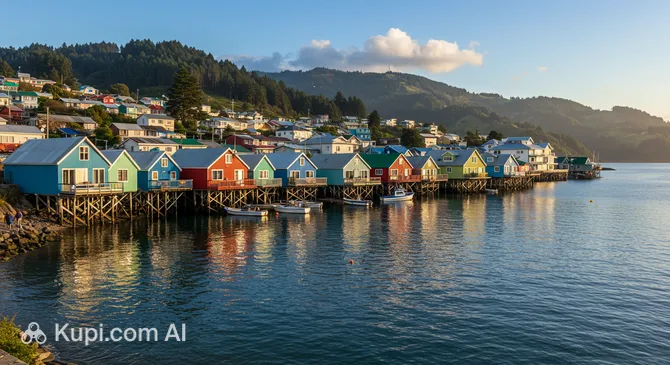
Ancud. Illustration.
Source: Kupi.com AI

With a population of about 39,000 people, Ancud is the second-largest settlement on the island. Despite its status as an important administrative and commercial center, the city retains its provincial charm and hospitality. Life here flows at a measured pace, perfect for leisurely strolls along the picturesque waterfront and visits to colorful markets where you can find products by local artisans.

The historical heritage of the city deserves special attention. In the past, Ancud served as a key defensive outpost for the Spanish crown, a fact today recalled by the surviving ancient forts and coastal fortifications. The city's architectural appearance is complemented by traditional wooden churches characteristic of the region and charming streets steeped in the spirit of the past.

Ancud is worth visiting for its amazing combination of nature and mythology. Tourists come here to see penguin colonies on nearby islets and immerse themselves in the legends of Chiloé. This place will give you unforgettable impressions of an original region where every day brings new discoveries.
Weather Overview

The climate in Ancud is temperate and humid, with mild temperatures throughout the year, typical of the oceanic coast of southern Chile. Summer (December to March) is quite cool and comfortable: the average air temperature is around +13°C...+15°C, and on the warmest days of February, the thermometer can rise to +17.4°C. This is the driest period of the year, with the number of rainy days varying from 7 to 10 per month.

Winter, lasting from June to August, brings lower temperatures and heavy precipitation. Average indicators this season stay around +8.5°C...+9°C, and nights become cooler, with lows around +7°C. In winter, it rains very often: June and July record up to 20–22 days of precipitation, so waterproof clothing is essential.

Expect a mild summer with variable cloudiness and a cool, very rainy winter without severe frosts. To plan your trip considering all the whims of nature, we recommend checking detailed information about the Ancud climate before you depart.

Average monthly temperature

Average monthly precipitation

Interesting Facts

Despite its main attractions, Ancud holds many fascinating secrets and stories that make it a truly special place on the map of Chile. Here are a few facts that will help you see this city in a new light:
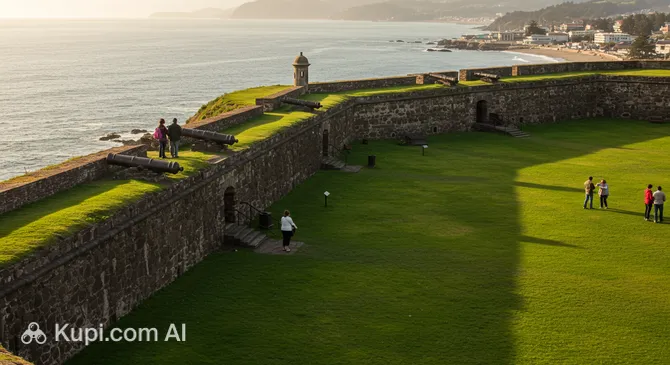
  • A Stronghold Against Pirates. Ancud was founded as a strategic military outpost and for a long time remained the main defense of Spanish possessions in the archipelago. Fort San Antonio has survived to this day, its walls remembering the times of fierce struggles for control of the Pacific Ocean and the repelling of daring pirate raids.

  • Unique Penguin Neighborhood. The city's surroundings are one of the few places on the planet where you can meet two species of penguins at once: Magellanic and Humboldt. Colonies of these amazing birds nest on nearby beaches, such as in the Punta Ahui area, allowing you to observe them in their natural habitat.

  • Land of Witches and Myths. The region is famous for its rich mythology, full of mysterious creatures that, according to legend, inhabit the local forests and swamps. The Regional Museum of Ancud houses many exhibits revealing the secrets of the legendary witches of Chiloé and the beliefs of indigenous peoples, giving the city a special mystical charm.

  • Living Traditions. Ancud is home to talented artisans and musicians who maintain the island's unique culture. Local holidays are celebrated with great flair: carnivals with bright costumes and traditional dances turn the city streets into a live stage, demonstrating the residents' deep connection to their history.

Fort San Antonio. Illustration.
Source: Kupi.com AI

Traveler photos:

How to Get There

When planning a trip to Chiloé Island, it is important to think about the route in advance. You can find out more about how to get to Ancud to choose the most convenient option for you.

Since Ancud is located on an island, there is no direct air service to the city itself. Most tourists fly into El Tepual Airport (PMC), located in the city of Puerto Montt. This is a major transport hub receiving many flights from Santiago and other cities. The distance to Ancud is about 77.5 km. The journey from the airport includes a scenic ferry crossing over the Chacao Channel. A taxi or transfer ride will take approximately 2 hours 20 minutes, including the ferry.

An alternative is to fly directly to the island at Mocopulli Airport (MHC), located in the city of Castro. It is situated closer to Ancud, about 53 km to the south. This airport is smaller and handles fewer flights but allows you to avoid the ferry crossing upon arrival. The trip to the center of Ancud by car or bus from here takes about 1 hour 40 minutes.

For convenience, here is a summary of the region's main airports:

AirportPassenger trafficDistance
Mocopulli Airport204 00053 km
El Tepual Airport2 mln77 km
Canal Bajo Airport303 209154 km
San Carlos de Bariloche International Airport2.4 mln237 km
Esquel Airport63 000250 km

There is no rail service on Chiloé Island or in its immediate vicinity. The main way to get around after landing is by intercity bus or rental car. Buses from Puerto Montt run regularly to Ancud, boarding the ferry, which makes the trip simple and well-organized.

Main Attractions

Ancud is a city where colonial-era history intertwines with the rich mythology of Chiloé Island. A walk through its attractions allows you not only to see architectural monuments but also to feel the spirit of this rugged yet hospitable land. Here are several places that should definitely be included in your itinerary.

One of the most significant historical points is Fort San Antonio. Built by the Spanish at the end of the 18th century, it served as the crown's last stronghold in South America during the War of Independence. Today, it is a well-maintained open-air museum park where you can walk along ancient stone walls and see cannons still pointed toward the ocean. It offers a magnificent panorama of the bay and the port, making the fort an ideal spot for photography.

To dive into the regional cultural context, head to the Regional Museum of Ancud. Its exhibition is impressive in its diversity: from a complete blue whale skeleton greeting guests in the courtyard to a detailed replica of the schooner "Ancud," which played a vital role in the annexation of the Strait of Magellan to Chile. The museum's halls detail the daily life of the indigenous Huilliche people and introduce the mysterious creatures of local mythology, such as the Trauco and Pincoya.

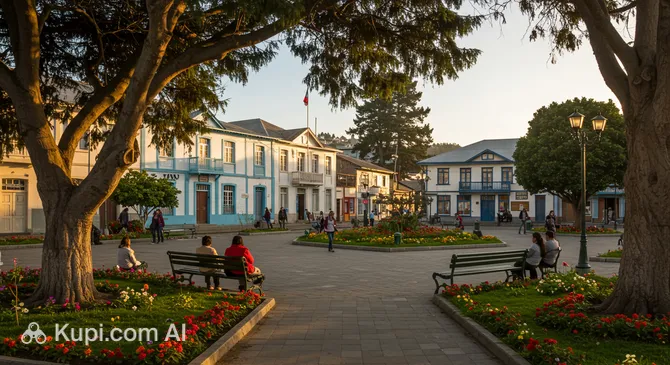
Plaza de Armas. Illustration.
Source: Kupi.com AI

Traveler photos:

The heart of city life is considered to be Plaza de Armas. This is not just a central square, but a real space for getting acquainted with the island's legends. Wooden and stone sculptures of Chiloé's mythological characters are installed here, giving the place a special flavor. Historical buildings and cozy cafes are located around the square, perfect for relaxing after a walk.

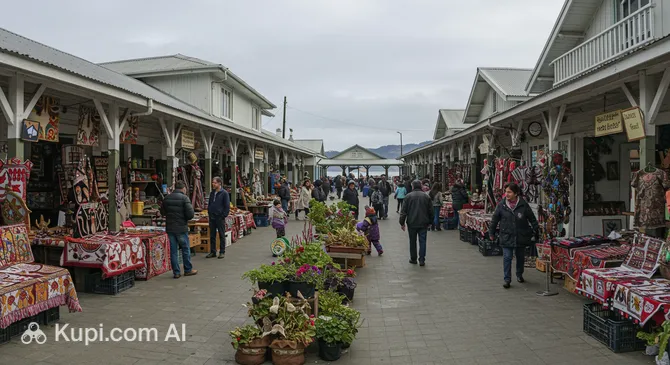
To experience the true taste of local life, stop by Ancud Market. This bustling and colorful place features stalls overflowing with fresh seafood, vegetables, and the famous Chilote garlic. You can also find craft shops here with wool and wood products that make excellent reminders of your trip. The market is the best spot to try authentic dishes and chat with the locals.

Local Cuisine

Ancud's gastronomy is a mirror of Chiloé Island's soul, where the bounty of the Pacific Ocean meets centuries-old farming traditions. The local cuisine is famous for its authenticity and the use of the freshest ingredients, among which seafood and the famous Chilote potato—which boasts an amazing variety of types and colors—hold a special place.

The main culinary symbol of the city, which every traveler must try, is curanto. This is not just a dish, but a real ritual of preparing food in an earthen pit over red-hot stones. Layers of shellfish, fish, meat, smoked sausages, and potato cakes are covered with large leaves and simmered until ready. Curanto symbolizes the hospitality and unity of the islanders, so it is often prepared for holidays and gastronomic festivals that take place here year-round.

Seafood lovers will find Ancud a true paradise. Mussels, oysters, sea urchins, and fish are prepared here with mastery, served with aromatic sauces and fresh herbs. To appreciate the full range of flavors, you should head to Ancud Market. This is a vibrant place where life is in full swing: you can not only buy delicacies but also try popular street food—crispy empanadas filled with seafood or fried flatbreads.

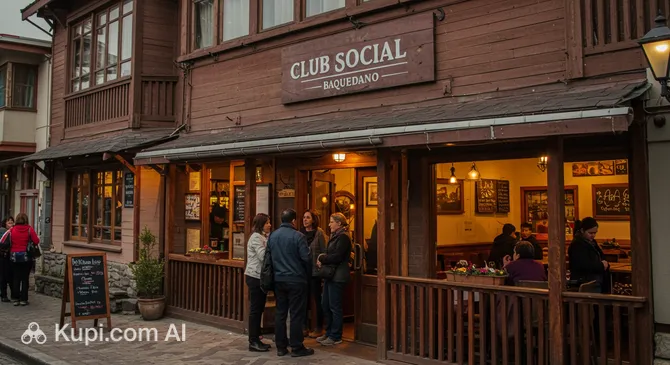
Club Social Baquedano. Illustration.
Source: Kupi.com AI

Traveler photos:

Dining culture in the city ranges from simple market stalls to cozy restaurants with history. For a dinner in a classic atmosphere, Club Social Baquedano is an excellent choice, where local culinary traditions are honored. It is customary to accompany a meal with a glass of Chilean wine, which perfectly complements the taste of the fish, or fresh juices. And you can conclude your gastronomic journey with a cup of hot coffee while enjoying the leisurely pace of this port city.

Travel Tips

Welcome to Ancud—the gateway to the mystical Chiloé archipelago! To ensure your trip to this corner of Chile is as comfortable and organized as possible, we have prepared a list of useful recommendations to help you feel confident in this cozy port city.

  1. Clothing and Weather. The island's climate is changeable: sun can turn to rain and wind in a matter of minutes. Your main principle should be layering. Be sure to bring a high-quality waterproof windbreaker, a fleece jacket, and comfortable trekking shoes with good grip. Even in summer, evenings can be cool, so warm clothes are necessary in any season.
  2. Transport Nuances. There is no metro in Ancud, and apps like Uber work inconsistently due to the small number of cars. The most reliable way to get around is shared taxis (colectivos), black sedans with route numbers on the roof. They run frequently and are inexpensive. If you plan to go to penguin colonies or remote beaches, consider renting a car, as buses to those areas are infrequent.
  3. Finances and Cash. The national currency is the Chilean peso. While major supermarkets and hotels accept cards, you will definitely need cash for taxi fares, purchases at the famous city market, and in souvenir shops. Currency exchange offices (Casas de Cambio) are in the city center, but it's better to change money in advance or withdraw pesos from an ATM (cajero automático). Tips in restaurants are usually 10% of the bill.
  4. Health and Safety. Ancud is a quiet and safe city where you can walk even in the evening. However, follow basic precautions and do not leave belongings unattended. Pharmacies (Farmacias) are concentrated on the main streets, with on-call ones open 24/7. Drinking tap water is not recommended; it's safer to buy bottled water.
  5. Communication and Language. The main language of communication is Spanish. English is not widely understood, so download an offline translator or learn a few basic phrases—locals will appreciate it. Local SIM cards (Entel, Movistar) are easy to buy at kiosks or mobile offices in the center; 4G coverage in the city and surroundings is good.
  6. Local Etiquette. The residents of Chiloé (Chilotes) are famous for their hospitality and friendliness. It is customary to say hello when entering a shop, boarding a taxi, or getting into an elevator ("Hola" or "Buenos días"). Life on the island flows at a measured pace, so do not rush staff in cafes or show impatience in queues—it's not common here.
  7. What to Avoid. Do not be dismissive of local myths and legends. Stories of the Trauco, Pincoya, or Caleuche are an important part of the islanders' cultural code, not just tales for tourists. Also, avoid walking on remote rocky sections of the coast during high tide if you don't know the water schedule—the ocean here is powerful and unpredictable.
  8. Consider the Siesta. Many small shops, museums, and institutions may close for a lunch break from 13:00 to 15:00. Plan important business and shopping for the morning or late afternoon, and spend this time enjoying lunch at a local restaurant, perhaps trying the traditional curanto dish.

By following these simple tips, you can avoid minor troubles and fully immerse yourself in the atmosphere of Ancud. May your acquaintance with the culture and nature of Chiloé be filled only with bright impressions and warm encounters!

Entertainment & Nightlife

Entertainment in Ancud is of a calm and contemplative nature, harmoniously fitting into the measured lifestyle of Chiloé Island. Travelers should not look for noisy nightclubs or metropolitan neon signs here. Instead, the city offers an atmosphere of comfort, the chance to enjoy unique nature, and the opportunity to discover local traditions through gastronomy and social interaction.

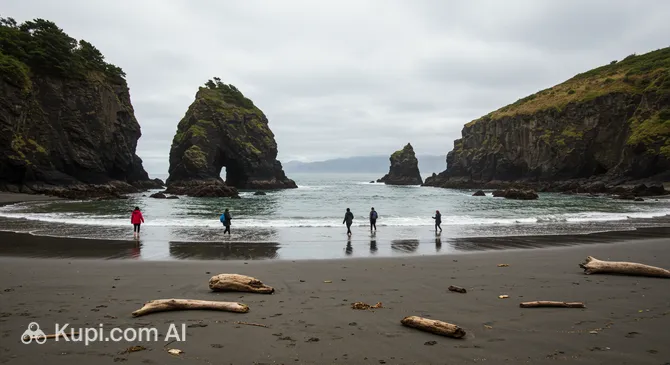
The main focus for active leisure is ecotourism. The city's surroundings are a true paradise for wildlife lovers. The most popular activity is a trip to the Puñihuil Natural Monument, the only place in the world where Magellanic and Humboldt penguins nest together. Within the city, the picturesque Arena Gruesa Beach is a major draw. People come here to walk along the ocean, have a picnic against a backdrop of bizarrely shaped rocks, and admire breathtaking sunsets.

Arena Gruesa Beach. Illustration.
Source: Kupi.com AI

Traveler photos:

Ancud's evening life centers around cozy restaurants and cafes where you can not only have dinner but also feel the spirit of the old city. A landmark spot is Club Social Baquedano—an establishment with a rich history where traditional regional dishes are served in a classic interior. This is a great opportunity to spend an evening in a peaceful setting, tasting local wines and seafood. The craft brewing culture is also gaining popularity in the city, and you can try interesting beer varieties from local producers in small bars.

For those who want to feel the pulse of city life, Ancud Market becomes the center of attraction. It is not just a marketplace but a place for meetings and cultural exchange. Here you can often hear live music, watch artisans at work, and try authentic dishes in simple eateries called "cocinerías." During the summer season, especially in January and February, the city's cultural program expands thanks to the "Ancud Week" (Semana Ancuditana) festival, which fills the streets with music, dancing, and festive processions.

Parks & Museums

Ancud offers travelers a harmonious blend of natural beauty and deep historical context, where green spaces often serve as backdrops to stories of the past. Strolls through the city allow you to transition smoothly from contemplating ocean views to discovering the rich cultural heritage of Chiloé Island.

The central spot for outdoor relaxation is Plaza de Armas. This space stands out among typical city squares with its unique landscape design that introduces guests to local mythology. Nestled among well-kept paths and greenery are sculptures of mystical creatures like the Pincoya and Trauco, turning a simple walk into a fascinating excursion into the archipelago's legends. For those seeking a connection with wild nature, Arena Gruesa Beach in the north of the city is an ideal choice. This natural area attracts visitors with its rocky formations and the opportunity to walk along the shoreline, enjoying the power of the Pacific Ocean and observing seabirds.

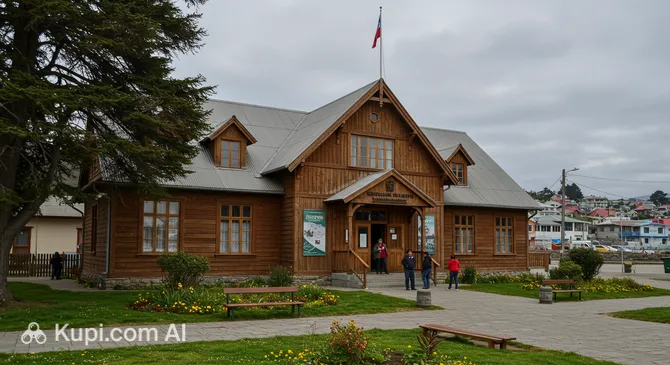
The main guardian of the city's history is the Regional Museum of Ancud. The museum building, which resembles a fortress bastion, is an attraction in itself. Inside, visitors will find extensive ethnographic collections detailing the indigenous Huilliche people, as well as exhibits dedicated to the colonial period and maritime traditions. Of particular interest is the full-size replica of the schooner "Ancud," which played a key role in Chile's territorial expansion, and the impressive blue whale skeleton that never fails to amaze guests.

Regional Museum of Ancud. Illustration.
Source: Kupi.com AI

Traveler photos:

Among historical sites that serve as park areas, Fort San Antonio stands out. It is a place where 18th-century military architecture sits alongside soft green lawns. Walking along the ancient ramparts past bronze cannons offers not only historical insights but also some of the best panoramic views of Ancud Bay, making the fort a wonderful spot for a quiet afternoon rest.

For lovers of authentic experiences, we recommend climbing Cerro Huaihuén. This viewpoint is less known among mainstream tourists and offers a breathtaking view of the entire city, the winding coastline, and the Chacao Channel, which is especially impressive in the rays of the setting sun.

Getting Around

Ancud's transport system is simple and straightforward, matching the measured pace of life in this small port city. There are no subways, trams, or trolleybuses here. Movement around the city is primarily by land transport, which connects the center with residential areas and nearby attractions. Thanks to Ancud's compactness, many interesting places are accessible on foot, but for trips to the beaches or more distant areas, you will need transport.

The most popular and convenient way to get around is by shared taxis, or "colectivos." These are black sedans with a sign on the roof indicating the route number and final destination. They run on fixed routes like buses but are faster and more comfortable. You can stop such a car with a wave of your hand anywhere along the route. Smaller buses, which locals call "micros," also run through the city and suburbs. They are less maneuverable than colectivos, but the fare is slightly cheaper.

The payment system in Ancud's public transport is conservative: they accept only cash. No transport cards or mobile apps for fare payment within the city are available. Payment is made directly to the driver upon boarding (in colectivos) or upon exiting (on some buses, though it's better to check with the driver). The fare is fixed and very affordable. Tourists are strongly advised to always have small bills and coins, as drivers often do not have change for large banknotes.

For those who prefer individual comfort, regular taxis (Radio Taxi) are available. They can be called by phone or found at special stands in the center, such as near the market or the main square. Ride-hailing apps (like Uber) in Ancud can be unstable or have very few cars, so it's best not to rely solely on them. If you plan to actively explore Chiloé Island, the best alternative is renting a car. This will give you freedom of movement and the ability to reach penguin colonies or remote forts where public transport runs infrequently.

It is important to remember that public transport in Ancud does not operate around the clock. The frequency of movement decreases significantly after 20:00–21:00, and intervals between buses increase on weekends and holidays. For intercity trips, such as to Castro or Puerto Montt, the city bus station (Terminal de Buses) is used, with regular departures of comfortable buses from major companies.

Accommodation

Accommodation options in Ancud fully reflect the cozy and somewhat rustic character of Chiloé Island. Here you won't find huge hotel chains or skyscrapers. The housing stock consists mainly of small hotels, family guesthouses (hospedajes), and cozy wooden cottages (cabañas) that blend perfectly into the local landscape. The atmosphere in most places is very homey, emphasizing warm hospitality and traditional architecture using larch shingles.

When choosing an area, you should focus on your plans and mode of transport. The city center is the most practical option for those traveling without a car. By staying near the main square, you will be within walking distance of the bus station, supermarkets, and major museums. The waterfront area (Costanera) attracts tourists with beautiful views of the bay and the Chacao Channel; it's pleasant to wake up here to the cries of seagulls and the sound of waves. If you have a car and are looking for seclusion, consider the outskirts toward Lechagua Beach—there are cottage complexes surrounded by greenery.

The price range in Ancud varies from budget to mid-range. Thrifty travelers can choose hostels or rooms in private homes, which often offer a homemade breakfast. The mid-segment is represented by comfortable boutique hotels and high-quality apartments. There are practically no world-class luxury resorts here, but you can find atmospheric lodges with high service levels.

Booking Tip: High season falls during the Chilean summer (January and February). At this time, demand for housing increases sharply, so it's worth booking the best options 1–2 months in advance. In the off-season and winter, finding a free room is easy even upon arrival, but be sure to check for good heating (calefacción), as nights can be cold and damp. Many small accommodation facilities are listed on major online platforms, but some authentic "cabañas" can only be booked through direct contact or social media.

Nearby Cities

For those who want to explore the surroundings, Ancud serves as an excellent starting point for day trips to several interesting nearby locations.

Just an hour's drive south is Castro—the capital of the Chiloé province. This city is famous for its unique stilt houses (palafitos) and historical wooden churches, which are UNESCO World Heritage sites. It is an ideal place to immerse yourself in the island's distinctive culture.

If you cross the channel to the mainland, you can visit Puerto Montt. This major port city is the gateway to Chile's Lake District. It's worth visiting the Angelmó Market here to try the freshest seafood and purchase woolen items from local artisans. A bit further away is Osorno, known for its architecture with a noticeable German influence and its proximity to volcanoes.

CityPopulationDistance
Maullin15 58033 km
Calbuco15 90359 km
Los Muermos16 13261 km
Castro33 41768 km
Chonchi5 63284 km

These nearby destinations offer insight into the diverse culture and landscapes of the region.

Shopping & Souvenirs

General Overview. Shopping in Ancud is an immersion into the unique culture of Chiloé Island. You won't find massive malls with luxury brands here, but the city will charm you with authentic handicrafts and the warm atmosphere of small shops. It is an ideal place to find unique handmade items that hold the warmth of local masters' hands, and gastronomic souvenirs characteristic of southern Chile.

Shopping Streets and Centers. Most commercial activity is concentrated in the city center, in the blocks adjacent to the main square and the waterfront. Strolling down Pudeto Street (Calle Pudeto) or Libertad Street (Calle Libertad), tourists will find various clothing and shoe stores, pharmacies, and supermarkets. There are no large shopping malls in the traditional sense, but there are small shopping galleries where you can buy everything needed for your trip.

Markets. The most colorful place for shopping is Ancud Market. This is not just a retail point, but a real center of social life. You should come here for the freshest seafood, smoked meats, cheeses, and local vegetables. Craft shops are often located on the second floor or in neighboring pavilions, offering a wide selection of souvenirs. The market atmosphere provides a better understanding of the islanders' way of life.

Ancud Market. Illustration.
Source: Kupi.com AI

Traveler photos:

Souvenirs. The region's main brand is woolen products. Be sure to look for warm sweaters, hats, scarves, and socks made from natural sheep's wool, often colored with natural dyes. Wood carvings (especially figurines of Chiloé's mythological characters) and items woven from plant fibers are also popular. Edible souvenirs often include garlic paste, merkén (smoked chili pepper), and local liqueurs.

Working Hours and Payment. Most shops open around 9:30–10:00 and operate until 19:00–20:00. Note that some small shops may close for a lunch break (siesta) from 13:00 to 15:00. Supermarkets and established stores accept credit cards without issues, but it is preferable to use cash Chilean pesos at the market and when buying souvenirs from street vendors.

Tax Free. Although Chile has a VAT refund system for foreign tourists, it is practically inapplicable in Ancud, as most purchases are made at markets or in small private shops not participating in the program. Tax refunds are more commonly available in major shopping centers in larger cities or at the airport.

Reached the end of the page?

That means the route is fully explored