Support

El Bolson

About

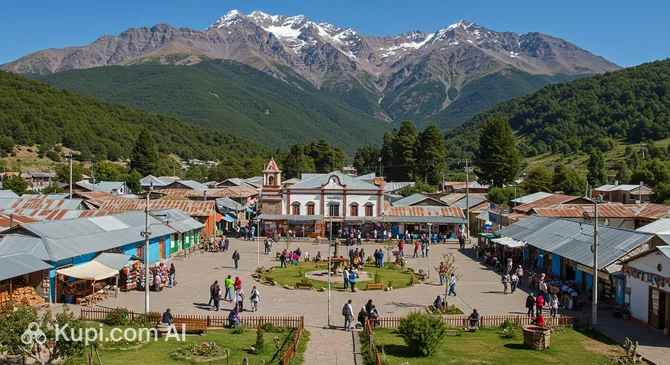
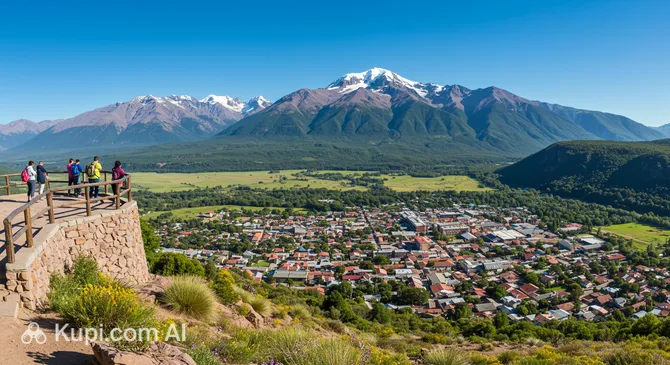
El Bolsón is a true oasis of tranquility and inspiration, located in the heart of Patagonia. The town is nestled in a picturesque valley at the foot of Mount Piltriquitrón, surrounded by the majestic Andes, dense forests, and crystal-clear rivers. For travelers discovering Argentina, this corner becomes a symbol of harmony and natural beauty, hidden away from the hustle and bustle between the popular Bariloche and Esquel.

El Bolson. Illustration.
Source: Kupi.com AI

With a population of about 19,000 people, El Bolsón maintains the atmosphere of a cozy, almost village-like town where every guest feels at home. The unique history of El Bolsón has shaped a special spirit of freedom and creativity here: the town has long been a magnet for artists, musicians, and artisans, creating a unique bohemian vibe on the streets.

Tourists are drawn here not only by the stunning landscapes with glaciers and waterfalls but also by the rich local culture. Be sure to visit the famous craft market, considered one of the best in the country, and try the products of local craft breweries and organic farms. It is the perfect place for those seeking inspiration, delicious food, and connection with untouched nature.

Weather Overview

The climate in this region of Patagonia is temperate with distinct seasonality, allowing you to enjoy nature year-round if you choose the right gear. Summers here are usually mild and comfortable, while winter brings coolness and precipitation. To find out what to expect on specific dates, you will find the detailed weather in El Bolsón useful, but general trends remain the same from year to year.

The warmest period is during January and February. At this time, the average temperature stays around 12–13°C, and during the day, the air often warms up to 18–20°C. This is the driest season: the number of rainy days is minimal (from 7 to 9 per month), creating ideal conditions for hiking and outdoor recreation.

With the arrival of winter (June–August), the picture changes. The average temperature drops to 0°C, and night frosts down to -2...-3°C become a common occurrence. Winter is a time of high humidity: for example, in June, there can be up to 22 days of precipitation, so expect cool weather with periodic rain or snow, especially in mountainous areas.

Average monthly temperature

Average monthly precipitation

Interesting Facts

In addition to the main attractions, El Bolsón holds many fascinating secrets that make it a unique place on the map of Argentina. This town lives at its own rhythm, permeated by legends, a spirit of freedom, and harmony with nature.
  • The first ecological municipality. In the 1970s, the town became a haven for hippies and "freedom pioneers," which forever defined its destiny. Thanks to their influence, El Bolsón was officially declared the world's first "Ecological Municipality" and "Nuclear-Free Zone," cementing its status as a stronghold of environmental protection and tolerance.

  • The mountain hanging on clouds. The name of the peak dominating the town, Piltriquitrón, translates from the Mapuche language as "mountain hanging on clouds." Locals and esoterics consider it a powerful energy center that protects the valley from hardships and attracts people seeking spiritual enlightenment.

  • The legend of the Patagonian Yeti. The surrounding forests are shrouded in mysticism, and one of the most intriguing urban legends tells of the Patagonian Yeti. Old-timers claim that a mysterious creature lives in the deep canyons, guarding natural riches from the encroachments of civilization, though only a few chosen ones manage to encounter it.

  • The magic of blue water. The Río Azul got its name thanks to the incredible turquoise color of the water, which is of glacial origin. The best way to enjoy this natural phenomenon is from the Mirador del Azul viewpoint, which offers a view of the winding riverbed cutting through the green valley.

  • The capital of hops. El Bolsón produces more than two-thirds of all hops in the country. This is where the Argentine craft brewing revolution was born, and the unique microclimate allows for growing varieties that are highly valued by brewers worldwide.

Mirador del Azul. Illustration.
Source: Kupi.com AI

Traveler photos:

How to Get There

A trip to this cozy corner of Patagonia usually begins with a flight to one of the neighboring large cities, as the town does not have its own airport. You can find more details on how to get to El Bolsón to choose the most convenient route, but most often tourists fly to Bariloche or Esquel and then continue their journey along scenic roads.

The most popular option is arriving at San Carlos de Bariloche International Airport (IATA: BRC). It is located not in El Bolsón itself, but in the city of Bariloche, about 96 km to the north. This is a major transportation hub with significant passenger traffic, receiving many flights from Buenos Aires and other cities. The journey from the airport to El Bolsón by rental car or bus will take about 2 hours, and this route follows the famous highway with incredible views.

An alternative is to fly to Esquel Airport (IATA: EQS). It is located in the city of Esquel, approximately 109 km south of El Bolsón. This is a small regional airport, so there are fewer flights here than in Bariloche. A taxi or bus ride from here to the destination will take about 2–2.5 hours. This option is convenient if you are planning a trip from south to north.

For clarity, here is a summary of the main airports located in the region:

AirportPassenger trafficDistance
San Carlos de Bariloche International Airport2.4 mln96 km
Esquel Airport63 000109 km
El Tepual Airport2 mln142 km
Mocopulli Airport204 000185 km
Canal Bajo Airport303 209197 km

There is no direct rail connection to El Bolsón, so trains are not a primary way to reach the town. Most travelers use a combination of flight and road transport. Comfortable intercity buses run regularly from Bariloche and Esquel airports, and transfer and car rental services are also available. A trip along the legendary Ruta 40 is an attraction in itself thanks to the breathtaking Patagonian landscapes.

Main Attractions

The attractions of El Bolsón are, first and foremost, masterpieces created by nature itself. The town is surrounded by dense forests, mountain ranges, and rushing rivers, so most iconic spots involve outdoor walks and contemplating breathtaking scenery.

One of the most accessible and popular spots to explore the surroundings is Cerro Amigo hill. It is located very close to the town center, and climbing it does not require special physical preparation. The trail leads through a beautiful forest to the summit, where a cross is installed. From here, a magnificent panorama opens up over the town, the valley, and the mountain range, making it the perfect place to watch the sunset or simply see El Bolsón from a bird's-eye view.

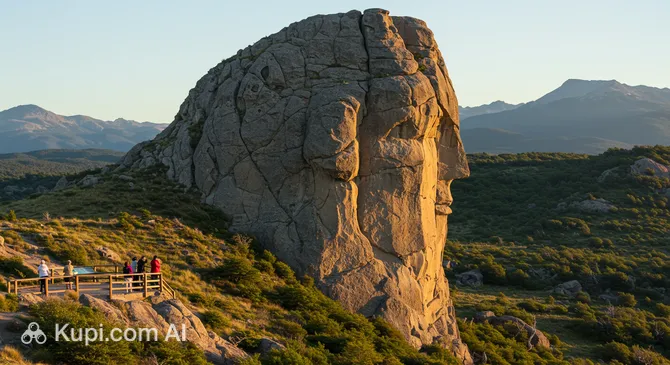
Another unique natural monument well worth a visit is Cabeza del Indio (Indian Head). This rock formation, shaped by wind and erosion on the edge of a mountain range, bears a striking resemblance to a human profile. The route to this landmark follows a scenic trail, and from the observation deck near the rock, you get a dizzying view of the Azul River valley and the surrounding canyons.

Cabeza del Indio. Illustration.
Source: Kupi.com AI

Traveler photos:

To fully appreciate the beauty of local waterways, head to Mirador del Azul. This viewpoint allows you to see the famous Río Azul in all its glory: its bed winds deep below, showcasing the incredible turquoise color of the water that gave the river its name. This place offers a sense of peace and the majesty of Patagonian nature.

In addition to the listed sites, the hallmark of the region is the famous Carved Forest (El Bosque Tallado). Located on the slopes of Mount Piltriquitrón, this open-air museum was created on the site of a forest damaged by fire. Local artists transformed charred tree trunks into stunning wooden sculptures, breathing new life into the dead forest. The ascent requires effort, but the combination of art and rugged mountain nature leaves a lasting impression.

Local Cuisine

El Bolsón's gastronomy is a celebration of freshness and natural flavor, reflecting the region's ecological philosophy. The town is famous for its organic farms, so the local cuisine is built on high-quality seasonal products. People don't chase complex culinary techniques here, preferring to highlight the natural taste of vegetables, fruits, and meat. Homemade cheeses, cottage cheese, and yogurts produced by small family farms hold a special place on the table, as does fragrant sourdough bread from wood-fired ovens.

Berries, or "fruta fina," are considered the sweet hallmark of the city. Thanks to the unique microclimate, the country's best raspberries, strawberries, blueberries, and blackberries are grown here. Tourists should definitely try local berry-filled pies, various jams, and desserts. Fresh waffles generously topped with homemade jam or honey collected in the Andean foothills are incredibly popular at street fairs.

As for drinks, El Bolsón proudly holds the title of the craft beer capital. It is a true paradise for beer lovers: dozens of varieties are brewed here, from classic lagers to experimental ales with local herbs and berries. Those who prefer non-alcoholic drinks will enjoy natural fruit juices and herbal teas. For a hearty lunch or dinner, you can choose a cozy spot like La Reina de la Pizza, or try traditional Argentine empanadas, which are prepared here with special skill.

The food culture in the city is casual and closely linked to street life. Locals and tourists alike enjoy eating at the famous craft fair, which turns into a huge open-air gastronomic festival. Here you can not only have a tasty snack from a stall but also chat with farmers, learn the secrets of cheese making, or simply enjoy the atmosphere of a bohemian celebration.

Travel Tips

Welcome to El Bolsón! To make your trip to this Patagonian oasis as comfortable and safe as possible, leaving only pleasant memories, we have prepared a list of useful recommendations taking local specifics into account.

  1. Clothing and equipment. Weather in Patagonia is unpredictable even in summer, so dress in layers: a T-shirt, a fleece jacket, and a windbreaker. Be sure to bring comfortable, broken-in trekking shoes—city sneakers won't work for mountain trails. Sunglasses and high SPF sunscreen are also necessary, as the mountain sun is very strong.
  2. Transport. The town center is compact and best explored on foot. Standard taxi apps hardly work here. For trips to remote attractions, use a remis (local taxi), which must be ordered by phone or through the hotel reception. Renting a car will give you maximum freedom, but it's better to book it in advance.
  3. Financial matters. Although large supermarkets accept cards, cash pesos are the main way to pay here. At the famous craft fair, in kiosks, and small cafes, there may be no terminals, or they may not work due to connectivity issues. Try to carry a supply of small bills, as vendors often don't have change for large notes.
  4. Health and safety. El Bolsón is a safe town, but don't leave valuables unattended on hiking trails. Pharmacies follow a standard schedule, but there is always one on duty (de turno). Critically important: before heading out on challenging mountain routes, be sure to register at the tourist center or on the mountain refuge website—it's free and necessary for your safety.
  5. Communication and language. The primary language is Spanish; English is understood in hotels, but it will be harder to communicate in shops and at the market. Download an offline translator and regional maps in advance, as mobile internet disappears in the mountains. For communication, it's better to buy a local SIM card (e.g., Personal or Movistar) in the town center.
  6. Local etiquette. Argentines are very friendly and open. When entering a shop, bus, or cafe, it's customary to say hello ("Buenos días" or "Hola"). Remember the siesta: many shops and institutions close during the day (roughly from 1:00 PM to 5:00 PM) and reopen only in the evening. Plan your shopping with this break in mind.
  7. What to avoid. It is strictly forbidden to build fires in forests and mountains outside of specially equipped zones in campsites. Patagonia is a high-risk region for forest fires, and violating this rule carries huge fines. Also, don't rush or demand instant service in restaurants—the rhythm of life here is relaxed.
  8. Bonus: tasty water. You don't have to constantly buy bottled water. Tap water in El Bolsón comes from pure mountain springs and is safe to drink (unless otherwise stated at your accommodation). Just bring a reusable bottle and fill it up before your walks.

El Bolsón is a place where time slows down, giving way to contemplation and harmony. By following these simple tips, you can easily blend into the rhythm of local life and get the most out of your connection with Argentina's unique nature.

Entertainment & Nightlife

Nightlife in El Bolsón is drastically different from bustling metropolises. Here you won't find huge nightclubs with laser shows and strict face control. Evening leisure in this town is an extension of its bohemian, relaxed philosophy. The main focus is on cozy bars, live music, socializing, and, of course, tasting the legendary local craft beer. The atmosphere is incredibly friendly and casual: a dress code doesn't exist as a concept, and it's perfectly normal to show up at a bar in the same clothes you wore while conquering mountain peaks during the day.

The epicenter of evening life is Avenida San Martín and the adjacent blocks around Plaza Pagano. This is where most establishments that open their doors closer to sunset are concentrated. Life in the town kicks off late: locals don't head out for dinner before 9:00 PM, and bars fill up closer to midnight. On warm summer evenings, the boundaries between venues blur, and the fun spills out onto the streets and open terraces.

Since El Bolsón is considered the national capital of hops, the stars of the night are the cervecerías, or beer bars. These are not just places where drinks are poured, but real cultural hubs where folk bands, rock musicians, or jazz ensembles often perform. Many breweries have their own patios—inner courtyards with long tables that encourage meeting people and socializing.

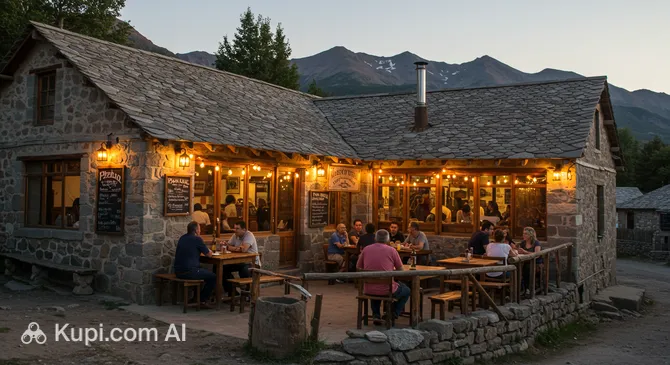
La Reina De La Pizza Pizzeria. Illustration.
Source: Kupi.com AI

Traveler photos:

For those wanting to start their evening with a hearty dinner in an authentic setting, La Reina de la Pizza is an excellent choice. This is a popular spot among locals and tourists where you can not only eat well but also feel the lively pulse of the city before heading to the bars. Prices in El Bolsón's venues remain very affordable compared to Bariloche, and portions are traditionally generous.

Safety and transport at night:

The city center is considered safe for night walks; however, it's best to stick to well-lit streets. If your accommodation is far from the center (in "cabañas" on mountain slopes), walking back is not recommended due to the lack of lighting and sidewalks. Public transport does not run at night, so the only reliable way to get home is by remis. It's better to order a car by phone or through the bartender, as catching a taxi on the street at night can be difficult.

While El Bolsón is primarily about nature, there is room for cultural entertainment as well. The town has small theaters and cultural centers that host independent film screenings and theatrical productions. However, the main "daytime entertainment" remains the numerous festivals, such as the National Hops Festival, which often last late into the night, uniting the whole town in a single festive spirit.

Parks & Museums

In Argentina, it's hard to find a city where the boundaries between museum halls and wild nature are as thin as in El Bolsón. Here, cultural heritage lives not behind glass display cases but under the open sky, blending seamlessly with the surrounding mountain landscapes and green valleys.

The green heart of the city and surroundings

The center of attraction for all residents and visitors is Plaza Pagano. It is not just an administrative center, but an extensive park area with a picturesque man-made lake, well-kept lawns, and an amphitheater. It's pleasant to take shelter from the summer sun in the shade of the trees here, and on weekends, the park comes alive thanks to the famous fair, turning into a colorful carpet of sights and sounds.

For those wanting to feel the breath of the forest without leaving the town limits, the natural park on Cerro Amigo hill is the perfect place. This is a protected area with dense forest and a network of convenient trails. The climb does not require special training, and the rewards are several observation decks offering views of the city as if it were in the palm of your hand.

Cerro Amigo. Illustration.
Source: Kupi.com AI

Traveler photos:

Although Lago Puelo National Park is located in a neighboring village, it is inextricably linked with the El Bolsón ecosystem. This is a unique place where Valdivian forests meet the turquoise waters of a glacial lake. The park offers great opportunities for picnics, kayaking, and walking along botanical trails that showcase rare plant species.

Museums and art in the open air

The most impressive cultural site in the region is arguably the Carved Forest (El Bosque Tallado). This unique gallery is located high on the slope of Mount Piltriquitrón. Following a forest fire, local artists transformed charred tree trunks into monumental sculptures, giving the forest a second life. The combination of art and rugged mountain nature leaves a lasting impression.

To learn about the history and creative life of the city, it's worth visiting the Bicentennial House of History and Culture (Casa de la Historia y la Cultura del Bicentenario). This is a multifunctional space that regularly hosts art exhibitions, photography displays, theatrical productions, and film screenings, reflecting the rich cultural potential of the local community.

Also of interest is the small Museum of Patagonian Stones (Museo de Piedras Patagónicas). It houses a collection of minerals, fossils, and semi-precious stones found in the region. This intimate spot allows for a better understanding of the geological history of the Andes and shows the beauty hidden in the depths of the earth.

Insider tip

If you are looking for solitude and cool air on a hot day, head to Cascada Escondida (Hidden Waterfall) in the Mallín Ahogado area. This is a picturesque natural corner with well-maintained trails leading to a waterfall hidden in dense greenery, and a small botanical garden where you can study local flora in peace and quiet.

Getting Around

The public transport system in El Bolsón is significantly different from large metropolises. Here you won't find a subway, trams, or trolleybuses. The town is quite compact, and in its central part, where the main shops, restaurants, and the famous fair are concentrated, it is most convenient to get around on foot. However, for trips to the trailheads, waterfalls, or neighboring villages, you will need transport.

The main form of public transport is buses (colectivos). They connect the town center with important tourist spots, such as the Wharton area—the starting point for most mountain treks—and the neighboring town of Lago Puelo. Keep in mind that service intervals can be long (once an hour or less), and there are even fewer trips on weekends and holidays. It's best to check the schedule in advance at the tourist office or bus station, as it often changes depending on the season.

As for paying for fare, "old school" rules here. Unlike Buenos Aires or Bariloche, where the SUBE card is used everywhere, terminals for it may be absent or not working on local El Bolsón buses. The most reliable way to pay is cash pesos. Tickets are often purchased directly from the driver upon boarding or at the ticket offices at the bus station. We highly recommend always having small bills with you, as there may not be change for large banknotes.

A popular and convenient alternative to buses is remises—the local version of a taxi. A key feature: you can't just flag them down on the street. You need to order a car by phone, via WhatsApp, or by going in person to the company's office (remisería). This is especially relevant if you plan to return late in the evening when the buses have stopped running. Prices are fixed or by meter, but they are significantly higher than the bus fare.

For complete freedom of movement, many tourists choose to rent a car. This allows you to explore the surroundings at your own pace without being tied to a schedule. Bike rentals are also popular in the town—a great option for trips to nearby viewpoints. Additionally, hitchhiking ("hacer dedo") is widespread in Patagonia: locals and tourists often give rides to fellow travelers going to the start of hiking routes, and it is considered quite safe and normal.

Accommodation

El Bolsón offers tourists a wide selection of accommodation that blends harmoniously into the surrounding landscape. You won't find huge hotel chains or skyscrapers here; instead, the town focuses on coziness, eco-friendliness, and proximity to nature. The most popular and authentic type of accommodation is cabañas—separate wooden or stone cabins, often equipped with their own kitchen, a barbecue area (parrilla), and a fireplace. This is an ideal option for families and groups, allowing you to feel like a local.

The price range varies from very affordable to mid-range, with rare premium spots. For budget travelers and young people, there are many hostels with a lively, friendly atmosphere where it's easy to find company for hikes. The region is also famous for its campsites: many tourists come here specifically with tents to sleep under the starry Patagonian sky. For those who value comfort, small cozy hosterías and boutique hotels are available, offering personalized service and homemade breakfasts.

When choosing a neighborhood, you should consider the availability of transport. If you are traveling without a car, it is best to stay in the town center, within walking distance of Plaza Pagano and the main bus stops. This will provide easy access to restaurants, shops, and the fair. If you have rented a car or are willing to use taxis, look into the Villa Turismo area or the Mallín Ahogado zone. Accommodation here is located on mountain slopes among forests and gardens, offering peace and stunning panoramic views not available in the center.

Booking advice: El Bolsón is an extremely popular destination, especially during high season (January, February) and Easter holidays. During these periods, the best options, especially cabañas, are taken very quickly, so it's worth booking accommodation 2–3 months in advance. Many small properties are listed on major online platforms, but often owners prefer direct communication via WhatsApp or social media. Check if cash payment is possible: this often allows you to get a better price compared to paying by card.

Nearby Cities

For those wanting to explore the surroundings, El Bolsón serves as an excellent starting point for day trips to several interesting nearby places. The Andean Patagonia region is rich in natural beauty and unique towns that can be reached in a couple of hours.

One of the most popular destinations is Bariloche, located north of the town. This famous resort is often called "Argentine Switzerland" due to its Alpine architecture and chocolate production. A trip here will allow you to enjoy views of the majestic Lake Nahuel Huapi and visit the famous Cerro Catedral ski center.

To the south of El Bolsón lies the city of Esquel. It attracts travelers with the opportunity to ride the legendary "La Trochita" steam train, which is a historical monument. Additionally, Esquel serves as the gateway to Los Alerces National Park, a UNESCO World Heritage site where you can see thousand-year-old larch forests.

CityPopulationDistance
El Maiten4 01132 km
Los Lagos18 73350 km
Bariloche112 88795 km
Esquel36 687106 km
Puerto Montt169 736129 km

These nearby destinations provide a glimpse into the diverse culture and landscapes of the region, making your trip through Patagonia even more rewarding.

Shopping & Souvenirs

Shopping in El Bolsón isn't about visiting brand boutiques or massive shopping centers, but rather a fascinating dive into the culture of local craftsmanship and gastronomy. The town is famous for its talented craftsmen, artists, and farmers, making purchases here an exclusive experience. The main emphasis is on handmade items, natural materials, and eco-friendly products that can't be found in other regions of the country.

The main shopping life buzzes in the town center, especially along Avenida San Martín and its adjacent streets. This area is home to souvenir shops, outdoor gear stores, wine boutiques, and specialty food shops. A walk through this district allows you to combine sightseeing with searching for interesting gifts, peeking into small, cozy galleries where local designers display clothing and accessories.

There are no large shopping centers or malls in the traditional sense in El Bolsón. Trade here is more intimate. Instead of glass high-rises, you'll find small passages (galerías) that bring several shops and cafes together under one roof. This preserves the authentic atmosphere of a mountain town and avoids the hustle and bustle of large cities.

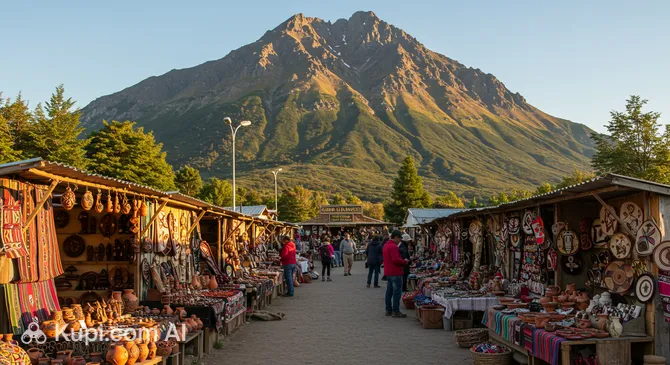
The heart of shopping in El Bolsón is undoubtedly the famous Regional Craft Fair (Feria Regional Artesanal). It is located on the main square, Plaza Pagano, and is considered one of the best in South America. The market operates on Tuesdays, Thursdays, Saturdays, and Sundays. Here, hundreds of artisans offer unique products: from hand-forged knives and silver jewelry to ceramics and knitwear made from natural wool. It's not just a market but a cultural event with music and social interaction.

As souvenirs from El Bolsón, it's worth bringing back what the Patagonian land is rich in. First and foremost are gastronomic gifts: jars of homemade jam made from local berries (raspberry, blackberry, calafate), craft chocolate, dried mushrooms, and, of course, local beer. Also popular are items made from leather, wood, and wool, as well as natural cosmetics based on mountain herbs and essential oils, such as lavender, which is grown nearby.

When planning your shopping, keep the local schedule in mind. Most shops close for a siesta from approximately 1:00 PM to 4:30 PM or 5:00 PM, resuming work until late in the evening (8:30–9:00 PM). Supermarkets and some tourist shops may work without a break. Regarding payment, cash pesos are your best friend, especially at the fair and in small shops. Credit cards are accepted in larger establishments, but often with a surcharge or reluctantly due to connectivity issues.

The Tax Free system is practically non-existent in El Bolsón. Most purchases are made from private artisans or in small shops that do not participate in the international Global Blue system. Therefore, you shouldn't count on a VAT refund, but prices for local goods are already quite attractive compared to major resorts.
Reached the end of the page?

That means the route is fully explored