Support

Frutillar

About

Frutillar is a true gem of the south, nestled comfortably on the western shore of Lake Llanquihue. This picturesque city in Chile enchants travelers with its unique atmosphere, where the majestic nature of the Andes harmoniously blends with a rich European heritage. With a population of about 13,000, it retains the charm of a quiet, well-kept place, perfect for a slow-paced getaway far from the hustle and bustle of major metropolises.

The city's appearance is largely defined by its past: neat wooden houses with gabled roofs, blooming gardens, and impeccably clean streets reminiscent of Bavarian landscapes. This is no surprise, as the history of Frutillar is inextricably linked to the German colonists who arrived here in the mid-19th century. Their influence is felt everywhere — from the characteristic architecture to the locals' love for classical music and traditional pastries.
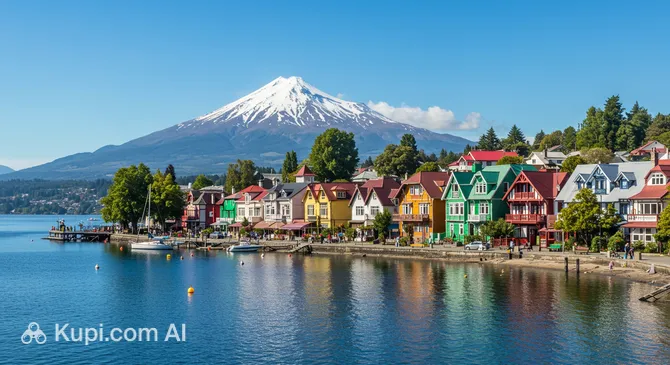
Frutillar. Illustration.
Source: Kupi.com AI

Frutillar's main claim to fame is its breathtaking scenery. The city's waterfront offers a magnificent panoramic view of the crystal-clear lake waters and the perfect snow-capped cone of the Osorno Volcano. Additionally, the city is rightfully considered the cultural capital of the Lake District: it is home to the famous Theatre of the Lake (Teatro del Lago), which attracts art lovers from all over the world.

Frutillar is worth visiting to experience the amazing tranquility of the region, stroll along picturesque alleys, and taste the famous local "kuchen" cake. It is an ideal choice for those seeking inspiration, aesthetics, and the chance to touch living history surrounded by stunning nature.
Weather Overview

The climate of Frutillar can be described as temperate, with a noticeable influence from the proximity of the vast Lake Llanquihue and the Andes. The weather here is changeable but charming in its own way in any season. Summer, which lasts from December to February in the Southern Hemisphere, is considered the best time to visit. During this period, especially in January and February, the average temperature stays at a comfortable 15–16°C, with daytime highs often reaching 20–21°C. This is the driest time of year, though short rains are possible even in summer: on average, there are 6 to 8 wet days per month.

With the arrival of autumn, the temperature gradually drops and rainfall increases. Winter (June–August) here is cool and quite damp. Average temperatures drop to 6–8°C, and can reach 4–5°C at night. June is considered the rainiest month, with up to 21 days of precipitation recorded. Before your trip, we recommend checking the current weather in Frutillar to choose the right wardrobe.

Overall, this region is characterized by mild, pleasant summers with occasional rainfall and cool, rainy winters. Travelers should always have a waterproof jacket and comfortable shoes with them, regardless of the season.

Average monthly temperature

Average monthly precipitation

Interesting Facts

In addition to its main attractions, Frutillar holds many fascinating secrets that make it a unique place on the map of South America. This city is not just a beautiful resort, but a living history of blended cultures and legends revealed only to attentive travelers.

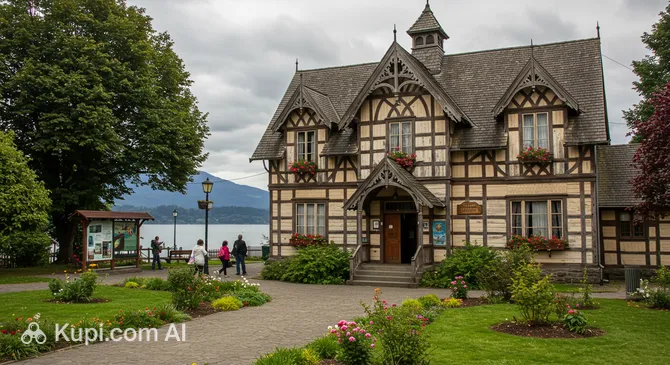
German Colonial Museum Frutillar. Illustration.
Source: Kupi.com AI

Traveler photos:

  • Frutillar is officially considered one of the most "German" corners of Chile. This is expressed not only in the residents' love for pastries but also in the architecture: the city is built with neat houses featuring gabled roofs in the style of old Europe, preserved since the time of the first settlers in the mid-19th century.

  • It is home to a unique architectural feat — the Municipal Theatre of the Lake (Teatro del Lago). This is the largest concert hall in South America built directly over the waters of the lake, creating unique acoustics and a visual effect of floating over the waves.

  • By visiting the German Colonial Museum of Frutillar, you can learn little-known details about the harsh daily life of the early colonists. The exhibition vividly demonstrates how wild lands were turned into blooming gardens using tools brought from Europe and incredible persistence.

  • Local residents pass down legends about Lake Llanquihue from generation to generation. According to lore, its depths are inhabited by mysterious creatures, and the surrounding forests are considered places of power, attracting not only nature lovers but also seekers of the mystical.

How to Get There

When planning a trip to Lake Llanquihue, it is important to think through your logistics in advance, as Frutillar does not have its own airport. However, getting here is quite easy thanks to the well-developed transport network of the Los Lagos region. You can find all ways to get to the city in more detail, but the main option for most tourists remains flying to one of the neighboring large cities followed by a journey via ground transport.

The most convenient and popular hub for arrival is El Tepual Airport (PMC), located in the city of Puerto Montt. This is a major international airport receiving many flights from Santiago and other cities. It is located just 36 km from Frutillar. The journey by taxi or transfer takes about 40–50 minutes. You can also take a bus from the airport to the terminal in Puerto Montt and then transfer to a local bus to Frutillar.

An alternative option is Canal Bajo Airport (ZOS), which is located in the city of Osorno, about 56 km north of your destination. This regional airport is smaller but also convenient for travelers. Travel time by car from here is about one hour. This is an excellent choice if you plan to visit the northern part of the Lake District as well.

For convenience, here is a summary of the main airports used to reach the region:

AirportPassenger trafficDistance
El Tepual Airport2 mln36 km
Canal Bajo Airport303 20956 km
Mocopulli Airport204 000147 km
San Carlos de Bariloche International Airport2.4 mln159 km
Pichoy Airport418 000162 km

Regarding rail connections, there are currently no direct passenger trains to Frutillar. The railway network in southern Chile is primarily used for freight or has a tourist character on specific sections. Therefore, the main ground methods for reaching the city remain intercity buses and cars. Frutillar is located near the country's main transport artery — the Pan-American Highway (Ruta 5 Sur), making a trip by rental car or bus from Santiago or neighboring cities fast and comfortable.

Main Attractions

Frutillar is a city where every corner breathes history and harmony with nature. Despite its modest size, it offers travelers a rich program that intertwines architectural masterpieces, cultural heritage, and gastronomic pleasures. A stroll through the local attractions will make you feel as if you’ve stepped into a cozy European village surrounded by the majestic landscapes of South America.

The undisputed landmark and modern symbol of the city is the Teatro del Lago (Theatre of the Lake). This magnificent structure, built directly over the waters of Lake Llanquihue, impresses not only with its architecture — which utilizes wood, stone, and copper — but also with its incredible acoustics. The theater is considered one of the most important cultural centers in all of South America. Tourists come here not just for world-class concerts, but also to simply admire the building against the backdrop of the Osorno Volcano — a view that has become Frutillar's signature postcard.

German Colonial Museum Frutillar. Illustration.
Source: Kupi.com AI

Traveler photos:

To dive into the region's past, a visit to the German Colonial Museum of Frutillar is a must. This unique open-air museum park is spread across a picturesque hill surrounded by ancient trees. It meticulously recreates the daily life of the first German settlers: you can enter a residence, explore a water mill, a blacksmith shop, and a bell tower. A walk through the museum grounds allows you to appreciate the labor and love poured into developing these lands and enjoy the atmosphere of an old estate.

No visit to the city is complete without a walk on the Frutillar Pier (Muelle Frutillar). This wooden structure reaching into the lake is a favorite spot for photo sessions. This is where you get that iconic "postcard" panorama: the calm surface of the water, the wooden railings of the pier, and the perfect snowy cone of the volcano on the horizon. Near the pier sits another interesting object — the "Odeon" sculpture, a wooden gazebo where street musicians often play, upholding the city's status as a musical capital.

Frutillar is also famous for its gastronomic traditions, which have become an attraction in their own right. One such iconic spot is Casa Rosalba. Located in a historical building, this establishment attracts tourists with its authentic atmosphere and the chance to sample the best examples of local cuisine. Visiting such places is a chance not just to have lunch, but to touch the living heritage of a city where European recipes have found a new flavor thanks to Chilean ingredients.

Local Cuisine

The gastronomy of Frutillar is a wonderful and harmonious intertwining of Chilean products and the culinary traditions of German settlers. Food here is an integral part of the city's cultural code. A trip here is unimaginable without getting to know the local "sweet" history, as it was the art of confectionery that made this lake region famous throughout the country.

The main gastronomic symbol of the city, which every tourist must try, is the famous kuchen. This German cake is prepared here in dozens of variations: with shortcrust or yeast dough, generously filled with local berries, custard, or nuts. Cozy tea rooms and pastry shops also serve magnificent strudels and pies with apples, plums, or blueberries. Sweet pastries here usually accompany the traditional tea time known as "onces," which can easily replace dinner in terms of heartiness.

For lovers of more substantial dishes, the local cuisine offers the bounty of Lake Llanquihue and surrounding farms. Be sure to order fresh trout or salmon, which are prepared simply but with great skill — often grilled or in a cream sauce. You should also try curanto — a thick and hearty stew of meat, smoked goods, potatoes, and seafood, which is a signature dish of the entire south of Chile. The German heritage also manifests in the love for quality smoked meats and homemade sausages, which can be found in both restaurants and markets.

As for drinks, the region is famous for its craft beer, brewed according to old German recipes. It is an excellent choice for lunch or dinner. For those looking for something more original, look for homemade liqueurs infused with local berries, such as murta. As a non-alcoholic alternative, fresh juices made from raspberries and other berries grown in gardens around the city are popular.

The food culture in Frutillar is characterized by a homely coziness. Small family restaurants and cafes located in historic wooden buildings with volcano views are popular here. One such place where you can enjoy an authentic atmosphere and delicious food is Casa Rosalba. Beyond restaurants, you can gain a gastronomic experience at local fairs, where farmers sell fresh cheeses, homemade bread, and jars of jam, which are often bought as delicious souvenirs.

Travel Tips

Welcome to Frutillar! To ensure your journey to this charming corner with its German character is as comfortable and worry-free as possible, we have prepared a list of useful recommendations. These practical tips will help you plan your trip and feel confident in any situation.

  1. Clothing and Weather. The climate here is changeable, so the main principle for your wardrobe is layering. Even in summer (December–February), evenings can be cool, and rain can start unexpectedly. Be sure to bring a waterproof windbreaker, a warm sweater, and comfortable walking shoes. Don't forget sunglasses and sunscreen: the sun in southern Chile is very active, even if it's not hot outside.
  2. Transport Nuances. The city is divided into two parts: Frutillar Alto (upper, residential) and Frutillar Bajo (lower, tourist). The most convenient way to travel between them is by "colectivo" (black-colored shared taxis). They run frequently and are inexpensive. Renting a car is only worth it if you plan trips around Lake Llanquihue; within the tourist zone, everything is within walking distance.
  3. Finances and Payment. The national currency is the Chilean Peso. Cards are accepted without problems in restaurants and hotels on the waterfront, but for "colectivo" fares, purchases at craft markets, or in small shops, you will definitely need cash. ATMs are available in both parts of the city. A tip (propina) of 10% is usually expected in cafes and restaurants.
  4. Health and Safety. Frutillar is one of the safest and quietest cities in the region; you can walk around without fear even in the evening. Pharmacies (Farmacias) are located mainly in the center and shopping areas, but there may not be 24-hour ones — it's better to have a basic first-aid kit with you. Tap water is not recommended for drinking; buy bottled water instead.
  5. Communication and Language. The main language is Spanish. Despite the city's German roots, few people speak German (mostly elderly descendants of settlers), and English is understood in large hotels and tourist centers. We recommend downloading an offline translator and maps. It is best to buy a local SIM card (Entel, Movistar) in advance in large cities or at the airport upon arrival.
  6. Local Etiquette. Chileans are very polite and friendly. It is customary to say hello ("Hola" or "Buenos días") when entering a shop, taxi, or elevator. The pace of life here in the south is more measured — do not rush the waiters, relax and enjoy the moment; it is part of the local culture.
  7. What to Avoid. Don't rely solely on bus schedules on weekends and holidays — intervals can increase significantly. Also, avoid loud conversations and noise in public places, especially near the Teatro del Lago — silence and tranquility are valued here.
  8. A Sweet Tradition. Be sure to schedule time for "onces" — a local version of afternoon tea or early dinner that takes place between 5:00 PM and 7:00 PM. It is the best time to visit a cozy tea room and try the famous fruit cake kuchen, which has become the gastronomic symbol of the city.

Frutillar is a place where time flows a bit slower, allowing you to enjoy the beauty of the volcanoes and the lake. We hope these tips help you have only the warmest and most delicious experiences on your trip!

Entertainment & Nightlife

Nightlife in Frutillar is fundamentally different from the boisterous parties of large metropolises. Here, you won't find the neon signs of massive nightclubs or discos that stay open until dawn. Evening leisure in this corner of Chile is permeated with elegance, tranquility, and European charm. It is the perfect place for those who prefer long dinners with a glass of wine, cultural events, and romantic walks under the stars with the Osorno Volcano in the background.

The epicenter of evening activity is the Frutillar Bajo (Lower Frutillar) district, particularly along Avenida Philippi. Most establishments that stay open after sunset are concentrated here. The atmosphere is bohemian and relaxed: the sounds of piano or violin drift from open cafe doors, and the crowd mostly consists of couples, families, and art aficionados attending concerts. The dress code in most places is casual, although smart casual is preferred for attending the theater or high-end restaurants.

The main magnet for an evening out is the famous Teatro del Lago (Theatre of the Lake). After concerts, visitors often head to nearby restaurants to discuss the performance. One such cozy place to spend a pleasant evening is Casa Rosalba. This establishment is known for its homely atmosphere and excellent cuisine, making it perfect for ending the day. Keep in mind that nightlife here winds down quite early: many kitchens close by 10:00 PM – 11:00 PM, so it's best to plan your dinner in advance.

Practical tips for evening walks:

  • Safety: Frutillar is one of the safest cities in the region. Walking along the waterfront at night is comfortable and peaceful, though you should stay alert in unlit areas closer to the outskirts.
  • Transport: If you are staying in the upper part of the city (Frutillar Alto), walking back at night can be tiring due to the uphill climb. It is better to call a taxi or Uber. Finding a car on the street at night can be difficult, so save the numbers of local taxi services beforehand.
  • Prices: The average check in evening establishments on the waterfront is higher than in daytime cafes, but the quality of service and the view are worth it.

If you want to vary your leisure time during the day before your evening promenade, the city offers excellent opportunities for cultural enrichment. Be sure to visit the German Colonial Museum of Frutillar to immerse yourself in the history of the early settlers. During the day, boat trips on Lake Llanquihue and relaxing on the black volcanic sand beach in the city center are also popular.

Parks & Museums

Frutillar offers travelers a unique opportunity to enjoy the tranquility of nature while simultaneously immersing themselves in the region's rich history. The city is literally bathed in greenery and flowers, justifying its unofficial name "City of Roses," while local cultural institutions carefully preserve the memory of the heritage that shaped the region's character.

Among the green zones, the Edmundo Winkler Forest Reserve (Reserva Forestal Edmundo Winkler) holds a special place. This park, managed by the University of Chile, is a true island of wild nature within the city limits. Across an area of more than 30 hectares, ancient native trees such as oaks, laurels, and olivillos grow. The trails laid out here are perfect for leisurely walks, allowing tourists to rest in the silence of the dense forest and observe local birds.

Equally impressive as a natural area is the Lake Llanquihue waterfront itself. It is not just a promenade, but a well-kept landscape garden stretching along the shoreline. In summer, thousands of roses, hydrangeas, and dahlias bloom here, creating a vibrant contrast with the blue of the lake and the snow-white peak of the Osorno Volcano. This is the best spot for photo sessions and relaxed outdoor recreation.

The cultural heart of the city is the German Colonial Museum of Frutillar. This is a magnificent open-air ethnographic complex located in a picturesque park with ancient trees. The exhibition includes several reconstructed 19th-century buildings: a house, a water mill, a blacksmith shop, and a bell tower. The museum allows for a detailed look at how the first German settlers lived, seeing their daily life, tools, and furniture, preserved in perfect condition.

German Colonial Museum Frutillar. Illustration.
Source: Kupi.com AI

Traveler photos:

Although the Teatro del Lago (Theatre of the Lake) is primarily a concert venue, it also serves as an important cultural center. Tours are offered for tourists, explaining the building's architectural features, its creation history, and its unique acoustics. It is a place where art and architecture merge with the surrounding landscape.

For those seeking hidden gems, we suggest checking out the small private galleries and workshops in the Frutillar Alto area. Often, that is where you can find unique works by local artisans that aren't found in the souvenir shops on the waterfront.

Getting Around

Frutillar's transport system is characterized by simplicity and compactness, which perfectly matches the measured rhythm of life in this small city. There is no metro, trams, or trolleybuses here. Public transport is primarily represented by shared taxis (colectivos) and small buses, which locals call "micros." This network effectively connects the two main parts of the city: the tourist Frutillar Bajo (on the lake shore) and the residential Frutillar Alto (the upper part of the city).

The most popular and convenient way to get around are the colectivos. These are black sedans with signs on the roof indicating the route number and terminal stops. They run on fixed routes but work much faster than buses and offer the comfort of a private car. You can stop such a taxi by raising your hand anywhere along the route if there are vacant seats. This is an ideal option for getting quickly from the bus terminal in the upper part of the city to the waterfront and attractions.

The fare payment system in Frutillar is conservative: only cash is accepted. Transport cards (like Bip! in Santiago) or mobile apps for fare payment do not work here. The cost of a trip is fixed and very reasonable. Money is handed to the driver upon boarding (on buses) or at the end of the trip (in colectivos). Tourists are strongly advised to carry small bills and coins of Chilean pesos, as drivers often do not have change for large banknotes.

For those who prefer independence, alternative ways to get around exist. In the tourist zone of Frutillar Bajo, bicycle rentals are very popular. The flat waterfront with magnificent views of the volcanoes is perfect for cycling. There are also regular radio taxis in the city that can be called by phone or found at special stands. Ride-hailing apps (such as Uber) may work, but the number of cars is often limited, especially in the off-season.

It is important to consider the transport schedule. Buses and colectivos start running early in the morning, but their activity decreases noticeably after 8:00 PM – 9:00 PM, and intervals increase on weekends and holidays. If you plan a late dinner at a restaurant on the waterfront but live in the upper part of the city, it is better to find the number of a local taxi service in advance to return to your hotel without any issues.

Accommodation

Staying in Frutillar is an extension of your acquaintance with the city's unique atmosphere. Here you won't find faceless chain giants made of glass and concrete. Instead, the city offers cozy accommodation options that blend harmoniously into the surrounding landscape: from charming boutique hotels in colonial buildings to traditional wooden "cabañas" (cottages) with fireplaces and volcano views.

When choosing accommodation, it's important to understand the city's geography, as it is clearly divided into two zones offering different experiences:

  • Frutillar Bajo (Lower Frutillar) — the lower, tourist part of the city located along Lake Llanquihue. This is the most popular and scenic area. By staying here, you will be within walking distance of the Teatro del Lago, the pier, and the best restaurants. Accommodation here is more expensive, but the price is justified by the magnificent views of the Osorno Volcano and the unique German-style architecture.
  • Frutillar Alto (Upper Frutillar) — the upper part of the city where the local population lives and the transport terminals are located. This area is less scenic and further from the lake (requiring a taxi or shuttle ride), but it offers more budget-friendly accommodation options, including inexpensive hostels and guesthouses.

Particularly popular with families and groups are the "cabañas" — fully equipped separate houses. This is a great way to feel like a local, preparing breakfast in your own kitchen and enjoying the silence. For those seeking high-class comfort, spa hotels and lodges focused on relaxation and seclusion are available in the lower part of the city.

Booking tip: Frutillar is a very popular destination, especially during the high summer season (December to February) and during the famous "Musical Weeks" (Semanas Musicales) at the end of January. During these periods, demand for accommodation is colossal, so it is recommended to book rooms or cottages at least 2–3 months in advance.

The price range varies from budget (in hostels in the upper part of the city) to high (in boutique hotels on the lakefront). Most accommodations are listed on major international booking platforms, but many small family guesthouses (hospedajes) prefer direct communication via messengers or social media, where you can sometimes negotiate a better price.

Nearby Cities

For those looking to explore the surrounding area, Frutillar serves as an excellent starting point for day trips to several interesting nearby locations:

Just a 40-minute drive south is Puerto Montt — the capital of the Los Lagos region and an important port city. This place is famous for its colorful Angelmó market, where you can taste the freshest seafood and purchase handmade wool products. It also offers a beautiful view of Reloncaví Sound.

Heading north, you will reach Osorno. This city is interesting for its architecture, which clearly shows the influence of German settlers, and also serves as a convenient base for trips to the namesake volcano and Puyehue National Park. History buffs will appreciate the old houses and Fort Reina Luisa.

For those ready for a longer journey, an interesting option is Ancud, located on Chiloé Island. Here you can immerse yourself in a unique island culture, visit Spanish forts from the colonial era, and, if the season is right, see penguins at the nearby Puñihuil Sanctuary.

CityPopulationDistance
Frutillar Alto19 4002 km
Llanquihue16 24916 km
Puerto Octay8 99921 km
Puerto Varas26 17223 km
Purranque20 94924 km

These nearby destinations provide a glimpse into the diverse culture and landscapes of the region.

Shopping & Souvenirs

General Overview: Shopping in Frutillar is not about chasing global brands, but about a leisurely acquaintance with local crafts and gastronomic traditions. The city cannot boast of huge outlets, but it charms with its cozy shops where every item holds the warmth of a craftsman's hands. Look for unique goods here that reflect the fusion of German and Chilean cultures: from wooden toys to exquisite homemade sweets.

Main Shopping Areas/Streets: The main shopping artery for tourists is the Avenida Philippi waterfront in the Frutillar Bajo district. Strolling along the lake, you will find many small boutiques and souvenir shops located in colorful colonial-style buildings. This is where, while enjoying views of the volcano, you can purchase the best examples of local handicraft. Another point of attraction is the area around the German Colonial Museum of Frutillar, where local artisans often display their work.

Shopping Centers: There are no large shopping malls in Frutillar, which helps preserve the city's authentic appearance. For large-scale shopping, mass-market clothing, or electronics, locals and tourists head to the nearby larger cities — Puerto Varas or Puerto Montt, where large shopping complexes are located.

Markets: The heart of local shopping is the Artisans' Fair (Feria Artesanal). It is usually located near the pier or in specially designated pavilions on the waterfront. A lively atmosphere reigns here: masters sell knitwear, jewelry, and leather goods. It is also worth paying attention to the farm shops offering fresh products from the Los Lagos region.

Souvenirs: From Frutillar, you should definitely bring back wool products (ponchos, hats, socks) to keep you warm in cool weather, and carved wooden souvenirs reminiscent of the city's German roots. Gastronomic souvenirs are unbeatable here: jars of murta jam (a local berry), homemade honey, and, of course, handmade chocolate. Many tourists also buy famous German "kuchen" cakes for the road at places like Casa Rosalba, where ancient recipes are honored.

Opening Hours and Payment: Shops in the tourist zone typically operate from 10:00 AM to 7:00 PM or 8:00 PM. Keep in mind that some small shops may close for a lunch break (siesta) from 1:00 PM to 3:00 PM. Bank cards are accepted in large souvenir shops and restaurants, but cash pesos are preferred at markets and in small kiosks.

Tax Free: The Tax Free system for purchases is practically non-existent in Frutillar, as it is mainly focused on large shopping centers in big cities and airports. Prices in shops are indicated including VAT (IVA), and no tax refund is provided for ordinary tourist purchases.

Reached the end of the page?

That means the route is fully explored