Support

Sønderborg Castle

About

Located on the island of Als, in the heart of the picturesque town of Sønderborg, stands the majestic Sønderborg Castle. It is one of the oldest and most significant historical structures that Denmark has to offer. Founded in the 12th century, the castle has evolved from a rugged defensive fortress into a luxurious royal residence.
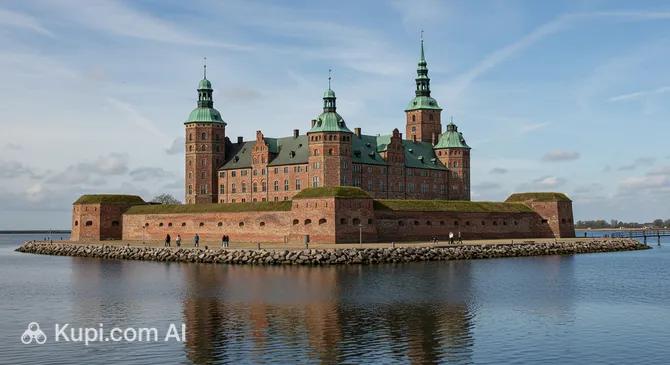
Sønderborg Castle
Sønderborg Castle. Иллюстрация. Источник: Kupi.com AI

Today, the castle is a key cultural landmark of the region, housing the Museum of Southern Jutland. Its exhibits span eight centuries of turbulent history, telling the stories of kings, commoners, and the events that shaped these lands. This is a place where history comes alive through detailed interiors, collections of antique weapons, and works of art.

The castle's architectural diversity is particularly striking, blending medieval fort features with Renaissance elegance. A visit to this complex will appeal to both lovers of imposing fortifications and admirers of exquisite palace halls.

Contacts

To clarify details before your visit or to organize group tours, you can use the official contact information. The museum staff are always ready to answer questions about current exhibitions and special events.

How to contactContact
AddressSønderbro 1, 6400 Sønderborg, Denmark
Phone+45 65 37 08 07
Websitemsj.dk

What to Do

Visitors can begin their exploration of the castle by wandering through its many halls, which display rich collections dedicated to the history of Southern Jutland. Here, you can see everything from archaeological finds and everyday objects to antique weapons and artworks that vividly demonstrate the development of Danish culture over the centuries.

A must-see is the 16th-century Royal Lutheran Chapel. This unique space is considered one of the oldest and best-preserved chapels in Europe. Original interior elements, created in Antwerp, create an atmosphere of solemnity and historical authenticity.

In addition to the permanent exhibitions, the castle frequently hosts themed displays and cultural events. After touring the interior, be sure to step out onto the waterfront. A walk along the fortress walls offers magnificent views of the Alssund Strait, allowing you to enjoy the sea breeze and the architectural grandeur of historic Sønderborg.

Getting There

The castle is located at Sønderbro 1, in the heart of the city, right on the shores of the Alssund Strait. Thanks to its central location, it is easy to find—the massive walls of the fortress are visible from afar and serve as an excellent landmark for walks along the waterfront.

If you are arriving in the city by public transport, the walk from the Sønderborg railway station takes about 10–15 minutes. Trains and buses run regularly here from Copenhagen, Odense, and other major centers, making a trip to Denmark very convenient for independent travelers.

For those who prefer to drive, parking areas are available near the castle. The entrance is also easily accessible by taxi from anywhere in the city or by bicycle, using the extensive network of bike paths that stretch along the scenic coastline.

Ближайший город: Sonderborg

History & Facts

The history of this majestic structure began in 1158, when King Valdemar the Great ordered the construction of a defensive tower to protect the Alssund Strait from attacks. Over time, the modest fortification grew into one of the region's most powerful strongholds, surviving numerous reconstructions and sieges.

One of the darkest and most famous chapters in the castle's history was the imprisonment of the deposed King Christian II. The monarch spent 17 long years here in custody after his fall from the throne in 1523. These walls still hold the memory of the times when the castle served not only as a palace but also as a secure prison for high-ranking figures.

During the Renaissance, under King Christian III, Sønderborg Castle took on the features of a magnificent four-winged palace. Of particular value is the unique royal chapel, designed by architect Hercules von Oberberg for the king's widow, Queen Dorothea. This structure has survived almost in its original form, representing a rare example of 16th-century Lutheran church architecture.

Time Needed

To leisurely explore all the halls, visit the museum exhibits, and step inside the unique chapel, most tourists need about 2 to 3 hours. This is enough time to immerse yourself in the atmosphere of the past and carefully examine the artifacts on display.

If you also plan to walk around the grounds and enjoy the views of the strait, it's worth setting aside half a day. The cozy waterfront and historical fortifications are perfect for long strolls, especially in good weather.

Working Hours

The castle is open daily, making it easy to include in any travel itinerary. According to the current schedule, the museum doors are open to guests from 10:00 AM to 5:00 PM from Monday to Sunday.

Please note that operating hours may vary slightly depending on the season: during the winter months (November to March), the castle usually closes a bit earlier, at 4:00 PM, and may be closed on Mondays. We recommend arriving a couple of hours before closing to see all the halls without rushing.

10:00 – 17:00

Nearby

The surroundings of Sønderborg Castle are steeped in history, and exploring the adjacent areas will allow you to better understand the region's rich past. A walk along the shore or through the old city streets will reveal many commemorative plaques and authentic buildings.

Near the fortress walls and just a short distance away are interesting sites related to the military past and rural life of Southern Jutland. Below are the nearest attractions to include in your itinerary.

NameDistance
Penny Lane Sønderborg0.3 km
SKAAL Sønderborg0.4 km
Curry Leaves0.4 km
Borgen Shopping Centre0.6 km
Kislings0.7 km
Dybbøl Mill1.7 km
Dybbøl Banke History Centre1.9 km

Reached the end of the page?

That means the route is fully explored