Support

Korolevu

About

Korolevu is a picturesque oasis of tranquility located on the famous Coral Coast of the main island, Viti Levu. This cozy town, washed by the turquoise waters of the Pacific Ocean, is rightfully considered one of the best resort areas in Fiji. Here, lush tropical greenery meets a stretch of golden beaches, creating a unique atmosphere for relaxation and reconnecting with nature.
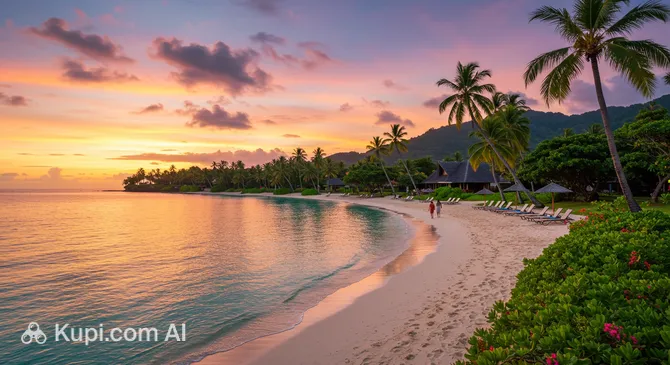
Korolevu. Illustration.
Source: Kupi.com AI

Despite its compact size, Korolevu boasts a well-developed tourist infrastructure. Travelers can look forward to cozy hotels, welcoming restaurants, and atmospheric beach bars. This destination is often chosen by families and couples looking to escape the hustle and bustle of city life: there are no noisy crowds typical of large cities, allowing you to fully experience the leisurely rhythm of island life. The rich history of Korolevu as a resort destination has helped create a special microclimate of hospitality and comfort.

The main points of interest in and around the town are created by nature itself. Tourists come here to enjoy excellent conditions for water sports, explore the rich underwater world with a snorkel, or simply admire the stunning sunsets on the ocean shore. Korolevu is the perfect choice for those seeking harmony and privacy, wishing to take home warm memories of a true tropical paradise.

Weather Overview

The climate in this picturesque corner of Fiji is typically tropical, ensuring a warm atmosphere year-round. There are no sudden temperature drops, so your vacation will be comfortable regardless of the month you choose. Nevertheless, before planning outdoor activities, it is useful to check the current weather in Korolevu to be prepared for tropical quirks.

The hottest and most humid period lasts from January to March. During these months, the average temperature is about 25.4°C, with daily highs often reaching 28.6°C. This time of year is characterized by frequent precipitation: it can rain up to 28 days a month, but it is thanks to this that the surrounding nature blooms especially vibrantly.

A cooler and drier season occurs from June to August. The average air temperature drops to a comfortable 22.0°C — 22.4°C, and the nighttime coolness (minimum around 18.3°C) brings relief after a sunny day. During this period, the number of rainy days decreases to 11 per month. Expect a wet and hot start to the year with frequent downpours, followed by drier, pleasant months in the middle of the year with comfortable warmth.

Average monthly temperature

Average monthly precipitation

Interesting Facts

Korolevu is not just a resort area, but a place with a unique philosophy and hidden gems. Behind the facade of a serene beach holiday lie interesting features that make a stay here truly memorable.

  • The "slow life" philosophy. In Korolevu, time flows by its own rules, often referred to as "Fiji time." There is no rushing here, and every day is filled with steady happiness. This special atmosphere allows tourists to instantly switch from city bustle to the calm rhythm of tropical life, forgetting about clocks and schedules.

  • Gem of the Coral Coast. The area is famous for its secluded white-sand beaches, considered some of the most picturesque in this part of the island. The uniqueness of the place lies in the clarity of the water and the proximity of the reefs: you can observe colorful corals and exotic fish literally just a few steps from the shore.

  • Pepper drink rituals. The town's surroundings are the perfect place to get acquainted with an essential tradition of Fiji—the kava ceremony. This is a drink made from the root of a species of pepper plant, which has been used in rituals for centuries. Participating in such an event is not just a tasting, but an immersion into the islanders' cultural code and a sign of special hospitality.

  • Strategic point for explorers. Korolevu serves as an excellent "base camp" for those who want to see more than just the ocean. From here, it is convenient to head into the interior of Viti Levu: to tropical forests, mountain rivers, and traditional villages where you can see the real life and customs of the indigenous population with your own eyes.

How to Get There

A journey to this cozy corner of the Coral Coast usually begins with arrival on the main island of the archipelago—Viti Levu. To plan your route as efficiently and hassle-free as possible, we recommend studying all the ways to get to the city in advance, assessing travel time and budget.

The main transport hub for tourists is Nadi International Airport (NAN). It is important to note that it is located in the city of Nadi, about 49 km away from Korolevu. This is the country's main air gateway with a massive passenger flow, handling most international flights. The journey from here to Korolevu hotels by taxi or transfer takes approximately 1 hour and 35 minutes. The road runs along the scenic coast, so your introduction to the island's beauty begins right on the way.

An alternative is Nausori Airport (SUV), located on the eastern side of the island in the city of Suva. It is further from the resort—about 74 km from Korolevu. Travel time by car is about 2 hours and 10 minutes. This airport is smaller and is more often used for domestic flights or flights from neighboring Pacific nations.

For clarity, here is a summary of the main airports:

AirportPassenger trafficDistance
Nadi International Airport2.6 mln49 km
Nausori Airport366 50674 km
Kandavu Airport8 000135 km
Savusavu Airport2 000194 km
Labasa Airport32 000219 km

Rail service in the Korolevu area, as in most of Viti Levu, is not used for regular passenger travel. Historical narrow-gauge tracks here primarily serve the transportation of sugar cane. Therefore, tourists should not count on trains.

The most convenient way to reach the resort after arrival remains road transport. You can use regular buses running along the main Queens Road, book a taxi, or rent a car at the airport. This will provide you with flexibility and comfort while moving along the picturesque Coral Coast.

Main Attractions

Korolevu is located in the heart of the famous Coral Coast, so most local attractions are inextricably linked to the unique nature and culture of Fiji. Here, tourists can alternate relaxed beach days with exciting jungle walks and encounters with local fauna. Here are several places that are definitely worth a visit while in this region.

One of the main draws for families and nature lovers is the Kula Wild Adventure Park. It is not just a zoo, but a massive ecological preserve where you can see rare animal species, including the famous Fiji banded iguana and vibrant tropical birds. Convenient wooden walkways are laid out through the jungle for tourists, while active travelers will appreciate the zip line that lets you fly through the tree canopies. This place is ideal for learning more about the islands' ecosystem in an interactive format.

For those seeking adventure and wanting to cool off in fresh water, an excursion to the Biausevu Waterfall is an excellent choice. The journey usually begins with a visit to a traditional village, followed by a scenic trek through the tropical forest and crossings over small streams. At the end of the path, travelers are greeted by a majestic waterfall cascading into a deep natural pool perfect for swimming. This location attracts visitors with its pristine beauty and the chance to feel like a real jungle explorer.

Just a few minutes' drive from Korolevu lies a unique natural monument—the Sigatoka Sand Dunes National Park. This was the first place in Fiji to be placed under state protection, and it differs strikingly from the island's usual green landscapes. Massive sand hills reaching heights of up to 60 meters stretch along the coast, hiding archaeological artifacts from ancient settlers. A walk along the ridges of the dunes opens up breathtaking panoramic views of the crashing ocean and serves as an excellent location for atmospheric photos.

Underwater enthusiasts should pay attention to the Coral Coast reefs themselves, accessible directly from the beaches of Korolevu. These are some of the best snorkeling spots on the main island: the shallow waters here abound with soft and hard corals, among which schools of colorful reef fish dart. During low tide, the ocean recedes, revealing the intricate seabed, allowing even those who cannot swim in deep water to safely explore marine life.

Local Cuisine

Cuisine in Korolevu is a true feast for the senses, based on the use of the freshest gifts from the ocean and tropical plants. The main gastronomic hallmark of the region that every tourist must try is kokoda. This dish is prepared from delicate fillets of fresh fish marinated in lime juice with the addition of coconut milk and spices. It is served chilled, often in a coconut shell half, making kokoda the perfect refreshing treat on a hot afternoon.

For those who want to immerse themselves in authentic traditions, food from the "lovo" earth oven will be an interesting discovery. This is not just a cooking method, but an important cultural event: meat, fish, and vegetables are wrapped in banana leaves and slow-cooked on heated stones underground. The food becomes infused with a smoky aroma and becomes incredibly tender. You can try "lovo" dishes at culinary festivals, themed hotel evenings, or while visiting locals who uphold traditions of hospitality.

A gastronomic walk through Korolevu would not be complete without visiting street markets. Here, an abundance of exotic fruits reigns: juicy mangoes, sweet papayas, pineapples, and bananas are sold everywhere. Fresh coconut water and coconut milk-based cocktails are popular thirst-quenchers. The most adventurous foodies can find rare delicacies on the stalls, such as fried sea cucumbers or hearty snacks made from tapioca and taro.

Travel Tips

A trip to Korolevu promises to be unforgettable if you prepare in advance for the nuances of local life and climate. To make your stay on the Coral Coast as comfortable as possible and free from unpleasant surprises, we have compiled a list of useful recommendations specifically for this region.

  1. Wardrobe and essentials. The climate here is hot and humid, so bring light clothing made from natural fabrics (cotton, linen). The most important accessory for Korolevu is special swim footwear (aqua shoes). Entering the water can often be rocky, and sharp corals can injure your feet. Also, don't forget high-protection sunscreen (SPF 50+) and insect repellent for the evening. If you plan to visit local villages, bring clothes that cover your shoulders and knees (or buy a local sarong—a sulu).
  2. Transport nuances. There is no urban transport in the traditional sense in Korolevu itself, as it is more of a resort zone along the highway. The cheapest way to get around is the local open-sided buses that run along Queens Road; just wave your hand to stop them. It's best to order a taxi through the hotel reception. Important: meters are not available everywhere, so agree on the fare in advance before getting in.
  3. Finances and cash. The local currency is the Fijian dollar (FJD). While large hotels and restaurants accept cards, you will definitely need small denomination cash for buying fruit by the road, souvenirs, or bus fares. ATMs are hard to find in the village itself; they are more common at major resorts or in the neighboring town of Sigatoka, so it's better to withdraw money at the airport beforehand.
  4. Health and safety. Korolevu is a safe place, but remember the tropical sun and dehydration. Drink only bottled water. Pharmacies are rare; the nearest full medical assistance and major pharmacies are in the town of Sigatoka (about 15-20 minutes away). Be sure to pack a personal first-aid kit with antiseptics, band-aids, and stomach remedies.
  5. Language and connectivity. The official language is English, and it is understood almost everywhere. However, locals really appreciate it when tourists use Fijian words. The main word you will hear constantly is "Bula!" (Hello/Welcome). For mobile internet, it's best to buy a SIM card from Vodafone or Digicel upon arrival at the airport, as Wi-Fi outside hotels can be unstable.
  6. Local etiquette. The people of Fiji are famous for their friendliness. It is customary to greet everyone, even strangers on the street. An important cultural taboo: never touch a Fijian's head (even a child's)—it is considered a sacred part of the body. When entering a home or community area, always remove your hat and sunglasses as a sign of respect.
  7. What to avoid. Don't try to do everything at once. The concept of "Fiji Time" exists here—time flows slower, and no one is in a rush. Showing impatience or aggression due to slow service will be perceived as rudeness. Also, avoid walking on the reefs during low tide without a guide—it can be dangerous for both you and the fragile ecosystem.
  8. Foodie tip. You will often find small stalls run by local farmers along the road near Korolevu. Don't be afraid to buy fruit there—papaya, pineapples, or small sweet bananas. Not only is it cheaper than at the hotel, but it's also much tastier as the fruit ripened in the sun, not in a container.

Following these simple rules will help you quickly get on the wavelength of island life. Korolevu is a place where a sincere smile opens any door, and respect for local traditions guarantees you the warmest welcome and bright memories.

Entertainment & Nightlife

Nightlife in Korolevu is strikingly different from the noisy parties in large metropolises. You won't find multi-story nightclubs with neon signs or red-light districts here. Instead, the resort offers an atmosphere of relaxed island elegance, where the main backdrops are the starry sky and the sound of the ocean. Most evening activity is concentrated within the major resorts located along the main Queens Road and in a few local bars by the coast.

The centers of attraction after sunset are the beach bars and lounges. The atmosphere here is as democratic and friendly as it gets: the dress code is usually limited to "island casual" (light shirts, dresses, sandals), although some fine-dining restaurants may request closed-toe shoes. Evenings are often accompanied by live music performed by local "Bula Bands"—groups playing traditional Fijian melodies and acoustic covers of world hits on guitars and ukuleles.

If you are looking for specific places to spend an evening with a cocktail, it is worth looking at the establishments within well-known hotels, which are often open to outside guests (it is best to check this at reception beforehand). For example, the Sunset Bar at the Warwick Fiji is a popular spot for watching the sunset with a signature cocktail in hand. You should also check out the bars at The Naviti Resort complex, which often host themed evenings. Another interesting format is swim-up bars, which smoothly transition from daytime operation to evening lounges.

Cultural shows hold a special place in the entertainment program. They are the local alternative to theaters and concert halls. Nearly every large hotel in Korolevu hosts grand "Meke" performances several times a week, featuring traditional dances and songs. The climax of the night program is often a spectacular fire show or fire-walking—an ancient ritual believed to have originated on the nearby island of Beqa.

Practical tips for tourists:

  • Transport: Public transport does not run at night. You should only move between venues or return to your hotel by taxi. It is recommended to book a car through a bar or restaurant employee, as hitching a ride on the dark highway is unsafe.
  • Safety: Korolevu is a peaceful place, but walking along Queens Road at night is not advisable. The road is not lit everywhere, sidewalks may be missing, and traffic can be fast.
  • Prices: The cost of drinks in hotel bars will be higher than in stores but lower than in European capitals. On average, a cocktail can cost between 15 and 25 Fijian dollars. Happy Hours usually take place before sunset, from 5:00 PM to 7:00 PM.

As for daytime entertainment not related to the beach, there are no classic museums or theaters in the village itself. Ethnographic villages, which can be visited on a tour, serve as cultural centers. There, you will be shown the islanders' way of life, offered participation in craft workshops, or a kava ceremony. This is a great way to diversify your leisure time before evening sets in.

Parks & Museums

Korolevu and its surroundings are like an open-air museum where the exhibits are majestic landscapes and the living traditions of the islanders. While you won't find multi-story art galleries here, the region offers a unique blend of protected natural areas and ethnographic centers that allow for a deep immersion into the atmosphere of Fiji.

Key Parks and Natural Areas

Although the Sigatoka Sand Dunes National Park is often mentioned as a place for active recreation, it is the most important natural and historical preserve in the country. It was the first territory in the archipelago to receive national park status. Here, nature has created a stunning landscape of gray and golden sands contrasting with lush tropical greenery. For tourists, this place is interesting not only for the views but also for the chance to touch antiquity: winds often uncover fragments of Lapita culture pottery in the dunes, dating back over 2,500 years.

Another important site is the Kula Eco Park. Unlike ordinary zoos, this is a biodiversity conservation center specializing in breeding endangered species, such as the Fiji crested iguana. A walk through the park follows wooden walkways laid through dense rainforest, allowing you to observe flora and fauna in their natural habitat without disturbing the ecosystem.

Museums and Cultural Centers

The role of the main guardian of history in the Korolevu area is fulfilled by the Kalevu Cultural Centre. This is an ethnographic complex built in the form of a traditional Fijian village. Here, visitors can see authentic "bure" huts, learn about the social hierarchy of tribes, the purpose of various buildings, and ancient crafts. The center is interesting because it offers a live demonstration of daily life rather than just dry facts: from mat weaving to cooking.

Historical and Architectural Sites

History buffs should visit Tavuni Hill Fort, located nearby in the Sigatoka Valley. This semi-ruined 18th-century defensive structure, perched atop a hill, offers breathtaking views of the river and surroundings. The fort served as a refuge for Tongan warriors and local clans during intertribal wars. Preserved earthworks, ceremonial grounds, and the remains of dwellings make it an important monument to the region's military history.

Insider Tip

For a truly authentic experience, visit one of the local churches during a Sunday service. Fijians are famous for their choral singing, and even if you are not religious, the powerful energy and harmony of the congregants' voices will be one of the most striking cultural impressions of your trip.

Getting Around

The transport system in Korolevu has its own unique features, due to its status as a resort zone rather than a large metropolis. You won't find subways, trams, or trolleybuses here. The backbone of public transport consists of buses and taxis running along the main Queens Road, which connects the major locations on the coast.

Buses are the most affordable way to get around. Major companies (such as Pacific Transport and Sunbeam) run regular intercity services through Korolevu on the Suva–Nadi route. You will also see local open-sided buses without windows, which add a special flavor to the trip and allow you to enjoy the sea breeze. Stops are often not marked with signs: to catch a bus, simply stand on the side of the road and wave confidently to the driver.

The payment system on buses is entirely cashless. The eTransport electronic ticketing system operates across the island. You cannot pay the driver in cash. Tourists need to purchase a one-time or reloadable card (usually sold at Vodafone, Valuefone offices, or authorized shops). Since there may be few points of sale in Korolevu itself, it is recommended to buy and top up a card immediately upon arrival at the airport or in the nearest large town, Sigatoka.

Taxis are the most convenient, though more expensive, option for tourists. Cars can be found at the entrances to major hotels or ordered at reception. Unlike buses, payment here is mostly in cash. It is important to remember that taximeters are rarely used, so the fare should be agreed upon in advance before getting into the car. Bargaining is appropriate and even encouraged.

As an alternative to public transport, car rental is very popular. This provides freedom to move along the scenic coast without being tied to a schedule. Rental points are usually located at the airport or within major resorts. Car-sharing and bike rentals are virtually non-existent in this area due to the nature of the road infrastructure and the long distances between sites.

Practical tips: Buses run roughly from 6:00 AM to 6:00–7:00 PM. After dark, public transport practically stops running, so for evening trips to a restaurant or a neighboring hotel, rely only on taxis or pre-booked transfers. Always carry small cash for taxi drivers, as they often do not have change for large bills.

Accommodation

Choosing accommodation in Korolevu has its own specifics, dictated by its status as the heart of the Coral Coast. Unlike large cities, you are unlikely to find multi-story business hotels or noisy youth hostels here. The core of the hotel stock consists of resort complexes stretching along the ocean. The range of offers varies from cozy boutique hotels and traditional Fijian bungalows ("bures") to large-scale four- and five-star resorts with developed infrastructure operating on an "all-inclusive" basis.

Geographically, the residential zone is stretched along the island's main artery—Queens Road. The most popular and convenient hotels for tourists are those located on the first coastline. Staying here guarantees direct access to beaches and coral reefs. Since the village of Korolevu itself is small, the connection to a specific "district" is not as important as the hotel having its own grounds and beach. Travelers without a car should choose hotels located near bus stops or those that offer their own transfers to main attractions.

Family-oriented hotels and secluded villas for honeymooners are particularly popular in this region. Many complexes are self-sufficient towns featuring pools, restaurants, spas, and water sports equipment rental points. This is especially important to consider, as dining infrastructure outside the hotels can be limited.

Booking tip: Given that Korolevu is primarily a resort area where the hotel often becomes the main place for spending time, it is recommended to carefully study what is included in the price. We strongly suggest choosing rates with meals included (half board or full board) or "Meal Plans". This will save you from having to search for a restaurant every time and help you save significantly, as prices for food on a la carte menus can be high.

The price range in Korolevu can be described as mid-range and above. There are few budget ("backpacker") options here, and they fill up quickly. To get the best price and a guaranteed ocean view, you should book accommodation 2–3 months in advance, especially if your vacation falls during the "high season" (July-August and the Christmas holidays). Using major international online booking platforms often allows you to catch good special offers, though sometimes contacting the hotel's website directly can yield bonuses like free transfers or spa treatments.

Nearby Cities

For those looking to explore the surrounding area, Korolevu serves as an excellent starting point for day trips to several interesting nearby locations:

Just an hour's drive west is Nadi—the island's main tourist hub. This place is definitely worth a visit for the famous Sri Siva Subramaniya Hindu temple with its vibrant architecture and the peaceful Garden of the Sleeping Giant, which houses a magnificent collection of orchids. Nadi is also famous for its souvenir shops and restaurants.

If you head east, you will reach the country's capital—Suva. It is the cultural and political heart of the archipelago, where modern life intertwines with colonial history. Here, you can visit the Fiji Museum, stroll through the Thurston Botanical Gardens, and feel the rhythm of a big city at the bustling municipal market.

Slightly further past Nadi is Lautoka, known as the "Sugar City" because of its role in the sugar industry. It is the country's second-largest city, featuring wide tree-lined streets and a relaxed atmosphere, perfect for a leisurely stroll and getting to know the locals' way of life.

CityPopulationDistance
Blue Lagoon26 km
Ba18 52630 km
Vatukoula7 00040 km
Nadi71 04849 km
Sigatoka9 62250 km

These nearby destinations provide insight into the diverse culture and landscapes of the region, making your Fiji holiday even more fulfilling and informative.

Shopping & Souvenirs

Shopping in Korolevu has its own specifics, dictated by the resort lifestyle. You won't find massive shopping malls or high-fashion boutiques common in metropolises here. Trade in this area is focused on meeting the needs of tourists: from basic necessities to unique handmade items. The main feature of local shopping is the relaxed atmosphere and the opportunity to purchase authentic goods reflecting the culture of Fiji, often directly from local artisans.

Most commercial activity in Korolevu is concentrated along the main transport artery—Queens Road. There are no dedicated pedestrian shopping streets; instead, shops and stalls are located sporadically along the road or grouped into small commercial zones near gas stations and large hotels. For more extensive shopping, tourists usually head to the neighboring town of Sigatoka (about 20–30 minutes away), which is considered the commercial hub of the entire Coral Coast.

In Korolevu itself, specialized boutiques located within major resort complexes serve as shopping centers. You can often find branches of famous Fijian chains like Jack’s of Fiji or Tappoo there. These stores offer a wide range of quality clothing, jewelry, and souvenirs in comfortable, air-conditioned environments. Small supermarkets are also found along the highway where you can buy groceries, drinks, and beach supplies.

The true flavor of Korolevu is revealed at small informal markets and roadside stalls. Locals sell the freshest tropical fruits, vegetables, and coconuts directly from their farms here. It's not just a place to buy food, but a great opportunity to chat with the islanders. Additionally, Baravi Handicrafts is a popular stop nearby—a shop and cafe where you can find an excellent selection of local crafts, from wood carvings to woven mats.

Souvenirs from Korolevu worth bringing home include items that capture the spirit of the islands. Particularly popular are:

  • Kava bowls (tanoa)—carved wooden dishes used in traditional ceremonies.
  • Masi (tapa)—cloth made from the bark of the paper mulberry tree decorated with ethnic patterns.
  • Pure Fiji cosmetics—oils, soaps, and lotions based on coconut and floral extracts produced on the islands.
  • Colorful "Bula" shirts and sarongs (sulu)—vibrant clothing worn by the locals themselves.
  • Black pearls—jewelry featuring pearls cultivated in the waters of the Savusavu region can be found in jewelry departments at hotels.

Shops in Korolevu typically operate from 8:00–9:00 AM to 5:00–6:00 PM. Hotel souvenir shops may stay open longer, until 9:00 or 10:00 PM. Major stores and resorts readily accept credit cards (Visa, MasterCard, sometimes AmEx), but for buying fruit on the road or souvenirs in small stalls, be sure to have cash in Fijian dollars, preferably in small denominations.

Fiji has a Tourist VAT Refund Scheme. If you shop at licensed stores (look for the "VAT Refund" sticker in the window) and your total receipt exceeds 500 Fijian dollars (receipts from the same store on the same day can be combined), you can claim a partial refund of the tax when leaving the country. Be sure to ask the seller for the special tax refund form and keep your receipt to present at the airport.

Reached the end of the page?

That means the route is fully explored