Support

Yasawa Island

About

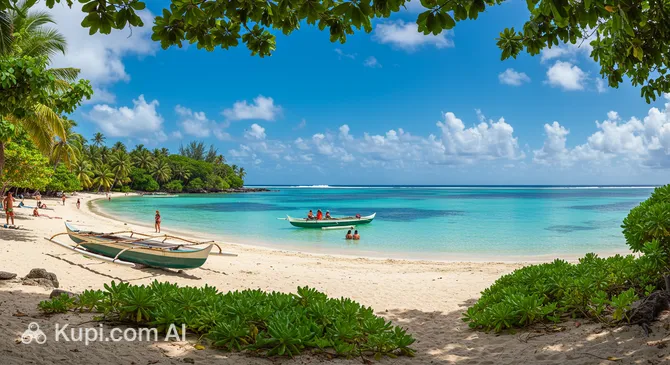
Yasawa is not just a point on the map, but a picturesque chain of 16 volcanic islands stretching across the northwestern part of Fiji. It is a place where time seems to slow down, giving way to the sound of the surf and the rustle of palm trees. With a population of about 2,400 people, the archipelago maintains an atmosphere of seclusion and genuine authenticity. There are no noisy metropolises or bustle here; instead, travelers are greeted by cozy fishing villages where locals welcome every guest like an old friend.

Yasawa Island. Illustration.
Source: Kupi.com AI

The main treasure of the region is its pristine nature. Snow-white beaches, contrasting with turquoise lagoons and rocky cliffs, create the perfect backdrop for a relaxed holiday. Adventure seekers will certainly appreciate the opportunity to explore the famous Sawa-I-Lau limestone caves, which hide mysterious grottoes and crystal-clear swimming pools inside. The archipelago's underwater world teems with colorful coral gardens, making snorkeling and diving here truly spectacular.

The cultural life of the islands is inextricably linked to ancestral traditions. The fascinating history of Yasawa Island and the entire archipelago is revealed through legends and customs that can be discovered by visiting local communities or participating in a traditional kava ceremony. This place is ideal for those seeking harmony with nature: from luxury resorts to cozy eco-hotels, Yasawa offers everyone a chance to find their own tropical paradise.

Weather Overview

The climate on Yasawa Island is the embodiment of a tropical dream, with warmth that reigns year-round. The average air temperature is remarkably stable and fluctuates within a narrow range: from +24.9°C in the coolest month of August to +27.6°C in February. These figures allow you to enjoy beach holidays and swimming in the ocean in almost any month without fear of sudden cold snaps.

However, the nature of your holiday can change depending on the rainy season. Expect warm but humid weather with frequent rainfall from January to April, and drier, sunnier days during the Southern Hemisphere's winter months. For example, March sees up to 27 rainy days, while from June to September, the number drops to 6–10 per month, making this the ideal time for excursions. The current weather in Yasawa Island and a detailed forecast will help you choose the best dates to catch the most sunshine.

Interesting Facts

In addition to its famous landscapes, Yasawa Island holds many fascinating secrets and stories hidden from the average tourist. Here are a few facts that reveal the unique character of this archipelago:

  • Long-awaited Opening. Until 1987, access to Yasawa for foreign tourists was restricted by the government. This forced isolation played a positive role: it allowed for the preservation of a unique ecosystem and the islanders' authentic way of life in almost pristine form.

  • Cinematic Fame. The landscapes of the archipelago might look familiar, and that’s no coincidence. This is where the filming of the cult movie The Blue Lagoon starring Brooke Shields took place, after which the local beaches became a dream for romantics from all over the world.

  • Cave Legends. The famous Sawa-I-Lau limestone caves are not just a natural monument but also a "place of power." According to legend, ancient chiefs once hid here, and today tourists come for the incredibly clear water that creates the illusion of floating in zero gravity.

  • A Symbol of Friendship. Yasawa residents hold traditions sacred, and one of the most important is the kava ceremony. This drink made from the root of a special plant is not alcoholic in the usual sense but serves as an important symbol of unity and hospitality; participation in such a ritual is considered a sign of great respect.

How to Get There

A trip to this picturesque archipelago is a true adventure that begins long before your foot touches the white sand. Since the archipelago is remote from major thoroughfares, logistics require attention, but the reward will be incredible views along the way. To plan your route as accurately as possible and choose a convenient mode of transport, we recommend studying all ways to get to the city and the islands of this group.

There is no international airport in Yasawa Island itself. The main air gateway for tourists is Nadi International Airport (NAN), located in the city of Nadi on the main island of Viti Levu. It is about 107 km from Yasawa Island. This is the country's largest aviation hub, receiving flights from all over the world. Travel time to the islands, including the necessary transfer by seaplane or high-speed catamaran, is usually around 3 hours.

An alternative option is to fly into Nausori International Airport (SUV), located in the country's capital, Suva, approximately 178 km from Yasawa. This airport is more frequently used for domestic flights and connections to neighboring Pacific countries. The journey from here will be longer and require more complex logistics, taking approximately 4.5–5 hours, accounting for all transfers.

For clarity, here is a summary of the main airports through which you can build your route:

AirportPassenger trafficDistance
Nadi International Airport2.6 mln107 km
Nausori Airport366 506178 km
Savusavu Airport2 000195 km
Labasa Airport32 000199 km
Kandavu Airport8 000260 km

Railway communication in Fiji is not developed for passenger travel, and there are no railway stations on Yasawa Island or throughout the archipelago. The primary way to move between islands after arriving in the country remains water transport. Tourists often use the famous Yasawa Flyer catamaran, which runs daily from Port Denarau (near Nadi airport), or book private transfers by boat or seaplane for a faster and more scenic arrival.

Main Attractions

The attractions of Yasawa are a hymn to pristine nature and Polynesian culture. You won't find huge museums or noisy entertainment centers here, but in return, you'll gain access to unique natural monuments and living traditions that have been carefully preserved by locals for centuries.

Sawa-i-Lau Caves. This is perhaps the most mystical and famous attraction in the region, located at the southern tip of Yasawa Island. Majestic limestone formations hide a natural seawater pool inside, illuminated by the sun through a crack in the ceiling, creating a magical atmosphere. For the bravest, there is a second "secret" cave that can only be reached by diving through a small underwater tunnel. Local legends say that a young chief once hid his lover here.

Blue Lagoon. A place that has become legendary thanks to cinema looks even better in reality than on the screen. It is a vast area of water between the islands with incredibly clear, azure-tinted water. Tourists come here for world-class snorkeling: the coral reefs are teeming with tropical fish that are completely unafraid of people. It is an ideal location for relaxed swimming and underwater photography surrounded by picturesque green hills.

Bukama Village. To understand the soul of Fiji, it is worth heading to one of the authentic villages located right on the island's coast. Bukama offers an opportunity to see the real life of the islanders: traditional huts, a school, and craft workshops. Guests are greeted here with sincere warmth, often invited to ceremonies and cultural performances featuring "meke" dances, which allow for a deeper immersion into island life.

Champagne Beach. This secluded and incredibly beautiful stretch of coastline got its name from a special natural phenomenon. During high tide, the crystal-clear water foams at the shore, resembling the bubbles of sparkling wine. The fine white sand and lack of crowds make this place perfect for romantic picnics and peaceful relaxation away from civilization.

Local Cuisine

The culinary scene of Yasawa Island is a true feast for lovers of the freshest seafood and exotic flavors. The foundation of the diet here consists of the gifts of the Pacific Ocean: fish, octopus, and shellfish that reach the table just hours after being caught. Local cuisine is characterized by simple preparation that preserves the natural taste of the ingredients and the generous use of tropical fruits and vegetables.

The main gastronomic hit that every traveler must try is "kokoda". This dish resembles ceviche: pieces of fresh fish are marinated in lime juice and then served in thick coconut milk with the addition of chili and vegetables. It is often served right in a coconut shell, which adds a special local color to the meal. The taste is surprisingly balanced — delicate, with a pleasant citrus acidity.

For an encounter with authentic traditions, you should try dishes cooked in a "lovo" earth oven. Local residents wrap meat, fish, and starchy vegetables (such as taro or cassava) in banana leaves and slow-cook them on red-hot stones under a layer of earth. This method gives the food a unique smoky and spicy aroma, making the meat incredibly tender.

Street food on Yasawa is a unique pleasure. At small markets or directly from fishermen, you can buy fragrant fish kebabs and hearty pies with vegetable filling. For snacks, sweet potatoes baked on coals and, of course, tropical fruits are perfect: incredibly juicy mangoes, papayas, and pineapples grow here, with a taste that is drastically different from what we are used to buying in supermarkets.

As for drinks, the best way to quench your thirst in the heat remains fresh coconut water, drunk straight from the nut. Sweet drinks based on cane sugar are also popular. If you are lucky enough to be on the island during a food festival, don't miss the chance to attend workshops on preparing traditional food — it's a great way not only to eat but also to interact with the hospitable islanders.

Travel Tips

A trip to Yasawa Island is an escape into a world of wild nature and serenity, where civilization gives way to a tropical idyll. To ensure your holiday in this remote corner of Fiji is perfect and leaves only warm memories, we have prepared a list of important practical recommendations to help you prepare for your island encounter.

  1. Clothing and gear. The climate is tropical, so bring light clothing made of natural fabrics (cotton, linen). However, for visiting villages, modest clothing covering the shoulders and knees is mandatory (women will find a pareo or sarong, called a "sulu" here, useful). Special swimming shoes (aqua shoes) are essential to protect your feet from sharp corals and sea urchins.
  2. Transport specifics. There is no conventional public transport, taxis, or car rental services on Yasawa Island itself, as there are practically no paved roads. The main way to get around is by walking along trails or taking boats (water taxis) between bays. It's best to arrange transfers to your hotel or neighboring beaches in advance with the resort administration.
  3. Financial matters. The official currency is the Fijian dollar (FJD). There are practically no ATMs on the island, and exchange offices are non-existent. Be sure to withdraw or exchange enough cash at Nadi airport before flying to the islands. Resorts accept cards, but you will need cash to buy souvenirs from locals or pay for small services.
  4. Health and safety. Pharmacies on the island are very rare, and medical posts have only basic equipment. Pack an extensive first-aid kit: remedies for stomach upset, antiseptics, plasters, and most importantly, high-quality repellents (mosquitoes can be active in the evening). The sun here is very strong, so high SPF sunscreen (50+) is a must.
  5. Communication and language. English is widely spoken, but locals will appreciate it if you learn a few words in Fijian: "Bula" (hello/welcome) and "Vinaka" (thank you). Wi-Fi in hotels is often slow and only available in the lobby. If you need stable internet, buy a SIM card from a local operator (Vodafone or Digicel) upon arrival in Nadi, although coverage in remote bays can be unstable.
  6. Local etiquette. Fijians are incredibly hospitable but honor traditions. It is customary to remove your shoes when entering a house or public building in a village. Under no circumstances should you touch anyone on the head (even children) — it is considered a sacred part of the body. Also, try not to wear hats or sunglasses when interacting with the village chief or elders.
  7. What to avoid. Do not walk through village areas in swimsuits or trunks — this is considered highly disrespectful; beachwear is only appropriate on the resort beach. Also, avoid loud talking and noise on Sunday — it is a day of church and rest for most locals.
  8. The "sevusevu" tradition. If you plan to visit a traditional village on your own (not as part of a tour), it is good manners to buy kava root (yaqona) in advance as a gift for the chief. This offering ritual is called "sevusevu" and is a sign of respect and a request for permission to be on their land.

Yasawa lives by its own rhythm, which is called "Fiji Time" here — time flows slower, and no one is in a hurry. Embrace this relaxed philosophy, let go of the city hustle, and enjoy every moment spent among the sincere smiles and stunning nature of this Pacific paradise.

Entertainment & Nightlife

Nightlife on Yasawa Island is strikingly different from what tourists are used to seeing in major resort cities. Here, you won't find neon signs, noisy districts with nightclubs, or streets lined with bars. Evening leisure on the archipelago is focused exclusively on the grounds of hotels and resorts. This is the concept of "barefoot luxury": entertainment takes place to the sound of the ocean, under torchlight and the flicker of southern stars. The main centers of activity after sunset are beach bars and common lounge areas (often called the "main bure"), where guests from all over the world gather.

The atmosphere here is as relaxed and informal as possible. There is practically no dress code: shorts, light dresses, and no shoes are the standard attire for a party on Yasawa. Musical accompaniment varies from acoustic guitar performances by local Fijian bands to DJ sets in more youth-oriented resorts. Evenings are often graced by traditional Fijian performances: "meke" dances and breathtaking fire shows on the sand.

Since all nightlife is tied to specific resorts, the choice of venue depends on where you are staying or the possibility of reaching neighbors by boat (which can be difficult at night). Nevertheless, a few places have earned a reputation as centers for evening activity:

Blue Lagoon Beach Resort Bar. This is one of the liveliest places in the archipelago. In the evening, a festive atmosphere reigns here: themed dinners, quizzes, and outdoor movie screenings are organized (the famous "Blue Lagoon" is often shown). The bar offers an excellent selection of tropical cocktails and imported beers, and socializing among guests is easy and natural.

Coconut Bar at Octopus Resort. This establishment is famous for its social atmosphere. The bar is located right by the pool and the beach, making it the perfect place to watch the sunset. Live music is often played here, and the bartenders are known for their skill in preparing signature cocktails based on rum and fresh fruit. It is a hub for those looking for fun company and dancing on the sand.

A special place in Yasawa's "nightlife" is held by the kava ceremony. This is not just consuming a drink, but an important social ritual that often replaces a trip to the bar. Guests sit in a circle on mats and, amidst leisurely conversation and music, pass around a bowl ("bilo") of a drink made from the root of the kava plant. The effect of kava is relaxing and slightly numbing, which fits perfectly into the calm rhythm of an island night.

Practical Tips and Safety:

Moving between islands or even between neighboring bays at night by boat (water taxi) is usually not done for safety reasons, as navigation is difficult. Therefore, plan to spend the evening where you are staying. Alcohol prices in resort bars can be high (cocktails starting from 20–30 FJD), as all drinks are brought in from the mainland. Walking on the beach at night is safe, and crime is practically non-existent, but be sure to carry a flashlight so as not to trip on coral rubble or tree roots.

As for daytime cultural entertainment, Yasawa lacks the typical theaters, museums, or amusement parks. The role of "museums" here is played by traditional villages where you can learn about the Fijian way of life, visit local schools, and craft markets. The main stage is nature itself, and the best "day club" is the ocean with its coral reefs.
Parks & Museums

Yasawa Island and the surrounding archipelago represent a unique space where the concept of urban parks and enclosed museum halls gives way to the grandeur of wild nature and living culture. Here, the role of green zones is played by untouched tropical jungles and volcanic hills, and instead of glass display cases, the region's history is told by the locals themselves in authentic settlements. This is a destination for those who want to see the world as it was hundreds of years ago, without artificial stage sets.

Natural Areas and Marine Reserves

Although there are no officially fenced botanical gardens on the island, the entire territory of Yasawa is like a vast natural park. Special attention should be paid to the volcanic hills and hiking trails that crisscross the island. Walking along the ridges of the hills, covered in tall grass, opens up 360-degree panoramic views: on one side, the endless Pacific Ocean, on the other, the chain of neighboring islands. These "green zones" are perfect for sunrise hiking when the sun first begins to gild the tops of the palm trees.

Another important natural attraction is the waters around the islands, which can be considered a real underwater park. Many parts of the coast have the status of marine reserves where fishing is prohibited to preserve the population of corals and marine life. Here you can swim among untouched reefs, observing turtles and reef sharks in their natural habitat, which provides far more emotion than a visit to any aquarium.

Cultural Heritage: "Living Museums"

You won't find classic museums with ticket offices and audio guides on Yasawa. Instead, the entire island functions as an open-air ethnographic museum. Every traditional village is a guardian of Fiji history. Visiting local communities allows you to see the ancient settlement structure, where life is organized around a central "rara" (village green). Tourists can watch the process of making mats from pandanus leaves or creating "tapa" cloth from tree bark — crafts passed down through generations unchanged.

Shell Markets, which often pop up spontaneously on beaches or in village centers, serve as a kind of local art gallery. Here, women display shell jewelry, wooden sculptures, and woven items for sale. Each such item is not just a souvenir, but a piece of folk art reflecting the aesthetics and resources of the region. By talking with the artisans, you will learn about the meaning of the patterns and the symbolism hidden in seemingly simple things.

Architecture and Landmarks

In terms of architecture, the main attractions are the village churches. Religion plays a huge role in Fijian life, so church buildings are always the best-maintained, largest, and brightest structures in a village. Their architecture is simple but dignified, and the choral singing that can be heard during Sunday service is a powerful cultural experience that surpasses many concert halls in its impact.

Insider Tip

For a unique experience, ask local guides to lead you to the top of the mountain at the northern tip of Yasawa Island. This place is rarely visited by mass tourists, but it is from there that the best view of the entire archipelago opens up. This journey will be your personal excursion into a world of wild nature, where the only sounds will be the whisper of the wind and the distant roar of ocean waves.

Getting Around

The transport system on Yasawa Island is unique and dictated by the geographical features of the region. You won't find conventional urban public transport here: there are no subways, trams, or trolleybuses, and bus service in the classic sense is impossible due to the lack of paved roads. The ocean serves as the main highway here, and boats are the primary mode of travel between locations.

The main link, functioning like an intercity bus, is the high-speed Yasawa Flyer catamaran. This large yellow vessel runs daily along the island chain, stopping at major resorts and villages. For tourists, this is the most reliable and affordable way to get to the island or move to a neighboring bay. The catamaran runs strictly on schedule, departing from the mainland in the morning and returning in the afternoon.

For shorter and more flexible trips, water taxis are used. These are small fiberglass motorboats operated by local residents. They are ideal if you need to get to a neighboring beach, visit caves, or go to another village without sticking to the large catamaran's schedule. However, keep in mind that the comfort level is basic, and in windy weather, the trip can be quite extreme due to the sea spray.

The fare payment system has its nuances. For travel on the Yasawa Flyer, it is highly recommended to purchase tickets in advance online or through travel agents. The Bula Pass tourist pass is extremely popular. It works on a hop-on/hop-off basis and allows unlimited travel between islands for a chosen number of days (from 5 to 21 days). This is the best value option for those planning to visit multiple locations. To pay for water taxis, you will need cash, as the boatmen do not have terminals. The price of the trip should be agreed upon in advance, before boarding the boat.

Land travel on Yasawa Island itself is limited. There are very few cars, and they are used mainly for resort maintenance or delivering goods along dirt roads. For tourists, the main land transport is their own two feet. Picturesque walking trails have been laid out between villages and beaches, allowing you to enjoy nature. Some resorts provide transfers by boat or, in rare cases, by pickup truck to meet guests, but this is a private service rather than public transport.

As an alternative for those who value time and are willing to pay for comfort, there is small-scale aviation. Seaplanes and helicopters can take you directly to your hotel's beach, bypassing the long water journey. This is the fastest way to reach the island, although significantly more expensive. Bicycle rentals and car sharing are non-existent on the island due to the difficult terrain and lack of road infrastructure.

An important tip for travelers: when planning your movements, always consider daylight hours. Water taxis generally do not operate after sunset for safety reasons, as navigating among coral reefs in the dark is difficult. Always carry a supply of small cash bills to pay local boatmen and check the current catamaran schedule at your accommodation's reception, as it can change due to weather conditions.

Accommodation

Accommodation on Yasawa Island and the archipelago of the same name is fundamentally different from a typical city holiday. You won't find multi-story hotel complexes or chain hotels here. Instead, Fiji offers tourists a concept of "barefoot luxury" and seclusion. The main format of accommodation consists of resort complexes occupying separate bays or even entire small islands. The range of offers varies from simple budget hostels for backpackers to exclusive five-star villas, where world celebrities often fly in.

Geographically, the choice of where to stay depends on your preferred vacation style. The northern part of the island and archipelago is considered wilder and more secluded; it is home to elite resorts offering maximum privacy and proximity to the famous Sawa-I-Lau caves. The southern and central areas are livelier and more popular among youth and independent travelers, as they are faster to reach from the main island of Viti Levu, and more mid-range options are concentrated here.

A feature of the local hotel stock is the traditional Fijian house — "bure". They are built from natural materials using wood and straw, which allows them to stay cool even in the heat. In the budget segment, these might be modest huts with shared facilities, while in the luxury category, they are spacious villas with private pools and direct ocean access. Most hotels operate on an "all-inclusive" basis or offer mandatory meal plans, as there are no alternative restaurants or shops outside of the resorts.

Booking Tip: You should plan your trip to Yasawa in advance, especially if you intend to visit the island during high season (July–August or the Christmas holidays). Due to the limited number of rooms, the best options are booked months in advance. Also, be sure to consider logistics: book your catamaran or seaplane transfer at the same time as your accommodation to coordinate arrival times.

The price range on the island is quite wide. Budget travelers can find a bed in a shared dorm at an affordable price, making Yasawa popular among "flashpackers." The middle class is represented by cozy family bungalows, while the cost of staying in premium resorts can be comparable to the world's best luxury resorts. Booking is most convenient through major online platforms or directly on hotel websites, where there are often special offers that include transfers.

Nearby Cities

For those who want to explore the surroundings, Yasawa Island serves as an excellent starting point for day trips or short visits to several interesting nearby locations. Since the archipelago is a secluded place, most major settlements are located on the main island of the country, Viti Levu. You can reach them by seaplane or high-speed catamaran, which is an adventure in itself.

One of the most convenient cities to visit is Lautoka, located closest to the island chain. It is often called the "Sugar City" because of the vast sugar cane plantations around it. Here you can immerse yourself in an authentic atmosphere, visit the botanical garden and a huge market where locals sell spices and fruits. This is a great contrast to the beach idyll of Yasawa.

Another important destination is Nadi. It is the tourist heart of the region and the main transport hub. Travelers go here to see the majestic Sri Siva Subramaniya Temple — the largest Hindu temple in the Southern Hemisphere, which impresses with its bright architecture. In addition, Nadi has many souvenir shops and restaurants offering dishes from different world cuisines.

Although the capital Suva is located at a significant distance, it deserves mention as a cultural and political center. If time permits, it is worth visiting the Fiji Museum, located in Thurston Gardens, to gain a deeper understanding of the history and ethnography of the archipelago. The city features beautiful colonial architecture and a lively waterfront.

CityPopulationDistance
Vatukoula7 00088 km
Lautoka52 22091 km
Ba18 526102 km
Mana Island107 km
Nadi71 048110 km

These nearby destinations allow you to get a sense of the diverse culture and landscapes of the region, harmoniously complementing a secluded island holiday with a look at Fiji's city life.

Shopping & Souvenirs

Shopping on Yasawa Island is fundamentally different from a typical shopping trip. Here, you won't find multi-story shopping centers, neon signs, or seasonal sales of designer clothes. Trade on the archipelago is authentic, almost domestic in nature, and inextricably linked to supporting local communities. Purchases here are more of a cultural exchange and an opportunity to take home a piece of the warmth and skill of Fijian artisans.

There are no conventional shopping streets or districts on the island. All commercial activity is concentrated in two main locations: within resort hotels and in traditional villages. Small souvenir boutiques operate in the lobbies of most resorts, where you can buy essentials, beachwear, and gifts. However, for true local flavor, you should head directly to the villages, which are often accessible during excursions. This is where the most sincere trade unfolds, right on the grass or on spread-out mats.

If your goal is serious shopping for a wardrobe update or electronics, it is better to plan this during your stay on the main island of Viti Levu. The cities of Nadi and Lautoka, through which tourists usually travel to the archipelago, offer a wide selection of shops, including famous chains like Jack’s of Fiji and Prouds. Yasawa, however, is a conservation area where nature prevails over commerce.

The main highlight of local shopping is the so-called "Shell Markets." They often appear spontaneously when a group of tourists arrives in a village. Local women display their work: these are not factory-made items, but handmade products. The atmosphere at these markets is very friendly; it is customary to chat with the craftswomen, learn the history of the items, and light bargaining is seen as part of a pleasant conversation, though prices are quite modest to begin with.

Unique folk crafts are worth bringing back as souvenirs. First and foremost are pieces of jewelry made from shells and mother-of-pearl, which are crafted here with great skill. Look for "tanoa" wooden bowls (used for preparing kava) and carved figures of marine life. "Masi" (or tapa) — a traditional cloth made from mulberry bark decorated with geometric patterns — is of particular value. Also popular are natural coconut soaps and oils produced by locals; they are excellent for moisturizing the skin after the sun.

When planning purchases, it's important to keep payment specifics in mind. Village markets do not have set operating hours and usually open during daylight when guests are present. A critical point: only cash (Fijian dollars) is accepted in the villages. There are no ATMs on the island, and terminals are only available at the reception desks of high-end resorts. Therefore, be sure to stock up on small bills in advance at the airport.

A Tax Free system exists in Fiji and allows you to claim a VAT refund on purchases over a certain amount (usually more than 500 FJD on one receipt) in certified stores. However, on Yasawa Island, it is practically impossible to use this option: village artisans do not issue tax receipts, and hotel shops rarely participate in the program. Therefore, you should only expect to process a tax refund for major purchases in official stores on the "mainland" before flying home.

Reached the end of the page?

That means the route is fully explored