Support

Château Royal of Amboise

Nearby places of interest

About

The Royal Château d'Amboise is a majestic historical and architectural complex that is rightfully considered one of the gems of the Loire Valley. Located in the picturesque town of Amboise, it stands proudly on a rocky bank of the river, offering visitors stunning panoramic views. This chateau is not just a fortress, but an important chapter in the history of France and a vibrant symbol of the country's cultural heritage.
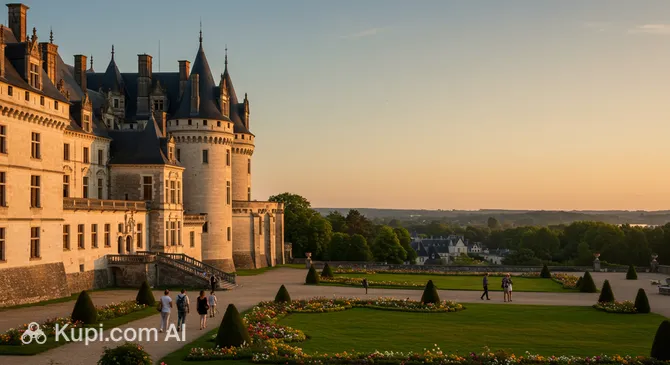
Château Royal of Amboise. Illustration.
Source: Kupi.com AI

Traveller photos:

The architectural style of the chateau is a harmonious blend of Late Gothic, known as "Flamboyant," with elegant Italian Renaissance elements. This combination of styles was made possible by King Charles VIII, who, after his campaign in Italy, invited the finest masters to France to rebuild the medieval fortress. Due to its exceptional cultural significance, the Château d'Amboise was included in the UNESCO World Heritage list as part of the Loire Valley.

During the Renaissance, Amboise was not only a royal residence where future monarchs were born and raised but also the center of the kingdom's political and cultural life. The fate of Leonardo da Vinci is inextricably linked to this place: the great genius spent the final years of his life here at the invitation of King Francis I and, according to his will, was buried on the chateau grounds in the Chapel of Saint-Hubert.

Contacts

For the most up-to-date and accurate information regarding opening hours, special events, and ticket prices for the Royal Château d'Amboise, we recommend consulting official sources. You will find all the necessary details for planning your visit on the chateau's website.

How to contactContact
AddressMnt de l'Emir Abd el Kader, 37400 Amboise, France
Phone+33 2 47 57 00 98
Websitewww.chateau-amboise.com

What to Do

A visit to the Royal Château d'Amboise is an immersion into the history and art of the Renaissance. Guests can explore the luxurious interiors, including restored halls and royal apartments where the fate of France was once decided. Special attention is drawn to the Gothic Chapel of Saint-Hubert, which is the final resting place of the great genius Leonardo da Vinci. This site, steeped in history, leaves a deep impression on all visitors.

A walk through the chateau grounds is equally captivating. Its terraces and manicured gardens offer some of the best panoramic views of the Loire Valley and the town of Amboise. These picturesque landscapes provide the perfect backdrop for photos and relaxation. The gardens, combining French and English styles, invite contemplation and allow you to fully experience the grandeur of this historic location.

For those who want to learn more, the chateau regularly hosts various events. Visitors can enjoy thematic tours, exhibitions dedicated to the lives of French monarchs and their connections with Italy, and colorful historical reenactments. Interactive programs are provided for young guests and their parents, making the visit both educational and engaging for the whole family.

Getting There

Getting to the Royal Château d'Amboise is quite simple thanks to its convenient location in the town of Amboise, which is one of the main tourist hubs of the Loire Valley in France. One of the most convenient ways is traveling by train from Paris. Direct trains depart regularly from Gare d'Austerlitz, and the journey takes approximately two hours. From the Amboise railway station, you can reach the chateau on foot in 10–15 minutes by following the tourist signs.

Excellent conditions are also provided for those traveling by car. The A10 motorway leads from Paris to Amboise, covering a distance of about 225 km. There are several parking lots in the immediate vicinity of the chateau where you can leave your vehicle. Additionally, many companies organize bus tours of the Loire Valley chateaux, which almost always include a visit to Amboise. The town is well-connected by transport to other important regional centers, such as Tours and Blois, making it easy to combine visits to different attractions.

Nearest city: Amboise

History & Facts

The history of the Royal Château d'Amboise dates back to antiquity—the first fortifications on this strategically important hill appeared even before the Common Era. However, it began to acquire its royal status and recognizable appearance during the Middle Ages. A key stage in the chateau's history occurred in the 15th century when King Charles VII confiscated it for the crown. His son, Charles VIII, who was born and raised in Amboise, decided to transform the austere medieval fortress into a luxurious royal residence that would combine reliable defensive functions with comfort worthy of a monarch’s court.

Charles VIII and his wife, Anne of Brittany, were the visionaries behind the massive reconstruction of the chateau. After his Italian campaign, the king was so impressed by Renaissance architecture and art that he invited the finest masters from Italy and Flanders to France. Under their direction, elegant Renaissance elements began to appear in the chateau's architecture, harmoniously complementing the strict Gothic foundation. This synthesis of styles defined the unique look of Amboise and made it one of the first examples of the French Renaissance.

In subsequent years, the chateau served as a residence for several generations of French kings and was the center of the country's political life. Important state decisions were made here, and lavish celebrations and knightly tournaments were held. The castle walls also remember prominent figures of the Renaissance. The most famous guest of Amboise was Leonardo da Vinci, who spent the last three years of his life at the nearby Clos Lucé estate at the invitation of King Francis I. The great master was a frequent guest at court, participating in the organization of festivities and working on new projects, forever etching his name into the history of this majestic place.

Time Needed

When planning a visit to the Royal Château d'Amboise, you should expect that a full tour will take an average of 2 to 3 hours. This is usually enough time to leisurely explore the chateau's interiors, stroll through the picturesque gardens with panoramic views, visit the Chapel of Saint-Hubert, where Leonardo da Vinci is buried, and view current exhibitions.

If you wish to dive deeper into the atmosphere of this wonderful place and its surroundings, it is better to dedicate a full day to the trip. This approach will allow you not only to enjoy the chateau itself but also to visit the nearby Clos Lucé mansion-museum, where Leonardo da Vinci spent his final years. Additionally, you will have time for a slow walk through the charming streets of Amboise to fully experience its historical charm.

Working Hours

The Royal Château d'Amboise is open to visitors year-round, except for January 1 and December 25. However, opening hours may vary depending on the season. During the summer months, such as July and August, the chateau is usually open the longest—from 9:00 AM to 7:00 PM. In other periods, closing times may be earlier, and some winter months may include a lunch break. To avoid any unpleasant surprises, it is highly recommended to check the current schedule on the official website before your visit.

While advance booking is not always mandatory, purchasing tickets online is a great way to save time, especially during the peak tourist season when queues can form. Online tickets often allow for skip-the-line entry. Additionally, the official website provides information on special events, exhibitions, or combined tickets that include visits to other attractions, such as the nearby Clos Lucé.

9:00 – 18:30

Nearby

A visit to the Royal Château d'Amboise is undoubtedly a highlight for any traveler in this part of France. However, to fully experience the atmosphere of this historical site, it is worth taking time to explore its immediate surroundings. A stroll through the picturesque streets of Amboise will reveal many cozy corners and other iconic spots just a stone's throw from the chateau.

Exploring nearby attractions will not only enrich your experience but also help you better understand the cultural and historical context in which figures like Leonardo da Vinci lived and worked. Near the majestic royal residence, you will find other interesting museums, ancient mansions, and chapels, each holding its own unique story.

NameDistance
Chapel of Saint-Hubert0.1 km
Bistrot L'Atelier0.1 km
Le Manoir Les Minimes0.2 km
Art Is An Ale Brewing Taproom0.2 km
Les Arpents Restaurant0.2 km
L'Ecluse0.2 km
Château du Clos Lucé0.6 km

Reached the bottom of the page?

Looks like you know this route inside out