Support

Chantilly Castle

About

Château de Chantilly is one of the most impressive aristocratic residences in France, located in the picturesque Nonette river valley in the charming town of Chantilly. This majestic architectural ensemble is not just a castle but an entire estate whose history is closely intertwined with the destinies of noble French families, including the Montmorency and Condé. Thanks to its location just an hour's drive from Paris, Chantilly is the perfect destination for a day trip into the world of French history and art.
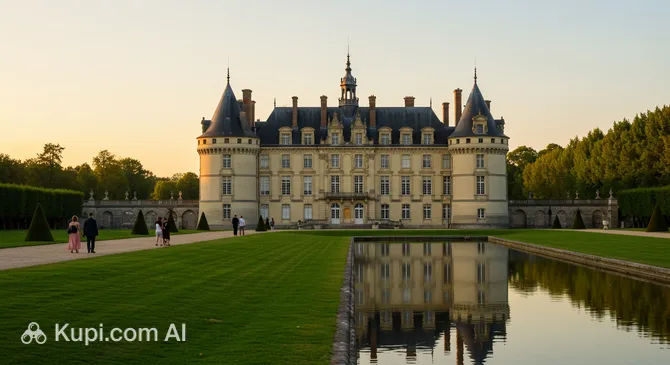
Chantilly Castle. Illustration.
Source: Kupi.com AI

Traveler photos:

The architectural complex consists of several parts reflecting different eras. The Petit Château (Small Castle), built in the 16th century by architect Jean Bullant, holds the greatest historical value. Next to it stands the Château Neuf (New Castle)—a magnificent 19th-century reconstruction that recreated the appearance of the Renaissance-era Grand Château, which was destroyed during the Revolution. Walking through the grounds, you are immersed in an atmosphere where Medieval austerity and Renaissance elegance harmoniously blend.

Inside the castle is the famous Condé Museum, whose painting collection is second in significance only to the Louvre. It houses masterpieces by Raphael, Botticelli, Poussin, and many other great masters. The library, containing the priceless manuscript "The Very Rich Hours of the Duke of Berry," deserves special attention. According to the will of the last owner, the Duke of Aumale, the museum's exhibition remains unchanged, allowing us to see it exactly as it was intended in the 19th century.

The castle is surrounded by a magnificent park created by the genius of landscape architecture André Le Nôtre, the creator of the Gardens of Versailles. The park impresses with its scale, the perfect geometry of its paths, numerous fountains, and the Grand Canal, which is longer than the one in Versailles. Additionally, the Great Stables are located on the estate grounds, housing the living Museum of the Horse and hosting equestrian shows. Legend also has it that this is where the famous dessert, Chantilly cream, was invented.

Contacts

To get the most up-to-date information on opening hours, ticket prices, or special events, we recommend contacting the castle representatives directly or visiting the official website. All the necessary contact details are gathered in the table below.

How to contactContact
Address60500 Chantilly, France
Phone number+33 3 44 27 31 80
Websitechateaudechantilly.fr

What to Do

To fully enjoy your visit to the Château de Chantilly, set aside a whole day for it, as the estate offers much more than just touring the halls. We recommend starting your route at the castle itself, immersing yourself in the unique atmosphere of the 19th century. Thanks to the will of the last owner, the Duke of Aumale, the décor and arrangement of the artworks in the Condé Museum have remained unchanged, creating a rare "time machine" effect. Walk through the luxurious apartments, picture galleries, and don't forget to stop by the Chapel, where the hearts of the Princes of Condé are kept in an urn.

After exploring the artistic treasures, head for a walk in the vast park. Here you will find not only classic French gardens with their perfect geometry but also more secluded corners. For instance, you can explore the English Garden or visit the picturesque Hameau (hamlet), which served as the prototype for a similar structure at Versailles. To easily get around the extensive grounds, you can rent an electric cart. And for a complete experience, be sure to try the famous Chantilly whipped cream, which legend says was invented right here. It is served in local cafés on the estate grounds.

End your day at the Great Stables—a true palace for horses. The Museum of the Horse is located here, but the main reason visitors flock here is for the breathtaking equestrian shows. The performances take place under a huge dome and combine the art of horseback riding, acrobatics, and theatrical productions. The show schedule varies by season, so it's worth checking the start times on the official website before your visit. Attending such a performance will be a vibrant and unforgettable finale to your journey into the world of French aristocracy.

Getting There

Getting to the Château de Chantilly is quite simple, especially if you are planning a trip from Paris, which is only 40 kilometers away. The most convenient and popular way is by train. TER and RER line D trains depart regularly from Gare du Nord in Paris. The journey takes 25 to 45 minutes depending on the type of train. You need to get off at the Chantilly-Gouvieux station.

From the Chantilly-Gouvieux train station, there are several ways to get to the castle itself. If the weather is nice and you have the time, you can take a pleasant 20–30 minute walk, which allows you to enjoy views of the town and the surrounding nature. For those who prefer to save time and energy, taxis or a local bus (such as the free DUC shuttle) are available at the station exit and will quickly take you right to the estate entrance.

If you are traveling by car, the drive from central Paris to Chantilly takes approximately one hour, although time may vary depending on traffic conditions. You should take the A1 motorway and then follow the signs for Chantilly. Paid parking for visitors is provided near the castle, making this a convenient option for those who value mobility and plan to explore the surroundings.

Nearest city: Chantilly

History & Facts

The history of the Château de Chantilly is rich with events and closely linked to the fates of France's great aristocratic families. The first mentions of a fortification at this site date back to the late 10th century, when a building was erected by the Lords of Senlis. However, that early castle did not survive, as it was destroyed during the peasant uprising known as the Jacquerie. The official history of the estate as we know it begins in 1484, when it passed into the possession of the powerful Montmorency family. It was Constable Anne de Montmorency who played a key role in creating the magnificent architectural ensemble, laying the foundation for Chantilly's future grandeur.

A new turn in the castle's fate occurred in 1632. The Constable's grandson, Henri II de Montmorency, was executed for his involvement in a conspiracy against the crown, and his properties were confiscated. Soon, the estate passed to his sister Charlotte and her husband, the Prince of Condé, opening a new chapter in Chantilly's history that lasted nearly two centuries. However, the era of upheaval did not bypass the castle: during the French Revolution, the Grand Château, built during the Montmorency era in the 16th century, was completely destroyed.

The rebirth of Chantilly is associated with the name of its last private owner—the Duke of Aumale, son of King Louis-Philippe, who inherited the estate in 1830. A passionate collector and patron of the arts, he decided to recreate the lost grandeur and commissioned architect Honoré Daumet to restore the Grand Château. Between 1876 and 1880, a new palace rose on the old foundations, built in the Beaux-Arts style, which creatively reimagined the Renaissance forms of its predecessor. It is thanks to the Duke of Aumale, who bequeathed the entire estate along with its priceless collections to the Institut de France, that we can admire this treasure today.

Time Needed

When planning a visit to the Château de Chantilly, it is best to set aside half a day to a full day for the trip. The estate is so vast and diverse that a quick run-through won't allow you to fully appreciate all its treasures. A complete visit includes not only touring the castle itself but also walking through the enormous park and visiting the famous Great Stables. If you want to immerse yourself in the atmosphere without rushing, a full day is the optimal choice.

You should start with the castle itself, which houses the Condé Museum. Given the richness of its collection—which in France is second only to the Louvre—you should allow at least 2–3 hours for a thoughtful tour of the picture galleries, luxurious apartments, and the unique library. After that, head out for a walk in the park. Its territory is immense and includes several zones: a formal French garden created by André Le Nôtre, a picturesque English garden, and even a small hamlet (Hameau). To walk the main paths and enjoy the views, you will need another 1–2 hours.

The Great Stables, which house the living Museum of the Horse, deserve special attention. Touring them will take about an hour. If your visit coincides with the equestrian show schedule, feel free to add another 30–40 minutes for the show itself. Thus, 3–4 hours might be enough for a brief introduction to the castle and park, but to see all the main attractions of the Chantilly estate and have an unforgettable experience, it is highly recommended to dedicate a whole day to this place.

Working Hours

The Château de Chantilly is open to visitors year-round, but its opening hours depend on the season. As a rule, the estate is closed on Tuesdays. During the high season, which usually lasts from April to October, the castle and park are open longer—approximately from 10:00 to 18:00 for the castle and until 20:00 for the park. In the low season, from November to March, hours are reduced, and the castle closes earlier, around 17:00. Note that the castle, park, and Great Stables may have different opening hours, and last entry is usually permitted one hour before closing.

To make your visit as comfortable as possible, it is highly recommended to check the current schedule on the official castle website before your trip. This will help avoid any unpleasant surprises related to possible changes in the schedule due to private events or holidays. Additionally, to save time and guarantee entry, especially on weekends and holidays, it is better to purchase tickets online in advance. This will allow you to skip the ticket office queues and head straight to exploring this magnificent estate.

DayOpening hours
Monday10:00 – 18:00
TuesdayClosed
Wednesday10:00 – 18:00
Thursday10:00 – 18:00
Friday10:00 – 18:00
Saturday10:00 – 18:00
Sunday10:00 – 18:00

Nearby

A visit to the majestic Château de Chantilly is undoubtedly the main event for any visitor to the town, but you shouldn't stop there. The surroundings of the castle and the town of Chantilly itself are full of charm and offer many interesting spots to delve deeper into the history and culture of this part of France. A walk through its picturesque areas will be a wonderful addition to the main tour.

Just a few steps from the main entrance of the estate, you will find unique museums, historical buildings, and cozy establishments. Exploring these attractions will give you a more complete and vivid impression of Chantilly, which is rightly considered not only the "horse capital" of the country but also an important cultural center. Below is a list of places located in the immediate vicinity of the castle.

NameDistance
Condé Museum0 km
Living Museum of the Horse0.4 km
Auberge du Jeu de Paume0.4 km
Princes' Vegetable Garden0.7 km
Chantilly Racecourse1 km
Pavillon de Manse1.3 km
La Brasserie Cantilienne1.5 km

Have you reached the end of the page?

So the route has been studied inside and out