Support

Besancon

About

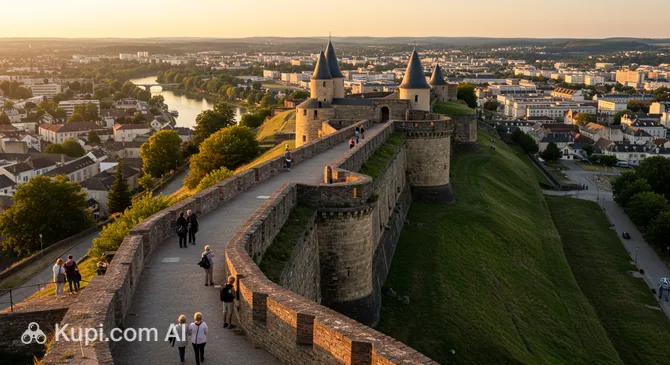
Besançon is a true gem of eastern France, a city nestled comfortably in the picturesque valley of the Doubs River, which forms a majestic loop around it. Spread across the foot of seven hills, Besançon has a unique atmosphere that recalls its ancient Roman roots—Julius Caesar himself once noted its strategic position. Its proximity to the Swiss border and nearby lakes has historically made it a crossroads of cultures and trade routes.
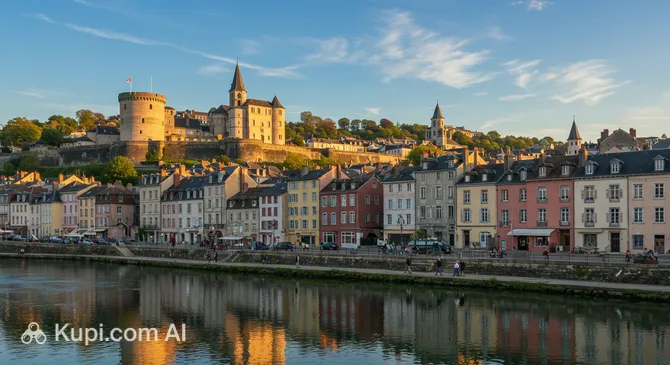
Besançon. Illustration.
Source: Kupi.com AI

Today, Besançon, with a population of about 118,000 people, is the administrative capital of the Doubs department and the historic Franche-Comté region. Despite its status, the city maintains a wonderful sense of coziness, a relaxed pace, and an unmistakable French charm. Its narrow streets in the old center, elegant gray limestone buildings, and abundance of greenery have earned it the well-deserved reputation of a "garden city."

Besançon attracts travelers with its rich historical heritage and vibrant cultural life. Here, ancient Roman ruins, medieval towers, and exquisite palaces coexist harmoniously. The city's crown jewel is undoubtedly the Citadelle of Vauban, a UNESCO World Heritage site. No less charming are its cozy embankments, perfect for walks at any time of year.

Besançon is an ideal destination for those who appreciate leisurely strolls, immersing themselves in the atmosphere of old Europe, and discovering France off the beaten tourist path. This city will certainly charm you with its comfort, sophistication, and amazing harmony between nature and architecture.

You can find more interesting facts on the Besançon city history page.
Weather Overview

The climate in Besançon is characterized by warm summers and cool, damp winters. In the summer months, especially in July and August, the average temperature stays around 21°C, with maximum values reaching up to 26°C. Precipitation during this period is moderate, averaging 2-4 mm per month, with 10-14 rainy days. Winters, by contrast, are quite cold: in January, the average temperature is around 3.5°C, with minimum values dropping to 0.9°C. December is the wettest month with 5 mm of precipitation and 18 rainy days. Spring and autumn are transitional seasons with gradual changes in temperature and rainfall.

In general, expect a warm summer with occasional rain and cold, damp winters. For a more detailed forecast and weather information by month, you can check the Besançon Climate page.

Average monthly temperature

Average monthly precipitation

Interesting Facts

In addition to its famous landmarks, Besançon holds many fascinating secrets and curious details that can surprise even an experienced traveler. Here are just a few of them:

Besançon Citadel. Illustration.
Source: Kupi.com AI

Traveler photos:

  • Besançon is one of the oldest cities in France, with a history spanning over two millennia. In antiquity, the Roman colony of Vesontio was located here, mentioned by Julius Caesar in his "Commentaries on the Gallic War."

  • The city's symbol is the majestic Besançon Citadel, designed by the famous military engineer Sébastien Le Prestre de Vauban in the 17th century. It is one of the best examples of fortification art in Europe, now housing several museums and offering stunning panoramas from its ramparts.

  • It was in Besançon that the great French writer Victor Hugo was born, the author of world-famous works like "The Hunchback of Notre-Dame" and "Les Misérables." His birthplace has been turned into the Victor Hugo House Museum, dedicated to the writer's life and work.

  • The city has long and glorious watchmaking traditions. Starting from the 18th and 19th centuries, Besançon was known for producing high-precision watches and complex mechanisms. This unique history is carefully preserved in the Museum of Time, where you can see rare exhibits, including ancient astronomical clocks.

  • One of Besançon's vibrant modern traditions is its annual light festival. During the festival, the historic city center is transformed by impressive light installations, turning the facades of old buildings into real works of art.

How to Get There

When planning a trip to Franche-Comté, it is important to think through the logistics in advance. You can find all the ways to get to the city of Besançon on our detailed page, and below we will look at the main transport hubs located nearby.

Besançon itself does not have an airport, so travelers usually fly into neighboring cities or countries. One of the most convenient options is Geneva Airport (IATA: GVA), located in Geneva, Switzerland. It is a major international hub situated about 111 km from Besançon. The journey by taxi or transfer will take about 2 hours (estimated time: 1.5 hours driving + buffer time).

Another popular choice is EuroAirport Basel-Mulhouse-Freiburg (IATA: EAP), located in Basel, approximately 120 km from Besançon. This is also a major transport hub with significant passenger traffic. If you are looking for the closest option possible, consider the regional Dole-Jura Airport (IATA: DLE) in the city of Dole. It is located just 50 km from Besançon, and the car journey from there takes about 50 minutes.

For convenience, here is a summary of the main airports:

AirportPassenger trafficDistance
Dole-Jura Airport125 14150 km
Geneva Airport17.8 mln111 km
Bern Airport57 000118 km
EuroAirport Basel-Mulhouse-Freiburg8.1 mln120 km
EuroAirport Basel Mulhouse Freiburg8 mln120 km

If you prefer rail transport, keep in mind that major transfer hubs are located in neighboring cities. The nearest large station on the list is Dijon Station (IATA: DJX) in the city of Dijon, located about 76 km from Besançon. From there, you can reach your destination by taxi or regional train in about 1 hour and 20 minutes.

It is also convenient to use the Swiss rail network. For example, Geneva-Cornavin station (IATA: ZHT) in Geneva is 115 km from Besançon. This is a major transport hub with huge passenger flow, making it easy to continue your journey into France.

Below is information about the nearest major railway stations:

StationPassenger trafficDistance
Dijon Railway Station5.8 mln76 km
Bern Railway Station69 mln112 km
Geneva Railway Station42.1 mln115 km
Oerlikon Railway Station34.4 mln118 km
Basel SBB station40 mln123 km

Main Attractions

Besançon, the historic capital of the Franche-Comté region and the recognized center of French watchmaking, offers its guests many fascinating sights. This city, nestled in a bend of the Doubs River, is rich in architectural masterpieces and cultural treasures. Here are some of the key places you should definitely visit.

One of the city's main highlights is the majestic Besançon Citadel. This monumental fortification, designed by the famous military engineer Vauban in the 17th century, is a UNESCO World Heritage site. Its powerful walls offer breathtaking panoramic views of the old city and the surrounding hills. Inside the citadel are several museums, including the Museum of the Resistance and Deportation, the Museum of Franche-Comté, and the popular Besançon Zoo, making it interesting for visitors of all ages.

Besançon Citadel. Illustration.
Source: Kupi.com AI

Traveler photos:

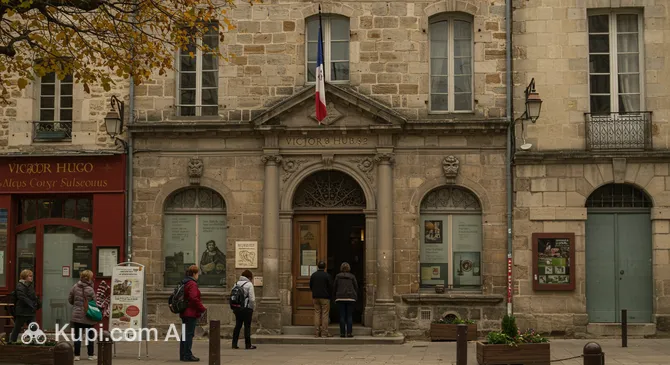
Besançon is the birthplace of the great French writer Victor Hugo, and a visit to the Victor Hugo House Museum is a must for many tourists. The museum is located in the building on Place Victor Hugo where the author of "Les Misérables" and "The Hunchback of Notre-Dame" was born on February 26, 1802. The exhibition is dedicated to the life and work of the writer, his political beliefs, and his connection to his hometown, offering visitors a deeper understanding of his multifaceted personality.

Victor Hugo's Birthplace. Illustration.
Source: Kupi.com AI

Traveler photos:

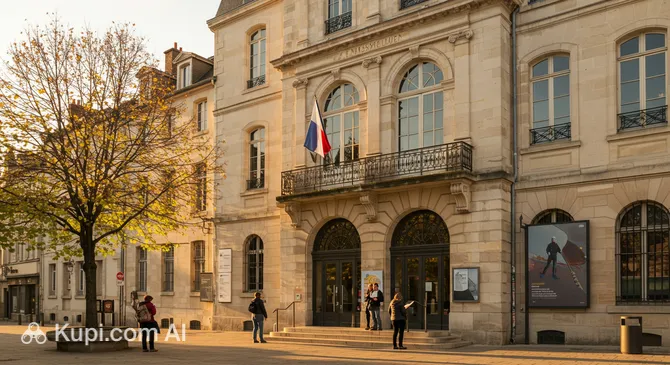
Given Besançon's reputation as the cradle of French watchmaking, it is no surprise that it houses the unique Museum of Time (Musée du Temps). It is located in the magnificent Palais Granvelle, a historic Renaissance building. The museum presents a rich collection of timepieces, from ancient sundials and water clocks to complex astronomical mechanisms and modern chronometers. The exhibition clearly demonstrates the evolution of time measurement and the skill of local watchmakers.

Museum of Time. Illustration.
Source: Kupi.com AI

Traveler photos:

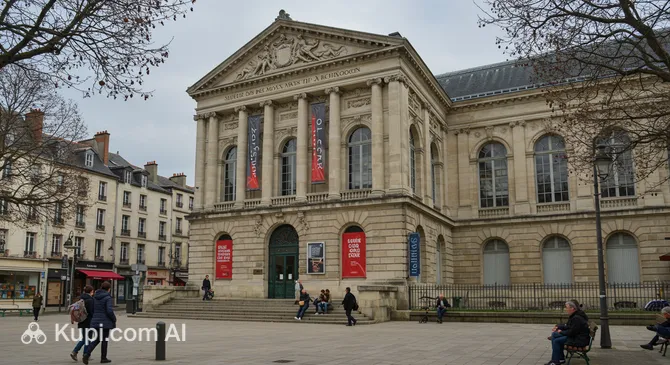
For art lovers, the Besançon Museum of Fine Arts and Archaeology will be a true discovery. Founded in 1694 thanks to donations from Abbot Boisot, it is one of the oldest public museums in France. Its rich collection includes archaeological finds from the region, Egyptian antiquities, and an extensive collection of European paintings from the 14th to the 20th centuries, featuring works by masters such as Bellini, Cranach, Rubens, Fragonard, Courbet, and Matisse.

Museum of Fine Arts and Archaeology of Besançon. Illustration.
Source: Kupi.com AI

Traveler photos:

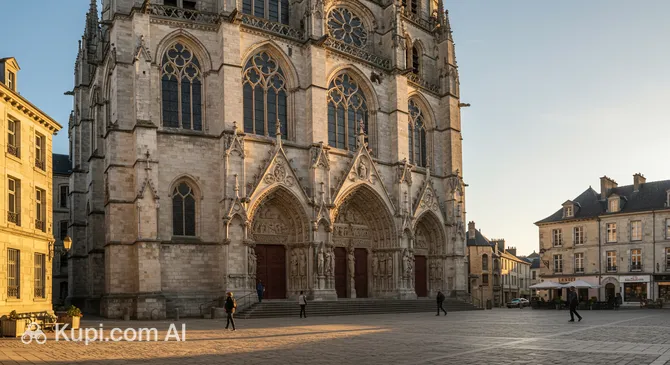
You cannot overlook the Besançon Cathedral (Cathédrale Saint-Jean). This cathedral, whose construction began in the 12th century and continued for several hundred years, combines elements of Romanesque and Gothic styles. One of its main highlights is the famous astronomical clock, created by Auguste-Lucien Vérité in the 19th century. It not only tells the time but also displays a wealth of astronomical data, standing as a true miracle of engineering.

Saint John Cathedral of Besançon. Illustration.
Source: Kupi.com AI

Traveler photos:

Local Cuisine

The gastronomy of Besançon is a delightful journey into the culinary traditions of the Franche-Comté region, where fresh local products and authentic flavors are highly valued. The city's cuisine is characterized by its heartiness and use of nature's bounty—from aromatic cheeses to wild mushrooms and game.

The main gastronomic pride of Besançon and the entire Franche-Comté is, undoubtedly, Comté cheese. This hard cheese with nutty and fruity notes is produced in the surrounding villages and is often served with a slice of fresh homemade bread and a glass of local white wine—a perfect combination to experience the spirit of the region. Other local drinks worth noting include Kirsch (cherry brandy) and various liqueurs based on local berries.

Among the traditional dishes you should definitely try in Besançon is "potée comtoise"—a hearty and warming stew made of smoked sausages (often Morteau sausage), potatoes, and seasonal vegetables. Another iconic dish is the flavorful Morbier cheese, served both hot and cold. In the city's restaurants, you can also taste freshwater fish caught in the Doubs River or enjoy the flavor of game and wild mushrooms gathered in the surrounding forests.

Sweet lovers won't be disappointed either. Look out for the local "caneconche" (or similar regional pastries) or galettes. Treats made with blackcurrants and local honey are also popular. Besançon's numerous cozy bakeries (boulangeries) and pastry shops (pâtisseries) will delight you with fresh pastries and aromatic coffee.

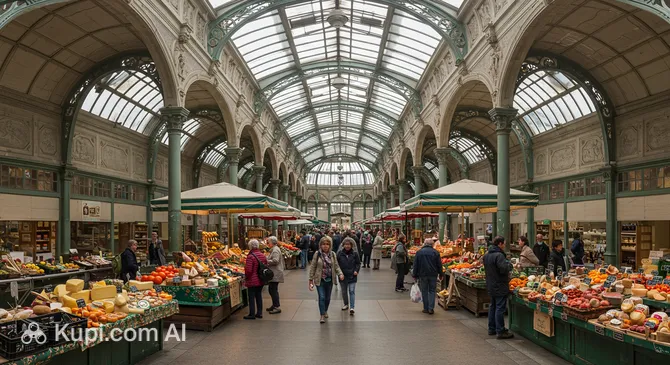
To truly immerse yourself in the gastronomic atmosphere of Besançon, locals and tourists often head to the markets. Here you can find farmhouse cheeses, homemade sausages, fresh vegetables, fruits, and other delicacies. One such colorful place is the Beaux-Arts Market, where you can not only buy groceries but also feel the authentic city spirit. Of course, the city has many restaurants, from traditional brasseries to fine dining establishments where you can fully enjoy the dishes of Franche-Comté.

Beaux-Arts Market. Illustration.
Source: Kupi.com AI

Traveler photos:

Throughout the year, Besançon also hosts various culinary festivals and fairs, providing an excellent opportunity to meet local producers and taste the best dishes of the region. Besançon's gastronomic scene is a combination of centuries-old traditions and a love for high-quality products, making the city a magnet for true foodies.

Travel Tips

Planning a trip to Besançon? Wonderful! To ensure your journey through this charming city in eastern France is as comfortable as possible and leaves only pleasant impressions, we have prepared some practical tips.

  1. Clothing and Footwear for the Season:

    Besançon has a temperate climate. In summer, bring light clothing and sunscreen, but don't forget a sweater for cool evenings. In winter, you'll need a warm jacket, hat, and gloves. In spring and autumn, the weather is changeable, so layering and a raincoat will be very useful. A key point is comfortable shoes for walking on cobbled streets and climbing, especially if you plan to visit the Citadel. For visiting churches, such as the St. John’s Cathedral, it is worth choosing clothing that covers shoulders and knees.

  2. Getting Around the City:

    Besançon center is compact and ideal for walking. For longer trips, use the convenient Ginko public transport network (buses and trams). Tickets can be bought at machines at stops or from the driver (sometimes more expensive). Taxis are available but will cost more; you can use apps or find a taxi rank. Renting a car makes sense if you plan to explore the picturesque surroundings of the Franche-Comté region, but parking in the city itself can be difficult.

  3. Financial Matters:

    The official currency is the Euro (EUR). You can exchange money at banks or exchange offices. Credit and debit cards (Visa, Mastercard) are accepted almost everywhere. ATMs (DAB) are easy to find. Regarding tipping, service charges (service compris) are often already included in the bill in restaurants, but if the service was especially good, you can leave 5-10% or round up the amount. In cafes, it is customary to leave a few coins for a drink.

  4. Health and Safety:

    Besançon is generally a safe city. Observe standard precautions: keep an eye on your belongings, especially in crowded places. Pharmacies (pharmacies) are easy to recognize by the green cross; information about duty pharmacies can be found on the doors of closed ones. In emergencies, call 112. Tap water is safe to drink. Don't forget to take out travel insurance before your trip.

  5. Language and Communication:

    The official language is French. In tourist areas and hotels, staff often speak English, but knowing a few basic phrases in French (e.g., "Bonjour" – hello, "Merci" – thank you, "S'il vous plaît" – please) will be very helpful and warmly received by locals. Wi-Fi is available in many cafes and hotels. For mobile communication, you can purchase a local SIM card.

  6. Local Etiquette and Traditions:

    The French value politeness. Always say hello when entering a shop or cafe ("Bonjour" or "Bonsoir") and say goodbye ("Au revoir"). When addressing someone, start with a polite greeting. Try not to speak too loudly in public places. If you want to take a photo of someone, it's better to ask permission.

  7. What to Avoid:

    Do not start a conversation with locals immediately in English without saying hello in French. It is better to politely ask: "Parlez-vous anglais?" (Do you speak English?). Also, try to avoid loud discussions on controversial political topics or criticizing local customs to avoid appearing impolite.

  8. Little Tricks:

    Be sure to visit a local market, such as Marché Beaux-Arts, to try fresh regional products, cheeses (especially the famous Comté!), and soak up the authentic atmosphere. Keep in mind that many small shops may close for a lunch break (roughly from 12:30 to 14:30) and on Sundays.

We hope these tips help you better prepare for your trip and fully enjoy your stay in Besançon, discovering its rich history, culture, and unique atmosphere. Enjoy your journey!

Entertainment & Nightlife

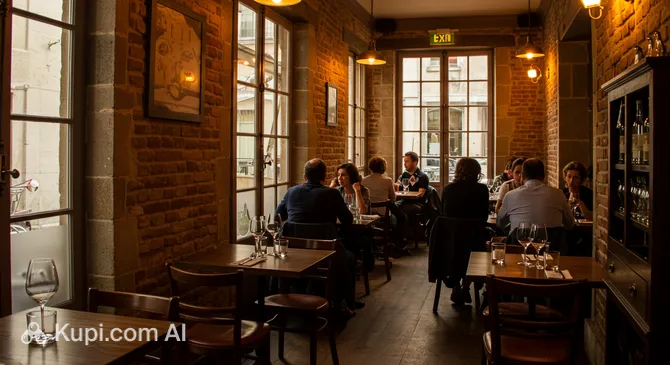
Besançon, with its rich history and student atmosphere, offers a variety of options for evening and night entertainment. While the city is not famous for massive nightclubs, you can find cozy bars, atmospheric restaurants, and places to enjoy yourself after sunset.

The core of Besançon's nightlife is concentrated in the historic city center, especially around Grande Rue and its adjacent side streets, as well as along the banks of the Doubs River. Here you will find many bars, pubs, and restaurants serving both local and international cuisine. The atmosphere in most establishments is quite relaxed and friendly, attracting both locals and tourists. Many bars stay open late into the evening, especially on weekends, offering a wide selection of drinks and snacks. The dress code is usually casual, though some more sophisticated restaurants may require more elegant attire.

Among the places to enjoy an evening, restaurants often serve as a starting point for night outings. For example, Le 1802 offers fine dining in an elegant setting, an ideal place for dinner before heading out for nighttime adventures. Another option is the restaurant L'Alsacien Besançon, where you can get acquainted with traditional regional dishes.

Le 1802. Illustration.
Source: Kupi.com AI

Traveler photos:

The best time to visit bars and nightlife venues is Friday and Saturday evenings when the city comes alive. Prices in Besançon's bars and restaurants can be considered moderate by French standards. At night, it is most convenient to move around the city by taxi or on foot if you are in the center. Public transport runs less frequently late at night.

Regarding safety, the central districts of Besançon are generally safe for night walks, though it is always worth taking usual precautions, especially in less illuminated areas. You can call a taxi by phone or through special apps.

During the day, Besançon also offers many interesting activities. You can visit the famous Besançon Citadel for a magnificent view of the city, stop by the Victor Hugo House Museum, explore the collections of the Besançon Museum of Fine Arts and Archaeology, or the unique Museum of Time. For nature lovers, a walk through Parc de la Gare d'Eau or a visit to the Besançon Zoo, located within the citadel, is perfect.

Parks & Museums

Besançon delights its guests with a harmonious combination of well-kept green areas for relaxation and a rich cultural heritage showcased in its diverse museums and historical monuments. The city offers many options for an informative and pleasant pastime.

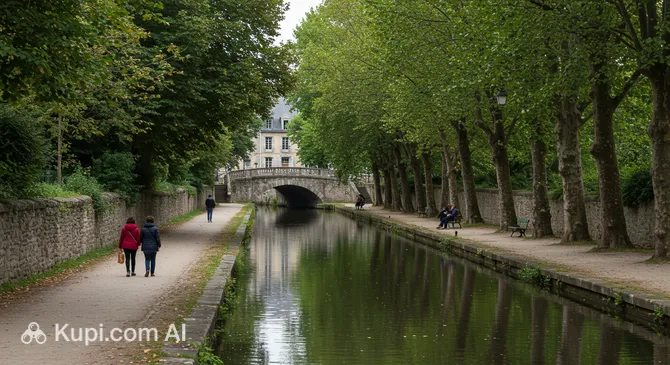
For lovers of nature and quiet walks, Besançon offers several wonderful parks. One of the most popular is Parc de la Gare d'Eau. This picturesque park, stretching along the Doubs River, is an ideal place for leisurely rest, picnics, and enjoying the fresh air. Here you will find manicured alleys, playgrounds, and spacious lawns. Also worth noting are the vast green spaces within the territory of the majestic Besançon Citadel, which offers breathtaking panoramic views of the city and its surroundings.

Gare-d'Eau Park. Illustration.
Source: Kupi.com AI

Traveler photos:

The cultural life of Besançon is centered in its numerous museums. Be sure to visit the Besançon Museum of Fine Arts and Archaeology, which boasts a rich collection of art from antiquity to the present day, including paintings by famous European masters and valuable archaeological finds from the region. A visit to the Museum of Time, located in the historic Palais Granvelle, is equally fascinating. The museum's exhibition is dedicated to the history of watchmaking, for which Besançon is so famous, and displays unique watches and complex mechanisms. For fans of literature, the Victor Hugo House Museum, where the great French writer was born, is a landmark site.

Museum of Fine Arts and Archaeology of Besançon. Illustration.
Source: Kupi.com AI

Traveler photos:

Museum of Time. Illustration.
Source: Kupi.com AI

Traveler photos:

Victor Hugo's Birthplace. Illustration.
Source: Kupi.com AI

Traveler photos:

Speaking of historical and architectural gems, one cannot fail to mention the Besançon Citadel. It is not only an outstanding monument of Vauban's military architecture, included in the UNESCO World Heritage list, but also a place that houses several museums, including the Museum of the Resistance and Deportation, the Museum of Franche-Comté, and the Besançon Zoo, which will be of interest to visitors of all ages. Also, don't miss the majestic Besançon Cathedral, known for its unique astronomical clock.

Besançon Citadel. Illustration.
Source: Kupi.com AI

Traveler photos:

Saint John Cathedral of Besançon. Illustration.
Source: Kupi.com AI

Traveler photos:

For those looking for authentic experiences, we suggest strolling through the old Battant quarter by crossing the picturesque Battant Bridge. Here you will find cozy streets, small cafes, and craft shops. To feel the local flavor and taste regional delicacies, stop by the Beaux-Arts Market (Marché Beaux-Arts), where a lively atmosphere always reigns.

Getting Around

Moving around Besançon is quite convenient thanks to a well-developed public transport system. The transport network is based on modern trams and an extensive network of bus routes covering both the city center and its outskirts. The transport system is managed by the Ginko company.

A unified payment system is used for travel in Besançon. You can purchase single tickets, multi-trip tickets (known as "carnets," which are usually more economical for frequent use), or travel passes for one day, a week, or a month. There are also rechargeable transport cards, convenient for longer stays. For greater convenience, the transport company Ginko offers an official mobile app. Through it, you can typically plan routes, track transport in real-time, get up-to-date schedule information, and, in some cases, purchase or top up tickets. The approximate cost of a single ticket is about 1.50-2.00 euros, but it is always recommended to check current fares on the official Ginko website, in the mobile app, or at points of sale.

Tickets can be purchased from special machines installed at most tram stops, in some tobacco kiosks (marked with a "Tabac" sign), and at Ginko information centers. It is important to remember that any ticket must be validated upon entering the tram or bus in the special validation machines. Public transport in Besançon usually runs from early morning (around 5:30-6:00) until late evening (until 23:00-00:00), however, on weekends and holidays, the schedule may be reduced and intervals increased.

In addition to public transport, other ways of getting around are available in Besançon. You can always use taxi services, which can be found at special ranks or called by phone. For short trips and city exploration, the VéloCité bike-share system, offering bicycles at numerous stations throughout the city, is perfect. Furthermore, the historic center of Besançon, located in a bend of the Doubs River, is very compact and perfectly suited for walking, allowing you to enjoy its unique atmosphere and architectural monuments.

While Besançon does not have unique transport systems like a historic metro or cable cars, its modern and efficient tram network, complemented by buses, ensures comfortable and fast movement around the city. This allows tourists to easily reach all major attractions, including the famous Besançon Citadel.

Accommodation

When planning a trip to Besançon, you will find a variety of accommodation options to suit any preference and budget. The city offers a wide choice: from cozy budget hostels and guest houses to comfortable mid-range hotels and short-term rental apartments. You can also find more sophisticated options for those seeking special comfort.

The historic city center, known as La Boucle (The Loop), is particularly attractive to tourists. Surrounded by the Doubs River, this area is brimming with attractions like the Besançon Citadel or the Museum of Time, and offers easy access to shops, restaurants, and cafes. Staying here will put you right in the heart of the action. Other neighborhoods also offer convenient options, especially if you are looking for a quieter environment or proximity to specific sites like the university or business centers.

Besançon Citadel. Illustration.
Source: Kupi.com AI

Traveler photos:

While specific hotels are not listed in the provided data, Besançon has many hotels of various categories. You can find small family-run hotels with a personal touch as well as establishments from well-known hotel chains. When choosing, it's worth paying attention to reviews from other travelers and the location relative to your plans.

Regarding price ranges, they vary from budget options to mid-range and high-end offers. It is recommended to book accommodation in advance, especially if your trip coincides with the peak tourist season or during major city events. The most popular booking methods are international online platforms or direct booking through official hotel websites.

Nearby Cities

For those looking to explore the surrounding area, Besançon serves as an excellent starting point for day trips to several interesting nearby locations:

CityPopulationDistance
Dole23 77043 km
Vesoul14 97344 km
Pontarlier17 54245 km
Le Locle10 43358 km
La Chaux-de-Fonds38 96563 km

These nearby destinations allow you to get a glimpse of the diverse culture and landscapes of the France region. Each of these cities has its own unique charm: for example, Dole, the historic capital of Franche-Comté with its picturesque canals; Dijon, famous for its mustard and magnificent architecture; Montbéliard with its Castle of the Dukes of Württemberg; Belfort, known for its citadel and the Lion of Belfort; or Beaune, the heart of the Burgundy wine region with its famous Hospices de Beaune.

Shopping & Souvenirs

Besançon offers pleasant shopping opportunities, combining the charm of historic streets with modern stores. The city is historically famous for its watchmaking, so an exquisite timepiece can be a special purchase. In addition, you can find typical French goods here, from fashionable clothing to gastronomic delights.

The main shopping arteries of Besançon are concentrated in its historic center, especially along Grande Rue and its adjacent side streets. Here you will find many boutiques, clothing stores of well-known brands, jewelry salons, bookstores, and souvenir shops. A walk through these picturesque streets is a pleasure in itself, allowing you to combine shopping with sightseeing.

If you prefer large shopping centers, you should pay attention to Chateaufarine, located on the outskirts of the city. This is a large commercial complex featuring hypermarkets, electronics stores, household goods, clothing, and much more. In the very center of the city, you can also find department stores offering a wide range of goods.

For those who value local flavor and fresh products, a visit to the markets is a must. One of the most famous is the Beaux-Arts Market (Marché Beaux-Arts). Here you can purchase fresh fruits, vegetables, cheeses, regional Franche-Comté meat delicacies, as well as flowers and sometimes local handicrafts. It is a great place to feel the atmosphere of the city and try local specialties.

As souvenirs from Besançon, you should certainly bring back a watch or something related to watchmaking if your budget allows. Local gastronomic products are also popular: Comté cheese, Morteau sausage (saucisse de Morteau), and Jura region wines. Small souvenirs depicting the Besançon Citadel or other iconic sites will also be a pleasant reminder of your trip.

Shops in Besançon usually operate from Monday to Saturday, from approximately 9:00-10:00 to 19:00-19:30. Some small shops may close for a lunch break (usually from 12:00 to 14:00). Most shops are closed on Sundays, except for some bakeries and souvenir shops in tourist areas. Large supermarkets and shopping centers may have longer opening hours. Bank cards (Visa, Mastercard) are accepted almost everywhere, and you can also pay in cash.

Tourists from countries outside the European Union can take advantage of the tax-free shopping system (Tax Free) when making purchases over a certain amount in participating stores. To do this, you must ask the salesperson for a special tax-free form (détaxe) and present it along with your purchases at customs when leaving the EU.

Reached the end of the page?

That means the route is fully explored