Support

Museum of Aquitaine

About

The Musée d'Aquitaine is one of the largest historical and archaeological museums, making it a must-visit while in Bordeaux, France. Housed in a majestic building that once served as the Faculty of Arts and Sciences, the museum opened its doors to visitors at this location on January 9, 1987. This landmark institution invites you on a captivating journey through the pages of the past.
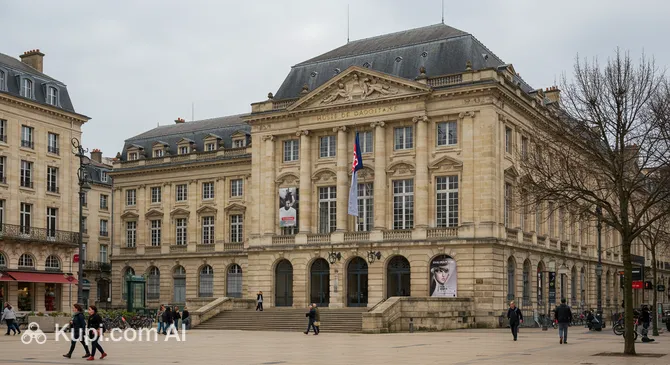
Museum of Aquitaine. Illustration.
Source: Kupi.com AI

Traveler photos:

Across an impressive area of 5,000 square meters, you will find a vast collection of approximately 70,000 exhibits. The main exhibition is dedicated to the history of Bordeaux and the entire Aquitaine region, spanning from prehistory to the present day. Here, you can trace the development of this unique territory, learn about the daily lives of its inhabitants, and discover the key events that shaped its appearance.

In addition to a deep dive into regional history, the Musée d'Aquitaine offers guests a glimpse into other corners of the world. Specific exhibitions are dedicated to the culture and art of Africa and Oceania, broadening horizons and showcasing the diversity of human civilization. Special attention is paid to the port history of Bordeaux, which played a key role in the city's development. The museum building itself, dating back to the 18th century and previously belonging to the university, adds historical charm to this cultural center.

Contacts

For the most up-to-date information regarding opening hours, ticket prices, and special events at the Musée d'Aquitaine, it is recommended to visit the museum's official website. Useful information can also be found at tourist information centers in Bordeaux or on local tourism portals. It is a good idea to check the details of your visit in advance to make it as comfortable and rewarding as possible.

How to contactContact
Address20 Cr Pasteur, 33000 Bordeaux, France
Phone number+33 5 56 01 51 00
Websitewww.musee-aquitaine-bordeaux.fr

What to Do

At the Musée d'Aquitaine, visitors embark on a fascinating journey through millennia of regional history. Here, you can see a variety of exhibits, ranging from prehistoric tools to remains from the Roman era that testify to the ancient roots of this land. The displays take you through the Middle Ages and the Renaissance, providing a deeper understanding of the lifestyle, art, and key moments of the past.

Of particular interest is the collection dedicated to the "Golden Age" of Bordeaux as a maritime power. Visitors can closely examine complex navigational instruments, ancient maps used by brave explorers to plot their courses, and artifacts recovered from shipwrecks. These objects vividly tell the story of the city's maritime past and its significant role as a major port for trade, especially in wine, during the Middle Ages.

The museum also offers the chance to explore the rich heritage of Aquitaine as a whole. Specifically, it houses the collections of the former Museum of Stone Sculptures—an impressive legacy of Ancient Rome discovered during construction work in Bordeaux between the 16th and 18th centuries. These exhibits allow you to touch the ancient history of the city and the region, tracing its development over the centuries.

Getting There

Getting to the Musée d'Aquitaine in Bordeaux is quite simple, thanks to its excellent location and the city's well-developed transport system. One of the most convenient ways is by public transport. There is a tram stop directly next to the museum called "Musée d'Aquitaine." This makes it easily accessible for tourists who prefer traveling around the city by tram, a popular mode of transport in Bordeaux.

The Musée d'Aquitaine is located in the heart of Bordeaux, which offers additional ways to reach it. If you are staying in the historic center or simply strolling through its picturesque streets, the museum is easily reachable on foot. Such a walk will allow you not only to visit the museum itself but also to enjoy the city's architecture and atmosphere.

Additionally, you can always use a taxi. A taxi ride from any point in the city to the Musée d'Aquitaine will be quick and comfortable, especially if you are short on time or traveling with luggage. Given its central location, finding a taxi or ordering one through an app is quite easy.

Nearest city: Bordeaux

History & Facts

The history of the Musée d'Aquitaine dates back to the end of the 18th century. Its predecessor was the Museum of Stone Sculptures, founded by the Academy of Bordeaux back in 1783. Initially, its exhibitions were dedicated to impressive archaeological finds and the heritage of Ancient Rome discovered during large-scale construction work carried out in the city between the 16th and 18th centuries. These early collections laid the foundation for the future great museum, originally focusing on the ancient history of the region.

The museum underwent significant changes in the 20th century. In 1960, its mission expanded: the institution incorporated collections from other museums, including valuable exhibits from the Museum of Prehistory and Ethnography, as well as the Museum of Arms and Ancient Artifacts. This enrichment of its holdings led to the museum receiving its current name, the Musée d'Aquitaine, in 1963. After sharing a building with the Museum of Fine Arts for a period, it moved to its current home on January 9, 1987—the former Faculty of Arts and Sciences—marking a major new milestone in its history.

The formation of the Musée d'Aquitaine's rich collections was closely linked to key historical events. For example, a significant portion of its treasures came to the museum as a result of the French Revolution, when many valuables were nationalized and confiscated from aristocratic families and religious institutions. Later, during the period of active reconstruction and improvement of Bordeaux under Mayor Jacques Chaban-Delmas, a prominent figure of the Resistance, the museum's development received a new impetus, contributing to the further expansion and preservation of its unique exhibits.

Time Needed

When planning a visit to the Musée d'Aquitaine, it's worth setting aside enough time to truly immerse yourself in its rich exhibitions. Given the vastness of the collections, which cover the history of Bordeaux and the Aquitaine region from prehistoric times to the present day—as well as rooms dedicated to the cultures of Africa and Oceania—it is recommended to allow at least 2-3 hours for a thorough visit. This will let you view the key exhibits without rushing and gain a broad perspective on the region's centuries-old heritage.

If you have limited time or want to focus on specific periods or themes—such as the Roman era, the maritime history of Bordeaux, or unique artifacts from specific collections—you can plan a shorter visit focusing on the rooms that interest you most. In this case, even 1-1.5 hours can be enough for a memorable impression. However, to fully appreciate the scale and variety of the Musée d'Aquitaine, it is better not to rush.

Ultimately, the duration of your visit will depend on your personal pace and level of interest in the presented eras and cultures. Some visitors enjoy spending half a day in the museum halls, studying each exhibit and information board in detail. We recommend checking the museum floor plan in advance to plan your route and make the most effective use of your time on this fascinating journey into the past.

Working Hours

The Musée d'Aquitaine is generally open to visitors year-round; however, exact opening hours may vary depending on the season, day of the week, and public holidays. Typically, museums of this caliber operate from Tuesday to Sunday, remaining closed on Mondays for maintenance and staff rest. Standard opening hours are usually around 10:00-11:00 AM, with closing around 5:00-6:00 PM. To get the most current and accurate information about opening hours for your planned visit, it is highly recommended to check the official Musée d'Aquitaine website or contact them directly.

Regarding the need for advance ticket booking, it is usually not required for individual visitors. However, during peak tourist seasons or for visiting special temporary exhibitions, purchasing tickets online in advance can help avoid queues and guarantee entry. If you plan to visit the museum as part of a group, prior registration is generally mandatory. It is always helpful to verify this information on the museum's official resource before your trip to Bordeaux.

DayOpening hours
MondayClosed
Tuesday11:00 – 18:00
Wednesday11:00 – 18:00
Thursday11:00 – 18:00
Friday11:00 – 18:00
Saturday11:00 – 18:00
Sunday11:00 – 18:00

Nearby

A visit to the Musée d'Aquitaine is a wonderful opportunity to immerse yourself in the rich history of Bordeaux and the surrounding region. However, to make your trip even more fulfilling and complete, it is worth taking the time to explore the neighborhood. There are many other interesting sites near the museum that will help you better understand the spirit of this magnificent city and diversify your experience.

Exploring nearby attractions will allow you to form a more complete picture of the cultural and historical landscape of Bordeaux. You can not only deepen the knowledge gained at the museum but also enjoy the architecture, the local atmosphere, and perhaps discover something completely unexpected. Below is a list of several interesting sites located in the immediate vicinity of the Musée d'Aquitaine.

NameDistance
Grosse Cloche0.3 km
Pey Berland Tower0.3 km
Bordeaux Cathedral0.3 km
Palatino0.4 km
Madame Pang0.5 km
Chez Anatole0.5 km
Promenade Sainte-Catherine0.5 km

Have you reached the end of the page?

So the route has been studied inside and out